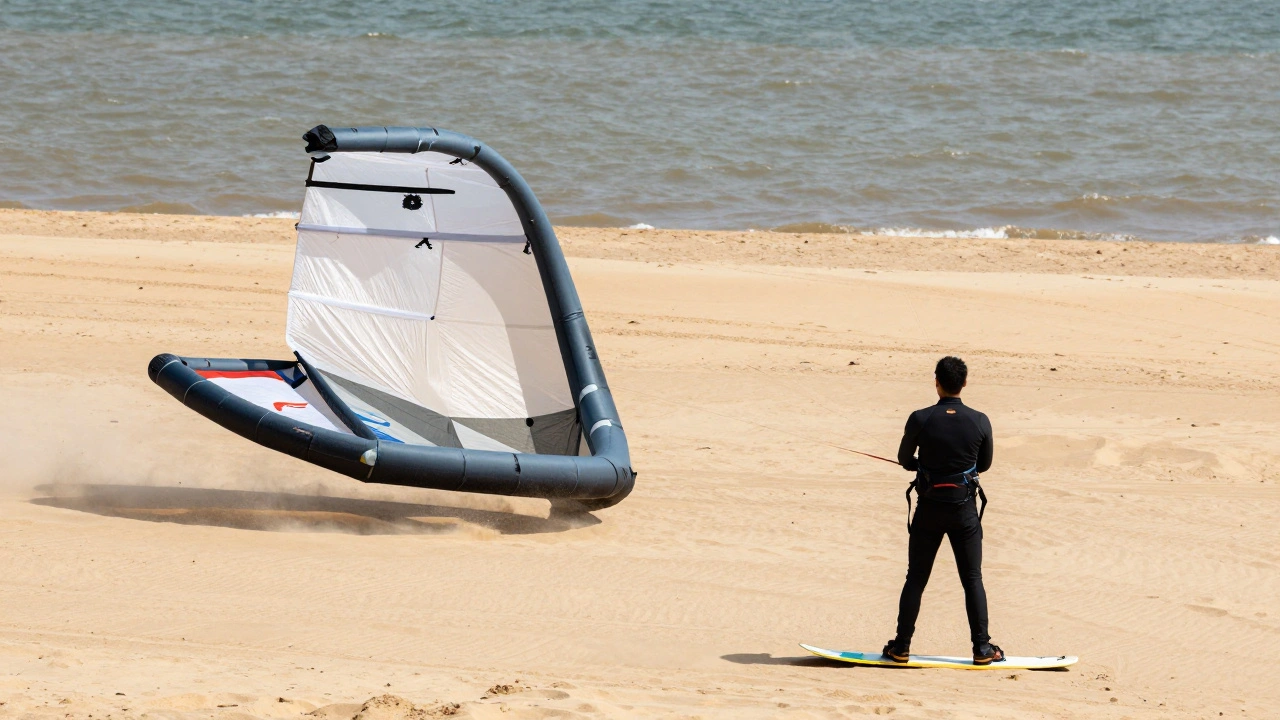
Imagine standing on a windy beach, your power kite is a large inflatable or foil kite used for traction sports and freestyle tricks resting flat on the sand. The wind is blowing hard-maybe 15 to 20 miles per hour-but instead of facing into the breeze, the kite’s leading edge is pointing downwind. This is the dreaded "nose-down" position. Most beginners panic here, thinking they need to drag the kite back upwind to reset it. But advanced riders know this isn’t a problem; it’s an opportunity. It’s called a reverse launch is a technique where a kite is launched by pulling the rear lines while the kite faces away from the wind.
This move looks counterintuitive because we are taught that kites always fly by catching wind on their front surface. Yet, when you pull the rear lines in a specific sequence, you flip the kite over, align it with the wind window is the area of sky between the rider and the wind direction where a kite can generate lift, and send it soaring without ever dragging it across the ground. Mastering this saves time, protects your gear from sand abrasion, and adds a slick trick to your repertoire.
Why the Nose-Down Position Happens
Before learning how to fix it, you need to understand why your kite ends up this way. In light winds, kites often stall and fall backward. In gusty conditions, a sudden luff (when the kite loses tension) can cause the trailing edge to swing around. If you’re using a foil kite is a non-inflatable kite made of fabric cells that requires constant airflow to maintain shape, this is even more common because foils don’t have rigid struts to hold their orientation. They simply flop.
If you leave the kite there, two things happen. First, the sand gets embedded in the seams, which weakens the material over time. Second, if you try to walk upwind to grab the leading edge, you risk getting tangled in the lines. The reverse launch solves both problems by keeping you stationary and using the wind’s energy against itself.
The Physics of the Reverse Launch
To execute a reverse launch, you aren’t fighting the wind; you are redirecting it. When the kite is nose-down, the rear lines are slack, and the front lines are taut but useless for lifting. By pulling the rear lines, you create tension that forces the trailing edge upward. As the kite flips, it momentarily acts like a parachute, catching air. Once it clears the ground, gravity and aerodynamics take over, snapping the leading edge forward into the wind stream.
This works best with C-kites is older style power kites with a curved profile and no depower system, offering high bar pressure and modern leading-edge inflatable (LEI) is kites with rigid rods along the front edge that allow them to self-relaunch easily kites. Foil kites require a slightly different approach due to their lack of structure, but the principle remains the same: use line tension to manipulate orientation.
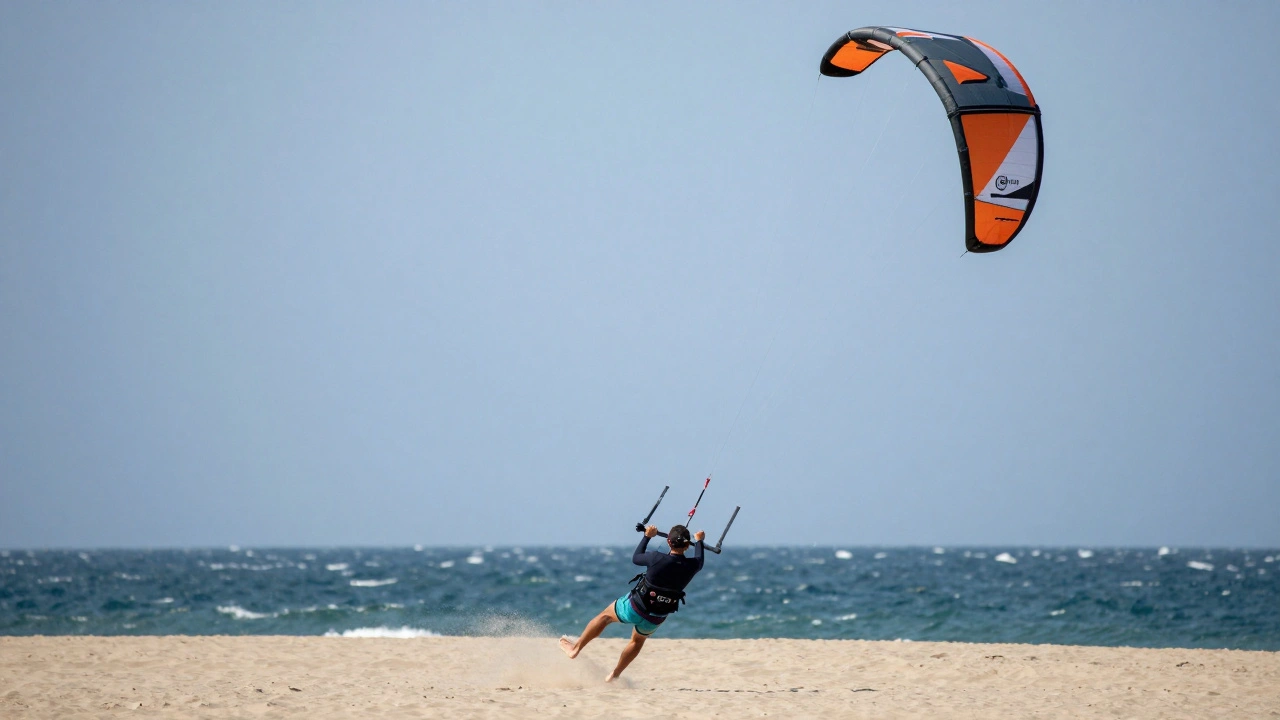
Step-by-Step Execution Guide
You need a safe, open area with consistent wind. Avoid trees, power lines, or other people. Wear gloves to protect your hands from line burn. Here is the exact sequence:
- Position Yourself: Stand directly behind the kite, ensuring the lines are straight out toward the kite. You should be facing downwind, looking at the kite’s trailing edge.
- Grip the Bars: Hold the control bar with both hands. Identify the rear lines (usually attached to the bottom of the bar or marked with red/black tags depending on the brand).
- Pull Evenly: Pull both rear lines simultaneously and firmly. Do not jerk. A smooth, steady pull lifts the trailing edge. Imagine you are trying to stand the kite up on its tail.
- Watch the Flip: As the kite rises, it will begin to rotate. Keep pulling until the kite is vertical. At this point, stop pulling further.
- Release and Steer: Once the kite is upright and facing upwind, gently release the rear tension and steer slightly left or right to catch the wind in the window. The kite should now inflate and fly normally.
If the kite doesn’t flip, you didn’t pull enough. If it flips too fast and slaps the ground, you pulled too hard. Practice makes perfect.
Common Mistakes and How to Fix Them
Many riders fail because they pull only one rear line. This causes the kite to twist and tangle the lines. Always pull evenly. Another mistake is standing too close. If you are within five feet of the kite, the lines won’t have enough angle to lift the trailing edge effectively. Step back ten to fifteen feet if possible.
In very low winds, the reverse launch might not work because there isn’t enough air pressure to keep the kite inflated after the flip. In these cases, you may need to manually pick up the kite and place it in the correct position. However, in winds above 8 mph, the technique is highly reliable.
Safety Considerations
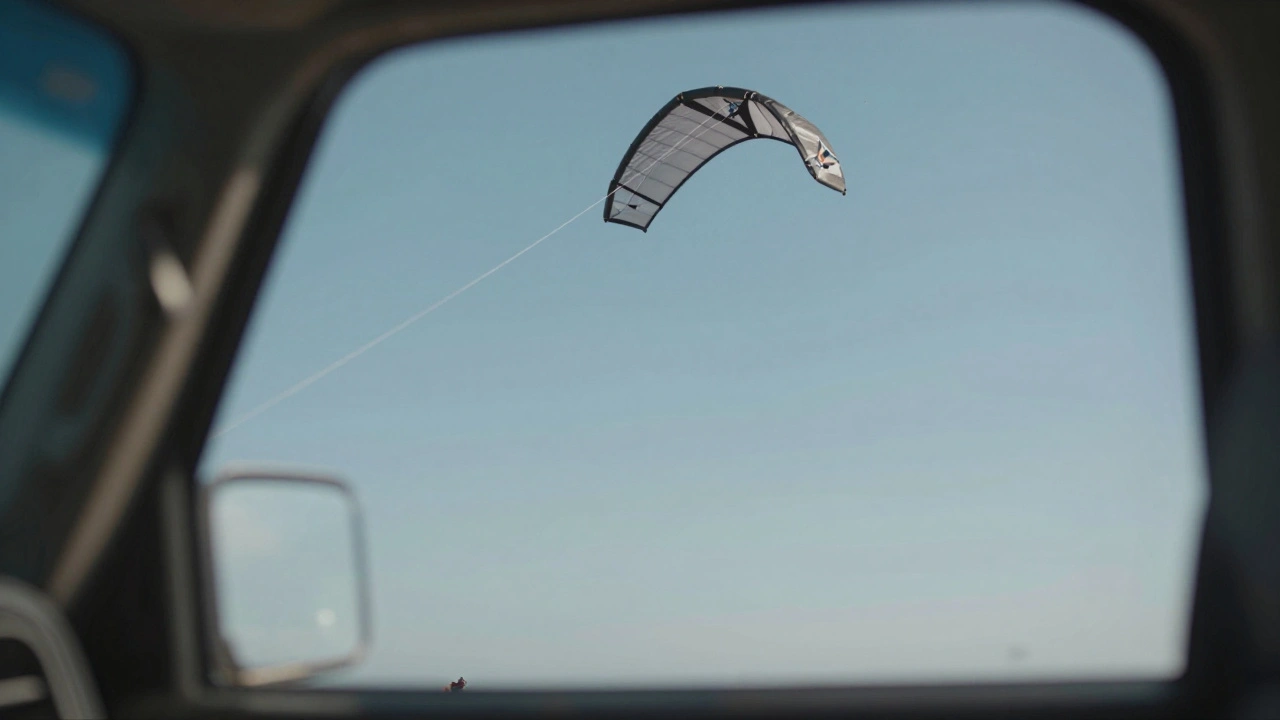
Never attempt a reverse launch near bystanders. If the kite slips out of your control during the flip, it can shoot sideways with significant force. Also, check your safety leash is a tether connecting the rider to the kite's quick-release system for emergency depowering. Ensure it is attached but not tangled around your legs. If the kite becomes unstable, let go of the bar immediately. The kite should depower and drop safely.
Wind shear can also complicate things. If the wind is turbulent, the kite might not flip cleanly. Wait for a steady gust before attempting the launch. Patience prevents accidents.
Advanced Variations
Once you master the basic reverse launch, you can add style. Try launching from a seated position on the sand, which gives you better leverage. Or, practice the "side-launch," where the kite is perpendicular to the wind. This involves pulling one rear line harder than the other to initiate rotation. These moves look impressive and are useful in tight spaces where you can’t step far back.
For foil kite riders, the reverse launch is essential because foils cannot self-relaunch from a nose-down position as easily as LEIs. You must actively manage the airflow through the cells. Pulling the rear lines opens the cells, allowing air to fill them, which restores rigidity.
Can I do a reverse launch in light winds?
It is difficult in winds below 8 mph. The kite needs sufficient air pressure to stay inflated after flipping. In light winds, manual positioning is safer and more effective.
What if my lines get tangled during the reverse launch?
Stop immediately. Do not yank the lines. Walk carefully toward the kite, untangle the lines on the ground, and restart the process. Rushing leads to worse tangles.
Is the reverse launch safe for all kite types?
Yes, but technique varies. LEI kites are easiest. C-kites require precise timing. Foil kites need careful line management to ensure cells inflate correctly.
How far back should I stand from the kite?
Stand at least 10 to 15 feet back. This provides enough line angle to lift the trailing edge effectively. Standing too close reduces leverage.
Why does my kite slap the ground after flipping?
You likely pulled the rear lines too aggressively. Use a smoother, steadier motion. The goal is to guide the kite up, not throw it into the air.