You might think a kite is just a toy you buy at the beach for five bucks. But look closer at the ones flying over Portland’s waterfront or the hills of Weifang in China. They are moving canvases. Kite art is a blend of engineering and visual storytelling that has evolved from ancient military signaling tools to intricate gallery pieces. Whether you are looking to paint your first diamond-shaped frame or design a complex parafoil, understanding the history and techniques behind these flyers changes how you see them. It stops being about just staying airborne and starts being about what you say while you’re up there.
The Ancient Roots of Visual Flight
To understand where we are going with kite decoration, we have to look at where it started. The earliest kites weren't toys; they were tools. In ancient China, around the 5th century BC, philosophers like Mozi and Lu Ban experimented with wood and bamboo to create flying objects. These early iterations were functional, often used for measuring distances or sending messages. But as materials shifted from heavy wood to lighter silk and paper, the surface became a blank slate for culture.
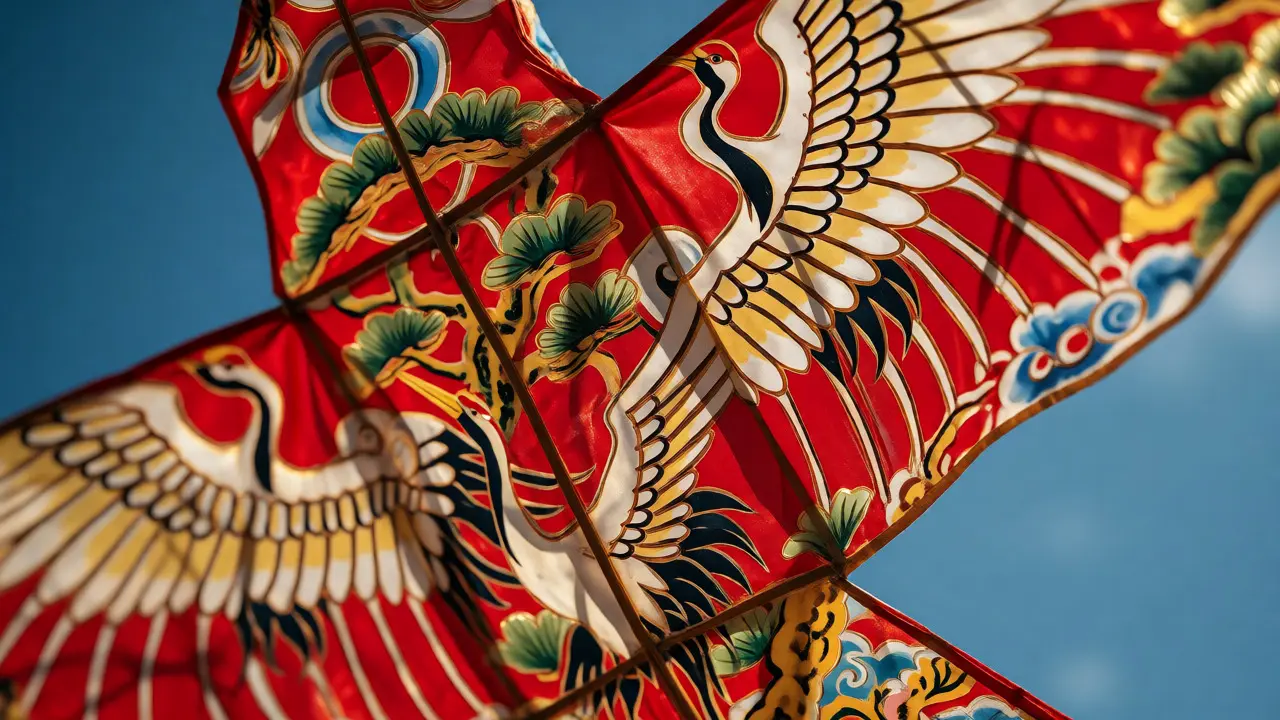
Traditional Chinese kites, known as Weifang kites, developed distinct artistic styles. Artists painted symbols of longevity, such as cranes and pine trees, directly onto the silk surfaces. The red color wasn't just for visibility against the blue sky; it was culturally significant, representing good fortune. If you hold a traditional Chinese swallow kite today, you aren't just holding a flyer. You are holding a piece of folk art that follows strict aesthetic rules passed down through generations. The symmetry isn't accidental-it's a reflection of harmony.
In Japan, kite art took a different turn. During the Edo period, kite fighting became a massive social event. The designs needed to be bold and recognizable from a distance so spectators could cheer for their team. This drove a style of high-contrast, geometric patterns using indigo and white. Unlike the delicate brushwork of Chinese kites, Japanese *tako* (kites) relied on block printing techniques to produce durable, vibrant images that could withstand the abrasion of cutting lines during fights.
Material Science Meets Aesthetics
You cannot talk about painting without talking about the surface. The evolution of kite materials has dictated the evolution of kite art. For centuries, artists worked with silk and mulberry paper. These materials absorb ink beautifully but tear easily. If you try to use standard acrylics on old-school silk, the weight will pull the kite out of the sky before it even clears the treetops.
The game changed in the mid-20th century with the introduction of synthetic fabrics. Ripstop nylon and polyester Mylar became the new canvas. These materials are lightweight, waterproof, and resistant to UV fading. This shift allowed for more experimental art forms. Suddenly, designers could use screen printing to create gradients and photographic images that would have been impossible on paper. The durability of ripstop nylon meant that a kite could fly hundreds of times without its artwork degrading, making large-scale public displays feasible.
| Feature | Silk/Paper (Traditional) | Ripstop Nylon/Mylar (Modern) |
|---|---|---|
| Weight | Very Light | Light (but heavier than silk) |
| Durability | Fragile, tears easily | High resistance to tearing |
| Paint Compatibility | Ink, watercolor, thin oils | Screen print, vinyl decals, fabric paints |
| Lifespan | Short (weather sensitive) | Long (UV treated) |
Techniques for Painting Your Own Kite
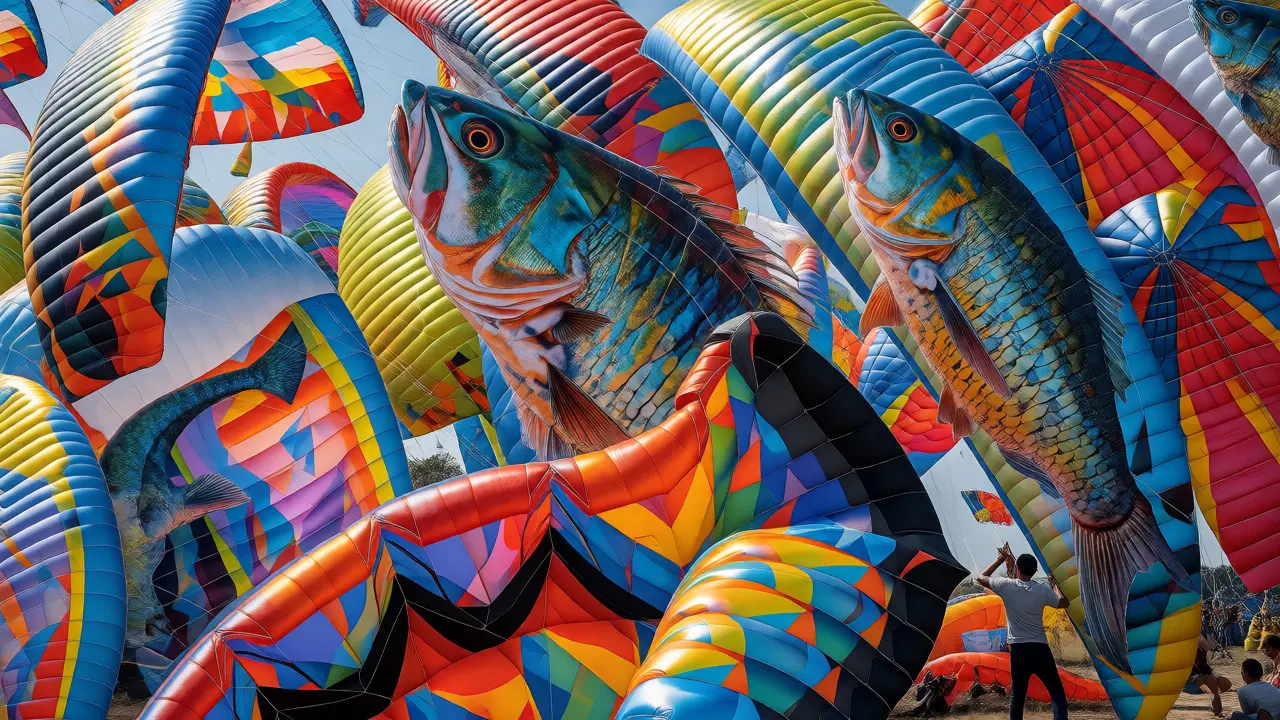
If you want to get your hands dirty, you don’t need a factory. You can decorate a plain diamond kite right in your kitchen. The key is managing the weight-to-paint ratio. Most beginners make the mistake of using thick house paint. That adds grams, and in kite flying, grams matter.
Start by selecting a pre-made plastic or ripstop diamond kite. Clean the surface with rubbing alcohol to remove any manufacturing oils. Then, choose your medium. Acrylic paints work well because they dry fast and stay flexible when cured. However, you must dilute them. Mix one part paint with two parts fabric medium. This ensures the paint doesn't crack when the kite flexes in the wind.
- Sketch lightly: Use a pencil to outline your design. Keep it simple. Complex details disappear once the kite is 100 feet up.
- Base coat: Apply a thin layer of white acrylic if you want bright colors to pop. Let this dry completely.
- Add detail: Use fine brushes for lines. Avoid heavy impasto strokes. Flat coverage is best for aerodynamics.
- Seal it: Once dry, spray a clear, flexible sealant designed for fabric. This protects your art from rain and sun damage.
For those who prefer less mess, heat-transfer vinyl (HTV) is a great alternative. You cut designs with a machine like a Cricut, then iron them onto the kite sail. This method adds almost no weight and provides crisp, professional edges. Just ensure you use low-heat settings so you don't melt the nylon backing.
Modern Digital and Structural Innovations
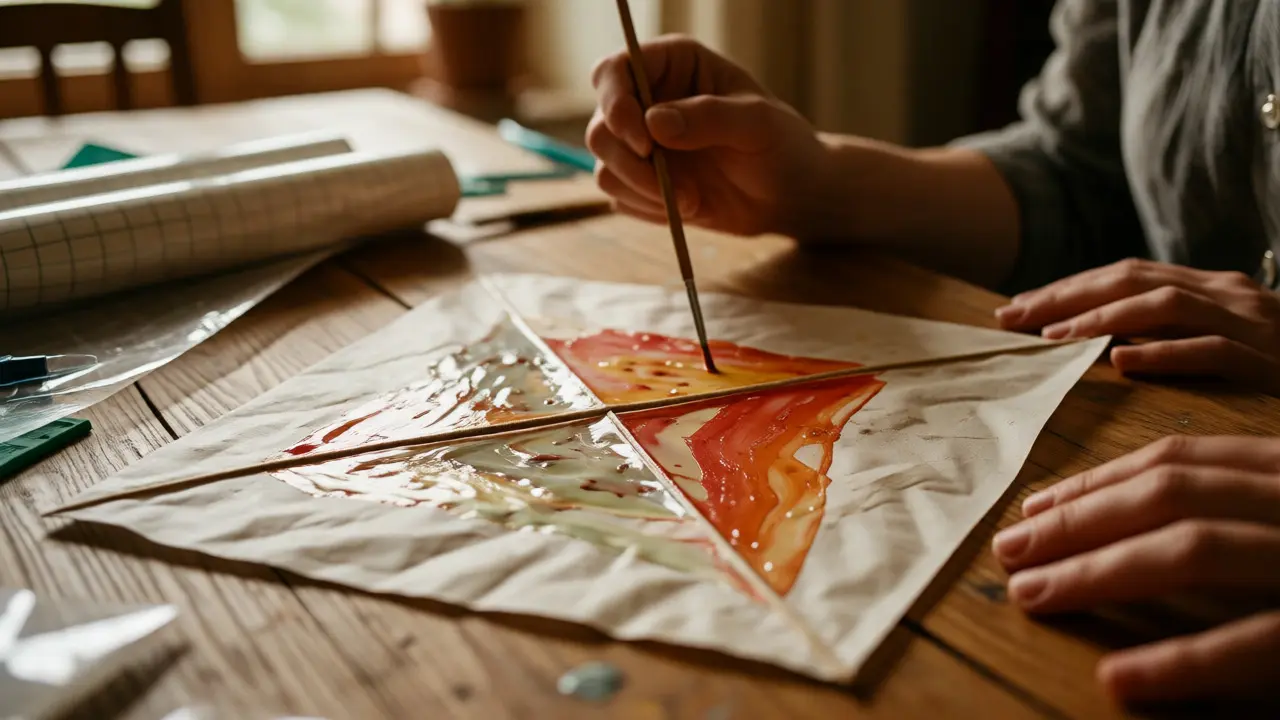
Today, kite art isn't limited to flat surfaces. Advances in digital printing allow for hyper-realistic images on massive kites. Companies now produce kites that look like giant fish, dragons, or abstract geometric shapes. These are often made using laser-cutting technology, which allows for precise, interlocking panels that require no sewing. This structural precision enables artists to create "box kites" or "cellular kites" that maintain rigid shapes in high winds, acting more like sculptures than toys.
There is also a growing trend of interactive kite art. Some modern designers embed LEDs into the kite structure, turning night flights into light shows. Others use reflective materials that change appearance depending on the angle of the sun. This transforms the kite from a static object into a dynamic element of the environment. When you watch a sunset flight with these reflective kites, the artwork literally changes color as the light shifts.
Community projects have also pushed the boundaries of scale. The largest kites ever flown, some spanning over 100 meters, are essentially floating billboards. Designing for these requires an understanding of perspective. An image that looks distorted on the ground may appear perfect when viewed from below. Artists working on these mega-kites often use software to warp their designs, compensating for the curvature and distance.
Cultural Significance in Contemporary Society
Why does this matter? Because kite festivals remain one of the few places where street art meets aviation. In India, the festival of Makar Sankranti turns entire cities into skies filled with thousands of kites. The competition isn't just about who stays up longest; it's about who has the most beautiful tail or the most unique pattern. This cultural pressure keeps traditional craftsmanship alive, supporting artisans who hand-paint bamboo frames.
In the West, kite art has found a home in therapeutic and educational settings. Schools use kite-making to teach geometry and physics. Patients in occupational therapy use kite painting to improve fine motor skills. The act of creating something that flies provides a tangible reward for effort. You paint it, you build it, and then you see it soar. That immediate feedback loop is powerful.
Moreover, environmental awareness has influenced modern kite designs. Artists are increasingly using recycled plastics and biodegradable materials. Some kites are designed to be flown once and then composted, leaving zero trace. This aligns with the ethos of outdoor enthusiasts who want to enjoy nature without harming it. The art form is becoming more sustainable, reflecting broader societal values.
What type of paint is best for kite decorating?
Fabric acrylics mixed with a fabric medium are ideal. They remain flexible when dry, preventing cracks during flight. Avoid heavy oil-based paints or undiluted acrylics, as they add too much weight and can stiffen the material, affecting aerodynamics.
Can I use markers on a kite?
Yes, permanent markers like Sharpies work well on plastic and ripstop nylon kites. They are lightweight and easy to control. However, they can fade quickly in direct sunlight unless sealed with a UV-resistant clear coat.
How do traditional Chinese kites differ from Western kites?
Traditional Chinese kites often feature elaborate, symmetrical designs rooted in folklore, using bamboo and silk. Western kites historically focused more on aerodynamic efficiency and simpler geometric patterns, though modern Western kites now incorporate diverse global artistic influences.
Does adding decorations affect kite performance?
Yes, significantly. Every gram of paint, glue, or added ornamentation increases drag and weight. Heavy decorations can prevent a kite from launching or cause it to spiral. Always test balance after adding weight to ensure the center of gravity remains correct.
Where can I learn advanced kite painting techniques?
Local kite clubs often host workshops. Online communities and forums dedicated to kite building are excellent resources for specific techniques like airbrushing on nylon or attaching decorative tails without disrupting flight stability.