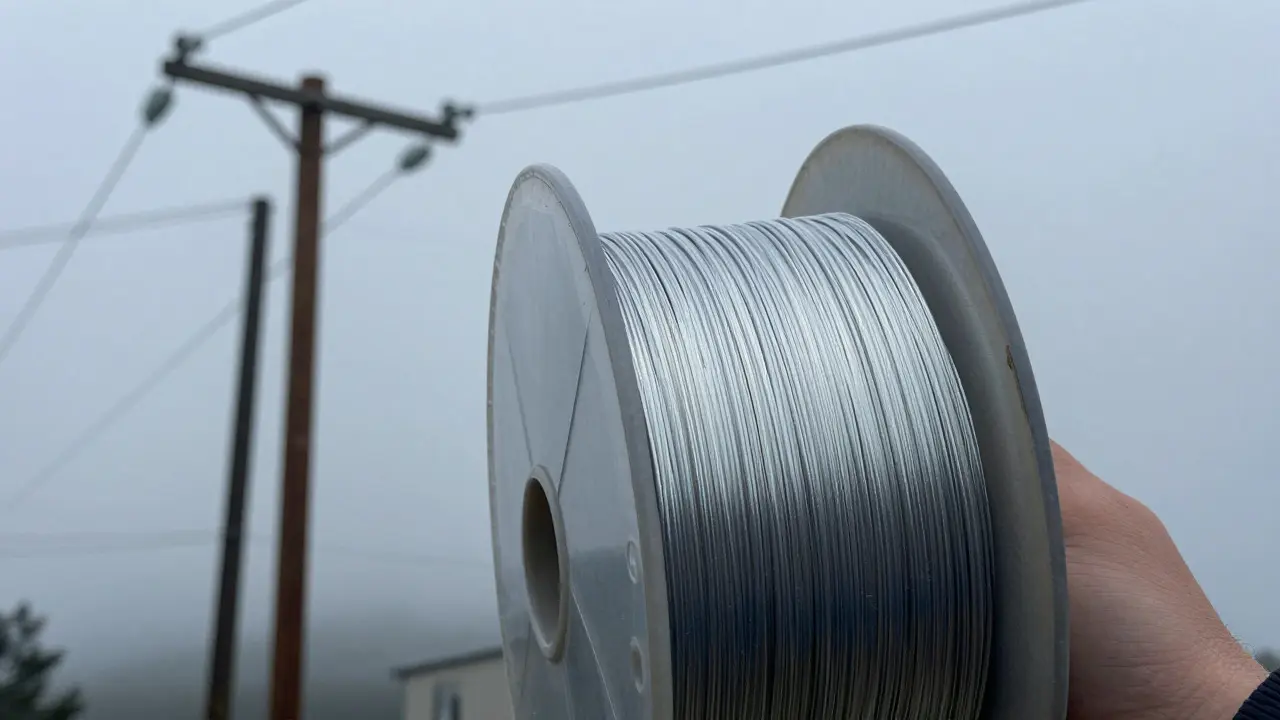
You might think a shiny, metallic kite line is just a cool upgrade for your next flight. It looks sleek, it holds tension well, and it seems like it would last forever. But there is a hidden danger lurking in that glimmering strand. When you fly near power lines, electrical conductivity turns your hobby into a life-threatening gamble. Understanding why this happens is the first step to keeping your weekend adventures safe.
Most people assume all kite strings are the same. They are not. The material matters immensely when electricity is involved. Let's break down the physics, the risks, and the simple swaps you can make today to protect yourself.
The Physics of Conductive Lines
To understand the danger, you need to look at how electrons move. Metallic fibers are synthetic or natural materials embedded with metal strands, such as copper or aluminum, designed to increase tensile strength. Unlike standard nylon or polyester, these metals create a continuous path for electrical current. If your kite touches a live wire, the electricity doesn't stop at the contact point. It travels down the line directly to your hand.
This is different from standard insulating materials. Nylon monofilament is a non-conductive plastic fiber commonly used in recreational kites due to its low cost and flexibility. Nylon resists electron flow, acting as a barrier. However, even nylon isn't perfect if it's wet, but it offers significantly more protection than any metal-based line. The key difference is resistance. Metal has very low electrical resistance, while dry plastic has high resistance. In an emergency, you want maximum resistance between you and the source.
Real-World Scenarios and Risks
It doesn't take a direct hit to be dangerous. Here are three common situations where metallic lines cause trouble:
- Proximity to Power Poles: You don't have to touch the wire. High-voltage fields can induce a charge on conductive lines, especially if they are long and dangling. This creates a potential shock hazard even without physical contact.
- Foggy or Rainy Conditions: Moisture reduces the insulating properties of almost everything. If you are using a hybrid line with some metal content, rain can turn the entire length into a conductor. The water bridges the gaps between metal strands, completing the circuit.
- Kite Tangles: If your kite gets tangled in a tree near a transformer box, the line acts as a conduit. Climbing up to free it with a conductive line attached is a recipe for electrocution.
In Portland, Oregon, we deal with frequent fog and rain. This makes the local environment particularly tricky for kite flying. The humidity here means that "dry" conditions are rare, increasing the likelihood that even semi-conductive lines become fully conductive during a session.
Comparing Line Materials
Choosing the right line is about balancing durability with safety. Below is a comparison of common kite line materials regarding their electrical properties and typical use cases.
| Material Type | Electrical Conductivity | Tensile Strength | Best For | Safety Risk Near Power Lines |
|---|---|---|---|---|
| Pure Nylon | Very Low (Insulator) | Medium | Casual flying, beginners | Low |
| Polyester (Dacron) | Very Low (Insulator) | High | Steady wind, durable use | Low |
| Metallic Fiber Blend | High (Conductor) | Very High | Competitive stunt kiting | Extremely High |
| Carbon Fiber Reinforced | Moderate to High | Extreme | Heavy-duty parafoils | High |
Notice that while metallic lines offer superior strength, they sacrifice the most critical safety feature: insulation. For casual flyers, the extra strength is rarely needed, but the added risk is significant.
How to Identify Dangerous Lines
Not all shiny lines are equally dangerous, but you should treat them all with caution. Here is how to spot them:
- Check the Label: Look for terms like "conductive," "metal core," or "stainless steel reinforced." These are red flags.
- Visual Inspection: Hold the line up to the light. If you see distinct silver or gold threads running through the clear or colored plastic, it contains metal.
- Feel the Texture: Metallic lines often feel slightly stiffer or rougher than pure synthetic lines because the metal strands add rigidity.
If you bought a kit with a shiny line included, check the manufacturer's specifications. Many budget kits include cheap metallic lines to save money, assuming users won't read the fine print. Always verify before you fly.

Safe Flying Practices
Even with the best insulating line, location matters. Follow these rules to minimize risk:
- Stay 300 Feet Away: Keep at least 300 feet from overhead power lines. This distance accounts for the kite's drift and the line's reach.
- Look Up Before Launching: Scan the sky and the surrounding area for poles, transformers, and wires. Pay special attention to suburban areas where lines run close to parks.
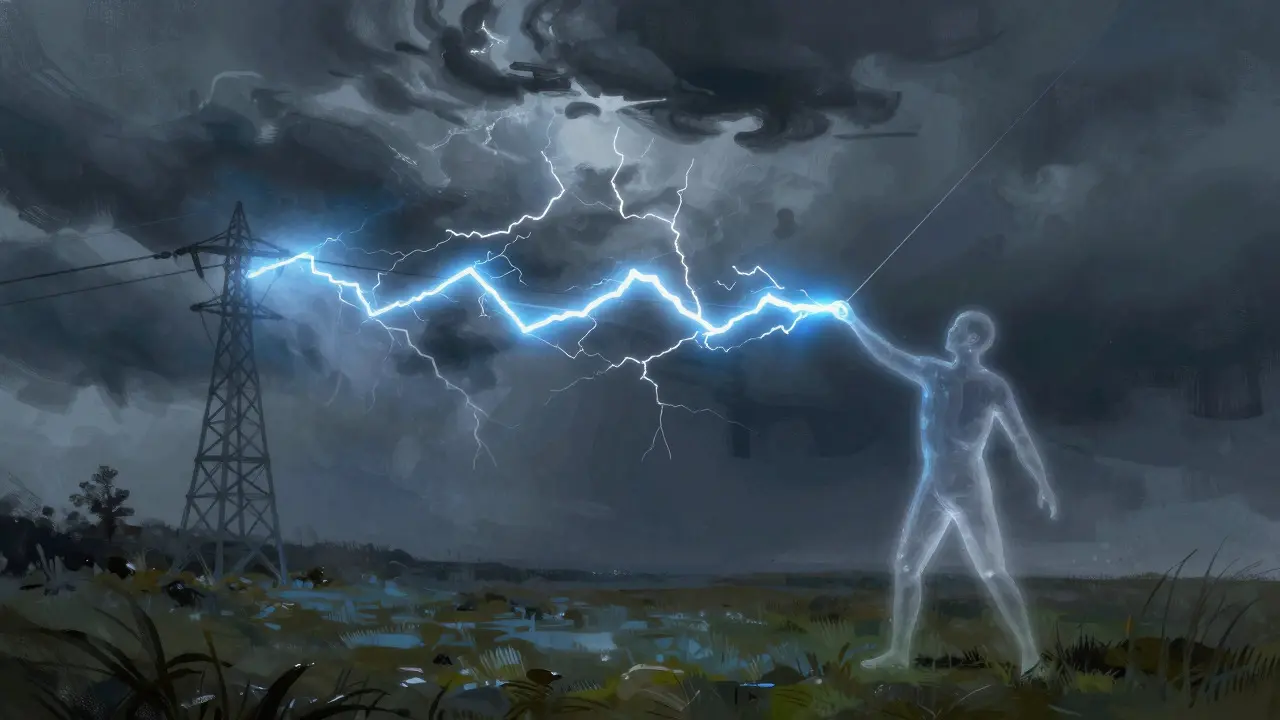
- Avoid Storms: Lightning is a massive electrical event. Never fly a kite during thunderstorms, regardless of the line material.
- Use a Grounded Reel: Some advanced flyers use reels with grounding straps. While mostly for static discharge, they can help dissipate small charges, though they are no substitute for proper insulation.
In urban environments like downtown Portland, space is tight. Find open parks that are explicitly designated as kite-friendly and away from utility corridors. Check local maps for underground vs. overhead wiring zones.
What To Do If Shocked
If you do get shocked, stay calm. The shock itself is often brief but can cause muscle spasms, making it hard to let go. Here is what to do:
- Let Go Slowly: If possible, release the line gently. Don't jump back, as this can change your position relative to the ground and alter the current path.
- Move Away from the Source: Once free, move away from the kite and the power line. Assume the area is still energized.
- Call Emergency Services: Even if you feel fine, seek medical attention. Internal burns or heart rhythm issues may not be immediately apparent.
Prevention is always better than reaction. By choosing the right gear and respecting the environment, you can enjoy the thrill of kite flying without the fear of electrocution.
Are all metallic kite lines dangerous?
Yes, generally speaking. Any line containing metal fibers conducts electricity. The level of danger depends on the voltage source and the condition of the line (wet vs. dry), but the risk is significantly higher than with pure plastic lines.
Can I use a metallic line if I am far from power lines?
If you are in a completely open field with no overhead wires within half a mile, the risk is minimal. However, lightning is still a concern. For casual flying, sticking to nylon or polyester is safer and cheaper.
Does rain make nylon lines conductive?
Rainwater can reduce the insulating capability of nylon, but it does not turn it into a good conductor like metal. It increases the risk slightly, so it is best to avoid flying in heavy rain or storms entirely.
What is the safest kite line material?
Pure nylon or polyester monofilament is considered the safest for general use. They are excellent insulators when dry and widely available. Avoid any blends with carbon fiber or metal unless you are in a controlled, wire-free environment.
How far should I stay from power lines when flying a kite?
A minimum of 300 feet is recommended. This buffer zone ensures that even if your kite drifts or the line stretches, you remain well out of the arc-flash range of high-voltage equipment.