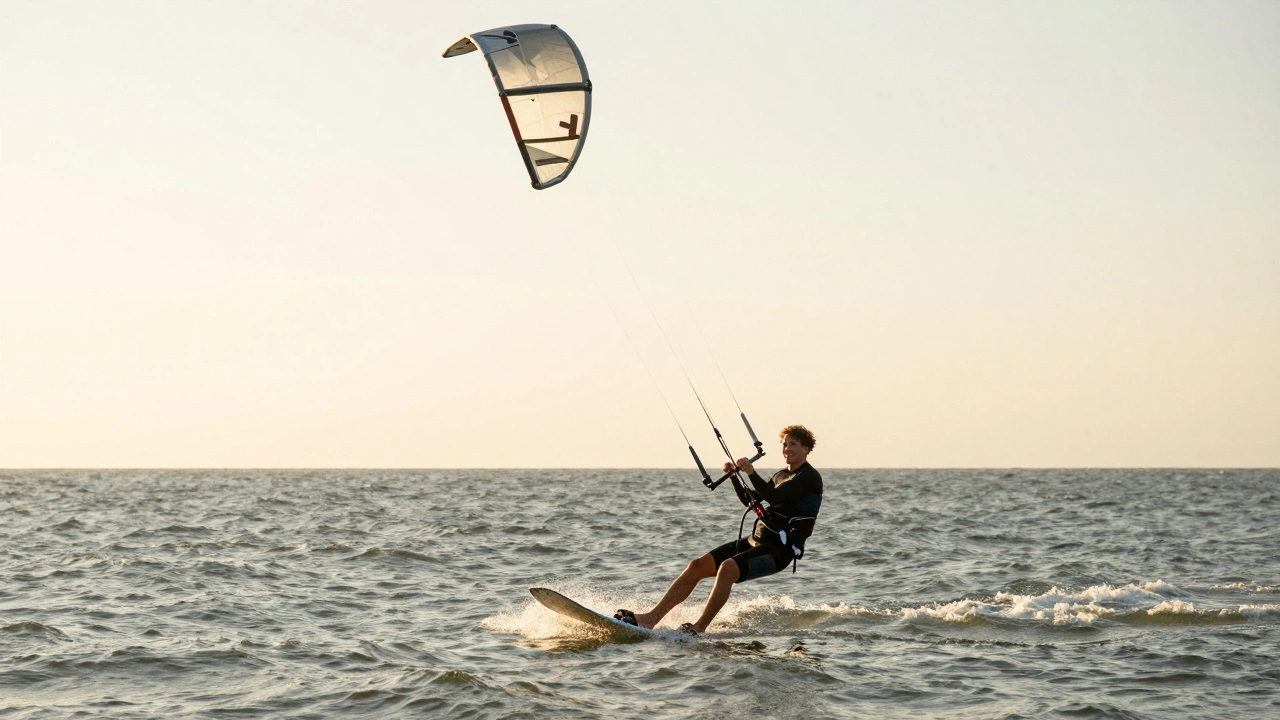
Power kites have come a long way since the days of simple diamond-shaped kites. Today, two designs dominate the scene: the bow kite and the C-kite. If you’ve ever watched someone launch a kite on the beach and then ride waves or carve across flat water, you’ve seen these in action. But what’s the real difference between them? And why does it matter when you’re choosing gear?
How Bow Kites Changed the Game
The bow kite didn’t just tweak an old design-it rethought the whole thing. Introduced around 2008, the bow kite’s defining feature is its curved leading edge and flatter profile. Unlike older kites that needed constant tension to stay stable, the bow kite uses a bridle system that lets the kite flex and deform under wind pressure. This gives it a huge advantage: it can depower instantly.
Imagine riding in 30-knot winds. A traditional kite might pull you into a full sprint, but a bow kite? You just pull the bar in slightly, and the kite flattens out, shedding power like a sail trimming in a storm. That’s why bow kites became the go-to for beginners and freeriders. They’re forgiving. They don’t snap back if you lose control. And they relaunch easily after crashing into the water.
Companies like Slingshot, Ozone, and Duotone built their reputations on bow kite tech. The design works so well that even advanced riders use it for wave riding and big-air tricks. It’s not perfect-some say it lacks the raw responsiveness of older shapes-but for most people, the trade-off is worth it.
What Makes a C-Kite Different
The C-kite, short for C-shaped kite, was the king of the early 2000s. Its name comes from the curved, almost circular arc of its leading edge. It looks like a banana with wings. This shape gives it a tight turning radius and explosive power delivery. When you yank the bar on a C-kite, it surges forward like a race car hitting the gas.
That’s why pro riders and freestyle athletes loved it. C-kites could pop off the water for huge jumps, carve sharp turns on the wave face, and stay locked in during tricks. They were the weapon of choice for competitive kiteboarding events. But they came with a price: they didn’t depower well. If the wind picked up suddenly, you had to act fast. A misjudged gust could send you flying uncontrollably.
They also had trouble relaunching. If a C-kite crashed face-down in the water, you often had to swim out, flip it over by hand, and reposition it. That’s not a fun task in choppy surf or cold water. And because they didn’t have the same bridle flexibility as bow kites, they required more precise bar control.
Why You Should Care About the Shape
The shape of your kite isn’t just about looks-it affects how you ride, how safe you are, and how much fun you have.
Let’s say you’re new to kiteboarding. You’ve got a budget, you’re learning, and you don’t want to get yanked into traffic on a windy day. A bow kite is the obvious pick. It’s stable, predictable, and easy to relaunch. You’ll spend less time struggling with your gear and more time actually riding.
Now imagine you’ve been riding for years. You’ve mastered body dragging, can handle 40-knot winds, and you’re chasing the biggest air possible. You might still reach for a C-kite. Why? Because it gives you that instant, snappy response you need for technical tricks. The power is direct. The feedback is sharp. It’s like driving a manual car versus an automatic-you have more control, but you have to pay attention.
Modern hybrids have blurred the lines. Today’s kites often blend bow and C-shape traits. Some have a curved leading edge like a bow kite but with a flatter profile and less bridle complexity. Others keep the C’s aggressive arc but add inflatable struts for better relaunch. The market is full of middle-ground designs now.
Real-World Performance Differences
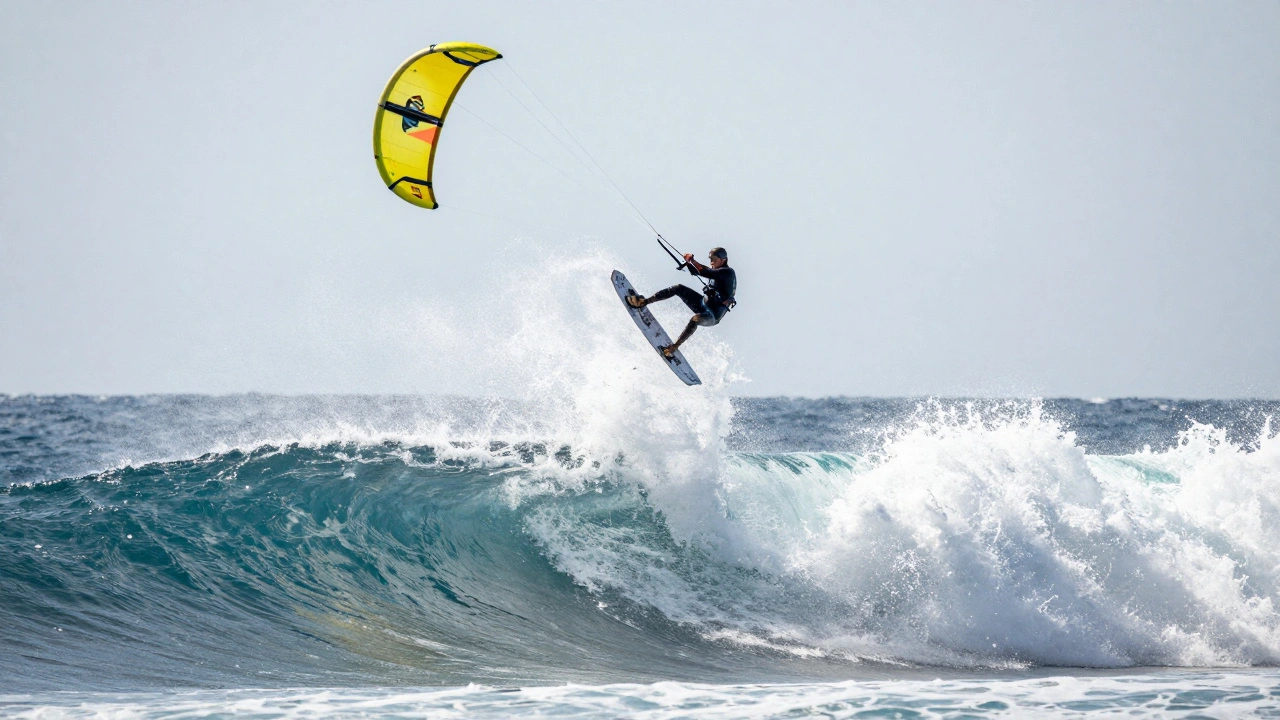
Here’s how the two compare in practice:
| Feature | Bow Kite | C-Kite |
|---|---|---|
| Depower Range | Wide (up to 80% power reduction) | Narrow (30-40% reduction) |
| Relaunch Ease | Very easy (self-relaunches in most conditions) | Difficult (often requires manual flipping) |
| Turning Speed | Slower, smoother arcs | Fast, tight, snappy turns |
| Stability in Gusts | High (self-regulating) | Low (requires active input) |
| Best For | Beginners, wave riders, freeride, light wind | Advanced freestyle, big air, competition |
One rider I talked to in Hood River last fall said it best: "I switched from a C-kite to a bow kite after I got thrown into a power line. Not because I was scared-I was just tired of fighting the kite every time the wind changed. Now I ride longer, safer, and with more joy."
What’s the Future of Power Kite Design?
There’s no going back to pure C-kites for mainstream use. But they haven’t disappeared. High-end manufacturers still make them for elite riders who want maximum performance. The real evolution is in hybrid kites. Brands like Cabrinha and F-One now offer "hybrid C" designs-kites that look like C-kites but behave like bow kites.
These new models use advanced materials: lighter, more flexible fabrics, and adjustable bridles that change shape mid-flight. Some even have smart valves that auto-adjust tension based on wind speed. The goal? To give riders the best of both worlds: the safety and ease of a bow kite with the power and responsiveness of a C-kite.
That’s where the industry is headed. Not toward one perfect shape, but toward adaptable, intelligent systems that respond to the rider and the environment.
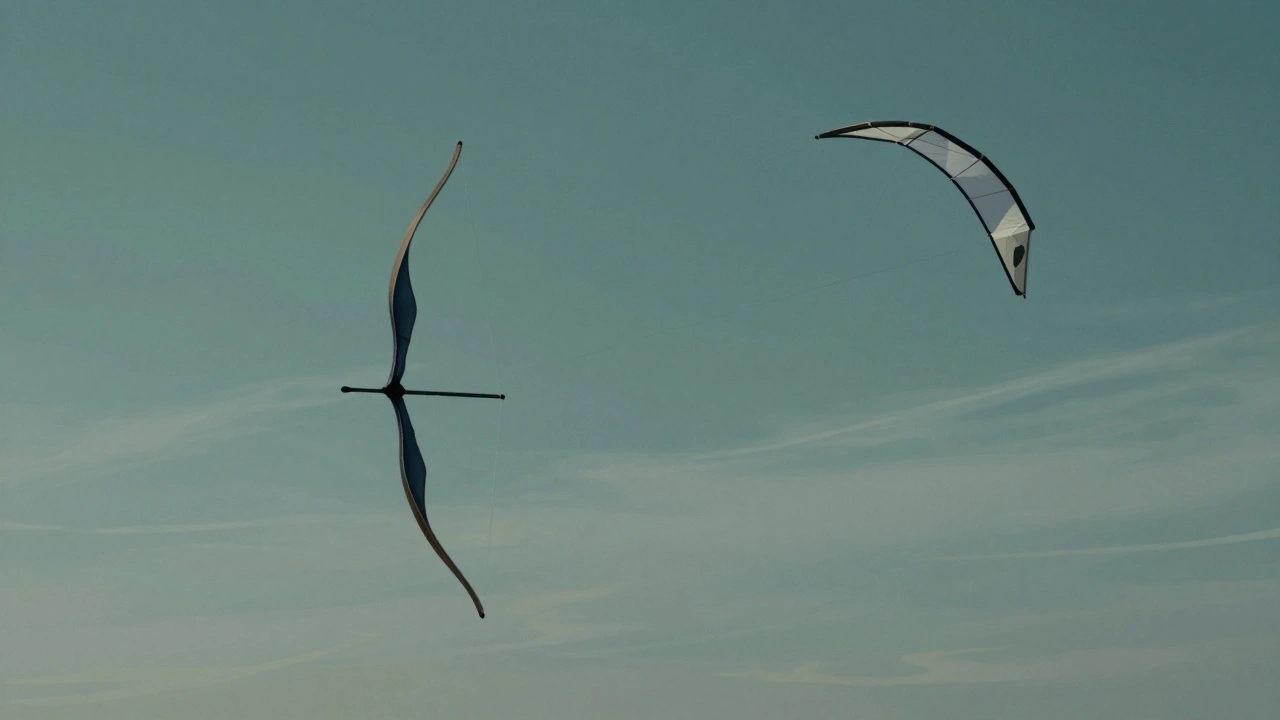
Choosing the Right Kite for You
If you’re shopping for a power kite, ask yourself:
- Are you a beginner or intermediate rider? → Go with a bow kite.
- Do you ride in variable wind conditions? → Bow kite wins.
- Are you chasing big jumps or competition-level tricks? → A C-kite or hybrid might suit you.
- Do you want to relaunch your kite alone after a crash? → Bow kite is your friend.
- Are you riding in light wind? → Bow kites generate more low-end power.
Don’t get stuck on the labels. Test both if you can. Most shops offer demo days. Ride a bow kite in 15 knots, then try a C-kite in the same conditions. You’ll feel the difference before you even get to the water.
Common Misconceptions
Some people think bow kites are "boring" because they’re safer. That’s not true. Modern bow kites can still launch you 30 feet in the air. They’re just better at keeping you alive while doing it.
Others believe C-kites are outdated. They’re not. They’re just specialized. Like a manual transmission car, they’re not for everyone-but for those who know how to use them, they’re unmatched.
And yes, you can use a bow kite for freestyle. I’ve seen riders do backloops and kiteloops on bow kites that looked just as clean as those on C-kites. The difference is in the timing and technique, not the kite’s limits.
Are bow kites better than C-kites?
It depends on what you want. Bow kites are better for safety, ease of use, and reliability in changing winds. C-kites are better for aggressive freestyle and maximum power delivery. Most riders today choose bow kites because they’re more versatile. But top-level freestylers still use C-kites or hybrids for competition.
Can you use a C-kite if you’re a beginner?
Technically yes, but it’s not recommended. C-kites have very little depower and can be unpredictable in gusty conditions. Beginners often get overpowered quickly, leading to crashes or dangerous situations. Bow kites are designed specifically to help new riders learn safely.
Do bow kites work well in light wind?
Yes, better than C-kites. Bow kites have a flatter profile and more surface area, which helps them generate lift at lower wind speeds. Many modern bow kites can stay aloft in as little as 8-10 knots, while C-kites typically need 12+ knots to perform well.
Why do some kites have five struts instead of three?
More struts improve stability and shape retention in strong winds. A five-strut design helps the kite hold its form during high-speed turns and big jumps. It also reduces flutter and increases durability. But it adds weight and complexity. Three-strut kites are lighter and more responsive, which is why many freestyle riders prefer them.
Is it worth upgrading from an old C-kite to a modern bow kite?
If you’re not competing, yes. Modern bow kites offer better depower, easier relaunch, and improved safety-all without sacrificing much performance. You’ll ride more often, feel more confident, and spend less time fixing your gear. For most riders, the upgrade makes life easier and more fun.
Final Thoughts
The bow kite didn’t replace the C-kite-it expanded the possibilities. You don’t have to pick one over the other. You can own both, depending on your goals. But if you’re just starting out or want to ride more often without the stress, the bow kite is the smarter choice today. It’s not about being the fastest or the flashiest. It’s about staying in control, enjoying the wind, and coming back for more.