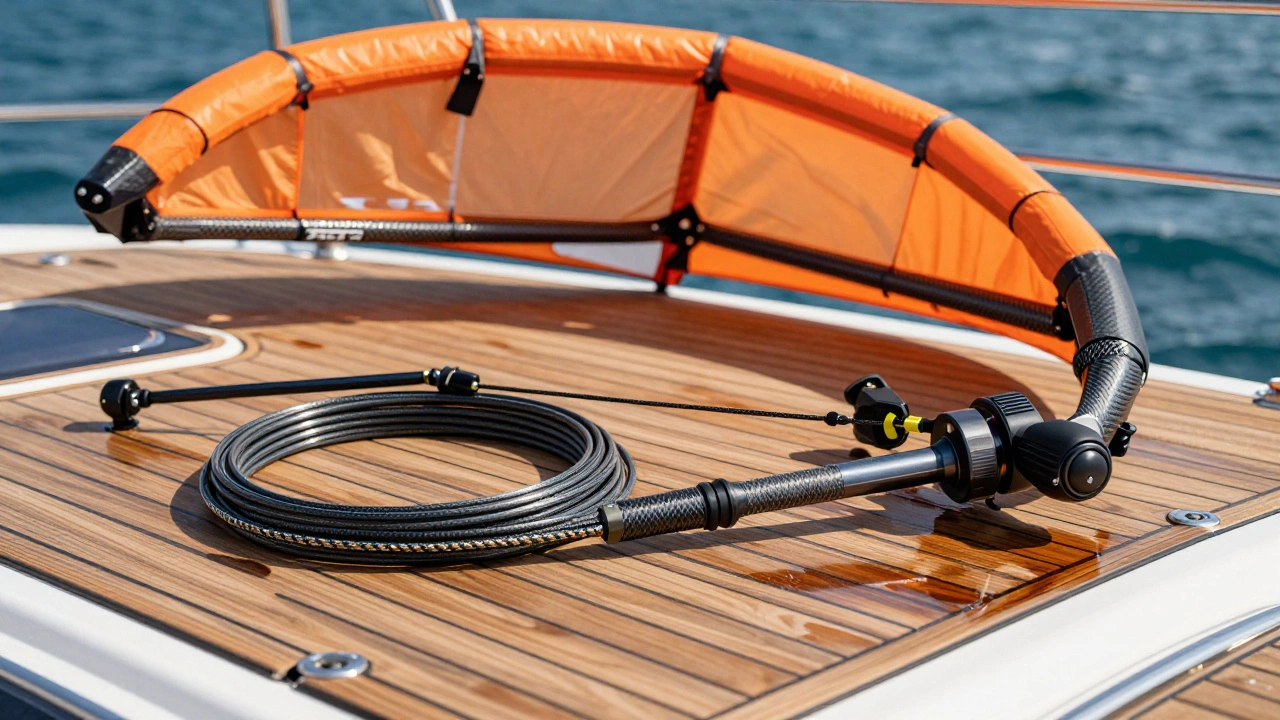
There is nothing quite like the feeling of casting a line three hundred yards off the bow of your boat. That is the promise of kite fishing, an angling method that uses large power kites to drag bait far beyond the reach of conventional trolling or drifting. But before you can reel in a marlin or mahi-mahi, you have to get that massive piece of fabric and carbon fiber into the sky. Launching a fishing kite is not like flying a toy at the beach. It requires precision, timing, and a solid understanding of aerodynamics. If you do it wrong, you risk tangles, broken lines, or worse, a dangerous situation on deck. This guide breaks down exactly how to launch your fishing kite safely and effectively, ensuring your gear stays intact and your catch rate goes up.
Understanding the Gear Before You Fly
You cannot launch what you do not understand. The first step in mastering offshore kite fishing is knowing your equipment inside and out. Most serious anglers use dual-line stunt kites designed specifically for heavy loads. These are not the simple diamond-shaped kites you see in parks. They are high-performance machines made from ripstop nylon or polyester, with frames constructed from lightweight but strong materials like carbon fiber or fiberglass.
The key components you need to check before every launch include:
- The Canopy: Inspect for tears or loose stitching. A compromised canopy will not generate enough lift, causing the kite to stall during ascent.
- The Bridle System: This is the network of lines attached to the kite that determines its angle of attack. For fishing, you want a bridle setup that allows for stability in gusty winds. Check that all knots are secure and the attachment points on the frame are not fraying.
- The Control Lines: These connect the bridle to your control bar. Ensure they are free of twists and abrasions. Many anglers use braided Dacron or Spectra lines because they stretch less than traditional nylon, giving you better feedback from the kite.
- The Control Bar: This is your interface with the kite. Make sure the handles are comfortable and the pulleys (if equipped) move smoothly. A stiff bar makes launching difficult and controlling the kite exhausting.
Before you even think about throwing the kite in the air, lay it out on the deck. Unroll the lines completely. Tangled lines are the number one cause of failed launches. Use a line winder or simply coil them neatly if you are preparing for a quick deployment. Remember, the weight of your fishing rig-rods, reels, and bait-adds significant drag. Your kite needs to be powerful enough to handle this load, typically requiring a wind speed of at least 10 to 15 mph.
Reading the Wind: The Critical First Step
Wind is both your engine and your enemy. In kite fishing, you are not just fighting the fish; you are managing the wind. Before you attempt a launch, you must assess the current conditions. Look for visual cues on the water. Are there whitecaps? How fast are the waves moving? Feel the wind on your face. Is it steady, or is it gusting?
Ideal launch conditions for a beginner involve a steady breeze between 12 and 18 mph. Gusts above 20 mph can make the kite erratic and hard to control, while winds below 10 mph may not provide enough lift to get the heavy fishing rig airborne. Always launch with the wind at your back. Never try to launch into the wind unless you are an expert using specific techniques for low-wind scenarios.
Position your boat so that the wind is coming from behind you and slightly to one side. This gives you room to maneuver. If you are launching from the stern, ensure the area is clear of people and equipment. You need a wide, open space. If you are on a smaller center console, consider launching from the side, keeping the kite away from the cabin and electronics. Safety is paramount. A失控 kite can snap back with enough force to injure someone or damage the boat.
The Hand Launch Method
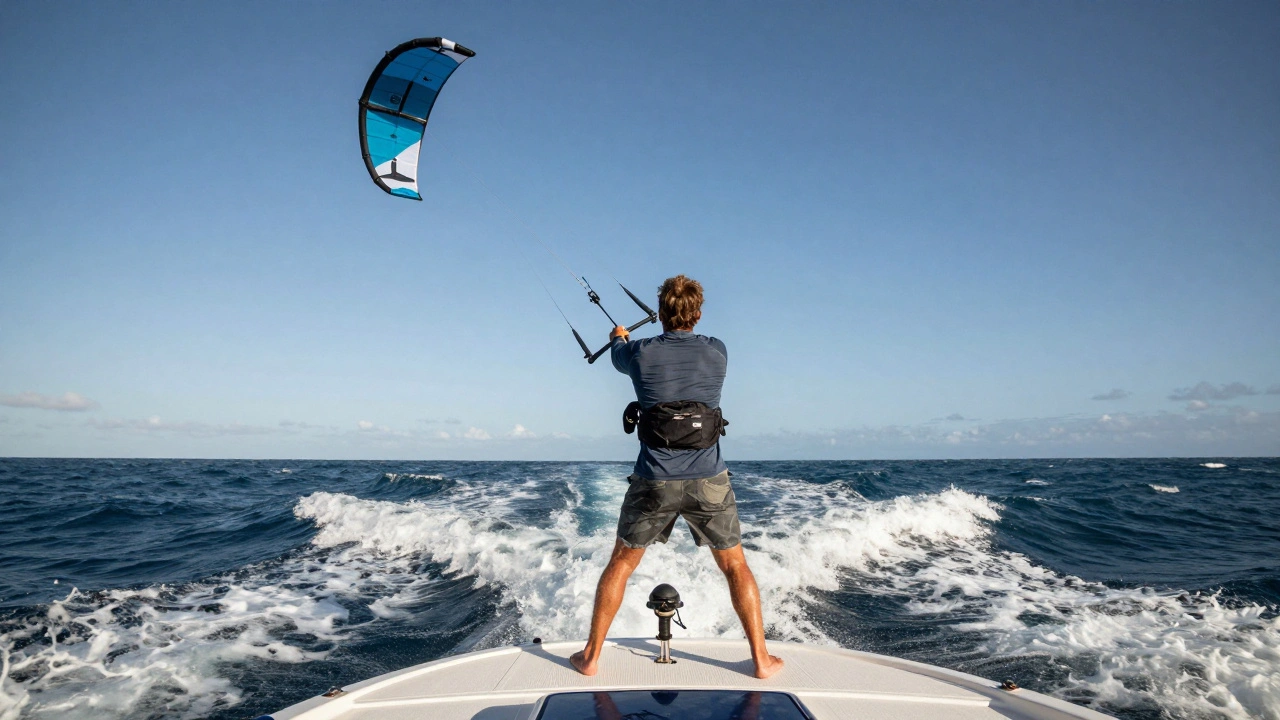
The hand launch is the most common technique for getting a fishing kite airborne. It relies on the momentum of the throw and the immediate pull of the lines to generate lift. Here is how to execute it properly:
- Prepare the Kite: Hold the kite by its leading edge or the top of the frame. Keep the canopy folded loosely so it does not trap air prematurely. Let the control lines hang freely.
- Position Yourself: Stand with your feet shoulder-width apart, facing away from the wind. Have your control bar in one hand, ready to apply tension.
- The Throw: Gently toss the kite into the wind, about five to ten feet away from you. Do not throw it too hard; you want it to drift backward, not fly forward.
- Apply Tension: As soon as the kite catches the wind, pull the control bar toward you. This action tightens the lines and forces the kite into its flying position. You should feel the kite "bite" into the air.
- Guide Upward: Once the kite is stable, steer it upward by pulling evenly on both lines. Avoid jerky movements. Smooth, steady inputs help the kite gain altitude without stalling.
If the kite drops immediately after the throw, you likely did not apply enough tension or the wind was too light. Try again, focusing on a sharper pull on the control bar. If the kite loops wildly, you may have pulled too hard or unevenly. Practice this motion on land first if possible, or with a lighter practice kite, to build muscle memory.
The Ground Launch Technique
For larger kites or when dealing with heavier fishing rigs, a ground launch offers more control. This method involves laying the kite flat on the deck or a smooth surface before initiating flight. It reduces the risk of the kite collapsing upon takeoff.
- Lay Out the Kite: Place the kite on the deck with the leading edge facing the wind. Ensure the control lines are fully extended and untangled. Have an assistant hold the tail end of the kite if available.
- Take Up Slack: Stand at the control bar and slowly take up slack in the lines until they are taut. Do not pull yet.
- Signal the Assistant:** If you have a partner, signal them to release the kite gently. If you are alone, you may need to kick the kite lightly to help it rise, though this is trickier.
- Pull and Steer:** As the kite begins to rise, pull the control bar steadily. Guide the kite upward and slightly to one side to avoid it crashing back onto the deck.
This method is particularly useful in variable winds. By having the kite already positioned in the airflow, you reduce the time it spends struggling to find lift. However, it requires more deck space and careful coordination to avoid stepping on the lines or the kite itself.
Common Mistakes and How to Avoid Them
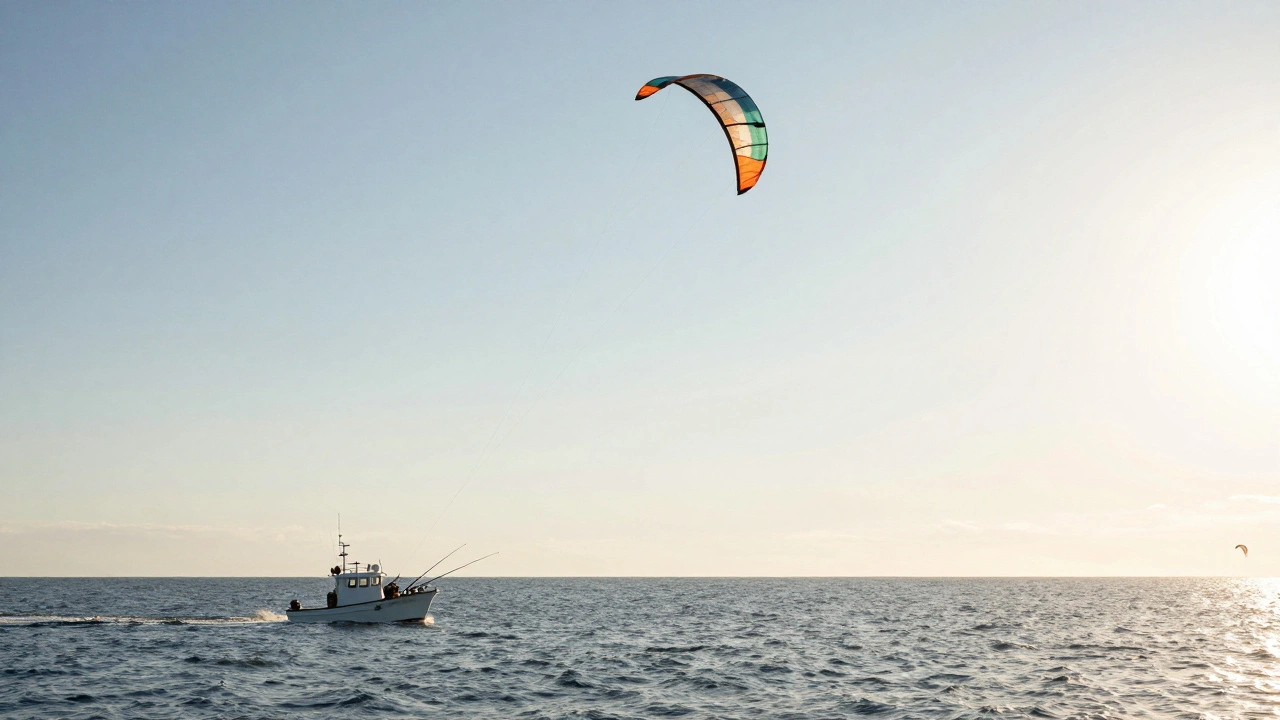
Even experienced anglers make mistakes when launching. Recognizing these pitfalls can save you time and frustration.
| Mistake | Consequence | Solution |
|---|---|---|
| Tangled Lines | Kite fails to lift or crashes | Always inspect and coil lines before launch. Use a line winder. |
| Launching Into the Wind | Kite stalls and falls backward | Always launch with the wind at your back. |
| Jerky Movements | Kite becomes unstable or loops | Use smooth, steady pulls on the control bar. |
| Ignoring Gusts | Kite surges dangerously high or low | Wait for steady wind periods. Adjust bar input to compensate for gusts. |
| Overloading | Kite cannot lift the rig | Ensure your kite size matches the wind speed and rig weight. |
Another frequent error is neglecting the bridle adjustment. Different wind conditions require different bridle settings. In stronger winds, you may need to adjust the bridle to flatten the kite's angle, reducing lift and preventing it from flying too high. In lighter winds, a steeper angle helps maximize lift. Experiment with these adjustments on calm days to find the sweet spot for your specific kite model.
Safety Protocols for On-Deck Launches
Kite fishing involves large pieces of fabric under significant tension. Safety cannot be overstated. Always wear eye protection. A snapped line can whip back with lethal force. Ensure everyone on board knows where the kite is and stays clear of the launch zone. Communicate clearly with your crew. Use standard hand signals or verbal commands to coordinate the launch.
Keep a sharp knife or line cutter within easy reach. In case of an emergency, such as a tangled line that threatens to capsize the boat or injure someone, you need to be able to cut the lines quickly. Also, be mindful of overhead obstacles like antennas, radar arches, or tree branches if launching near shore. A collision can destroy your kite and potentially damage your boat's equipment.
Finally, respect the environment. Dispose of any debris carefully. If your kite gets stuck in a tree or structure, retrieve it responsibly. Do not leave abandoned gear behind. Kite fishing is a sustainable practice when done correctly, contributing to the conservation of marine ecosystems by targeting specific species with minimal bycatch.
What wind speed is best for launching a fishing kite?
A steady wind speed of 12 to 18 mph is ideal for most fishing kites. Winds below 10 mph may not provide enough lift for the heavy rig, while gusts above 20 mph can make the kite difficult to control. Always assess the consistency of the wind before attempting a launch.
Can I launch a fishing kite alone?
Yes, but it is more challenging. A hand launch is feasible for solo anglers, especially with smaller kites. However, having an assistant to manage the lines and monitor safety is highly recommended, particularly for larger kites or in windy conditions.
How do I prevent my kite lines from tangling?
Always coil your lines neatly before storage and unroll them completely before launching. Use a line winder to keep them organized. Inspect for twists regularly. If you notice tangles, stop and resolve them before attempting to fly the kite.
What should I do if my kite stalls during launch?
If the kite stalls, gently lower it back to the deck or let it descend slowly. Do not pull hard on the lines, as this can cause damage. Reassess the wind conditions and your technique. Ensure the bridle is adjusted correctly for the current wind speed.
Is kite fishing safe for beginners?
Kite fishing can be safe for beginners if proper precautions are taken. Start with smaller kites in moderate winds. Learn the basics of handling and launching on land or with a practice kite first. Always wear eye protection and follow safety protocols on deck.