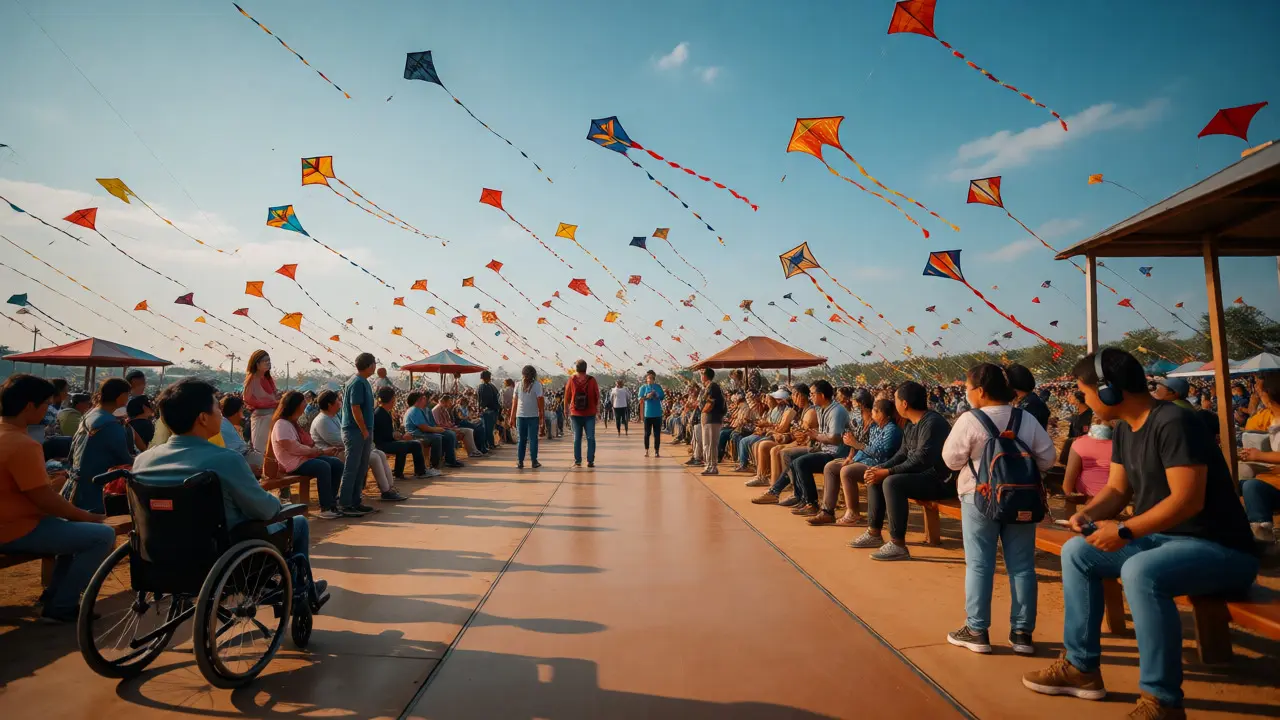
Imagine standing in a sea of people at the Chiang Mai International Kite Festival, watching kites dance against a blue sky. Now imagine you use a wheelchair, or you have low vision, or you’re on the autism spectrum and the noise is overwhelming. For many, this isn’t imagination-it’s reality. The beauty of kite flying is universal, but the experience often isn’t. If you’ve ever felt excluded from these vibrant celebrations because of poor planning or lack of awareness, you’re not alone. This guide breaks down exactly how modern festivals are tackling accessibility in outdoor events, what you should look for before you buy a ticket, and how organizers can do better.
Why Traditional Kite Festivals Often Fail Disabled Attendees
Kite festivals are inherently chaotic. They happen in open fields, parks, or beaches-spaces that aren’t designed for human traffic flow, let alone accessibility compliance. Unlike a theater with fixed seating, a kite festival is dynamic. People move unpredictably. Children run between legs. Wind gusts send tangled lines across paths. For someone with mobility issues, navigating soft sand or uneven grass can be impossible without specific infrastructure. For those with sensory sensitivities, the combination of wind, crowd noise, and bright colors can trigger anxiety or meltdowns.
The core problem isn’t usually malice; it’s logistics. Organizers focus on the spectacle-the biggest kite, the best stunt team-and forget the pathway to get there. They might provide a ramp for the stage but leave the viewing area inaccessible. They might offer sign language interpretation for announcements but ignore the fact that deaf attendees can’t hear the safety warnings shouted over the wind. Recognizing these gaps is the first step toward demanding change.
Essential Features of an Accessible Viewing Area
When you’re researching a festival, don’t just check the lineup. Check the map. An accessible viewing area isn’t just a flat patch of ground; it’s a carefully planned zone. Look for these non-negotiable features:
- Surface Stability: Grass gets muddy. Sand shifts. Concrete cracks. The best areas use compacted gravel, paved pathways, or temporary matting systems like Matrax. These mats distribute weight and prevent wheelchairs from sinking.
- Sightline Preservation: Being "accessible" means nothing if you’re behind a tall fence or a group of standing adults. Raised platforms or designated low-density zones ensure unobstructed views.
- Proximity to Amenities: How far is the accessible restroom? Is it within 100 feet? Can you reach water stations without crossing active flight lines?
- Shade and Shelter: Open fields mean no cover. Heat exhaustion hits disabled individuals harder, especially those with multiple sclerosis or certain medications. Look for shaded rest zones near viewing areas.
In Portland, where I live, we see this done well at smaller community events. Large international festivals sometimes lag behind. Always check recent reviews from disabled travelers, not just general tourist blogs. A five-star rating from an able-bodied person tells you little about the state of the ramps.
Inclusive Programs Beyond Watching: Participation Matters
Watching is great, but participating is empowering. Many festivals now offer adaptive kite flying programs. This isn’t just about handing a child a kite; it’s about modifying equipment and instruction for different abilities.
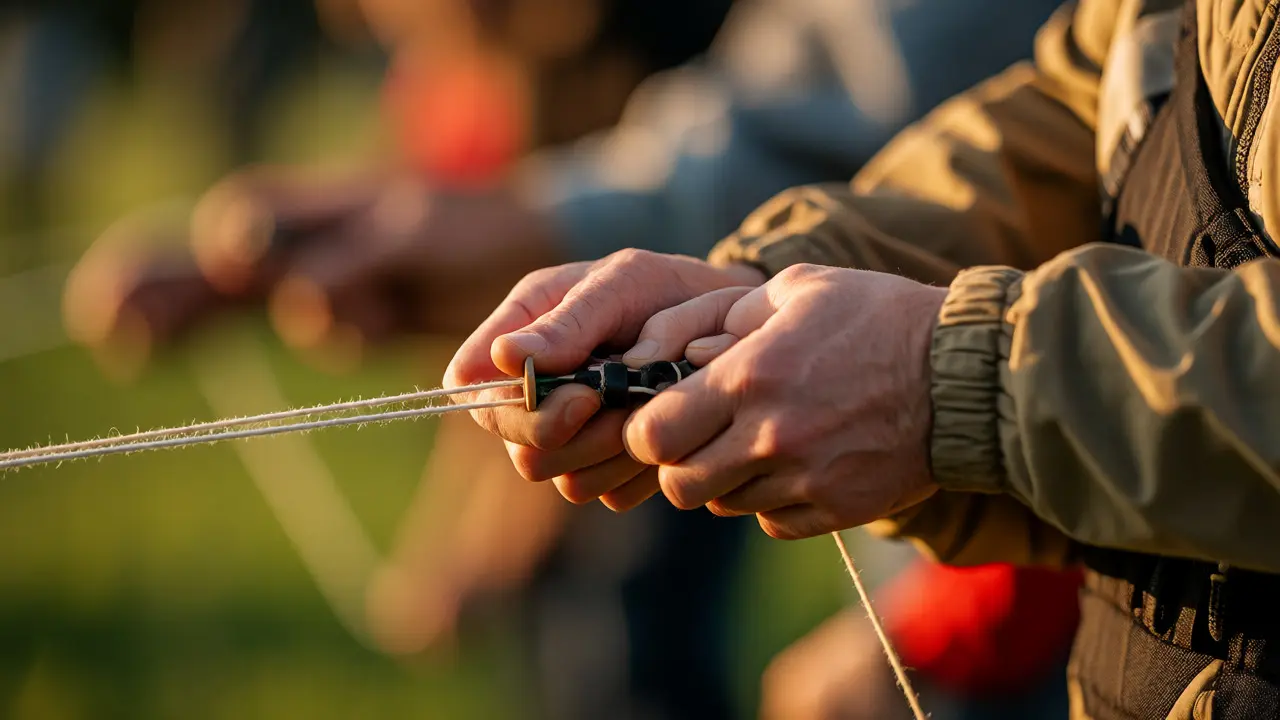
For example, single-line kites require minimal strength and coordination, making them ideal for participants with limited motor control. Some organizations use long-handled spools or even automated winches for those who cannot grip traditional handles. Visually impaired flyers often learn by feel, using textured lines or auditory cues from instructors. These programs shift the narrative from "spectator" to "pilot."
Look for workshops labeled as "all-abilities" or "universal design." These sessions typically have lower instructor-to-participant ratios. They also tend to avoid competitive pressure, focusing instead on the joy of lift. If a festival lists a "Kids’ Corner," ask if it accommodates neurodiverse children. Quiet hours or sensory-friendly zones during these workshops are a strong signal of genuine inclusion.
Navigating Sensory Challenges at Outdoor Events
Not all disabilities are visible. For autistic individuals or those with PTSD, a kite festival can be a sensory minefield. The wind whipping flags creates constant flapping sounds. Music blasts from stages. Crowds create unpredictable physical contact.
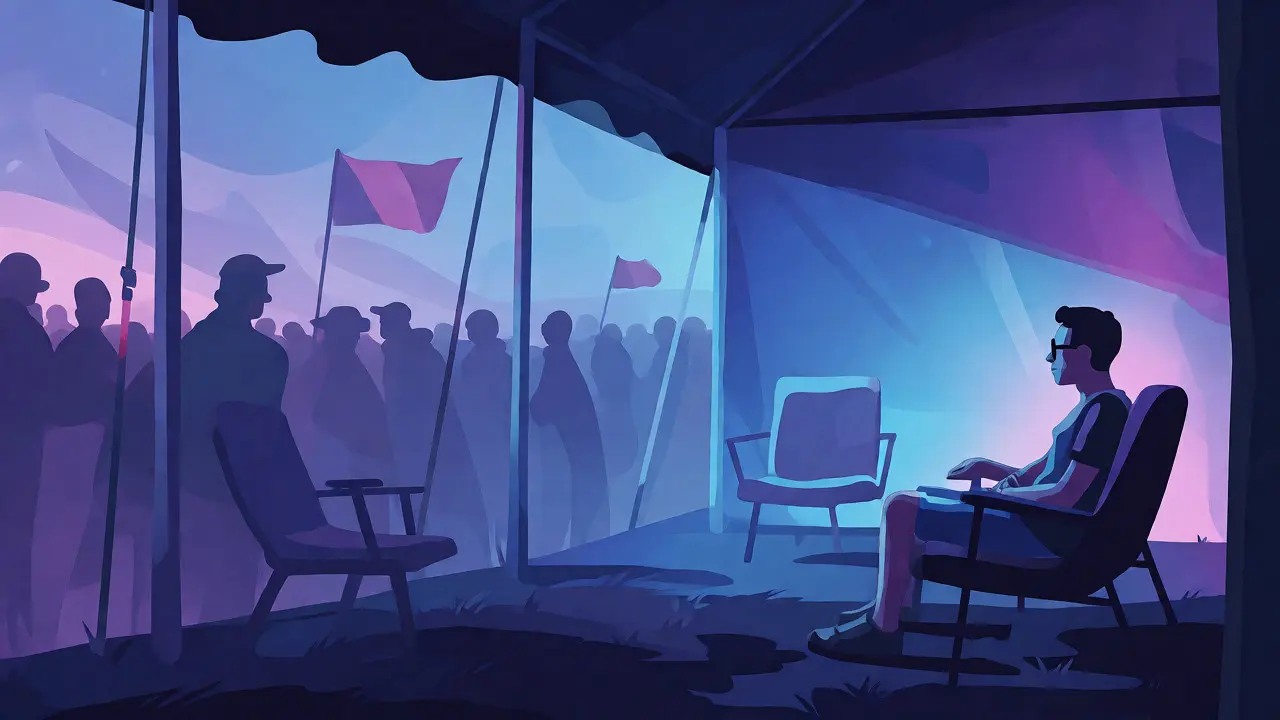
Progressive festivals are introducing sensory maps. These digital or printed guides highlight quiet zones, high-noise areas, and lighting conditions. Some events designate "quiet tents" where attendees can decompress. These spaces are low-light, sound-dampened, and staffed by volunteers trained in de-escalation rather than security guards in uniform.
If you plan to attend a large event like the Dieppe International Kite Festival in France, bring your own toolkit: noise-canceling headphones, sunglasses, and a clear exit strategy. Know where the nearest quiet zone is before you enter the main gate. Don’t wait until you’re overwhelmed to find it.
A Checklist for Festival Organizers and Advocates
If you’re part of a local organizing committee or advocating for better access, here’s a practical framework. You don’t need a massive budget to make significant improvements. Small changes yield big results.
| Category | Low-Cost Fix | High-Impact Investment |
|---|---|---|
| Mobility | Mark clear pathways with cones; train volunteers to keep lanes open. | Install permanent paved walkways; purchase modular ramp systems. |
| Vision/Hearing | Provide large-print schedules; use visual flags for announcements. | Hire ASL interpreters for main stage; install hearing loops. |
| Sensory | Create a designated quiet corner with chairs. | Build a dedicated sensory room with adjustable lighting and soundproofing. |
| Communication | Add alt-text to social media posts; use simple language on signs. | Develop a mobile app with audio descriptions and location-based alerts. |
Notice that communication is often the cheapest fix. Clear signage helps everyone, including parents with strollers and elderly visitors. When you communicate clearly, you reduce confusion, which reduces stress, which makes the event safer for everyone.
Real-World Examples: Who Gets It Right?
Let’s look at two contrasting approaches. The Weifang International Kite Festival in China draws millions. Its sheer scale can be daunting. However, recent iterations have introduced dedicated VIP viewing decks with elevator access and reserved seating for disabled guests. While not perfect, the intent is there.
On the other hand, smaller community festivals in the US, like those hosted by local parks departments, often excel in personal touch. They might not have elevators, but they have volunteers specifically assigned to assist wheelchair users navigate mud. They offer free entry for caregivers. They provide tactile models of kites for blind visitors. Scale doesn’t equal quality when it comes to inclusion.
In Europe, festivals in Germany and the Netherlands often lead due to stricter national building codes and cultural expectations around public space usage. If you’re traveling, research the host country’s disability laws. Knowing your rights helps you advocate effectively if things go wrong.
How to Prepare for Your Next Visit
Don’t leave your experience to chance. Take charge before you pack your bags.
- Contact Organizers Early: Email the accessibility coordinator three months out. Ask specific questions: "Are the pathways paved or grass?" "Is there a shuttle service from parking?" "Do you have a sensory map?"
- Check Weather Forecasts: Rain turns dirt fields into swamps. High winds make umbrellas dangerous. Adjust your gear accordingly. Waterproof covers for wheelchairs are essential.
- Plan Your Route: Identify drop-off points. Many festivals have separate entrances for ADA-compliant vehicles. Arriving early ensures you get a spot in the reserved viewing area.
- Bring Support Tools: Even if the festival provides amenities, bring your own portable seat cushion, hydration pack, and any necessary medical supplies. Security checks can delay access to vendor stalls.
Remember, asking questions isn’t complaining. It’s ensuring you can enjoy the show. Most organizers appreciate feedback because it helps them secure future funding and improve their reputation.
Frequently Asked Questions
Are kite festivals generally suitable for people with mobility impairments?
It varies widely. Large urban festivals often have paved areas, while beach or field events may struggle with terrain. Always check for "ADA compliant" or equivalent local standards in the event description. Look for mentions of matting systems or raised platforms, as these indicate proactive planning for mobility access.
Can visually impaired individuals participate in kite flying?
Yes, absolutely. Many festivals offer adaptive programs where instructors guide participants through touch and verbal cues. Single-line kites are particularly accessible. Organizations like the National Federation of the Blind often partner with local clubs to facilitate these experiences, focusing on the tactile sensation of line tension and wind resistance.
What should I do if a festival lacks proper accessibility features?
First, speak to the on-site information booth immediately; they may have hidden resources or volunteer assistance available. Afterward, provide constructive feedback via email or survey. Highlight specific barriers (e.g., "no ramp to the main stage") rather than general complaints. Positive reinforcement for good practices encourages organizers to maintain and expand inclusive services.
Are there discounts for disabled attendees and their companions?
Many festivals offer free or reduced admission for individuals with disabilities and one companion. This policy varies by region and organizer. Check the "Ticket Info" or "Accessibility" page on the festival website. If it’s not listed, call ahead. Documentation, such as a disability card or doctor’s note, is sometimes required, though policies are becoming more flexible.
How do weather conditions affect accessibility at outdoor kite events?
Weather significantly impacts accessibility. Rain can make grassy fields impassable for wheelchairs and walkers. Strong winds can make holding onto lightweight assistive devices difficult. Extreme heat poses risks for those with temperature regulation issues. Always monitor forecasts and inquire about indoor or covered alternatives if severe weather is predicted.