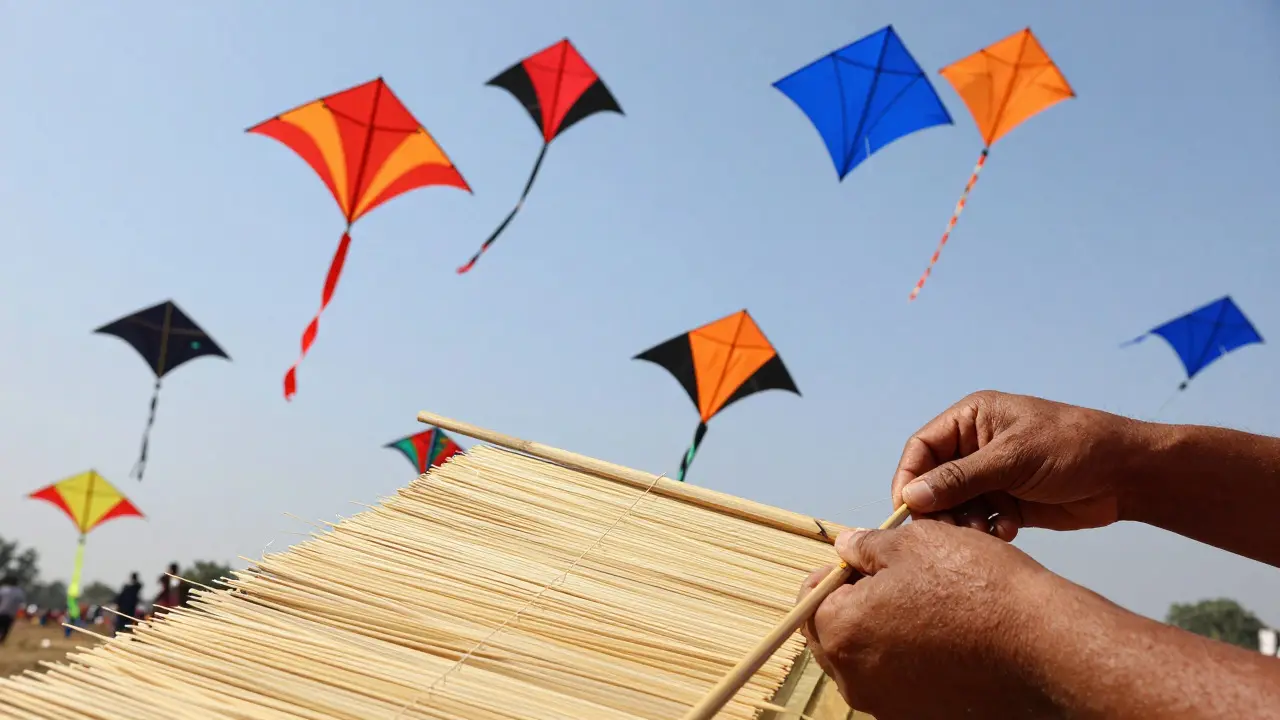
When you look up at a festival sky filled with dancing shapes, you are seeing the work of specific hands. Kite making is not just about stringing sticks together; it is a distinct artistic discipline where geometry meets wind physics. Each kitemaker brings a unique philosophy to the craft, whether they prioritize aerodynamic efficiency or pure visual spectacle. Understanding these artists helps you appreciate why some kites fly high while others stay grounded, and how tradition evolves into modern expression.
The Roots of Regional Mastery
You cannot talk about kite art without acknowledging the regions that defined its foundations. In China, the history stretches back over two millennia, often attributed to Mozi (Mozu) and later Lu Ban. These early designs were functional, used for signaling and military purposes, but they established the structural integrity that all modern kites rely on. The Chinese diamond shape, known as the diamond kite, remains the most stable form today because of its balanced center of gravity.
Across the ocean, India developed a more aggressive aesthetic. The Mangal Kite from Gujarat is famous for its sharp edges and competitive nature. Here, the kite is a weapon of leisure, designed to cut other kites out of the sky. This region produced masters who understood tension better than anyone else. They use paper so thin it feels like air, yet strong enough to withstand hours of aerial combat. Their style is characterized by bold, geometric patterns that catch the sun, turning the sky into a canvas of clashing colors.
Modern Innovators and Structural Breakthroughs
As materials science advanced, kitemakers moved beyond bamboo and paper. The introduction of mylar, ripstop nylon, and carbon fiber changed the game entirely. One notable figure in this transition is Ricky Loomis, a pioneer in large-scale stunt kites. His work focused on control lines and stability, allowing pilots to perform precise maneuvers rather than just letting the kite drift. Loomis’s signature style involves complex multi-line systems that give the pilot direct authority over the kite’s movement, transforming it from a passive object into an active instrument.
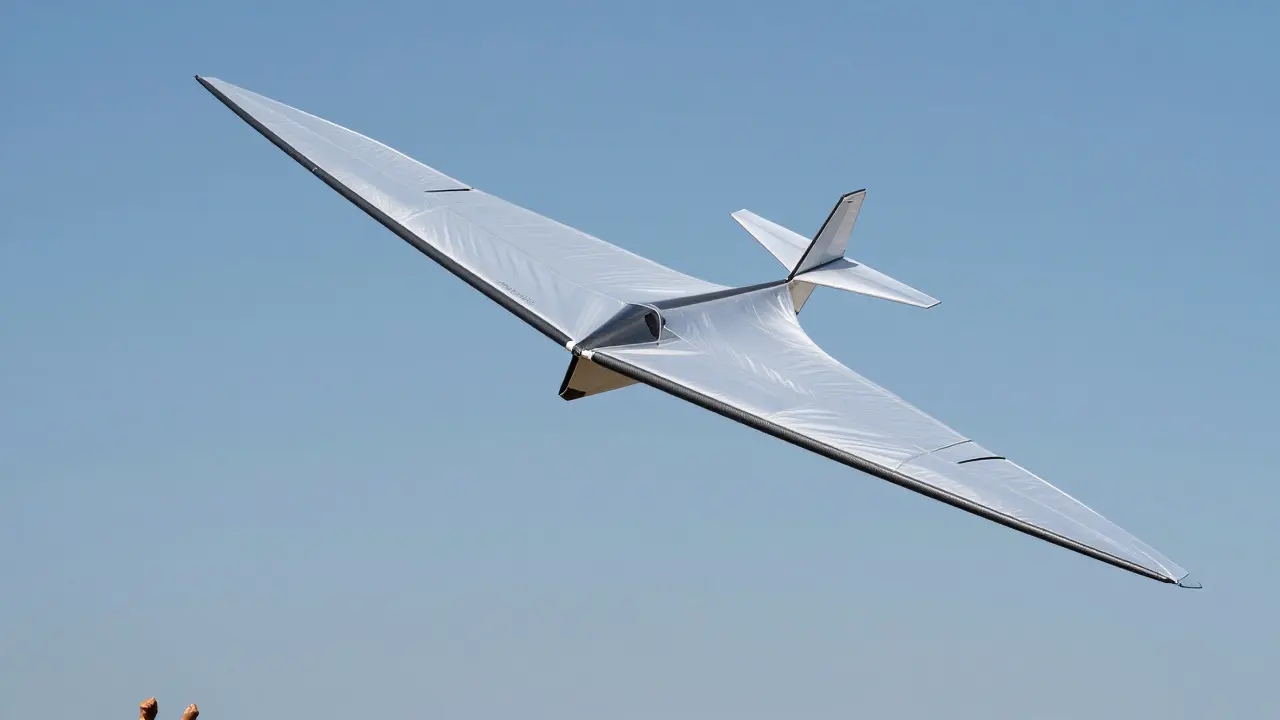
Another key player is Ken Johnson, who revolutionized the delta wing kite. By applying principles from aircraft design, he created kites with higher lift-to-drag ratios. His designs are sleek, often resembling fighter jets, and they excel in low-wind conditions. Johnson’s approach is engineering-first; the beauty comes from the function. If a curve doesn’t improve airflow, it gets removed. This minimalist aesthetic has influenced countless modern designers who value performance over ornamentation.
| Attribute | Traditional Regional Style | Modern Performance Style |
|---|---|---|
| Primary Materials | Bamboo, rice paper, silk | Carbon fiber, ripstop nylon, mylar |
| Design Focus | Cultural symbolism, stability | Aerodynamics, maneuverability |
| Pilot Interaction | Single line, passive flight | Multi-line, active control |
| Visual Complexity | Intricate hand-painted patterns | Minimalist shapes, printed graphics |
The Aesthetic Revolution: Color and Form
While engineers focus on flight, artists focus on form. Liz McNeil is a prominent name in the world of box kites. Her work challenges the idea that box kites are just rectangular boxes. She uses curved spars and asymmetric frames to create organic, almost biological shapes. Her signature style blends fluid motion with vibrant, gradient color schemes. When her kites fly, they don’t just sit in the air; they pulse and shift, mimicking the movement of underwater creatures. This approach appeals to viewers who see kite flying as a form of public sculpture.
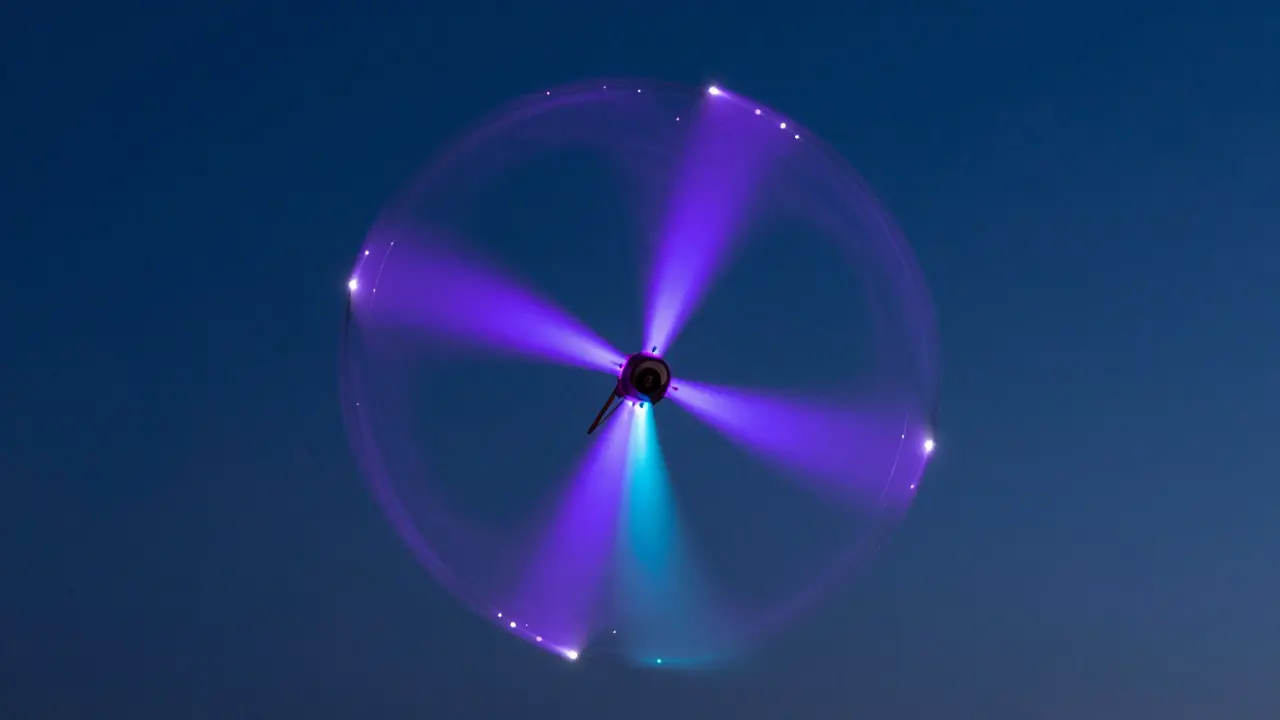
Then there is the school of rotor kites, popularized by makers like Tom Smith. Rotor kites spin around their own axis, creating a hypnotic effect. Smith’s designs often incorporate LED lights for night flying, adding a temporal dimension to the art. His style is futuristic, relying on symmetry and repetition. The viewer doesn’t just see a kite; they see a pattern emerging from chaos. This technique requires precise balancing, as even a gram of weight difference can cause the rotor to wobble instead of spin smoothly.
Material Choices and Their Impact on Style
Your choice of material dictates your artistic limits. Paper offers a matte finish that absorbs light, giving a soft, vintage look. It is fragile, which forces the maker to be gentle with the structure. Nylon, on the other hand, is glossy and durable. It reflects sunlight, making colors pop aggressively. This makes nylon ideal for competitive environments where visibility is key. However, nylon is heavier, so you must compensate with larger surface areas or stronger spars.
Carbon fiber has become the standard for high-end kites because it is lighter than aluminum but stiffer than bamboo. It allows for thinner spars, which reduces drag. This technical advantage enables designers to push boundaries in size and complexity. You can build a kite ten feet wide with spars only one millimeter thick. This precision is what separates hobbyists from professional artisans. The material isn’t just a component; it is a partner in the design process.
How to Identify a Masterpiece
So, how do you tell if a kite is well-made? Look at the joints. In a poorly constructed kite, the spars stick out unevenly or the bridle strings are knotted haphazardly. A master kitemaker hides the hardware. The lines are routed cleanly, and the tail is attached with a mechanism that allows for quick adjustment. Check the symmetry. Hold the kite horizontally; both sides should match perfectly. Any deviation will show up in the wind as a tilt or a spiral.
Also, observe the tail. The tail is not just decoration; it is a stabilizer. A long, heavy tail provides drag that keeps the nose pointed into the wind. If a kite lacks a tail, it must have exceptional inherent stability, usually achieved through careful frame bending. If you see a kite flying straight without a tail in gusty winds, you are looking at expert craftsmanship.
Preserving the Craft in a Digital Age
With drones and virtual reality gaining popularity, some worry that kite flying is fading. But the tactile nature of kite making ensures its survival. There is no app that replaces the feeling of tying a bridle knot or painting a face on a diamond kite. Workshops in cities like Portland and San Francisco report increased interest among adults seeking analog hobbies. The community aspect is crucial; kite festivals are social events where makers share techniques and trade stories. This oral tradition keeps the knowledge alive, passing down tips that never make it into manuals.
Frequently Asked Questions
What is the most difficult type of kite to make?
Rotor kites are generally considered the hardest. They require perfect balance and symmetry. If the center of mass is off by even a few millimeters, the kite will wobble or crash instead of spinning smoothly. This precision demands high-level mathematical understanding and meticulous construction skills.
Why do some kites have tails and others don't?
Tails provide aerodynamic stability by adding drag behind the center of pressure. Kites with very stable frames, such as certain delta wings or box kites, may not need tails because their shape naturally resists rotation. However, in gusty winds, even stable kites often benefit from a short tail to prevent sudden flips.
Which material is best for beginners?
Paper is the best starting point for learning basic structures because it is cheap and easy to cut. However, for actual flying, lightweight nylon or mylar is recommended because they are more durable against wind and rain. Bamboo spars are also easier to bend and shape than carbon fiber for novice makers.
How does wind speed affect kite design?
Low-wind kites have larger surface areas and lighter frames to capture less force. High-wind kites are smaller, denser, and often have slots or vents to reduce lift. Choosing the wrong design for the weather is the most common mistake new flyers make, leading to crashes or inability to launch.
Can you repair a torn kite sail?
Yes, most tears can be repaired with iron-on patches or specialized fabric glue. For paper kites, you can apply a thin layer of tissue paper and glue over the tear. It is important to keep repairs minimal to avoid adding unnecessary weight, which can alter the kite's flight characteristics.