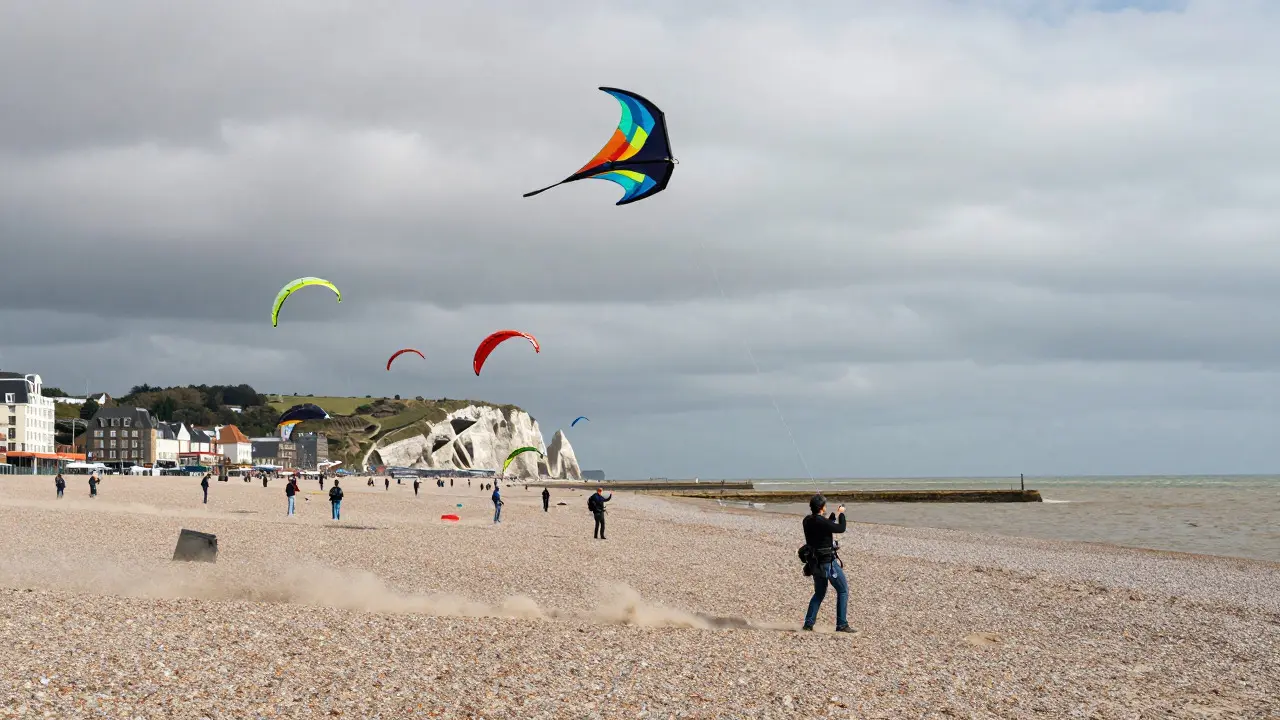
Walk along the shingle beaches of Dieppe is a historic port city in Normandy, France, known for its strong Atlantic winds and deep maritime heritage. on a Tuesday afternoon, and you will likely see more than just surfers. You will see kites. Not the small, toy-like ones children fly in parks, but large, colorful structures that dance against the gray sky. This isn't just a hobby; it is a cultural marker. For decades, the coastline around Dieppe has been one of the most significant hubs for kite flying is the recreational activity of launching tethered aircraft into the wind, ranging from traditional paper designs to modern high-performance sport kites. in France. The specific blend of history, geography, and community here creates a unique atmosphere that distinguishes Normandy from other European coastlines.
The story begins not with plastic and nylon, but with wood and silk. The tradition of kite flying in this region dates back centuries, intertwined with the lives of sailors and fishermen. Before radio communication, kites were used to signal ships and test wind conditions. In Dieppe, where the English Channel is a body of water separating southern England from northern France, characterized by unpredictable weather and strong tidal currents. meets the land, the wind is a constant companion. It is often harsh, but for a kite flyer, it is fuel. The local terrain, featuring cliffs and open beaches without tall buildings to disrupt airflow, creates what meteorologists call "clean air." This consistency allows for longer flight times and more stable control, making it an ideal training ground for both beginners and competitive athletes.
The Wind Profile of Normandy Coast
To understand why Dieppe attracts so many enthusiasts, you have to look at the data. The average annual wind speed along this stretch of the coast hovers between 15 and 20 kilometers per hour. However, the quality of the wind matters more than the speed. Unlike inland areas where thermal turbulence causes sudden gusts and lulls, the marine layer over the English Channel provides a steady, laminar flow. This is crucial for power kiting is a water-based sport involving the use of a kite to propel a rider across the surface of the water, similar to windsurfing or kitesurfing., which has exploded in popularity since the early 2000s. Riders need predictable lift to perform jumps and turns. In Dieppe, the prevailing westerly winds blow directly onto the beach, offering a safe upwind direction for takeoff and landing. During the winter months, storm fronts can push speeds above 30 km/h, providing the high-energy sessions that advanced riders seek. Summer offers lighter, more consistent breezes perfect for learning and leisurely flights.
The geography also plays a defensive role. The cliffs behind the main beaches act as a natural barrier against onshore gusts from the continent. This means that when the wind dies down, it does so gradually rather than abruptly. For a pilot controlling a large delta wing or a twin-lead power kite, this gradual transition is a safety feature. Sudden wind drops can cause kites to stall or dive, leading to crashes. The Normandy coast minimizes this risk, allowing flyers to focus on technique rather than survival. This reliability has built a reputation for the area among international kite communities, who specifically plan trips to Dieppe during peak wind seasons.
From Fishing Nets to Sport Kites
The evolution of kite culture in Dieppe mirrors the broader shift in global recreation. In the mid-20th century, kites were primarily associated with military signaling and scientific research. Local schools would build simple diamond-shaped kites for physics experiments. But the real turning point came in the 1980s with the introduction of the dual-line steering system. This innovation allowed pilots to steer their kites left and right, opening the door to aerobatic maneuvers. Suddenly, kites weren't just objects being pushed by the wind; they were vehicles controlled by human input. Dieppe quickly adopted this new technology. Local clubs formed, organizing regular meetups on weekends. These gatherings started small, with a handful of enthusiasts sharing tips on line handling and launch techniques. Over time, they grew into structured events with competitions, workshops, and social components.
Today, the scene is diverse. You will see traditionalists flying classic Chinese-style kites made of bamboo and rice paper, preserving a craft that requires patience and precision. Alongside them are the modern athletes in wetsuits, dragging boards across the wet sand or riding waves in the shallow water near the breakwater. There is also a growing community of aerial photography is the practice of taking photographs from elevated platforms such as balloons, helicopters, or drones, often used for landscape and architectural imaging. enthusiasts who attach cameras to kites to capture unique perspectives of the coastline. This mix of old and new creates a vibrant ecosystem. Beginners learn from veterans who remember when lines were made of heavy rope. Innovators test new materials and designs, knowing that the forgiving wind conditions of Dieppe allow for experimentation without catastrophic failure. The legacy is not just about the equipment; it is about the transfer of knowledge across generations.
Community Events and Social Fabric
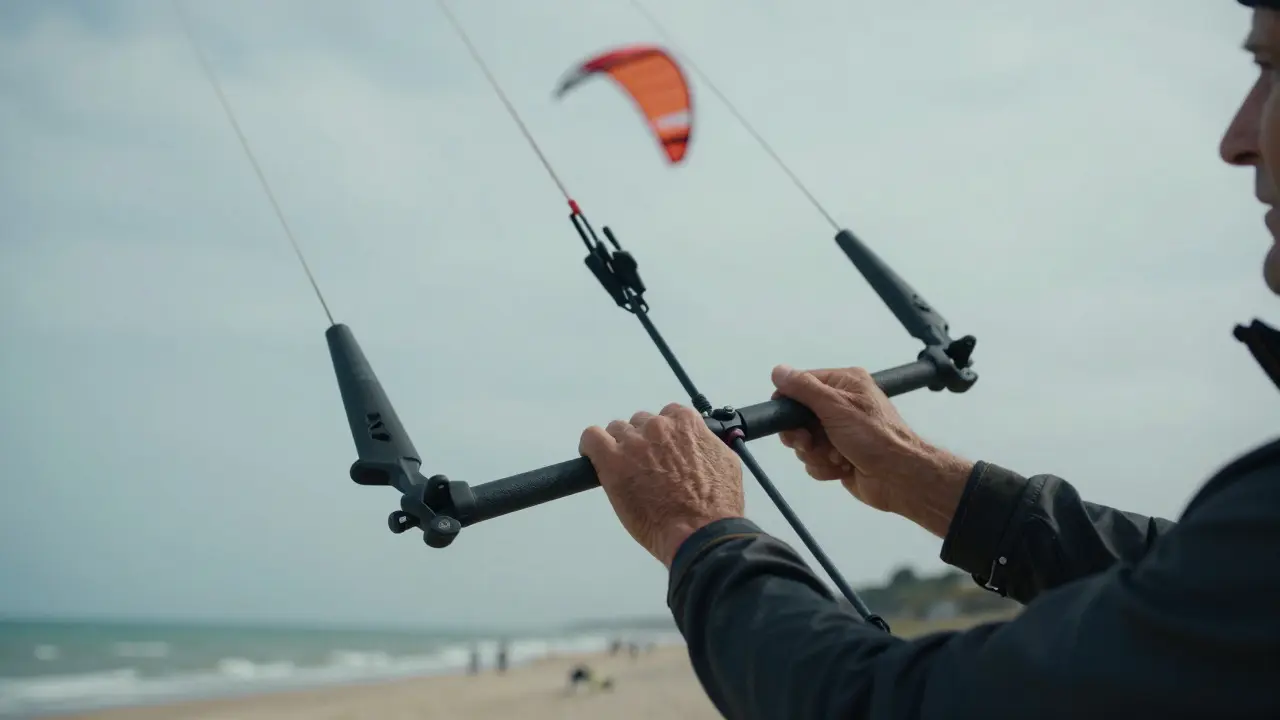
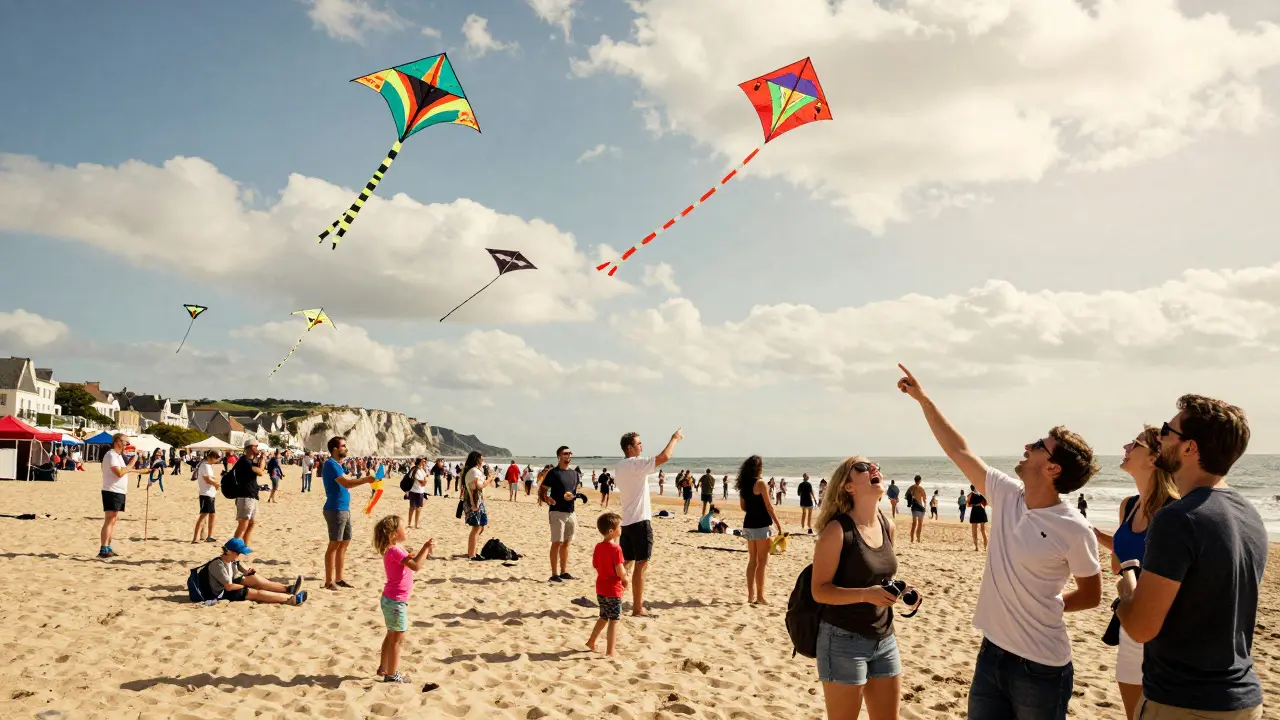
Kite flying in Dieppe is rarely a solitary activity. It is deeply embedded in the local social fabric. Every summer, the town hosts various festivals that draw participants from across France and even neighboring countries like Belgium and the Netherlands. These events transform the beach into a colorful spectacle. Large banners and themed kites fill the sky, creating a visual display that attracts tourists and locals alike. The atmosphere is festive, with music playing from nearby cafes and families gathering to watch the aerial acrobatics. Children are often given the chance to try flying smaller kites, planting seeds for future generations of enthusiasts.
Beyond the major festivals, there is a strong sense of camaraderie among regular flyers. The "kite park" area near the port becomes a hub for informal exchanges. Pilots share information about wind forecasts, which can change rapidly due to the maritime influence. They discuss gear modifications, troubleshooting line tangles, and the best times of day to fly. This knowledge sharing is informal but highly effective. Newcomers are welcomed with advice rather than judgment. If your kite crashes into the dunes, someone is likely to offer help retrieving it. This supportive environment lowers the barrier to entry, encouraging more people to join the community. It turns a physical activity into a social ritual, reinforcing bonds between residents and visitors.
Challenges and Environmental Considerations
Despite the positive aspects, kite flying in Normandy faces challenges. The primary issue is space management. As tourism grows, the beaches become crowded. Sharing limited space with sunbathers, swimmers, and other sports users requires etiquette and awareness. Flyers must be mindful of their surroundings, ensuring that lines do not cross paths with pedestrians or that kites do not drop debris on beachgoers. Local authorities have established designated zones for certain activities, but enforcement relies largely on community self-policing. Disputes can arise, particularly during peak season when every meter of beach is occupied.
Environmental concerns also play a role. Kites, especially those with tangled lines, can pose a threat to seabirds and marine life if they crash into the water or get caught in coastal vegetation. Responsible disposal of biodegradable materials and careful retrieval of lost lines are part of the unwritten code of conduct. Additionally, the construction of new coastal infrastructure can alter wind patterns. Breakwaters and sea walls, while protecting the shore, can create turbulence that makes flying more difficult in certain areas. Flyers adapt by scouting different spots along the coastline, finding pockets of clean air that remain unaffected by these structures. This adaptability is a key skill for anyone serious about the sport in this region.
Practical Tips for Visiting Flyer
If you are planning to visit Dieppe to experience this tradition firsthand, preparation is key. First, check the wind forecast. Reliable sources provide hourly updates on speed and direction. Aim for days with steady winds between 15 and 25 km/h for the best balance of control and lift. Avoid days with strong crosswinds, which can make landing difficult. Second, respect the local customs. Arrive early to claim a spot, but be prepared to move if a group arrives earlier. Keep your lines organized and avoid letting them drag on the sand, which can wear out the material. Third, consider joining a local club. Many groups welcome visitors for a day, providing guidance and sometimes even loaner equipment for beginners. This immersion offers a deeper understanding of the culture beyond just the technical aspects.
Finally, bring appropriate clothing. The wind chill factor is real, even in summer. A windbreaker and layers are essential. Hydration is also important, as the combination of salt air and physical exertion can dehydrate you quickly. By respecting the environment, engaging with the community, and preparing for the conditions, you will find that kite flying in Dieppe is more than just a pastime. It is a connection to a place where the wind tells a story, and the kites are the words.
| Kite Type | Primary Use | Wind Range (km/h) | Skill Level |
|---|---|---|---|
| Traditional Diamond | Leisure, Education | 10 - 20 | Beginner |
| Dual-Line Delta | Aerobatics, Show Flying | 15 - 30 | Intermediate |
| Power Kite (Twin-Lead) | Water Riding, Snow Kiting | 15 - 35 | Advanced |
| Cable Kite | Freestyle Tricks, Speed Records | 20 - 40 | Expert |
Frequently Asked Questions
What is the best time of year to fly kites in Dieppe?
The best times are late spring through early autumn (May to September) for consistent moderate winds. Winter months (November to February) offer stronger winds suitable for experienced power kiting, but require warmer clothing due to the cold temperatures.
Do I need a license to fly a kite in France?
No, there is no specific license required for recreational kite flying in public spaces like beaches. However, you must follow local regulations regarding noise, lighting, and airspace restrictions if flying near airports or during certain events.
Are there local clubs in Dieppe for beginners?
Yes, several local associations organize regular meetups and introductory sessions. They often provide basic instruction and may have loaner kites available for first-time flyers. Checking local community boards or visiting the town hall tourist office can provide current contact details.
What should I avoid doing when flying kites on Normandy beaches?
Avoid flying too close to lifeguard stations or busy swimming areas. Do not let your lines drag on the sand for extended periods, as this weakens them. Be cautious of overhead power lines, although they are rare on open beaches, and always keep an eye on your kite to prevent it from drifting into restricted zones.
How does the wind in Dieppe compare to other European kite spots?
Dieppe offers a balanced profile with steady, clean winds due to its exposure to the English Channel. Compared to Mediterranean spots, it is cooler and windier. Compared to Northern German coasts, it is less prone to extreme storm conditions but offers more consistent daily breeze. It is considered a top-tier location for all-around kite flying in Western Europe.