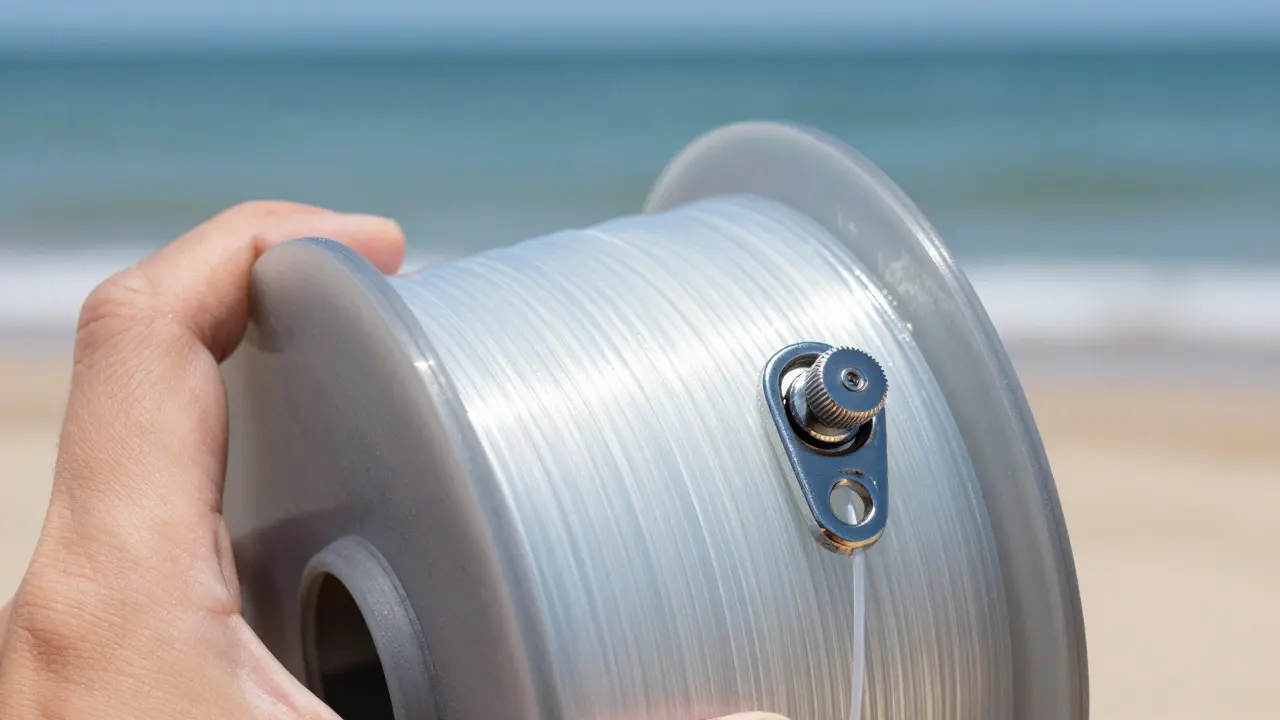
Standing on the beach with your kite out, you feel that first tug. It’s heavy. Is it a shark? A big redfish? Or just a piece of plastic? The difference often comes down to two things: how strong your kite fishing line is and how tight your release clip is set. Get these wrong, and you either lose a trophy fish or snap your rig in half. Getting them right means you stay in control without overthinking every pull.
Kite fishing isn't just about casting far; it's about managing tension. Your line has to be strong enough to hold the fish but light enough to let the kite fly efficiently. Your release clip needs to open at the exact moment the fish runs hard, preventing a full-on battle while the kite is still up. Here is how to dial in both settings for your specific conditions.
Understanding Line Strength Requirements
The most common mistake anglers make is using line that is too heavy for the target species. If you are targeting small baitfish like mullet or sardines, you don't need industrial-strength monofilament. You need sensitivity and low profile. However, if you are going after sharks or large jacks, thin line will cut through the water resistance and fail under pressure.
Monofilament line is the standard choice for kite fishing due to its stretch, which absorbs shock loads from jumping fish. For most recreational kite fishing, a test range of 30 to 50 pounds is the sweet spot. This provides enough breaking strength for medium-sized predators while remaining manageable for hand-pulling if the fish gets close. Braided line is an alternative, offering higher strength-to-diameter ratios, but it lacks stretch. If you use braid, you must pair it with a leader to prevent abrasion on sharp teeth.
Consider the wind conditions when choosing line diameter. Thinner lines create less drag, allowing the kite to catch smaller gusts. In light winds (under 10 mph), a 20-30 lb test line might be necessary to keep the kite aloft. In strong winds (over 15 mph), you can move up to 40-60 lb test because the wind power is sufficient to lift heavier setups.
Dialing In Your Release Clip Settings
The release clip is the safety valve of your kite fishing setup. Its job is simple: hold the fish until it runs hard, then let go so the kite doesn't get dragged into the water. But setting it correctly is tricky. Too loose, and the fish escapes before you hook it properly. Too tight, and you fight a fish with a kite attached, leading to tangles and broken lines.
Most modern release clips allow for adjustable tension via a screw mechanism or a spring-loaded lever. The goal is to find the "break point" where the clip opens under a specific amount of force. A good rule of thumb is to set the clip to open at roughly 70% of your line's breaking strength. If you are using 40 lb test line, aim for a release tension around 28-30 lbs. This ensures the clip fails before the line does, saving your rig.
Test your clip before you hit the water. Pull on the line with a scale or simply estimate by feeling the resistance. You want a distinct "snap" or release action, not a gradual slipping. If the clip slips gradually, it generates heat and friction, which can weaken the line connection. A clean, mechanical release is safer for both the gear and the fish.
Matching Gear to Target Species
Your line strength and clip settings should always align with what you are trying to catch. Different fish behave differently, and their size dictates your hardware choices. Here is a breakdown of typical setups for common kite fishing targets.
| Target Species | Line Test Weight | Release Clip Tension | Key Consideration |
|---|---|---|---|
| Mullet / Sardines | 20-30 lb | 15-20 lb | Sensitivity for light bites |
| Redfish / Snook | 30-40 lb | 25-30 lb | Balanced strength for moderate runs |
| Jack Crevalle | 40-50 lb | 30-35 lb | High impact runs require firm grip |
| Sharks (Small) | 50-80 lb | 40-50 lb | Abrasion resistance is critical |
Notice the trend: as the fish gets bigger and stronger, both the line and the clip tension increase proportionally. But they don't always increase at the same rate. For aggressive runners like Jack Crevalle, you might want a tighter clip than the table suggests to ensure the hook sets firmly before the fish bolts. For cautious eaters like Redfish, a looser clip allows more natural movement, encouraging a deeper strike.
Adjusting for Wind Conditions
Wind is the engine of kite fishing. If you ignore wind speed, your line strength becomes irrelevant because the kite won't perform correctly. Light winds demand lighter lines to reduce drag. Strong winds allow for heavier lines but also increase the risk of sudden gusts that can spike tension unexpectedly.
In variable wind conditions, such as those found along the Oregon coast, you need a flexible setup. Start with a mid-range line (40 lb) and adjust your clip tension dynamically. If the wind picks up, tighten the clip slightly to account for increased aerodynamic forces on the kite. If the wind dies down, loosen the clip to prevent accidental releases from minor turbulence. Keep a note of the wind speed in your head or on a wristwatch timer. At 10 mph, your baseline settings apply. At 20 mph, add 10-15% to your clip tension.
Common Mistakes and How to Avoid Them
Even experienced kite anglers make errors that cost them fish or gear. The most frequent issue is neglecting the knot. A weak knot can fail at 50% of the line's rated strength, rendering your careful calculations useless. Always use a reliable knot like the Improved Clinch or Palomar, and inspect it regularly for fraying.
Another pitfall is ignoring the leader. If you are targeting toothy fish like sharks or jacks, your main line will abrade against their teeth. Use a 20-30 inch fluorocarbon leader with a test weight equal to or greater than your main line. This protects your expensive braided or monofilament line from being chewed through during the initial fight.
Finally, don't forget to lubricate your release clip. Saltwater corrodes moving parts quickly. A dry clip sticks, causing erratic releases or failure to release at all. Apply a silicone-based lubricant monthly to keep the mechanism smooth. This small maintenance step saves hours of frustration on the beach.
Testing Your Setup Before Launch
Never trust a new setup without testing it. Before you launch your kite, simulate a fish run. Hold the kite steady and pull on the line with consistent force until the clip releases. Listen for the sound. It should be a sharp click, not a grind. Feel the tension drop immediately. If the transition is slow, adjust the clip screw. Repeat this process until you have a consistent, predictable release pattern. This takes five minutes but prevents lost opportunities later.
Also, check your line spool. Ensure the line feeds smoothly off the reel or spool. Tangled line creates friction spikes that can break your line even if the clip is set correctly. Keep your spool organized and free of kinks. A smooth feed is just as important as the line's strength.
What is the best line material for kite fishing?
Monofilament is generally preferred for its stretch and ease of handling. It absorbs shock better than braid, which is crucial when fighting fish with a kite attached. However, braid is superior for long-distance casts and high-strength needs, provided you use a leader.
How do I know if my release clip is set too tight?
If the clip doesn't release when you expect it to during a test pull, it is too tight. You should feel a clear, immediate drop in tension. If you have to yank hard to make it release, lower the tension setting by one notch and retest.
Can I use the same line for all types of fish?
Technically yes, but it is inefficient. Using 80 lb line for small baitfish makes it difficult to detect light bites and increases drag. Matching line strength to the target species improves sensitivity and reduces the risk of snapping your own rig.
How often should I replace my kite fishing line?
Replace your line seasonally or if you notice any nicks, frays, or color fading. UV exposure degrades line strength over time. Even if it looks fine, old line loses elasticity and strength, making it unreliable for larger fish.
Does wind direction affect line strength choice?
Indirectly, yes. Headwinds require more power to keep the kite aloft, potentially necessitating a slightly heavier line to maintain stability. Tailwinds allow for lighter setups. Adjust based on the prevailing wind direction relative to your position on the beach.