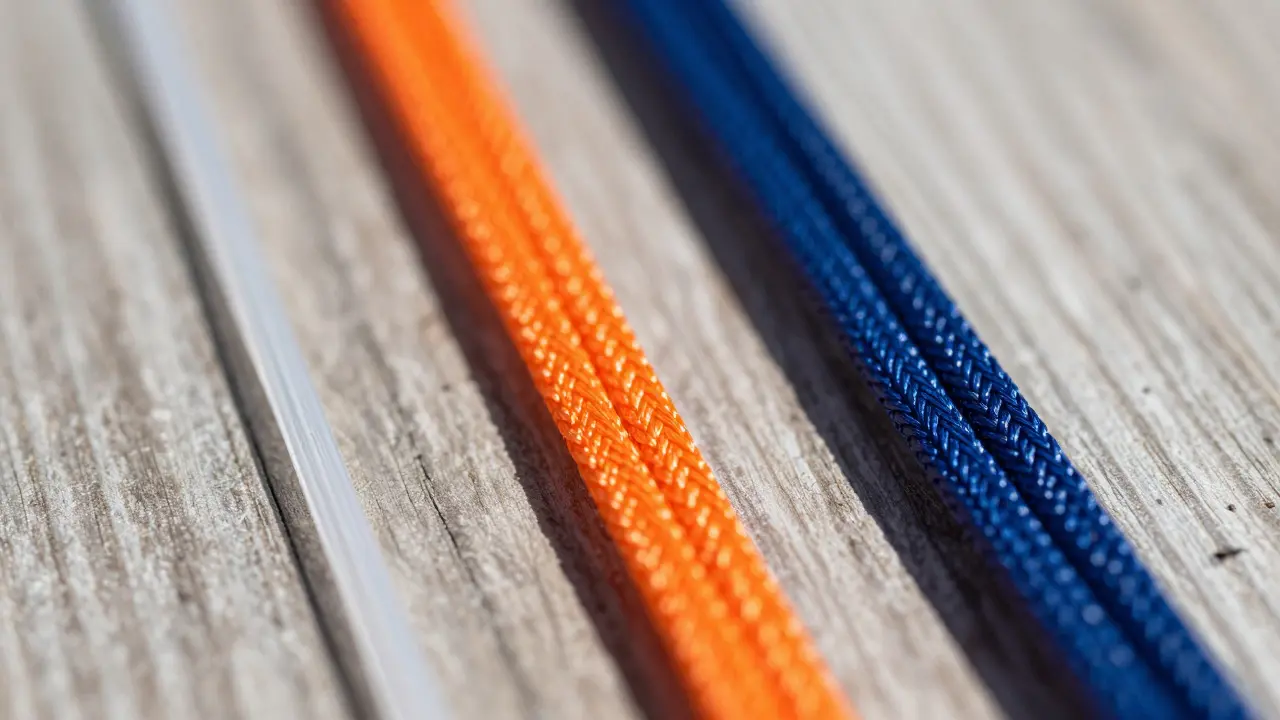
Ever lost a kite because you couldn't see the line in bright sunlight? Or felt your arms ache after an hour of fighting drag from a thick cord? Choosing the right kite line isn't just about picking a color; it's a balancing act between physics, safety, and personal preference. The two biggest factors are diameter and visibility. One affects how much wind resistance you fight, while the other determines if you can actually spot the line when it matters most.
For most recreational flyers, this decision feels trivial until you're out on the beach with a 30-meter line that disappears into the horizon. Understanding these trade-offs helps you match your gear to your flying style, whether you're a casual weekend flyer or a competitive stunt pilot.
The Physics of Line Diameter
Diameter is the single most important mechanical attribute of a kite line. It directly impacts three things: drag, weight, and strength. Thicker lines have more surface area, which means they catch more air. This creates drag, which slows down the kite and reduces its lift efficiency. For high-performance kites like speed kites or power kites, even a small increase in diameter can significantly reduce top speed.
However, thicker lines also offer higher tensile strength. If you fly large dual-line kites or power kites that generate significant pull, a thin line might snap under stress. A standard 1.5mm line typically holds around 60-80 pounds of tension, while a 2.0mm line can handle over 100 pounds. For casual box kites or delta kites, the lighter 1.0mm to 1.5mm range is usually sufficient and provides a smoother, more responsive feel.
| Diameter (mm) | Typical Use Case | Approx. Tensile Strength (lbs) | Drag Impact |
|---|---|---|---|
| 1.0 - 1.2 | Small stunt kites, indoor kites | 40 - 60 | Very Low |
| 1.5 | Standard dual-line, beginner power kites | 70 - 90 | Moderate |
| 2.0 | Large power kites, heavy duty | 100 - 130 | High |
Weight is another factor often overlooked. A 100-meter spool of 2.0mm line weighs noticeably more than a 1.5mm spool. Over long distances, this extra weight adds to the load on your hands and can make steering feel sluggish. For precision flyers who need quick reflexes, lighter lines provide a more direct connection to the kite.
Visibility: Safety vs. Aesthetics
While diameter dictates performance, visibility dictates safety. A line you cannot see is a hazard to yourself and others. In bright conditions, white or light-colored lines can vanish against the sky. Darker colors like black, blue, or green are easier to spot but may absorb heat in summer sun, potentially affecting line elasticity over time.
Many modern lines use multi-strand construction with colored cores. This allows manufacturers to create lines that are strong yet visible. For example, a line with a yellow core wrapped in clear nylon offers high visibility without adding bulk. If you fly near people, such as at parks or beaches, high-visibility lines are non-negotiable. They help prevent tangles and ensure bystanders can spot the line before walking into it.
Some flyers prefer natural tan or beige lines for aesthetic reasons, thinking they blend better with the environment. However, unless you are flying in low-light conditions or using specific lighting setups, these lines are harder to track during rapid maneuvers. Safety should always trump aesthetics when choosing line color.
Material Matters: Nylon vs. Spectra
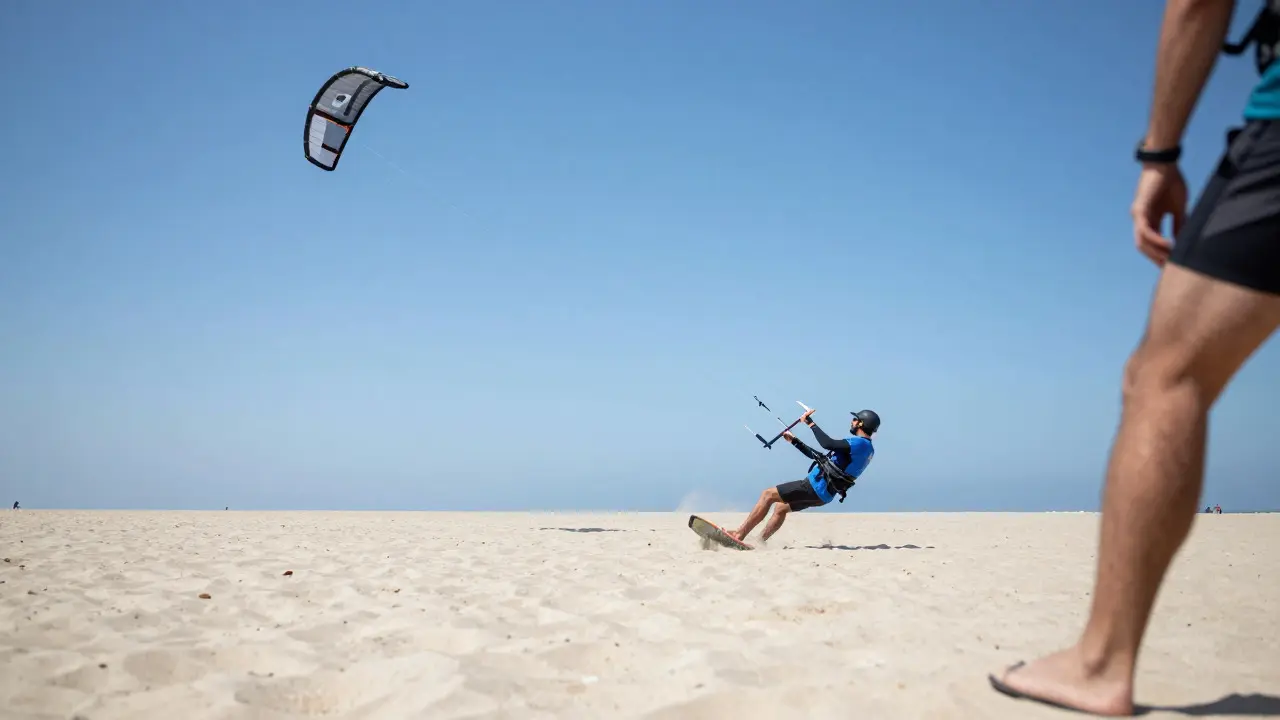
The material of the line changes how diameter and visibility interact. Traditional kite lines are made from nylon. Nylon is stretchy, which absorbs shock loads but can lead to less precise control. It is also opaque, making it easier to see. Newer high-performance lines use Spectra (polyethylene) fibers. Spectra lines are thinner for the same strength, meaning you get lower drag and higher tensile capacity in a smaller package.
Spectra lines are often translucent or semi-transparent. This makes them harder to see than nylon, especially in bright light. To compensate, many Spectra lines come in bright colors or have reflective threads woven in. If you switch to Spectra for performance gains, you must prioritize color choice to maintain visibility. A thin Spectra line in black is safer than a thick nylon line in white, simply because you can actually see it.
Matching Lines to Your Flying Style
Your flying style dictates the optimal balance between diameter and visibility. Here is how different types of flyers should approach their choice:
- Casual Park Flyers: Prioritize visibility. Choose a 1.5mm nylon line in a bright color like orange or yellow. You don't need extreme strength, but you need to avoid tripping friends or family members.
- Stunt and Speed Flyers: Prioritize low drag. Opt for a 1.2mm to 1.5mm Spectra line. Ensure the color is dark or highly saturated so you can track the line during fast turns. Precision is key here.
- Power Kite Riders: Prioritize strength and durability. A 2.0mm line is standard. Since these kites generate high forces, use a line with a visible core. Many riders use braided lines that are both strong and easy to grip if they slip off the bar.
- Long-Distance Gliders: Balance weight and visibility. Use a lightweight 1.5mm line. Because the line is long, even slight drag accumulates. A mid-tone color works well here, as you are looking at the line against the ground or water rather than the sky.
Consider the environment too. If you fly in urban areas with lots of trees and wires, a highly visible line helps you spot obstacles early. In open fields, visibility is less critical for obstacle avoidance but still important for tracking the kite's position relative to your body.
Common Mistakes to Avoid
Many new flyers make errors that compromise safety or performance. One common mistake is using a line that is too thick for the kite size. This adds unnecessary drag and makes the kite feel heavy. Another is ignoring UV degradation. Both nylon and Spectra degrade over time when exposed to sunlight. Check your lines regularly for fraying or discoloration. A line that looks fine but has lost 20% of its strength due to UV damage is a liability.
Also, avoid mixing materials on the same spool. Splicing nylon to Spectra can be tricky and may create weak points. Stick to one material type per spool for consistency. Finally, don't forget to store your lines properly. Coiling them tightly in wet conditions can cause memory set, making them harder to manage next time. Dry them out completely before storing.
Frequently Asked Questions
What is the best diameter for a beginner kite?
A 1.5mm diameter is ideal for beginners. It offers a good balance of strength and low drag. It is strong enough for most standard kites but light enough to not fatigue your arms during long sessions.
Are Spectra lines worth the extra cost?
Yes, for performance flyers. Spectra lines offer higher tensile strength at a lower diameter than nylon. This means less drag and more power transfer. If you fly speed kites or power kites, the performance gain justifies the cost.
How do I choose a visible line color?
Choose colors that contrast with your typical flying background. If you fly against a blue sky, avoid blue lines. Orange, yellow, and black are generally the most visible across various environments. Test the line in daylight before committing to a full spool.
Does line thickness affect kite turning speed?
Indirectly, yes. Thicker lines create more drag, which requires more force to turn the kite. This can slow down response times. For agile kites, a thinner line allows for quicker, sharper turns with less effort from the pilot.
How often should I replace my kite lines?
Inspect your lines every season. Replace them if you see fraying, stiffness, or significant color fading. UV exposure degrades line strength over time. Even if the line looks okay, replacing it annually for frequent flyers is a good safety habit.