Ever felt like your kite was fighting you? Maybe it pulled too hard when the wind picked up, or maybe it felt dead and unresponsive when you needed power. The culprit is often one thing: your kite line length. It’s not just about how far you can fly; it dictates how fast the kite moves, how much power you get, and how safe you are in changing conditions. Getting this wrong can turn a fun session into a chaotic struggle.
Choosing between short, standard, and long lines isn't a one-size-fits-all decision. It depends on your skill level, the wind speed, and what you’re trying to do-whether that’s carving waves, freeriding, or just learning the basics. Here’s how to figure out which length works best for your next session.
Why Line Length Changes Everything
Think of your kite lines as the connection between your body and the air. When you change the length, you change the geometry of the system. A shorter line means the kite travels a smaller arc across the sky. This makes it feel faster and more responsive because it covers less distance to reach the same position. However, this also means it hits the water sooner if you drop it low, and it can feel twitchy in gusty winds.
Conversely, longer lines create a larger arc. The kite moves slower relative to your body, giving you more time to react. This adds stability but reduces the immediate power transfer. If you’ve ever switched from 21-meter lines to 18-meter lines, you know exactly what I mean-the difference is night and day. One feels like driving a sports car; the other feels like a cruise ship. Both have their place, but they serve different purposes.
Short Lines: Speed and Agility
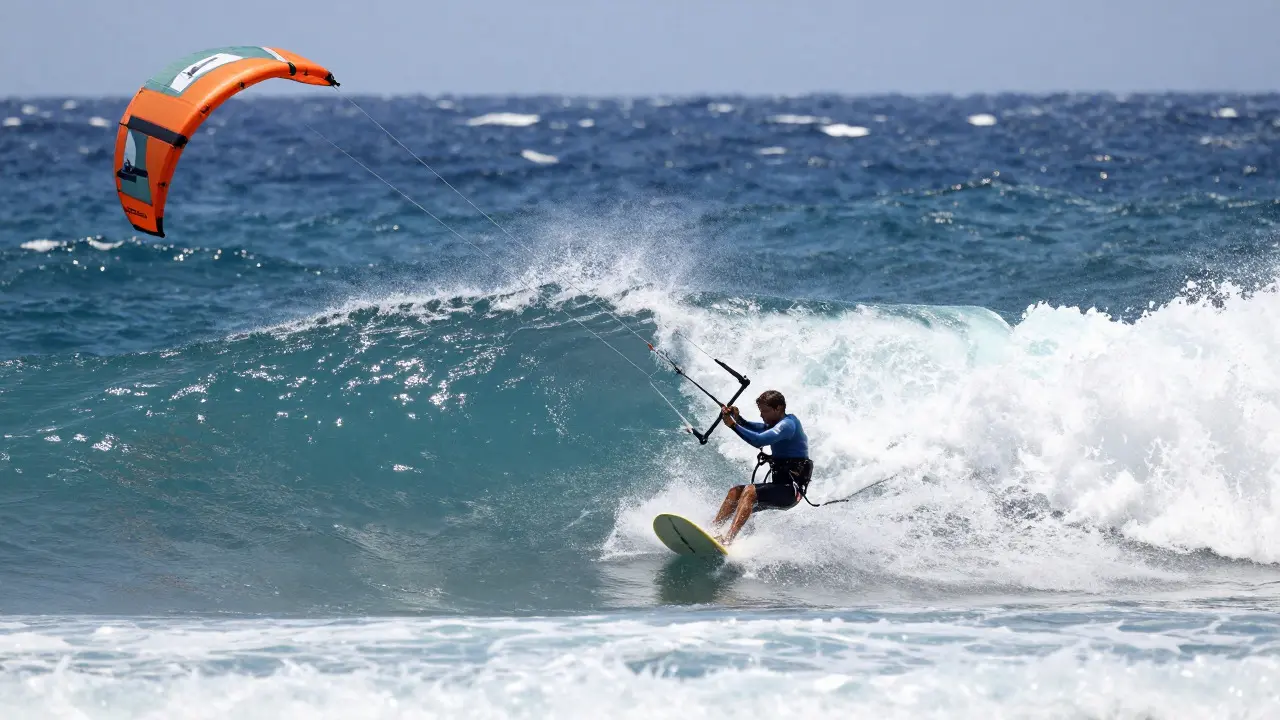
Short lines typically range from 16 to 18 meters. They are the go-to choice for experienced riders who want maximum responsiveness. Why use them? Because they keep the kite closer to the rider, reducing the lag between input and action. This is crucial for wave riding, where you need to adjust your kite angle quickly as you carve around a section.
- Best for: Wave riding, high-performance freeride, and strong winds.
- Effect on Power: Increases effective power by keeping the kite in the power zone longer.
- Effect on Control: Makes the kite feel faster and more agile, but less stable in gusts.
- Safety Note: Requires quick reflexes. If you lose control, the kite has less room to drift before hitting the water or another rider.
If you’re new to kiting, skip the short lines. They demand precision. A small mistake with 18-meter lines can result in an early crash because the kite reaches the ground quicker than with longer lines. Save these for when you’ve mastered your depower technique and can manage the increased sensitivity.
Standard Lines: The Balanced Choice
Most kites come with 21-meter lines as standard. This is the middle ground that works for most people in most conditions. It offers a balance between power and stability. You get enough response to enjoy dynamic riding, but enough slack to handle unexpected gusts without feeling jerked around.
- Best for: All-around riding, learning, and moderate wind conditions.
- Effect on Power: Provides consistent power without being overwhelming.
- Effect on Control: Smooth and predictable. Easier to manage for beginners and intermediates.
- Safety Note: Offers more buffer time for corrections. Ideal for crowded spots or variable winds.
If you’re unsure what to buy, start here. Twenty-one meters is the industry standard for a reason. It’s forgiving enough for mistakes but capable enough for progression. Many riders stick with this length for years because it adapts well to different seasons and locations.
Long Lines: Stability and Reach
Long lines usually refer to 24 to 27 meters. These are less common but serve specific needs. They increase the distance between you and the kite, which slows down the kite’s apparent speed. This makes the ride smoother and less intense. It’s particularly useful in very light winds or for riders who prefer a relaxed, cruising style.
- Best for: Light winds, big air (for height), and calm conditions.
- Effect on Power: Reduces peak power but extends the usable wind range downwards.
- Effect on Control: Very stable. The kite feels heavy and slow, making it easy to manage.
- Safety Note: Great for avoiding collisions in tight spaces because the kite stays higher and further away.
However, don’t expect lightning-fast maneuvers with long lines. If you’re trying to do complex tricks or surf steep waves, the extra length will feel sluggish. But if you’re looking for a peaceful morning ride in 10 knots of breeze, long lines are a game-changer.
Matching Line Length to Wind Conditions
Your wind speed should heavily influence your line choice. In strong winds (above 25 knots), shorter lines help you stay in control by allowing you to depower more easily. The kite stays closer, so you can manage its energy better. In light winds (below 15 knots), longer lines help you extract more power from the air by increasing the lever arm effect.
Here’s a simple rule of thumb:
- Light Winds (10-15 knots): Use 24-27m lines or a larger kite with standard lines.
- Moderate Winds (15-22 knots): Stick with 21m standard lines.
- Strong Winds (22+ knots): Consider 18m lines or a smaller kite with standard lines.
It’s also worth noting that line length affects your loop size. Longer lines create bigger loops, which can be dangerous in crowded areas. Always check the local spot rules. Some beaches restrict line lengths to prevent accidents. Ignoring these rules can lead to fines or worse, a collision with another rider.
Practical Tips for Choosing Your Setup
Before you head out, consider these practical factors:
- Check Your Kite Size: Ensure your kite size matches the line length. A large kite with short lines can be overpowering. A small kite with long lines might lack punch.
- Assess Your Skill Level: Beginners should avoid short lines. Intermediates can experiment. Experts can tailor their setup to specific sessions.
- Consider the Spot: Is it crowded? Are there trees or obstacles nearby? Longer lines give you more space to maneuver safely.
- Test Before Committing: If possible, borrow different line lengths to try out. Feel the difference in handling before buying new gear.
Don’t forget to inspect your lines regularly. UV damage and abrasion can weaken them over time. Even if you choose the perfect length, worn-out lines are a safety hazard. Replace them every two to three seasons, or sooner if you notice fraying.
Frequently Asked Questions
What is the standard kite line length?
The standard kite line length is 21 meters. This is the default for most modern kites and suits the majority of riders in typical wind conditions.
Are short lines better for beginners?
No, short lines are generally not recommended for beginners. They require faster reactions and precise control. Beginners should stick with standard 21-meter lines until they gain confidence.
How does line length affect power?
Shorter lines increase perceived power and responsiveness, while longer lines reduce peak power but improve stability and extend the usable wind range in lighter conditions.
Can I use any line length with any kite?
While physically possible, it’s best to match line length to kite size and wind conditions. Extreme mismatches can make the kite difficult to control or unsafe.
When should I replace my kite lines?
Replace your kite lines every 2-3 seasons, or immediately if you see signs of wear like fraying, discoloration, or stiffness. Regular inspection is key to safety.