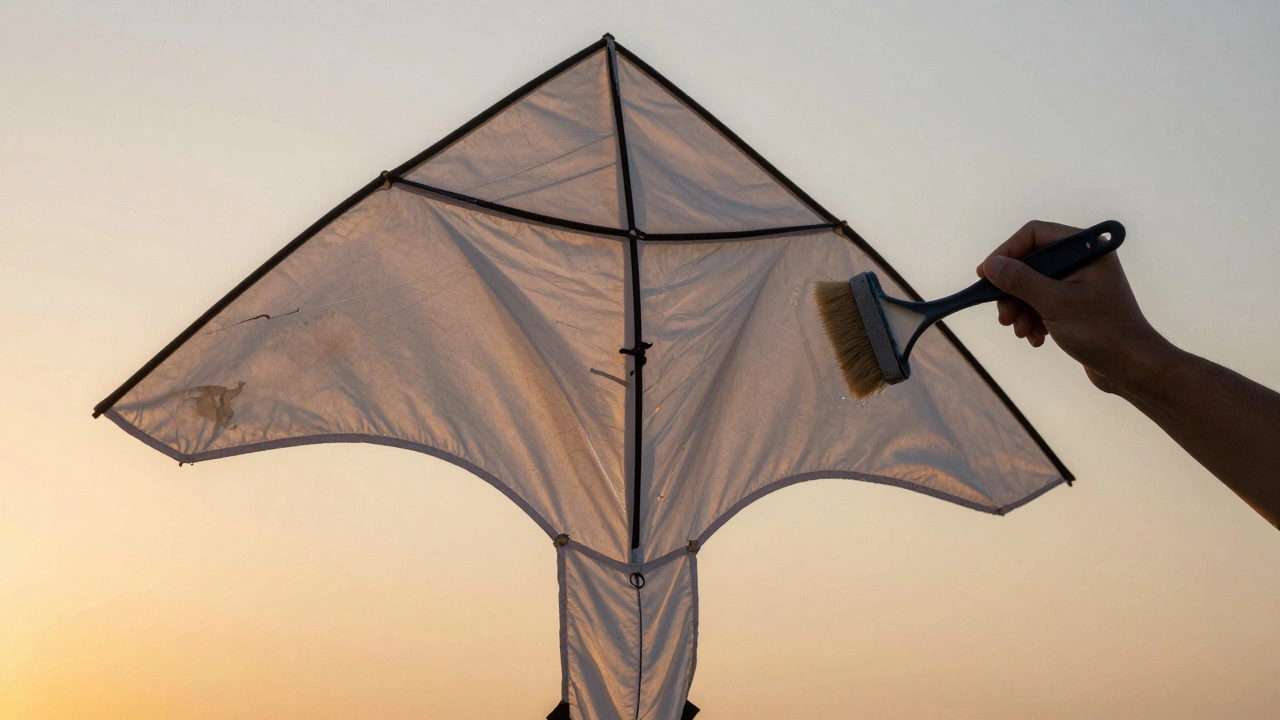
When your favorite kite starts to look worn-fading colors, stiff fabric, or tiny tears along the seams-it’s not just a loss of beauty. It’s a loss of flight. Kites aren’t just toys. For many, they’re tools of patience, wind-chasing rituals, and even competitive sport. But the fabric that carries them through the air? It’s under constant attack. Sunlight, moisture, salt, and grit don’t just wear it down-they break it apart from the inside. That’s where canvas and canopy resealing comes in. Not just patching. Not just gluing. But reinforcing with UV-resistant chemistry that turns old fabric into something tougher than it was new.
Why Kite Fabric Fails Faster Than You Think
Most kites use ripstop nylon, polyester, or tightly woven canvas. Sounds durable? It is-until it’s not. The real killer isn’t wind. It’s ultraviolet radiation. Every hour your kite spends in the sun, the polymer chains in the fabric are breaking down. UV light doesn’t just fade the color. It turns the fibers brittle. You’ve felt it: that crunchy, stiff feeling when you fold your kite after a long day? That’s the fabric losing its flexibility. And once it loses flexibility, it cracks. A tiny tear at the leading edge? That’s your kite’s first warning. Left untreated, it becomes a 6-inch slit by next season.
Wind alone can stretch and fatigue fabric, but UV exposure accelerates degradation by 300% in coastal areas. A kite flown regularly on the Oregon coast, for example, can show serious damage in under 18 months. That’s not a defect. That’s physics. And it’s why most kite repair guides miss the point. You can’t just sew a patch over a tear. You have to stop the degradation at the molecular level.
What Makes a Good UV-Resistant Resealant
Not all sealants are created equal. A standard fabric glue might hold a tear together. But it won’t protect against UV. You need something that bonds chemically with the fibers and forms a flexible, transparent shield. The best resealants for kites contain:
- Urethane-based polymers-they stay flexible even in freezing temps and don’t crack like silicone.
- Benzotriazole UV absorbers-these molecules act like sunscreen for fabric, absorbing harmful wavelengths before they damage the fibers.
- Hydrophobic additives-repel water without trapping moisture inside the weave.
Products like 3M Scotchgard Fabric & Upholstery Protector or McNett Tent & Gear Solar Shield are designed for outdoor gear. They’re not kite-specific, but they work. The key is application: thin, even coats. Thick layers peel. Thin layers penetrate. You want the sealant to soak in, not sit on top.
Step-by-Step: How to Reseal Your Kite Canopy
Here’s how to do it right, whether you’re fixing a small tear or refreshing the whole canopy:
- Remove dirt and salt-Wash the fabric with mild soap and cool water. Rinse twice. Salt and sand act like sandpaper. If you skip this, your sealant will bond to grime, not fabric.
- Let it dry completely-Hang it in the shade. Sun-drying might seem smart, but UV exposure during prep defeats the purpose. Let it air-dry for at least 12 hours.
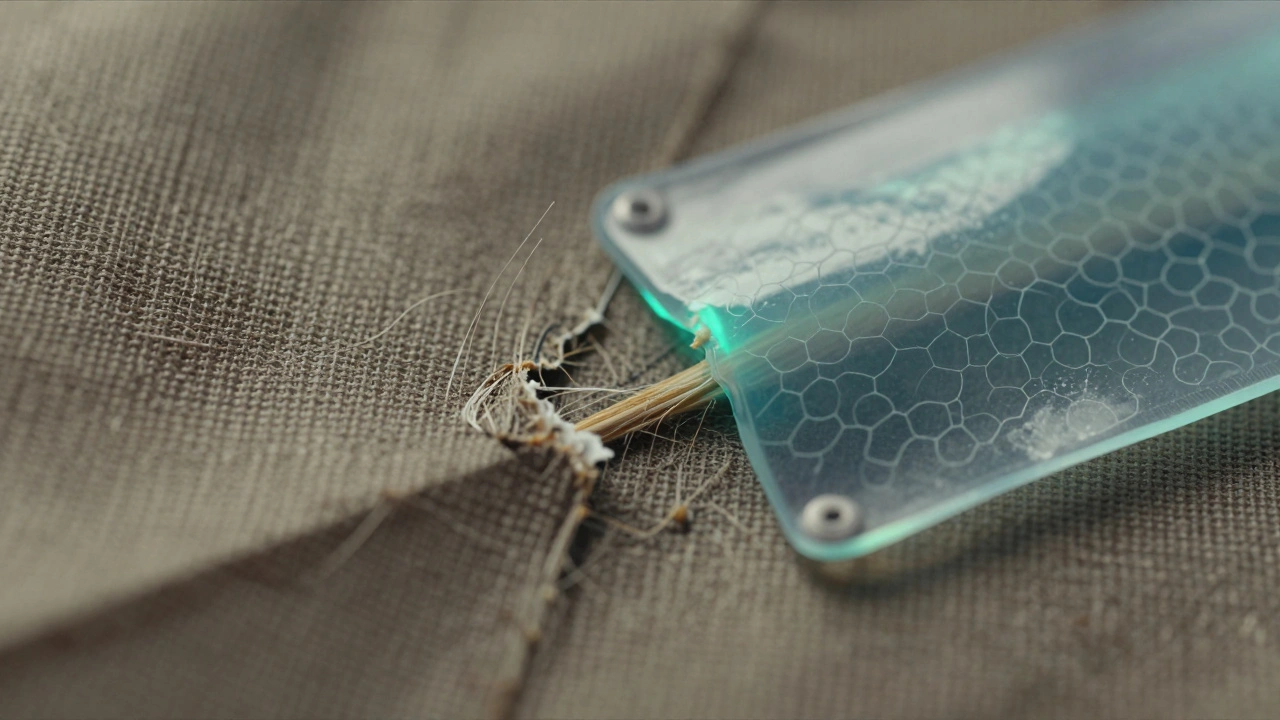
- Repair tears first-Use a lightweight ripstop patch (1.5 oz nylon) and a flexible adhesive like Loctite PL Premium. Apply the patch from the inside. This keeps the surface smooth and prevents drag.
- Apply sealant in thin layers-Use a foam brush. Apply one even coat over the entire canopy, including seams and stress points. Don’t soak it. Let it dry for 4 hours. Apply a second coat. That’s it. Two thin coats beat one thick one every time.
- Cure in the dark-Store the kite in a dark closet for 24 hours. UV sealants need darkness to fully polymerize. Sunlight during curing weakens the bond.
Done right, this process adds 2-3 years of life to your kite. I’ve seen kites that were nearly dead-cracked, faded, stiff-come back to life after resealing. One guy in Astoria resealed his 12-year-old delta kite last fall. It flew better than it did in 2020.
What Not to Do
There are plenty of shortcuts that make things worse:
- Don’t use duct tape-It traps moisture, peels under tension, and leaves sticky residue that attracts dirt.
- Don’t use waterproofing sprays meant for tents-Many contain PFCs that degrade fabric over time. They’re designed for static fabric, not dynamic kite surfaces.
- Don’t seal over stains-Oil, sunscreen, or bug spray will prevent the sealant from bonding. Clean first. Always.
- Don’t skip the second coat-One coat looks fine. But after 20 flights, you’ll see the UV damage creep back. Two coats create redundancy.
When to Replace Instead of Repair
Resealing works wonders-but not miracles. If your kite has:
- Multiple tears along the spine or leading edge
- Fabric that flakes off when touched
- Seams that unravel with light pressure
…then it’s time for a new canopy. No amount of sealant will fix structural failure. But if the frame is still solid, you can buy a replacement canopy for under $60 on sites like Kitebuilder.com or Windkite.com. Swap it yourself in under an hour. It’s cheaper than a new kite and keeps your old one flying.
Prevention: The Real Secret
The best resealing job is the one you never need to do. Here’s how to keep your kite healthy:
- Store it in a ventilated bag-Not a plastic bin. A mesh bag lets moisture escape.
- Never leave it in direct sun after flying-Even if it’s dry, UV keeps working. Roll it up and put it in the shade.
- Inspect after every 5 flights-Run your fingers along the seams. If you feel stiffness or fuzziness, it’s time to reseal.
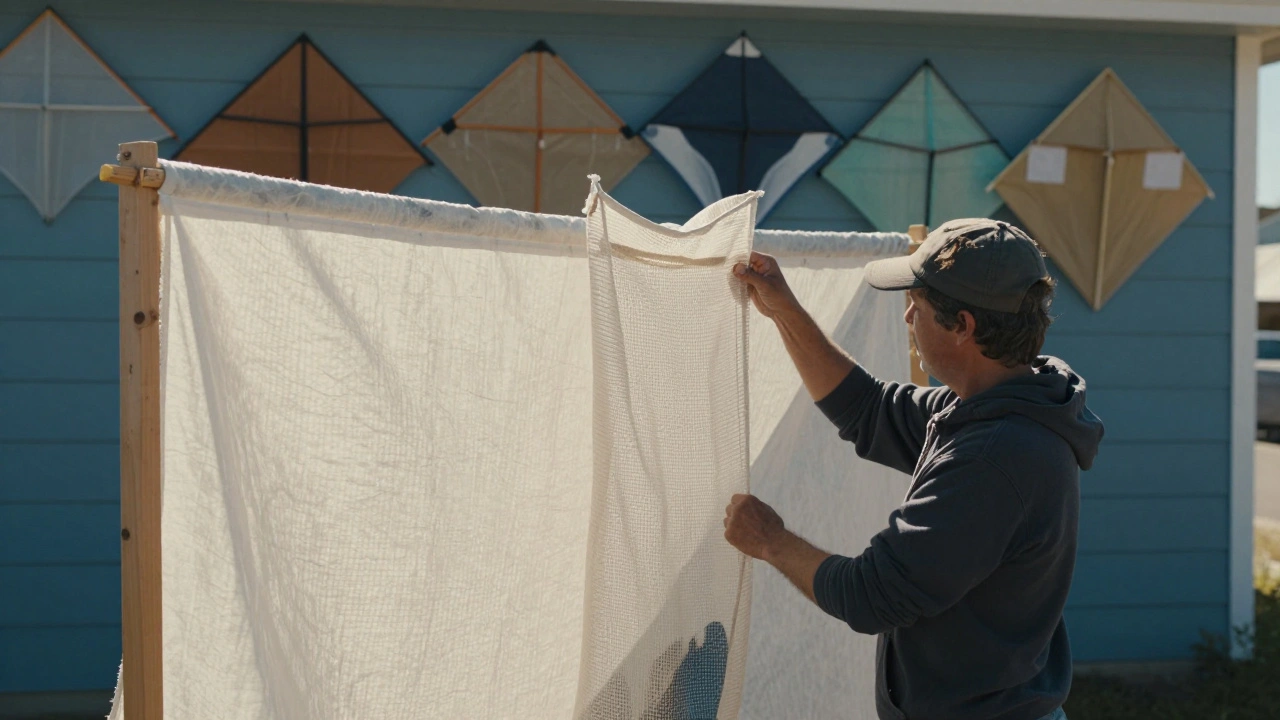
- Use a UV-protective cover-A simple white cotton sheet over the kite when stored blocks 90% of UV damage.
One kite club in Portland keeps a logbook. Each member writes down the date they resealed their kite. The ones who resealed every 18 months? Their kites still fly like new after 8 years. The ones who waited until it fell apart? They’re buying new ones.
Final Thought: It’s Not Just Repair. It’s Respect.
Kites don’t last forever. But they don’t have to die young, either. Resealing isn’t a chore. It’s a ritual. It’s the moment you choose to keep flying, not just own a kite. The wind doesn’t care if your fabric is old. But you do. And when you treat your kite with care-not just when it breaks, but before it does-you’re not just fixing fabric. You’re honoring the wind.
Can I use regular fabric sealant on my kite?
No. Most fabric sealants are designed for static materials like couches or tents. Kites experience constant flexing, tension, and UV exposure. You need a flexible, UV-stable polymer like urethane-based sealants with benzotriazole additives. Products like McNett Solar Shield or 3M Scotchgard are better choices.
How often should I reseal my kite canopy?
Every 12 to 18 months if you fly regularly (10+ flights per season). In high-sun or coastal areas, every 9 months. If your fabric feels stiff or looks faded, it’s already overdue. Don’t wait for tears.
Do I need to remove the frame before resealing?
Not usually. You can reseal the canopy while it’s still attached. Just make sure the frame doesn’t get coated. Use masking tape to cover rod pockets and spars. If you’re doing a full canopy overhaul, removing the frame gives you better access-but it’s optional.
Can I reseal a kite that’s already torn?
Yes-but only after you repair the tear first. Use a ripstop patch and flexible adhesive on the inside of the fabric. Then apply the UV sealant over the entire area. Sealant alone won’t hold a tear. It only prevents further damage.
Is resealing better than replacing the canopy?
It depends. If the frame and structure are intact and the fabric is still mostly flexible, resealing is cheaper and extends life by years. If the fabric is brittle, flaking, or has multiple large tears, replacing the canopy is smarter. A new canopy costs $40-$80, while resealing materials run $15-$25.