Quick Tips for Your Trip
- Check local wind charts (like Windy.app) for consistent patterns.
- Research local ordinances; some beaches ban kites during peak tourist hours.
- Pack a portable gear bag with heavy-duty stakes for sandy or rocky terrain.
- Join local Facebook groups to find out where the "secret" steady winds are.
The Windy Coastlines of Asia
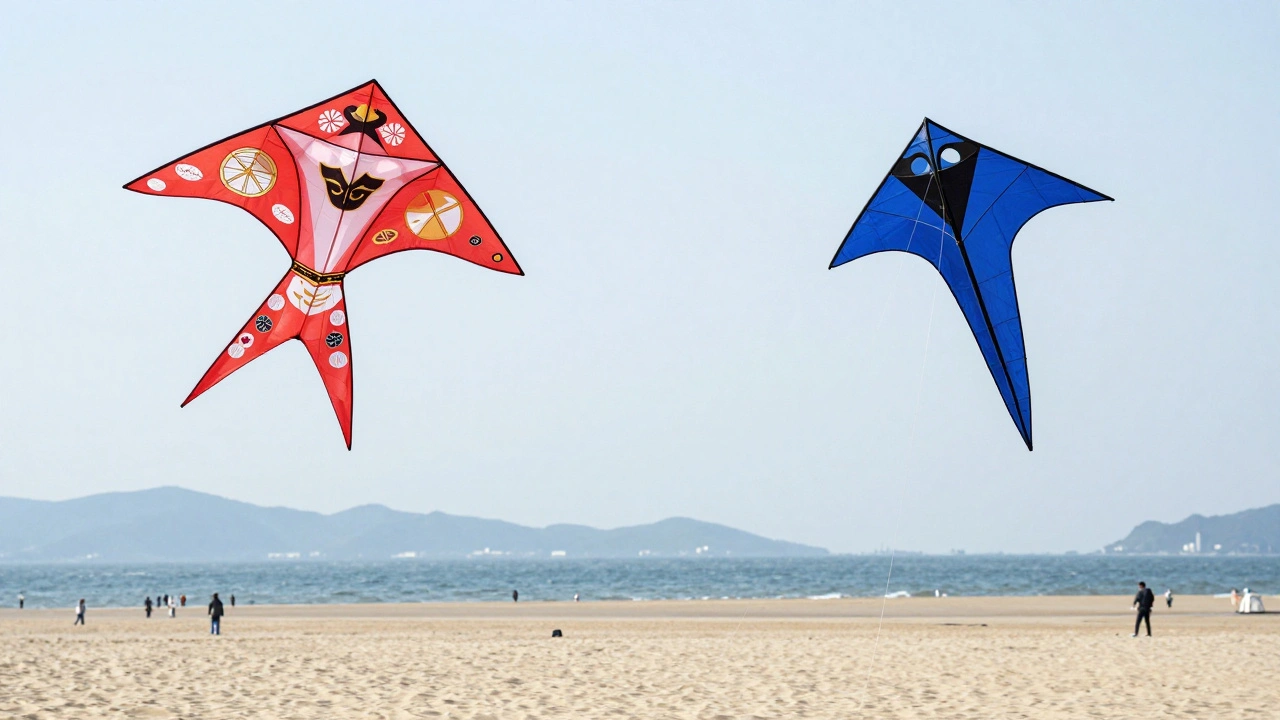
If you want a mix of culture and perfect air currents, Asia has some of the most dedicated kite communities on the planet. In Japan, kite flying isn't just a hobby; it's a tradition. Specifically, the shores of Shizuoka offer a unique combination of steady coastal winds and a culture that respects the art of the flight. You'll often see traditional Japanese kites-sturdy, colorful, and deeply symbolic-flying alongside modern sport kites.
Heading further south, the beaches of Vietnam provide a different experience. The coastal winds here are incredibly consistent during the winter months, making it a prime spot for kite flying destinations. The wide, flat sands of Mui Ne allow you to launch massive kites without worrying about power lines or trees blocking your flight path. It's the kind of place where you can spend six hours straight in the air and barely notice the time passing.
European Breezes and Festival Hubs
Europe is where the technical side of the hobby really shines. The Netherlands is practically a wind tunnel, which is why they've mastered the art of the kite festival. The coastlines near The Hague are legendary. Because the land is so flat, the wind doesn't hit any obstacles, meaning you get a "clean" flow that is essential for Stunt Kiting-a discipline where the flyer uses two or four lines to perform precise aerobatic maneuvers.
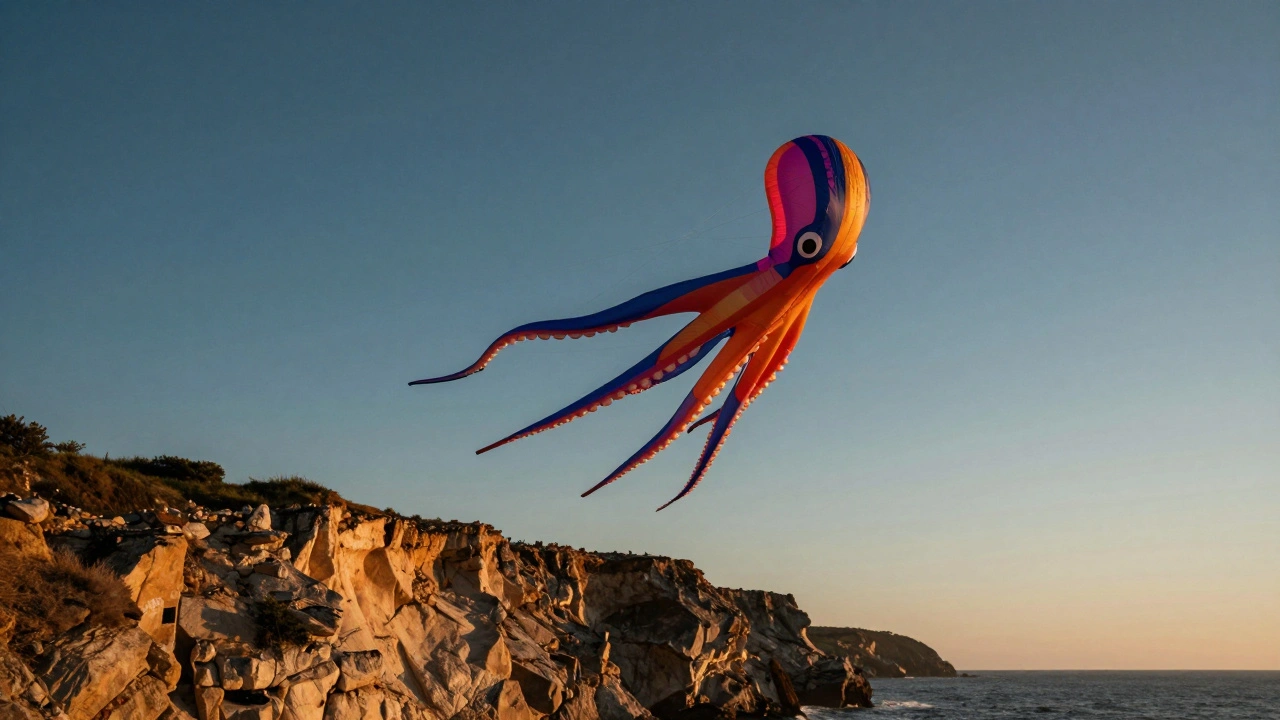
If you prefer something more dramatic, the coast of Portugal offers a rugged alternative. The Atlantic breeze is powerful, often hitting 20+ knots, which is perfect for high-tension kites that need a lot of lift. However, be careful with your gear here; the wind can be gusty, and if you're using a lightweight nylon kite, a sudden surge could snap a line or send your kite diving into the ocean. Using a high-strength Dyneema line is a non-negotiable for these conditions.
| Region | Wind Quality | Best Gear Type | Peak Season |
|---|---|---|---|
| Japan (Shizuoka) | Steady/Moderate | Traditional & Sport | Spring/Autumn |
| Vietnam (Mui Ne) | Consistent/Strong | Large Scale/Inflatables | November - March |
| Netherlands (The Hague) | Clean/Predictable | Stunt/Precision Kites | Year-round |
| Portugal (Algarve) | High Power/Gusty | Heavy Duty/High Tension | Summer |
North American Wide-Open Spaces
In the States, you don't necessarily need a coastline to find great wind. The Great Plains of the Midwest are essentially a giant playground for kite enthusiasts. In places like Kansas or Nebraska, the absence of mountains and forests means the wind moves across the landscape with very little friction. This creates an ideal environment for Power Kiting, where the goal is to generate enough lift to actually pull the flyer across the ground.
On the West Coast, the beaches of California offer a different vibe. The "marine layer" often creates a predictable onshore breeze that kicks in around midday. This is perfect for those who enjoy social flying. You'll find clusters of flyers at beaches in San Diego or Santa Cruz, sharing tips on how to tune their bridles for better stability. One thing to watch out for in California is the tide; a high tide can shrink your launching area quickly, leaving you trapped between the waves and a crowd of tourists.
The Technical Side: Matching Gear to Geography
You can't just take the same kite to every destination. A kite designed for the light, dancing breezes of a French meadow will be ripped apart by the Atlantic gales of Portugal. When choosing a spot, look at the "wind window." This is the 180-degree arc in front of you where the kite can actually fly. In mountainous regions, like the foothills of the Alps, the wind is "turbulent," meaning it swirls and dips. In these areas, you want a kite with a higher wing loading-basically a heavier, denser fabric-that can punch through the turbulence without collapsing.
For those traveling to the wide-open plains, consider a Parafoil Kite. Unlike traditional framed kites, parafoils are inflatable and have no rigid sticks. They rely on the air filling their cells to maintain shape. This makes them incredibly portable for travelers and great for the steady, heavy winds found in the American Midwest or the Vietnamese coast.
Navigating Kite Festivals and Community Events
The peak of any enthusiast's travel is the international kite festival. These aren't just gatherings; they're the "Olympics" of the air. Events like the International Kite Festival in various global cities allow you to see the most advanced gear in action. You'll see "team flying," where multiple people coordinate their kites to create synchronized patterns in the sky. It's the best way to learn how to handle different wind conditions because you can watch how the pros adjust their lines in real-time.
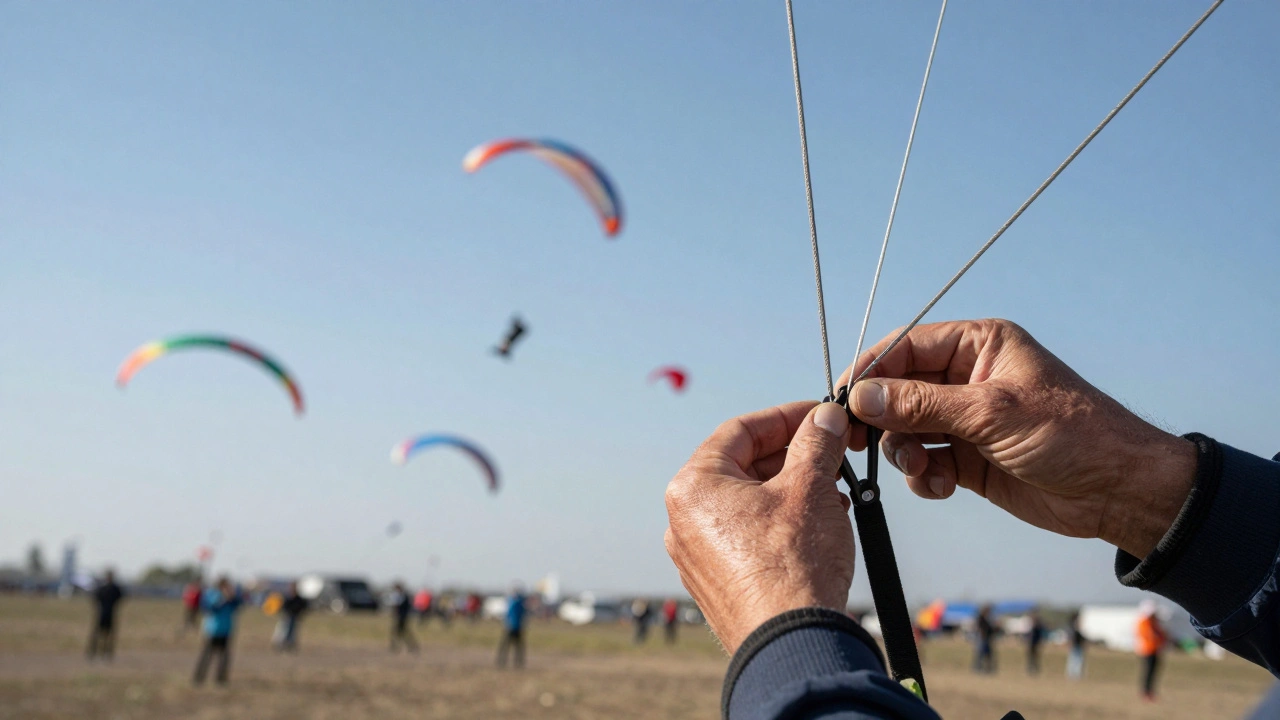
When attending these events, don't just focus on the flying. The real value is in the "pit area." This is where flyers tinker with their gear, adjust the Bridle System (the strings that connect the kite to the flying line), and discuss the latest fabric technologies. If you're looking to upgrade your kit, these festivals are better than any online store because you can see the gear perform in the actual wind.
Common Pitfalls for Traveling Flyers
Traveling with kites can be a nightmare if you aren't prepared. The biggest mistake? Not checking the "obstruction map." A beach might look perfect on a map, but once you arrive, you might find it's surrounded by high-voltage power lines. Flying a kite near electricity isn't just dangerous; it's a quick way to fry your gear and potentially yourself. Always scout your launch and landing zones before unpacking.
Another issue is "wind shear." This happens when the wind speed or direction changes abruptly at different altitudes. You might feel a gentle breeze at ground level, but 50 feet up, the wind is screaming. If you launch a kite into high wind shear, it can lead to an unstable flight or a sudden crash. A pro tip is to throw a small, lightweight "test kite" or a piece of ribbon into the air first to see how the wind is moving at higher levels before committing your primary gear.
What is the best month to visit Vietnam for kite flying?
The best time is typically from November to March. During this window, the Northeast Monsoon brings consistent and strong winds to the coastal regions like Mui Ne, which are ideal for both sport and large-scale kites.
How do I transport large kites on a plane?
Use a hard-shell PVC pipe for framed kites to prevent the fiberglass or carbon rods from snapping. For parafoils, a heavy-duty compression sack works best. Always check the airline's oversized luggage policy, as long kite tubes often trigger extra fees.
What is the difference between a stunt kite and a power kite?
A stunt kite is designed for precision, tricks, and aerobatics, usually controlled by two lines. A power kite is designed to generate significant lift and pull, often used in power kiting or as the precursor to kitesurfing gear.
Are there any specific laws I should know about kite flying in Europe?
Most European countries allow kite flying in public parks and beaches, but some cities have strict "no-fly zones" near airports or government buildings. Always check for local signage and avoid flying near power lines, which is strictly enforced in many urban areas.
What material is best for high-wind destinations?
Ripstop nylon is the standard, but for extremely high winds, look for kites made with Dyneema or reinforced polyester. These materials resist stretching and tearing when the wind pressure increases significantly.
Next Steps for Your Adventure
If you're just starting, don't book a trip to a high-wind zone immediately. Start by visiting a local park in your city to master your launch and recovery. Once you're comfortable, look for a "beginner-friendly" festival in Europe or the US where you can get hands-on help from experienced flyers. As you progress, begin tracking wind patterns using digital tools so you can time your travels with the seasons. Whether you end up on a beach in Asia or a plain in the Midwest, the key is to stay flexible-because in this hobby, you're always at the mercy of the wind.