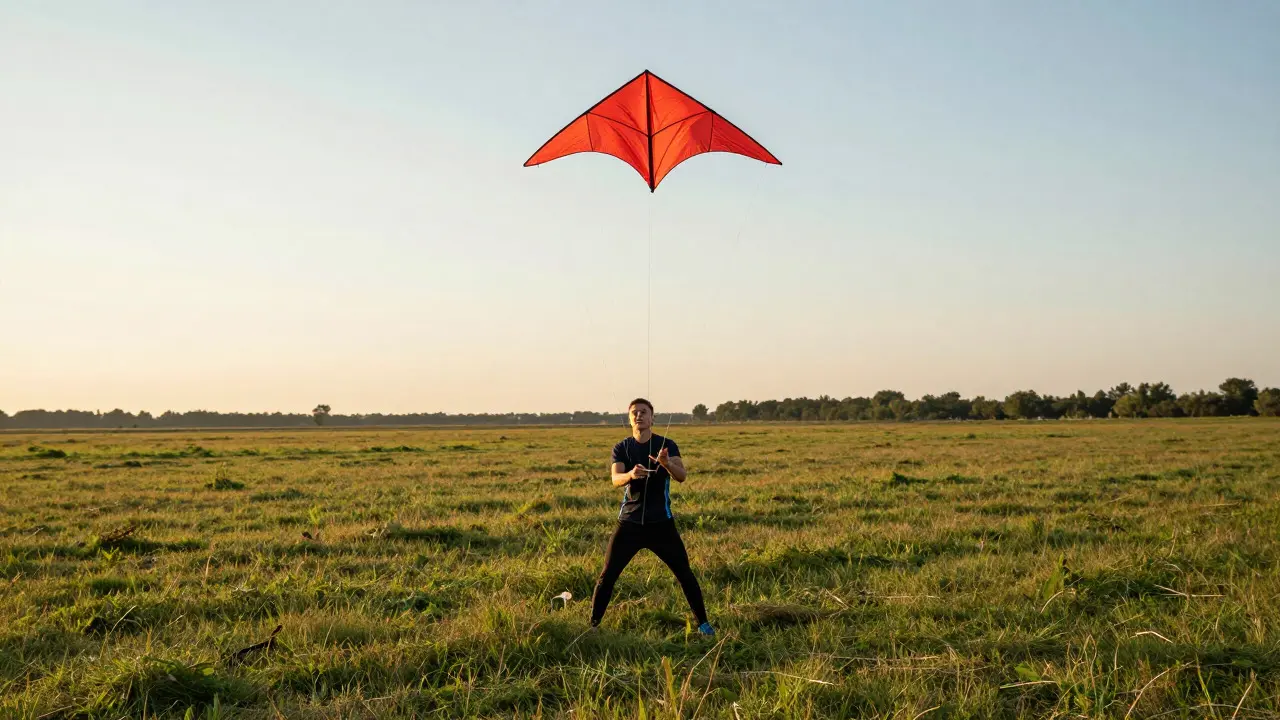
There is a specific moment in dual-line kiting when the wind shifts just enough to make your standard loops feel too easy. You want more. You want the kite to spin around you, wrap tightly, and then release with precision. This is where dual-line kite tricks move from recreational fun to technical artistry. The two most demanding maneuvers in this space are the cascade and the yo-yo. They require not just muscle memory, but an intuitive understanding of how tension, angle, and line length interact in real-time.
If you have been stuck on basic figure-eights or simple rolls, these advanced wraps and unwraps might seem intimidating. But they are not magic. They are physics. Once you break down the mechanics of how the kite behaves under load, the complexity disappears. Let’s look at exactly how to execute these moves without tangling your lines or losing control of the craft.
Understanding the Physics of Line Wraps
Before you throw the kite, you need to understand what actually happens during a wrap. In a standard loop, the kite travels in a circle relative to the pilot. In a wrap, the kite travels in a spiral that brings it closer to your body while rotating around you. The key variable here is the difference in line length between the left and right hand.
When you pull one line in and let the other out, you create an asymmetry. This asymmetry forces the kite to rotate around the pilot rather than just moving through the air. For a cascade, you want a controlled, multi-turn rotation. For a yo-yo, you want a single, tight turn that reverses direction. The wind speed matters here. If you are flying in light air (under 8 mph), you will struggle to generate enough lift for a full wrap. Aim for 10-15 mph for consistent results. Stronger winds require smaller movements to achieve the same effect.
The Cascade: A Multi-Turn Spiral
The cascade is often considered the signature trick of advanced dual-line kiting. It looks like the kite is cascading down a waterfall, spinning rapidly around the pilot before unwinding back up. To perform this, you start with the kite high in the wind window, roughly at the 10 o'clock position if you are facing the wind.
- Initiate the Turn: Pull the left line in sharply while letting the right line out slowly. This pulls the nose of the kite inward, starting the rotation.
- Maintain Tension: As the kite spins, keep both hands active. Do not let either line go slack. Slack lines cause tangles. Keep a steady, firm grip.
- Count the Turns: Most pilots aim for three to five turns. Count them out loud if you need to. "One... two... three." This helps you time the unwind.
- Execute the Unwind: On the last turn, reverse the motion. Pull the right line in and let the left line out. This releases the stored energy in the lines, sending the kite back up to its starting position.
A common mistake is trying to do too many turns. Beginners often attempt seven or eight rotations. This creates too much friction in the lines and makes the unwind unpredictable. Stick to three turns until you can do them smoothly every time. Then add one more. Precision beats quantity.
The Yo-Yo: Tight Reversals and Control
The yo-yo is different from the cascade because it involves a reversal of direction within a single wrap. Instead of continuing the spiral, the kite stops, flips, and comes back. This requires sharper timing. The name comes from the toy, but the mechanics are similar to a pendulum swing.
To perform a yo-yo, you start with the kite at the top of the wind window. You initiate a wrap by pulling one line in. However, instead of letting it complete a full circle, you cut the momentum short. When the kite reaches the bottom of its arc, you quickly switch which line you are pulling. This abrupt change in force causes the kite to snap back upward.
- Timing is Everything: You must switch lines at the exact moment the kite loses forward momentum. Switch too early, and the kite stalls. Switch too late, and it continues into a full loop.
- Body Positioning: Stand with your feet shoulder-width apart. Keep your knees slightly bent. This gives you stability when the sudden change in line tension jerks your arms.
- Line Length Matters: Use shorter lines for yo-yos. Long lines (over 30 meters) add too much inertia, making the reversal sluggish. Lines between 15 and 20 meters offer the best balance of control and power.
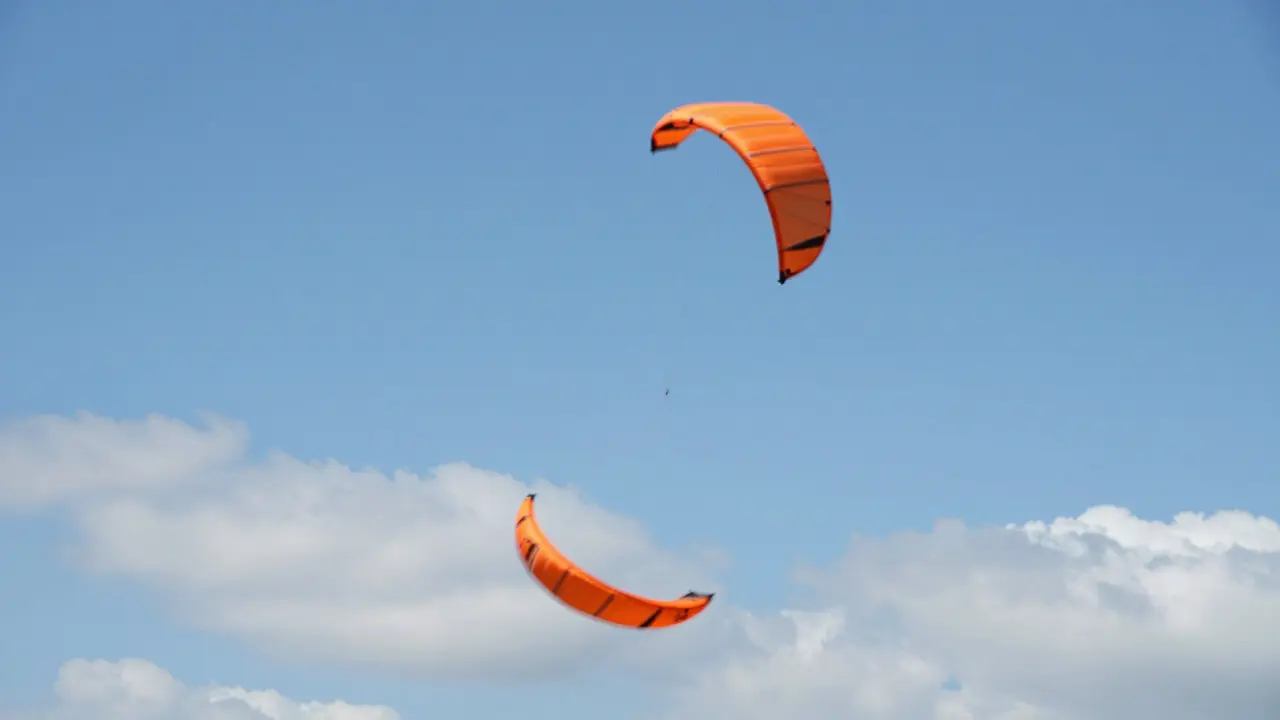
Comparing Cascade and Yo-Yo Mechanics
While both tricks involve wrapping lines around the pilot, they serve different purposes and require different skill sets. Understanding the differences helps you choose which trick to practice based on your current goal.
| Feature | Cascade | Yo-Yo |
|---|---|---|
| Number of Rotations | Multiple (3-5 typical) | Single (with reversal) |
| Primary Skill | Consistent rhythm and counting | Precise timing and quick reflexes |
| Wind Requirement | Moderate (10-15 mph) | Moderate to Strong (12-18 mph) |
| Common Error | Too many turns causing tangle | Stalling due to late line switch |
| Visual Effect | Spiral descent and ascent | Sharp snap-back movement |
Notice that the yo-yo demands stronger wind. Why? Because you are fighting against the kite's natural tendency to continue moving. You need enough aerodynamic force to overcome the inertia of the reversal. The cascade, on the other hand, relies on momentum carrying the kite through multiple turns. It is smoother, less violent, and generally easier to learn first.
Equipment Considerations for Advanced Wraps
Your gear plays a bigger role in these tricks than you might think. A standard beginner kite might work for loops, but it may fail under the stress of a cascade. You need a kite with a stable frame and responsive bridle system. Delta-shaped kites are popular for this because they hold their shape well under high G-forces. Box kites can also work, but they tend to be heavier and slower to respond.
Lines are equally critical. Use high-quality polyester or Dyneema lines. Nylon stretches too much, which ruins the precision needed for unwrapping. If your lines stretch, the timing of your line switches becomes guesswork. Additionally, check your line connectors regularly. A loose connector during a fast wrap can snap, leading to a lost kite or a tangled mess on the ground.
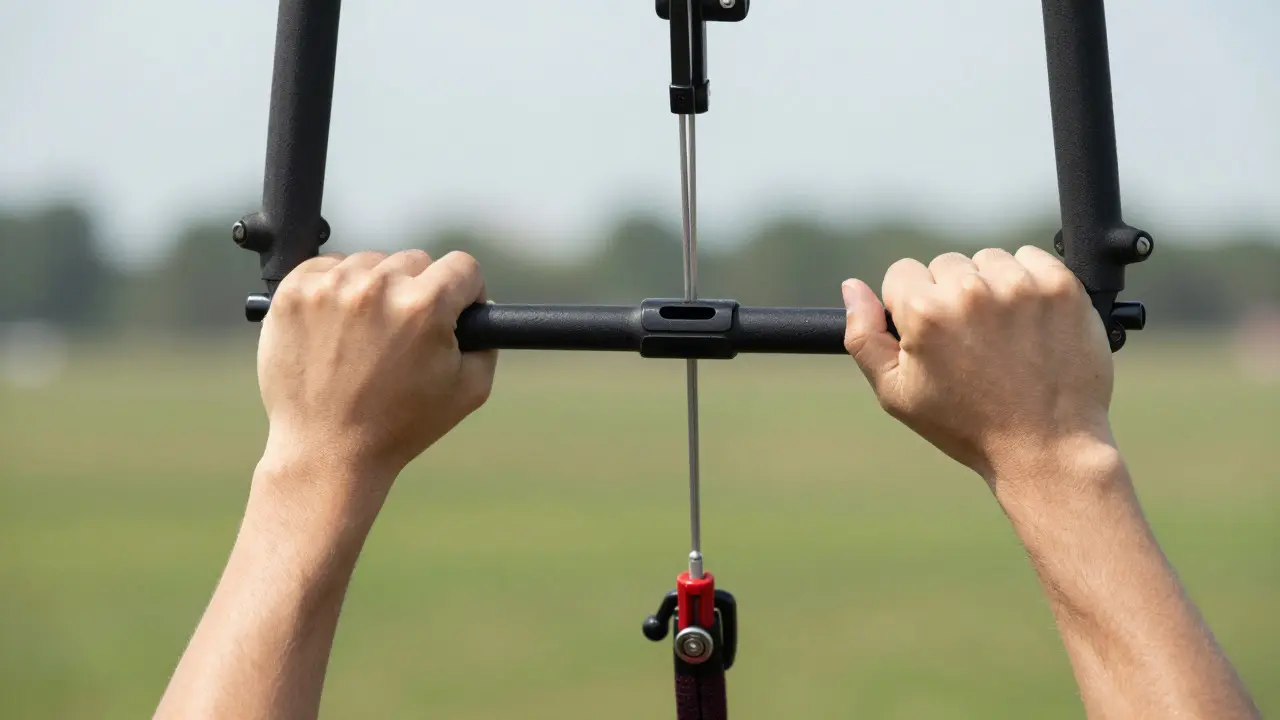
Troubleshooting Common Issues
Even experienced pilots face problems. Here are the most frequent issues and how to fix them.
Problem: The kite stalls mid-wrap. Solution: You are likely moving too slow. Increase the speed of your line pulls. The kite needs constant airflow over its surface to stay aloft. If it drops, you have lost lift. Speed up your arm movements.
Problem: Lines tangle after the unwind. Solution: Your hands crossed paths. Keep your wrists straight and ensure your left hand stays left and your right hand stays right. Imagine there is a glass wall between your hands. They should never cross.
Problem: The kite flies away during the unwind. Solution: You released the line too quickly. Ease off the tension gradually. Think of it as braking a car, not slamming the brakes. A smooth release keeps the kite close to you.
Practice Drills for Mastery
You cannot learn these tricks just by reading about them. You need repetition. Start with low-stakes drills. Find an open field with no obstacles. Practice the initiation phase only. Pull the line in to start the wrap, then immediately stop and let the kite settle. Do this ten times. Focus solely on the feeling of the initial pull.
Once you are comfortable with the start, add one turn. Then two. Gradually build up to the full cascade. For the yo-yo, practice the reversal without completing the wrap. Just flip the line direction and see if the kite responds. These isolated drills build the muscle memory required for the full trick. Do not rush. Ten minutes of focused drilling is better than an hour of frustrated flailing.
As you progress, record your attempts on video. Watching yourself fly is the fastest way to spot errors. You will see things you missed in the moment, like a slight hesitation in your hand movement or a misalignment of your stance. Use this feedback to refine your technique. Over time, the cascade and yo-yo will become second nature, allowing you to focus on style and creativity rather than survival.
What is the minimum wind speed for performing a cascade?
You generally need at least 10 mph of steady wind. Below this speed, the kite lacks the lift to sustain multiple rotations without stalling. Light air conditions make the trick significantly harder and less reliable.
Can I use any type of dual-line kite for these tricks?
Not really. You need a kite designed for stunt flying or aggressive handling. Delta shapes and some box kites work well. Avoid large, heavy parafoil kites, as they are too slow and unresponsive for precise wraps and unwraps.
How long should my lines be for optimal control?
For advanced tricks like the yo-yo and cascade, lines between 15 and 20 meters are ideal. Shorter lines give you more control and quicker response times. Longer lines add inertia, making the maneuvers sluggish and harder to manage.
Why do my lines tangle after a cascade?
Tangling usually happens because your hands cross during the unwind. Keep your wrists aligned and ensure your left hand remains on the left side and your right hand on the right. Crossing hands twists the lines, creating knots that are hard to untie in the field.
Is it safer to practice these tricks alone or with a partner?
It is safer to have a partner, especially when learning. A second person can watch for tangles, help retrieve the kite if it lands awkwardly, and provide immediate feedback. If flying alone, ensure you have plenty of open space and a clear recovery path for the kite.