Every year, thousands of birds die in the sky because of a single strand of glass-coated string. If you fly kites in urban areas or open fields, you know the tension that comes with manjha. It’s the traditional line used in many parts of Asia for kite fighting, prized for its ability to cut other lines cleanly. But as awareness grows about wildlife impact, many flyers are looking for ways to keep the sport alive without leaving a trail of dead songbirds behind.
The good news? You don’t have to quit. There are viable alternatives that offer similar performance characteristics while reducing the ecological footprint. This guide breaks down what actually works, what doesn’t, and how to make the switch without losing your competitive edge.
Why Traditional Manjha Is Problematic
To understand why we’re switching, we need to look at what makes standard manjha effective. The core component is silica powder, often mixed with resin and applied to a nylon or cotton base. When two lines cross, the silica acts like sandpaper, slicing through the opposing string with minimal effort. For human pilots, this is efficient. For birds, it’s fatal.
Birds flying at low altitudes-where most kite battles happen-often collide with these lines. The sharp edges of the silica coating can slice through feathers, skin, and even bones. Unlike fishing lines, which are smooth and less likely to cause deep lacerations, manjha creates jagged wounds that are difficult for wild animals to heal. Conservation groups have documented significant declines in local bird populations in cities where kite fighting is a major cultural activity, directly linking the drop to aerial hazards.
The Best Manjha Alternatives for Safe Flying
Not all non-manjha lines are created equal. Some are too weak to fight effectively, while others are so smooth they slip off the spool easily. Here are the top contenders that balance safety with performance.
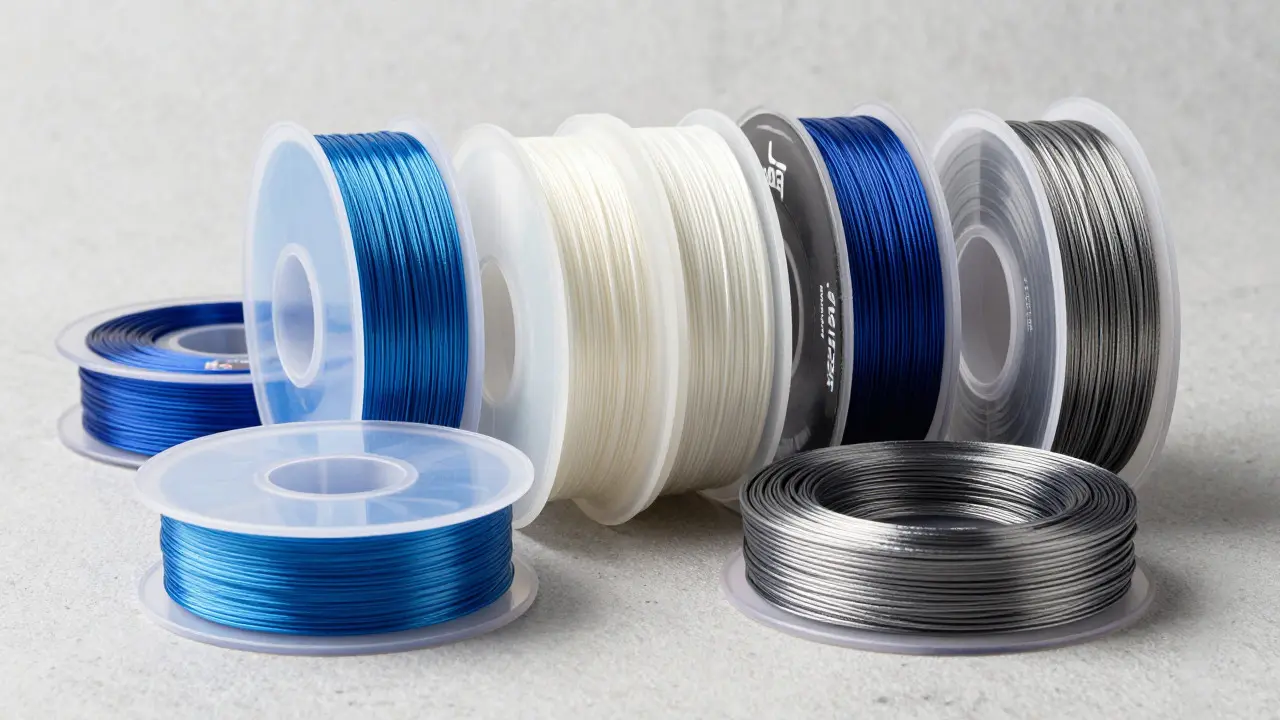
- UV-Cured Polymer Lines: These are the closest functional equivalent to manjha. They use a hard, transparent polymer coating instead of silica. They cut well but lack the abrasive grit that causes deep tissue damage. Brands like AeroSafe a manufacturer specializing in eco-friendly kite strings using UV-cured polymers have popularized this technology. The trade-off is cost; these lines are typically 30-50% more expensive than standard manjha.
- High-Tensile Nylon (Braided): Braided nylon offers excellent strength-to-weight ratio. It’s not as aggressive in cutting as manjha, requiring more skill to win fights, but it is significantly safer for wildlife. The braided structure also provides better grip on the hand reel, reducing the chance of accidental release.
- Spectra Fiber (Dyneema): Often used in sailing, Spectra fiber is incredibly strong and thin. It has very little stretch, which gives precise control. However, because it’s so smooth, it requires a specific type of spool or friction tape to prevent slippage. It’s a favorite among experienced flyers who prioritize control over raw cutting power.
- Natural Cotton or Hemp: For casual flyers or those focusing on aesthetics rather than combat, natural fibers are the safest option. They degrade quickly if left in nature and pose almost no threat to birds. The downside? They absorb water, becoming heavy and weak in humid conditions.
Comparing Performance and Safety Metrics
Choosing the right line depends on what you value more: winning the duel or protecting the ecosystem. The table below compares key attributes of the main options.
| Line Type | Cutting Efficiency | Bird Safety Rating | Durability | Cost per Meter |
|---|---|---|---|---|
| Traditional Manjha | High | Low | Moderate | $0.05 - $0.10 |
| UV-Cured Polymer | Medium-High | High | High | $0.15 - $0.25 |
| Braided Nylon | Medium | High | Moderate | $0.08 - $0.12 |
| Spectra Fiber | Low-Medium | Very High | Very High | $0.20 - $0.35 |
| Natural Cotton/Hemp | Low | Very High | Low | $0.04 - $0.08 |
Note that "Bird Safety Rating" is based on wound severity potential. A "High" rating means the line is unlikely to cause life-threatening lacerations upon contact. "Cutting Efficiency" refers to how easily the line severs an opponent's string during a fight.
How to Transition Without Losing Your Edge
If you’re used to the snap and pull of manjha, switching to a smoother line might feel awkward at first. Here’s how to adjust your technique.
- Adjust Your Tension: Smoother lines require tighter tension to maintain shape in the wind. Loosen your grip slightly but keep the line taut between your hand and the kite tail. This prevents the line from flapping and losing lift.
- Master the Angle: Since you won’t be relying on abrasion to cut opponents, angle becomes critical. Aim for the thickest part of the opponent’s line near their spool. This increases friction naturally, helping you sever the line without needing silica.
- Use Heavier Kites: Lighter kites can be erratic when flown on high-tensile lines. Switching to a slightly heavier frame (around 15-20 grams) stabilizes the flight path, giving you more predictable control during maneuvers.
- Practice Spool Control: Spectra and polymer lines can be slippery. Use a textured spool or wrap a small piece of electrical tape around the handle to increase friction. This prevents the line from shooting out uncontrollably when you lose a fight.
Local Regulations and Community Norms
Before you start flying with new lines, check your local rules. Many cities and parks now ban silica-based manjha outright. Fines can range from $50 to $200, depending on the jurisdiction. More importantly, community pressure is growing. Local birdwatching clubs often monitor popular flying spots and report violators.
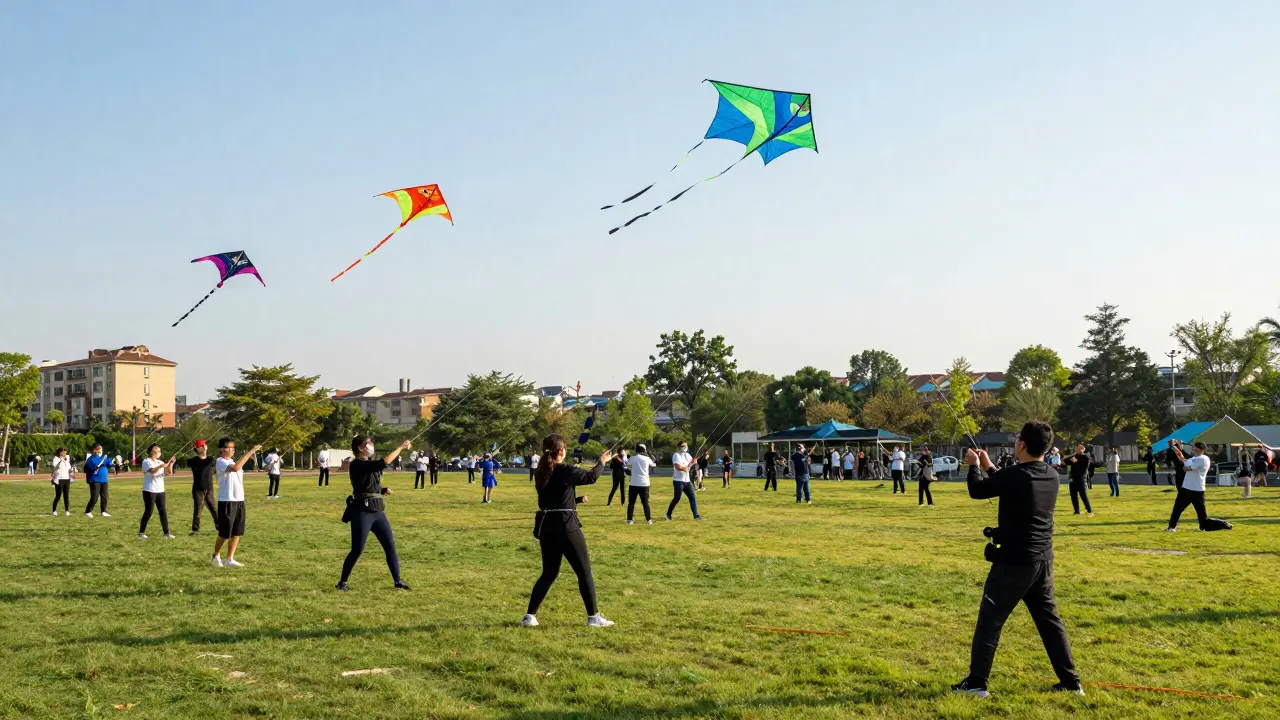
In regions where kite fighting is deeply cultural, such as parts of India and Pakistan, there is a growing movement toward "Green Kiting." Organizations are sponsoring tournaments specifically for non-abrasive lines, offering prizes to encourage the shift. Joining these communities not only keeps you compliant but also connects you with fellow enthusiasts who share your values.
Maintenance Tips for Alternative Lines
Unlike manjha, which degrades quickly due to moisture absorption, synthetic alternatives last longer but require different care.
- Store Dry: Keep your spools in a cool, dry place. Humidity can affect the adhesion of polymer coatings over time.
- Inspect for Fraying: Check the end of the line regularly. Synthetic lines don’t fray like cotton, but they can develop micro-tears under high stress. Cut these ends off before they spread.
- Clean the Spool: Dust and debris can get trapped in the layers of the coil. Wipe the spool with a damp cloth after each session to ensure smooth payout next time.
Frequently Asked Questions
Are UV-cured polymer lines really safe for birds?
Yes, studies indicate they are significantly safer. While they can still cause minor cuts, the smooth surface lacks the abrasive grit found in silica manjha, reducing the likelihood of deep, life-threatening wounds. Most conservationists recommend them as the best compromise for active fighters.
Can I mix manjha and alternative lines on the same spool?
It is not recommended. Different materials have different stretch factors and diameters. Mixing them can cause uneven payout and create weak points where the two types meet, increasing the risk of breakage during a fight.
What gauge should I choose for a beginner?
For beginners using braided nylon or polymer lines, a gauge of 0.3mm to 0.4mm is ideal. It offers enough strength to withstand typical winds without being too heavy to maneuver. Thinner gauges are lighter but more prone to snapping against rough surfaces.
Do these lines work in windy conditions?
Yes, but you may need to adjust your kite size. In high winds, thinner lines perform better because they offer less drag. If you are flying in consistent gusts above 15 mph, consider dropping to a 0.25mm gauge to maintain stability.
Where can I buy these alternative lines?
Most specialty kite shops now stock eco-friendly options. Online retailers also carry a wide selection. Look for brands that explicitly label their products as "bird-safe" or "non-abrasive" to ensure quality.