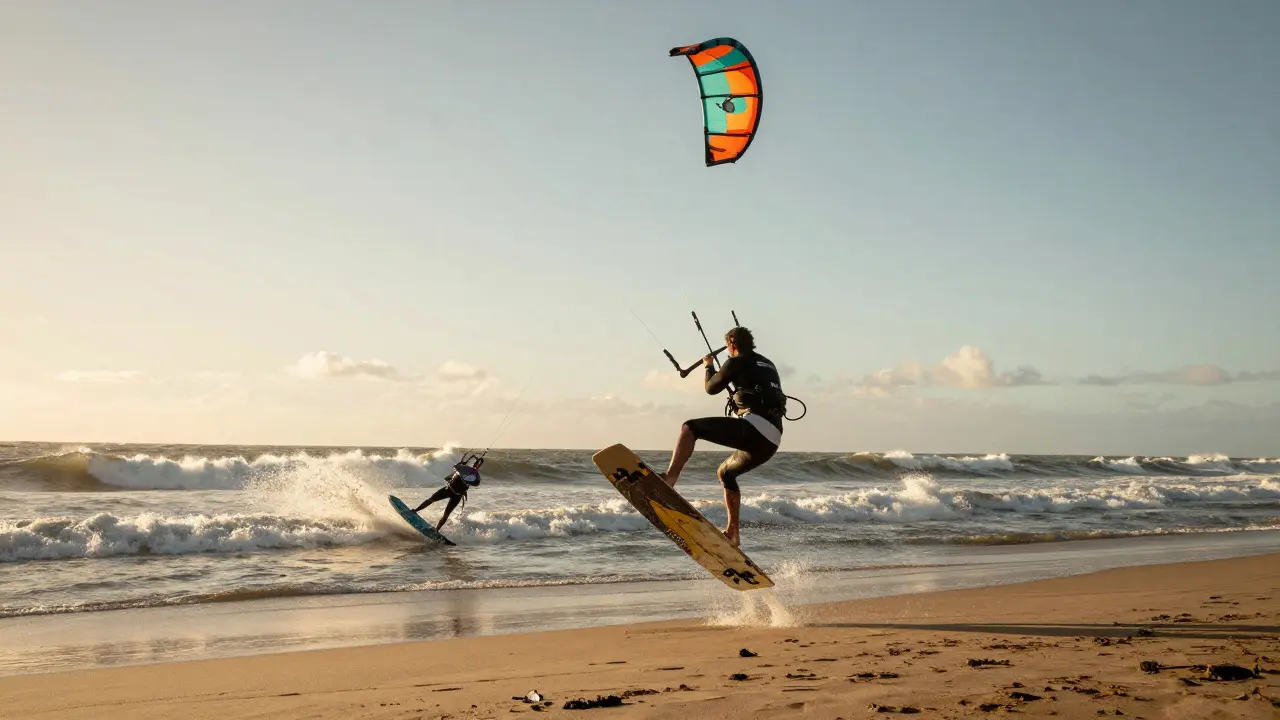
You’re standing on the beach, watching a rider carve through choppy waves while another glides smoothly over flat water. One calls it kiteboarding, the other insists it’s kitesurfing. You check your phone to see which hashtag is trending, and suddenly you’re confused. Are they two different sports? Is one better than the other? Or is this just a naming dispute that never died down?
Here’s the short answer: They are the same sport. But the distinction matters if you want to buy the right gear, find the correct lessons, or understand why certain communities use specific terms. The difference isn’t about physics; it’s about culture, equipment preference, and history.
The Core Confusion: It’s All the Same Thing
Kiteboarding is a water sport where a rider stands on a board and is propelled by a large controllable kite. Whether you call it kiteboarding or kitesurfing, the mechanics are identical. You hold a control bar connected to lines, which attach to a kite in the air. The wind pulls the kite, and the tension pulls you across the water surface.
The confusion stems from the fact that the sport evolved from two distinct lineages that merged in the early 2000s. Before the merge, there were two main types of boards used with kites:
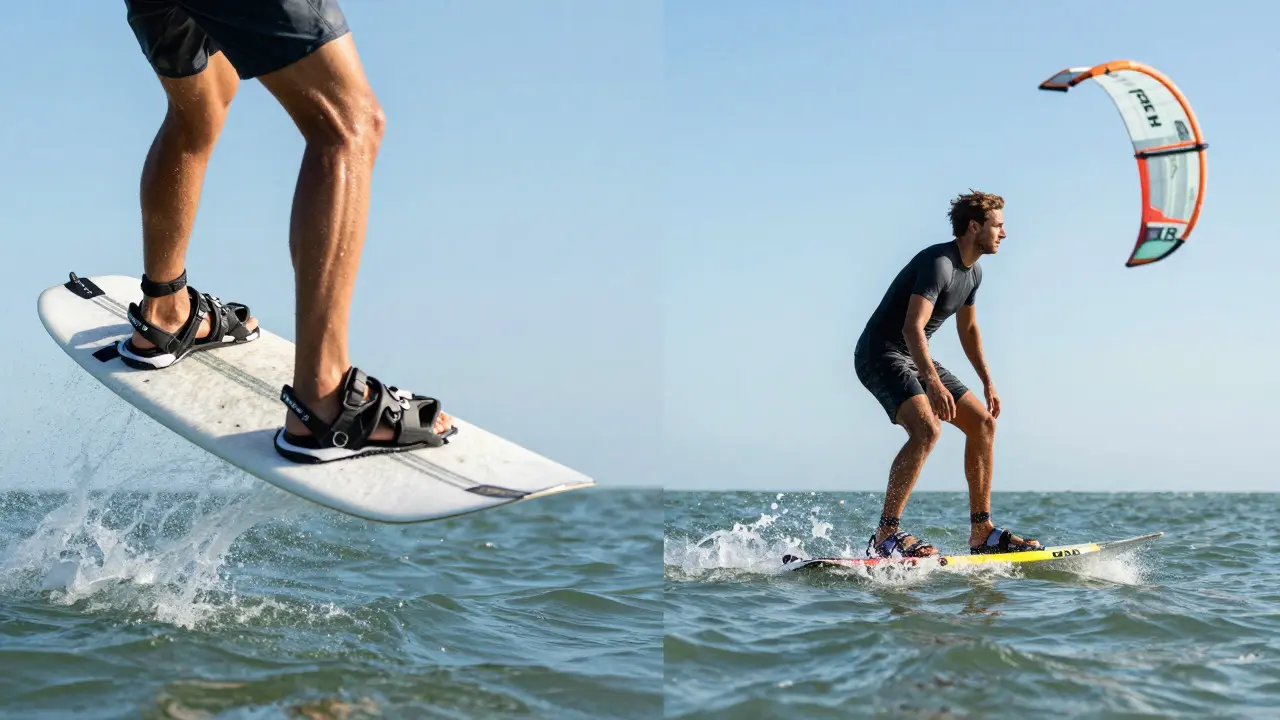
- Twin Tips: Symmetrical boards similar to snowboards. These allow riders to go forward and backward, making them ideal for jumping and freestyle tricks.
- Directional Boards: Asymmetrical boards similar to surfboards or longboards. These have a clear nose and tail, designed primarily for going forward, often in waves.
The term "kitesurfing" originally referred specifically to using directional boards, mimicking surfing. "Kiteboarding" was the broader umbrella term that included both twin tips and directional boards. Today, most people use the terms interchangeably, but purists still cling to their preferred labels based on what they ride.
Why the Names Split: History and Culture
To understand why the debate exists, you have to look at where the sport came from. In the late 1990s, French engineers developed the first stable kite systems. Early adopters in France and Australia started using these kites with surfboards. Because they were essentially surfing with a kite instead of just waves, they called it Kitesurfing. This group focused heavily on wave riding and carving.
Meanwhile, in North America and Scandinavia, riders began experimenting with twin-tip boards. They wanted to do jumps, spins, and aerial maneuvers, much like snowboarding. Since they weren't really "surfing" in the traditional sense, they adopted the term Kiteboarding. This community grew rapidly because twin tips are easier to learn for beginners who don't have prior surfing experience.
By the mid-2000s, the International Kiteboarding Association (IKA) and later the International Kiteboarding Organization (IKO) standardized safety protocols and certification. This helped unify the sport under a single identity, even if the slang remained divided. If you visit a shop in California, you’ll likely hear "kitesurfing." In Florida or Europe, "kiteboarding" is more common. Neither is wrong.
Gear Differences: Twin Tips vs. Directional Boards
While the kite itself remains largely the same regardless of the name, the board choice defines your style. Understanding this helps you pick the right equipment when you start.
| Feature | Twin Tip (Often called Kiteboarding) | Directional (Often called Kitesurfing) |
|---|---|---|
| Shape | Symmetrical, no distinct nose/tail | Asymmetrical, distinct nose and tail |
| Primary Use | Freestyle, jumping, racing | Wave riding, cruising, long-distance |
| Learning Curve | Easier for absolute beginners | Harder; requires balance skills |
| Stance | Regular or Goofy (switchable) | Fixed stance (like surfing) |
| Wind Range | Wider range due to depower capability | Narrower range; needs consistent wind |
If you want to jump high and perform tricks, grab a twin tip. If you love the feeling of carving a wave or cruising downwind for miles, choose a directional board. Many advanced riders own both, switching depending on the conditions and their mood that day.
Which Term Should You Use?
It depends on who you’re talking to. Here is a quick guide to help you navigate conversations without sounding out of place:
- In Retail Stores: Most shops stock both types of gear. Ask for "twin tips" or "directional boards" rather than relying solely on the sport name. This ensures you get exactly what you need.
- On Social Media: Check the local scene. Search hashtags like #kitesurfing vs #kiteboarding for your specific region. In Portugal, for example, "kitesurfing" dominates. In the US Midwest, "kiteboarding" is standard.
- In Certifications: Major organizations like the IKO use "kiteboarding" as the official term for all disciplines. If you take a lesson, your certificate will likely say "Kiteboard Instructor," regardless of whether you learned on a twin tip or a surfboard.
Don’t worry about offending anyone. The community is generally welcoming. If you mix up the terms, a local rider might chuckle, but they won’t kick you out of the water. The shared passion for the wind keeps the peace.
Safety Considerations for Both Styles
Regardless of what you call the sport, safety rules remain universal. The biggest risk in any kite activity is the power of the wind. A modern kite can generate enough force to lift a person into the air or drag them underwater if not controlled properly.
Key safety equipment includes:
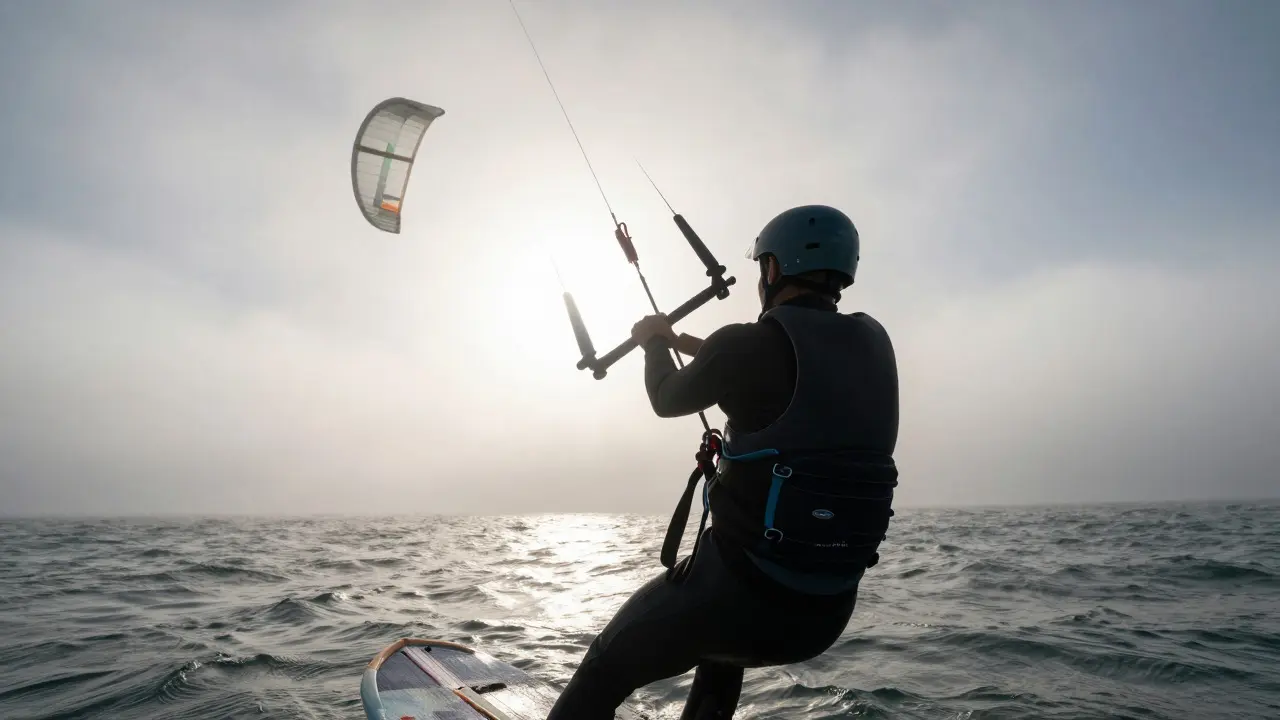
- Helmet: Essential for impact protection, especially for twin tip riders who jump frequently.
- Impact Vest: Protects ribs and torso during falls or collisions.
- Quick Release System: Located on the control bar, this allows you to detach from the kite instantly in an emergency.
- Board Leash: Keeps the board attached to your ankle so it doesn’t float away and hit someone else.
Always check the weather forecast before heading out. Wind speed, direction, and gustiness matter more than temperature. Apps dedicated to kite forecasting provide real-time data on wind vectors, helping you decide if conditions are safe for your skill level.
Choosing Your First Gear Set
If you’re new to the sport, you don’t need to buy everything upfront. Many schools offer rentals for your first few sessions. Once you commit, here is how to approach purchasing gear:
Start with a used kite from a reputable brand. Brands like Duotone, Cabrinha, and Naish produce reliable equipment that holds value well. Look for a kite size appropriate for your weight. For example, a 70kg rider typically starts with a 12m or 14m kite, depending on average wind speeds in their area.
For the board, stick with a beginner-friendly twin tip if you have no surfing background. It offers stability and forgiveness. As your skills improve, you can explore directional boards or specialized race boards. Remember, the kite is the engine, and the board is the chassis. They must work together for a smooth ride.
FAQ
Is kiteboarding harder than kitesurfing?
Not necessarily. Twin tip kiteboarding is often considered easier for complete beginners because the symmetrical board provides more stability. Directional kitesurfing requires better balance and body positioning, similar to traditional surfing. However, once you master the basics, both styles offer unique challenges and rewards.
Do I need a license to kiteboard?
In most countries, including the US and many European nations, you do not need a formal government-issued license. However, taking a certified course from an organization like the IKO or BKKSA is highly recommended. It teaches essential safety skills and gives you insurance coverage in some regions.
What is the best wind speed for kiteboarding?
Ideal wind speeds for beginners range from 12 to 20 knots. Experienced riders can handle winds from 8 to 35+ knots, depending on kite size and board volume. Always adjust your equipment to match the current conditions rather than forcing a ride in unsuitable winds.
Can you kiteboard in cold water?
Yes, with proper gear. Wetsuits or drysuits keep you warm in temperatures below 60°F (15°C). Many enthusiasts kiteboard in locations like Oregon, Scotland, and New Zealand year-round. Layering is key: a base layer, wetsuit, and booties protect against hypothermia.
How much does it cost to start kiteboarding?
A full set of new gear, including a kite, bar, lines, board, harness, and wetsuit, can cost between $2,000 and $3,500. Buying used gear can reduce this to $1,000-$1,500. Lesson packages typically range from $300 to $600 for a five-day course, covering instruction and rental equipment.