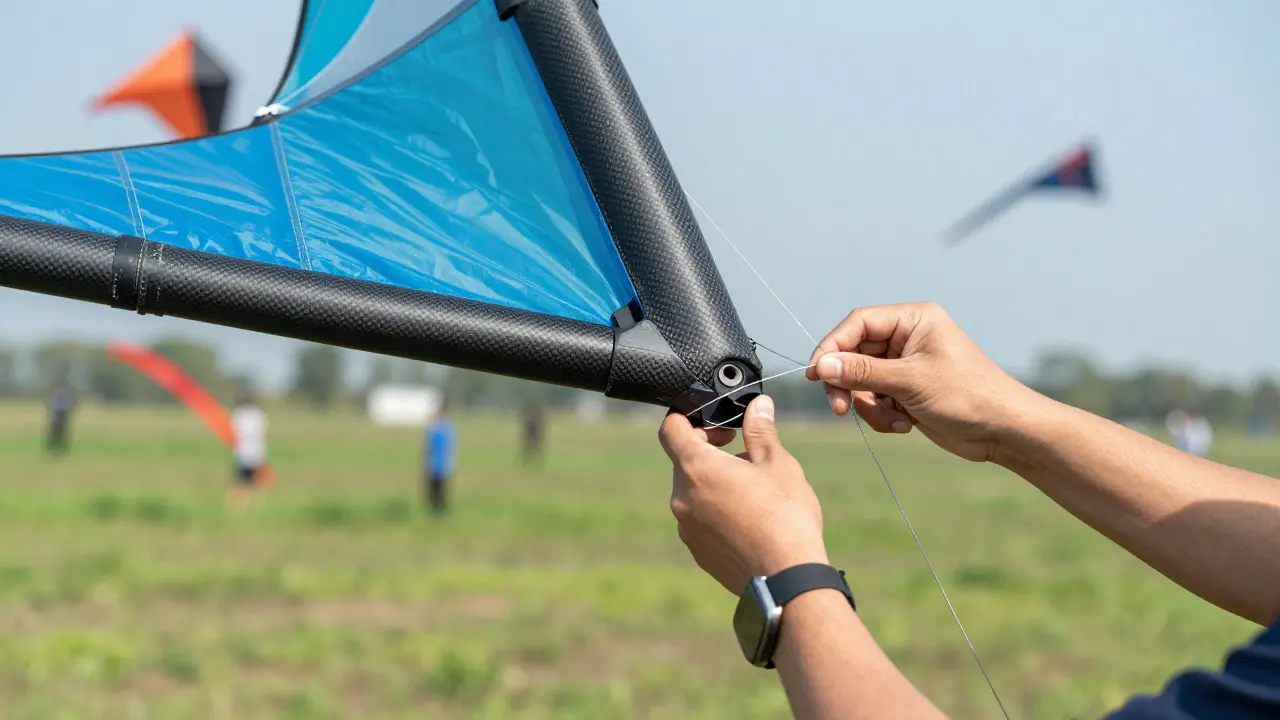
Standing at the edge of a windy field with a half-assembled kite in your hand while the rest of the crowd launches their creations is a nightmare every flyer knows too well. The difference between a memorable weekend and a frustrating one usually comes down to preparation. You don't need a military-grade supply drop, but you do need a smart kite festival packing list that covers the basics, the backups, and the elements.
Festivals vary wildly from calm lakefront parks to high-altitude mountain passes. Your gear needs to adapt to both. This guide breaks down exactly what to pack, why it matters, and how to organize it so you can spend more time watching the sky and less time digging through your bag for a missing part.
Core Kite Equipment: The Non-Negotiables
Your primary kite is the heart of your setup, but it doesn't work alone. A standard dual-line stunt kite or single-line power kite requires specific accessories to function safely and effectively. If you are attending a multi-day event, redundancy is key. You want to ensure that if one component fails, you have a backup ready within seconds.
- Kite Frame is the structural skeleton of the kite, typically made from carbon fiber or fiberglass rods. Check for cracks before you leave home. A snapped spar is unrecoverable on-site without specialized glue and clamps.
- Sail Material is the fabric surface that catches the wind, often made from ripstop nylon or polyester. Inspect for tears or UV degradation. Old sails lose tension and become prone to ripping in gusts.
- Control Bars are the handheld devices used to steer dual-line kites, featuring loops for finger placement. Ensure the loops are intact and the bar itself isn't warped. A bent bar changes the geometry of your control lines, making steering difficult.
- Control Lines are the synthetic cords connecting the kite to the handler, usually made from Dyneema or Spectra. These are your most critical wear item. Check for fraying near the knots. A broken line means a lost kite and potential danger to bystanders.
Always pack your spare lines separately from your main kit. Wrap them in a small pouch labeled "SPARE LINES" so you don't mix them up with trash bags or other cordage. If you fly a single-line kite, bring a backup bridle and tail assembly, as these are lightweight and easy to replace but vital for stability.
The Spare Parts Kit: Saving Your Flight
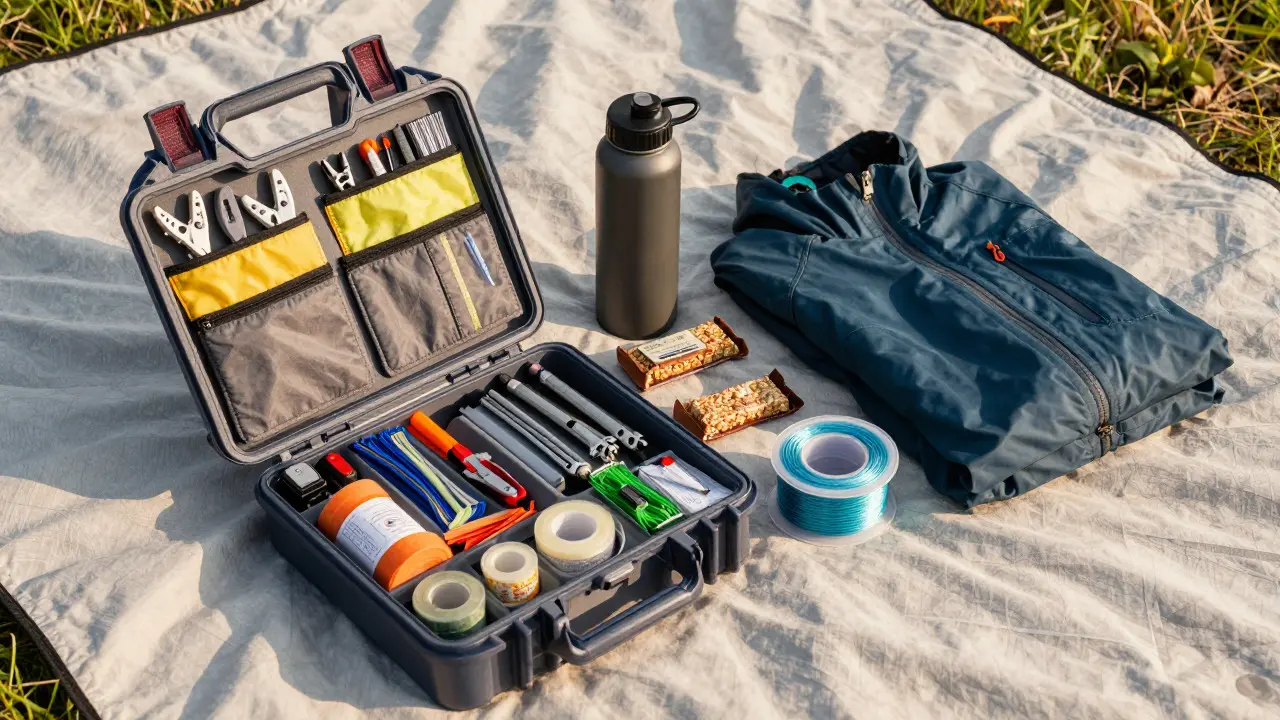
Even the best-prepared flyers face hardware failures. Wind, sand, and repeated stress take a toll on small components. A dedicated spare parts kit should be no larger than a shoebox but must contain everything needed to repair common issues on the fly.
| Item | Why You Need It | Quantity Recommended |
|---|---|---|
| Crimp Connectors | To attach new lines to bars or kite attachment points | 10-20 pieces |
| Zip Ties (Various Sizes) | Temporary fixes for broken spars or loose attachments | 25-50 pieces |
| Repair Tape | Patching small holes in sails or reinforcing weak points | 1 roll (weatherproof type) |
| Multi-tool | Tightening screws, cutting zip ties, adjusting hardware | 1 unit |
| Replacement Loops | For worn-out finger loops on control bars | 4-6 loops |
Don't forget the simple tools. A pair of sharp scissors or snips is essential for trimming excess line or cutting tape. Keep them in a sheath to avoid accidental cuts to your sail material. If you fly electric kites or LED-lit models, include a small battery pack and a USB charger, as portable power sources can drain faster than expected in cold weather.
Weather Gear: Adapting to Conditions
Kite flying is entirely dependent on atmospheric conditions. What works perfectly on a sunny day in July might fail miserably on a windy morning in October. Your weather gear isn't just about comfort; it's about performance and safety. Wind chill can make a mild temperature feel freezing, especially when you're standing still for long periods.
Layering is the golden rule. Start with a moisture-wicking base layer to keep sweat off your skin. Add an insulating mid-layer like a fleece or wool sweater. Top it off with a windproof shell jacket. This combination allows you to adjust your warmth as the sun rises or sets. For hands, which are crucial for controlling lines, use thin liner gloves under thicker insulated gloves. This lets you perform fine motor tasks like re-tieing lines without losing dexterity.
Footwear matters more than people think. Avoid smooth-soled shoes. You need traction on grass, dirt, or potentially wet surfaces. Trail runners or hiking boots with good grip are ideal. They also protect your feet from hidden debris in public fields. If you expect rain, pack waterproof overboots or gaiters. Wet feet ruin a festival quickly, and hypothermia risk increases significantly when your extremities get cold.
Personal Comfort and Hydration
You might be out there for hours. Comfort directly impacts your focus and reaction time. Dehydration leads to fatigue, which leads to mistakes. Bring more water than you think you need. A general rule is one liter per hour of active flying, adjusted upward for hot or dry conditions. Electrolyte tablets or drinks help maintain energy levels better than plain water during extended sessions.
Food choices should be easy to eat with one hand. Granola bars, nuts, and dried fruit are excellent options. Avoid messy foods like sandwiches or burgers if you plan to fly frequently, as crumbs attract insects and sticky fingers interfere with line handling. Pack a small first-aid kit including blister plasters, antiseptic wipes, and pain relievers. Minor injuries are common when setting up gear in uneven terrain.
Sun protection is non-negotiable. Even on cloudy days, UV exposure is high. Wear a wide-brimmed hat or a cap with a neck flap. Apply broad-spectrum sunscreen with SPF 30 or higher to exposed skin. Reapply every two hours. Sunglasses with polarized lenses reduce glare from the ground and sky, helping you track your kite more easily against bright backgrounds.
Organization Strategy: The Bag System
Having the right items is useless if you can't find them quickly. Use a modular packing system. Divide your gear into three distinct zones: Flying Gear, Repair Kit, and Personal Items. Use clear mesh bags or color-coded pouches for each zone. Label them clearly. When you arrive at the site, you should be able to set up your flying area in under five minutes. Time spent fumbling through a tangled mess is time lost to wind shifts and missed opportunities.
Keep your main kite in its original case until you are ready to launch. This protects the sail from dust and minor abrasions. Store your spare parts in a hard-shell case to prevent crushing by heavier items in your backpack. Your personal items, like food and water, should be in an easily accessible side pocket or a separate daypack. This keeps your weight balanced and allows you to move freely without dragging heavy bags across the field.
Safety Checks Before Launch
Before you even unpack your gear, assess the environment. Check local weather forecasts for wind speed and direction. Most recreational kites fly best in winds between 8 and 20 miles per hour. Below 8 mph, lift may be insufficient. Above 20 mph, control becomes difficult and dangerous. Use a handheld anemometer if you have one, or rely on visual cues like leaf movement and flag flutter. Ensure the flight zone is clear of trees, power lines, and obstacles. A quick walk-through of the perimeter saves headaches later.
Finally, check your insurance coverage if you are flying large or powerful kites. Some festivals require proof of liability insurance. Carry a digital copy on your phone and a printed version in your bag. This small step ensures that any accidental damage to property or injury to others is handled smoothly without disrupting your festival experience.
What is the most important item to bring to a kite festival?
Spare control lines are the most critical item. They are the most likely point of failure due to wear and tear, and a broken line stops your flight immediately. Having pre-cut and crimped spares ensures a quick replacement.
How much water should I drink while flying kites?
Aim for at least one liter of water per hour of activity. In hot or dry climates, increase this amount. Dehydration causes fatigue and slows reaction times, which can lead to loss of control over the kite.
Do I need special footwear for kite flying?
Yes, sturdy shoes with good traction are recommended. Smooth-soled sneakers can slip on wet grass or dirt. Trail runners or hiking boots provide stability and protect your feet from debris in outdoor fields.
What wind speed is ideal for beginner kites?
Beginners should aim for wind speeds between 8 and 15 miles per hour. This range provides enough lift to keep the kite airborne without requiring advanced steering skills to manage strong gusts.
How should I store my kite during the festival?
Keep your kite in its protective case when not flying. This prevents dust accumulation, minor tears from branches, and damage from other gear. Only unpack the kite when you are ready to launch.