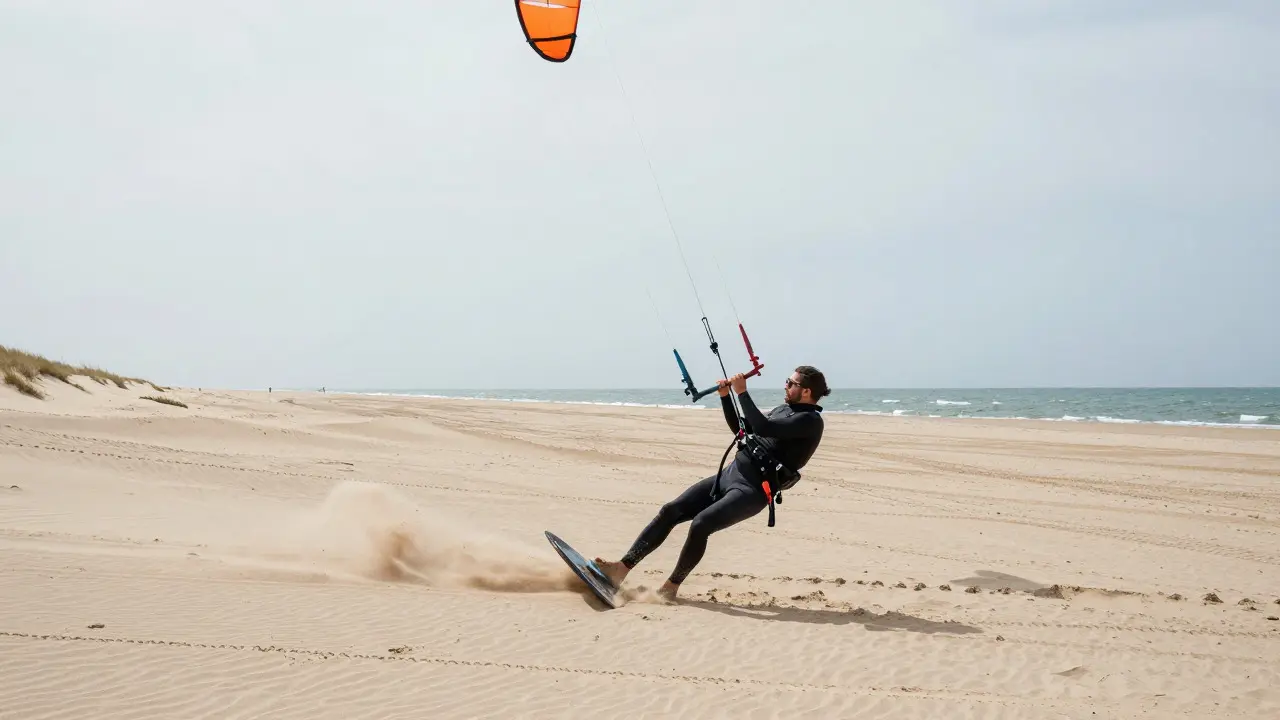
There is nothing quite like the feeling of a strong gust hitting your kite is a recreational device that harnesses wind power for flight and traction on an open beach. But if you have ever tried to launch from loose, dry sand without proper gear, you know the frustration. Your feet sink, your stance slips, and suddenly you are wrestling with a line instead of enjoying the ride. This is where kite sand anchors are specialized stakes or pegs designed to secure kites and gear in sandy terrain come into play. They are not just a luxury; for many riders, they are the difference between a smooth start and a tangled mess.
Most people assume that if you can stand still, you can launch a kite. That is a dangerous myth. Wind changes direction and speed in seconds. A stable base allows you to focus on the kite’s position in the window rather than worrying about whether your left foot will slide out from under you. In this guide, we will break down why these small tools matter, how to choose the right ones, and how to use them effectively so you can spend less time setting up and more time flying.
Why Loose Sand Is the Enemy of Stability
Sand behaves differently than grass or dirt. It is granular, meaning it shifts under pressure. When you plant your feet to resist the pull of a power kite is a large kite used for sports like surfing, snowkiting, and landboarding, the grains move around your boots. This creates a "quicksand" effect where the ground gives way exactly when you need it most. Without a fixed point, your body becomes the anchor, which is inefficient and tiring.
Using a dedicated anchor solves two problems at once. First, it provides a mechanical hold that doesn't rely on your muscle strength. Second, it keeps your gear organized. If you are launching multiple lines or managing a kite bar is the control handle attached to the kite lines used to steer and depower, having everything secured prevents lines from dragging through the sand and getting dirty or snagged. Think of it as the foundation of your setup. If the foundation is weak, the whole structure wobbles.
Types of Kite Sand Anchors You Can Buy
Not all anchors are created equal. You will find three main types on the market, each suited for different conditions and user preferences. Understanding the differences helps you avoid buying the wrong tool for your local beach.
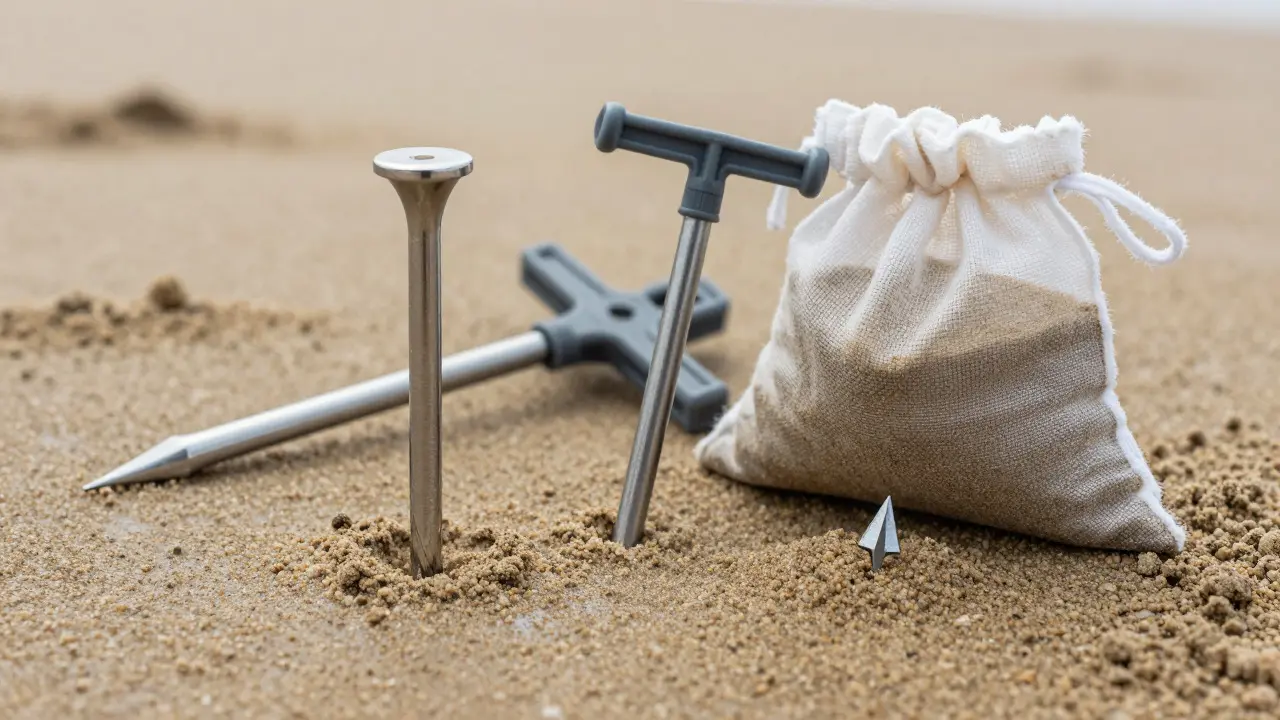
- Heavy-Duty Steel Pegs: These are thick, rust-resistant metal stakes. They are excellent for firm, damp sand but can be difficult to drive into very hard or compacted areas. They offer the highest holding power for heavy loads.
- Plastic T-Handle Stakes: Lighter and easier to carry, these are great for casual flyers. They work well in soft sand but may pop out if the wind gusts unexpectedly. They are often cheaper and replaceable.
- Ground Spikes with Bags: Some users prefer filling a small bag with sand and staking it down. This adds weight and distribution, making it harder for the wind to lift the entire setup. It’s a DIY-friendly option for those who don’t want to buy specialized hardware.
The best choice depends on your typical flying spot. If you fly in Oregon’s coastal beaches, where the sand can be wet and packed near the waterline, steel pegs are usually superior. If you travel to drier, inland dunes, plastic stakes might be sufficient and lighter to pack.
How to Choose the Right Anchor for Your Setup
Selecting the right anchor isn’t just about picking the biggest one. You need to consider the size of your kite and the expected wind conditions. A general rule of thumb is that the longer the stake, the better the hold, because it engages deeper layers of sand that are more compact. For most standard quad-line kites, a stake length of 12 to 18 inches is ideal.
Also, look at the diameter. Thicker stakes (around 5-7mm) provide more surface area against the sand particles, reducing the chance of slipping. However, thicker stakes are heavier. If you hike to remote spots, balance is key. You might opt for a slightly thinner but longer stake to save weight while maintaining depth.
| Type | Best For | Holding Power | Weight | Cost Range |
|---|---|---|---|---|
| Steel Pegs | Wet/firm sand, high wind | High | Medium | $10 - $25 |
| Plastic Stakes | Soft/dry sand, light wind | Moderate | Low | $5 - $15 |
| Sand Bags | All conditions, temporary | Variable | High (when filled) | $0 - $5 (DIY) |
Step-by-Step: Setting Up Your Launch Zone
Even the best anchor fails if installed incorrectly. Here is a practical routine to ensure your launch is rock-solid. This process takes less than two minutes but saves hours of frustration later.
- Find the Sweet Spot: Walk upwind from where you plan to stand. Look for an area where the sand feels firmest. Avoid depressions or ripples where the sand is loose.
- Angle the Stake: Drive the anchor at a 45-degree angle away from the kite. This uses the full length of the stake and leverages the sand behind it for resistance.
- Secure the Line: Attach your leash or a short tether to the anchor. Do not tie the main kite lines directly to the anchor unless you are using a specific launch technique. Instead, use the anchor to stabilize your bar or your feet.
- Test the Hold: Pull gently on the line to feel the tension. If it moves easily, re-drive it deeper or adjust the angle. You want it to feel immovable before you even inflate the kite.
- Organize Lines: Use the anchor as a central point to keep your lines from tangling. Wrap excess line around the stake or use a line organizer clipped to it.
This method ensures that when you inflate the kite, the energy goes into lifting the canopy, not shifting your footing. It also makes packing up faster because you know exactly where every piece of gear is anchored.
Common Mistakes to Avoid
Even experienced flyers make simple errors that compromise safety. One frequent mistake is anchoring too close to the waterline. As the tide comes in, the sand gets saturated and softer, causing anchors to slip. Always check the tide tables before you head out. If the tide is rising, move your launch zone further up the beach where the sand remains drier and firmer.
Another error is neglecting maintenance. Saltwater corrodes metal anchors quickly. After every session, rinse your steel pegs with fresh water and dry them off. A rusty anchor can snap under pressure, which is a safety hazard. Plastic stakes can crack in extreme cold, so inspect them for hairline fractures before each trip. Keeping your gear in good condition is just as important as choosing the right type.
Pro Tips for Better Performance
If you want to take your setup to the next level, consider these advanced tactics. First, try using two anchors for extra security in high winds. Place one upwind and one slightly to the side, creating a triangular base. This distributes the force and prevents any single point from failing.
Second, experiment with different materials. Some flyers use old tent pegs or even screws wrapped in tape for emergency fixes. While not ideal, they can save a day if you forget your kit. Finally, listen to other local flyers. Every beach has its quirks. The spot that works perfectly in Portland might fail in California due to different sand compositions. Local knowledge is invaluable.
Frequently Asked Questions
Do I really need a sand anchor if I have strong legs?
While strong legs help, they tire quickly. An anchor removes the physical strain, allowing you to stay relaxed and focused. It also prevents accidental slips that could lead to crashes or entanglements, especially in gusty conditions.
What is the best material for a kite sand anchor?
Stainless steel or coated aluminum offers the best durability and holding power. Plastic is lighter and cheaper but less reliable in hard sand. Choose based on your primary flying location and wind conditions.
How deep should I drive the anchor?
Drive it until it stops moving easily, usually 6 to 10 inches deep. Deeper is better for high winds. Ensure the top is flush with the ground or slightly below to prevent tripping hazards.
Can I use regular garden stakes for kiting?
Yes, but they may not be rated for the lateral forces of a kite. Garden stakes are often thin and brittle. If you use them, check for cracks and be prepared to replace them frequently. Dedicated kite anchors are engineered for this specific load.
How do I remove an anchor stuck in hard sand?
Twist the anchor back and forth while pulling upward. Adding a little water around the base can lubricate the sand and help release it. Avoid yanking straight up, as this can bend the stake or damage the line attachment.