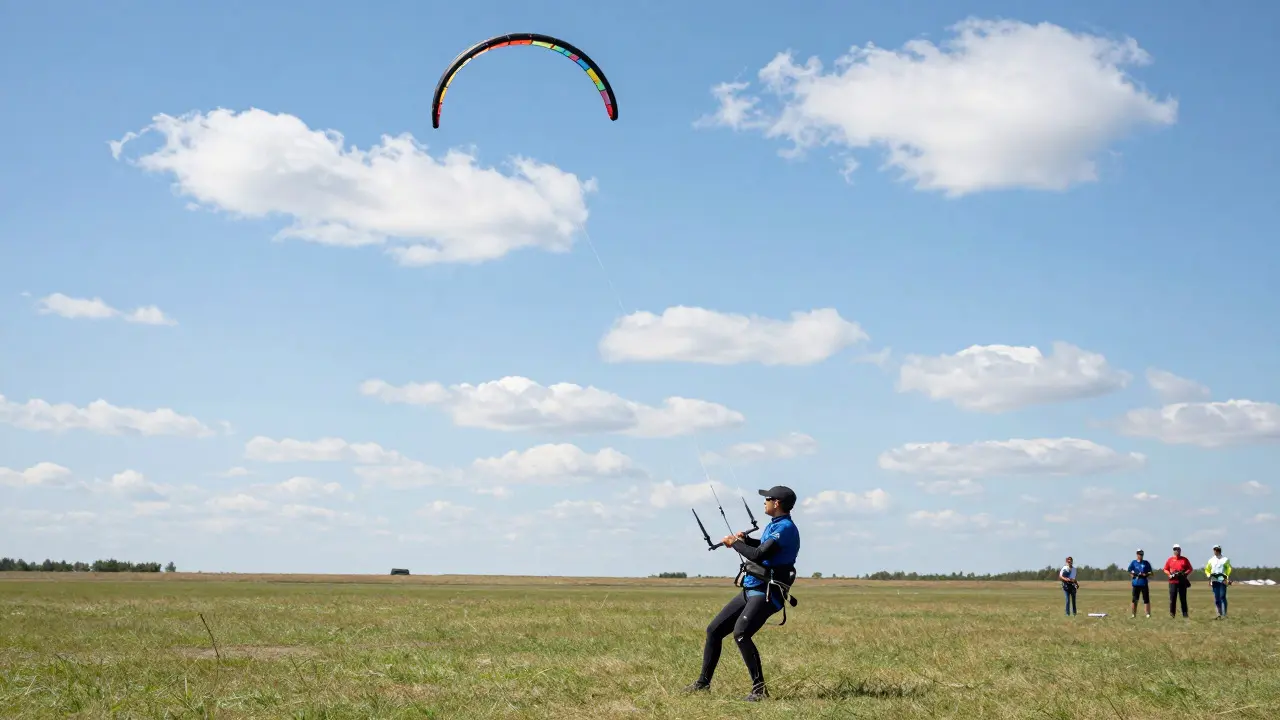
There is nothing quite like the silence of a wind tunnel before you launch. You check your lines, feel the breeze shift, and step back. Then, the judges raise their flags. If you are new to competitive Sport Kite Judging is the standardized process of evaluating pilot skill, kite control, and aesthetic presentation in official competitions., it can feel like an opaque art form. But it isn't. It is a precise science based on specific criteria defined by organizations like the International Kite Flyers Association (IKFA). Understanding where points leak away is the fastest way to improve your score. Most pilots lose more points to subtle technical errors than they gain from flashy tricks. Let's look at exactly what the judges are looking for and how to stop leaving money on the table.
The Core Criteria: What Judges Actually Measure
Before we talk about mistakes, you need to understand the buckets into which your performance falls. In most standard dual-line sport kite competitions, scoring is divided into three main categories: Flight Technique, Kite Control, and Presentation. Each category has a maximum point value, usually totaling 100 points per round. Flight Technique accounts for the majority of the score because it reflects your raw ability to manipulate the kite through the air. This includes height, speed, and the execution of specific maneuvers like loops, rolls, and spins. Kite Control measures how well you manage the tension and position of the kite relative to yourself. Presentation covers the visual appeal of your routine, including music synchronization (if applicable) and the smoothness of your transitions.
A common misconception is that doing more moves equals a higher score. This is false. A simple loop executed with perfect symmetry and height scores higher than a complex spiral done low and wobbly. Judges penalize inconsistency heavily. If you do five great loops and one sloppy one, that single error drags down your entire Flight Technique average. Consistency is king in this sport. The goal is not just to show off; it is to demonstrate reliable mastery over the equipment and the environment.
Top Deduction: Poor Height and Altitude Management
If there is one deduction that plagues amateur pilots, it is flying too low. Many beginners assume that staying close to the ground makes it easier to see the kite and react to wind shifts. However, judges view altitude as a direct indicator of control. Flying high requires managing line tension against gravity and wind lift, which demonstrates superior handling skills. When you fly low, you are essentially letting the kite sit in the turbulent boundary layer near the grass or pavement. This area is unpredictable, causing the kite to stall or jerk unexpectedly. These jerks are visible to judges and result in immediate point deductions for "lack of smoothness." Aim to keep the kite at least 30 feet above your head during sustained maneuvers. This clears the turbulence zone and gives the judges a clear, unobstructed view of your work.
Line Tension Errors: The Silent Point Killer
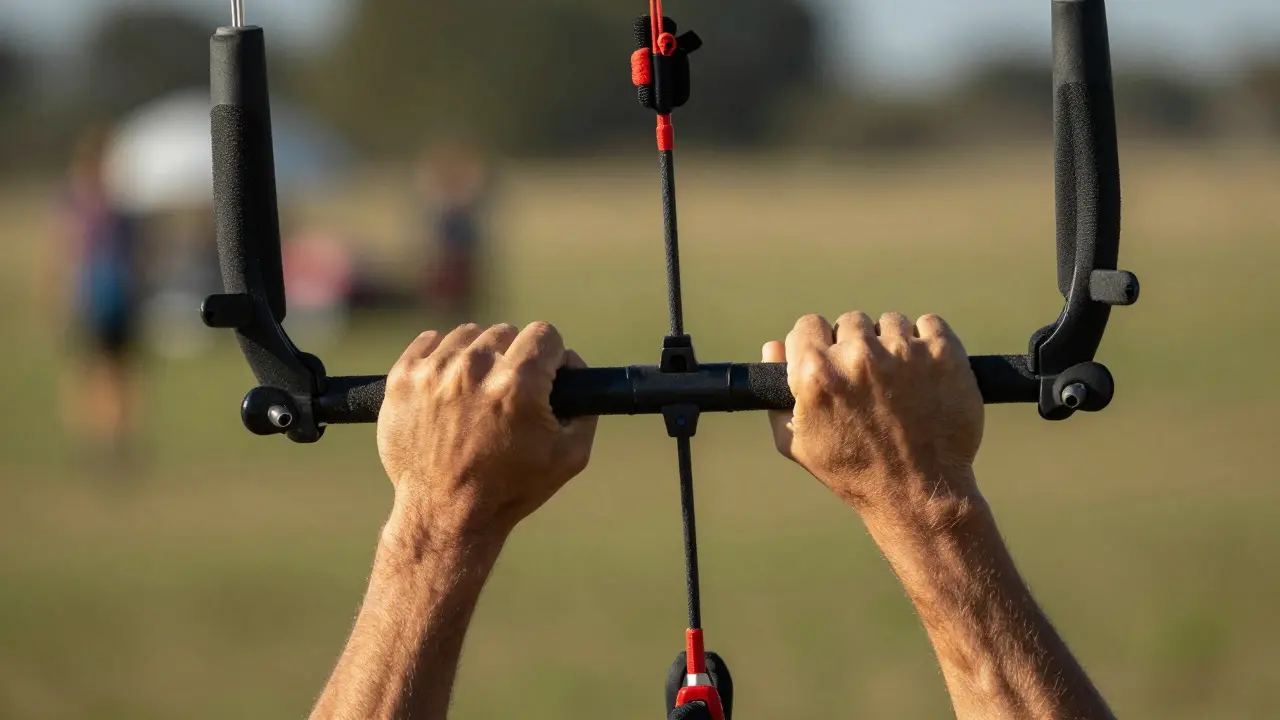
Line tension is the heartbeat of sport kite flying. It determines how responsive the kite is to your inputs. The two most common tension-related deductions are "slack lines" and "over-tightening." Slack lines occur when you pull the kite back too far or let go of the bars during a transition. Even a fraction of a second of slack causes the kite to lose aerodynamic stability. It might dip, wobble, or change direction slightly. To a judge, this looks like hesitation or loss of control. Conversely, over-tightening happens when you hold the bars out rigidly without allowing for natural flex. This makes the kite feel stiff and can lead to structural stress. The ideal state is dynamic tension. Your arms should be active but relaxed, adjusting the bar distance continuously to match the kite's speed and angle. Practice this in front of a mirror or record yourself to see if your posture remains fluid throughout the routine.
Maneufer Execution: Symmetry and Shape
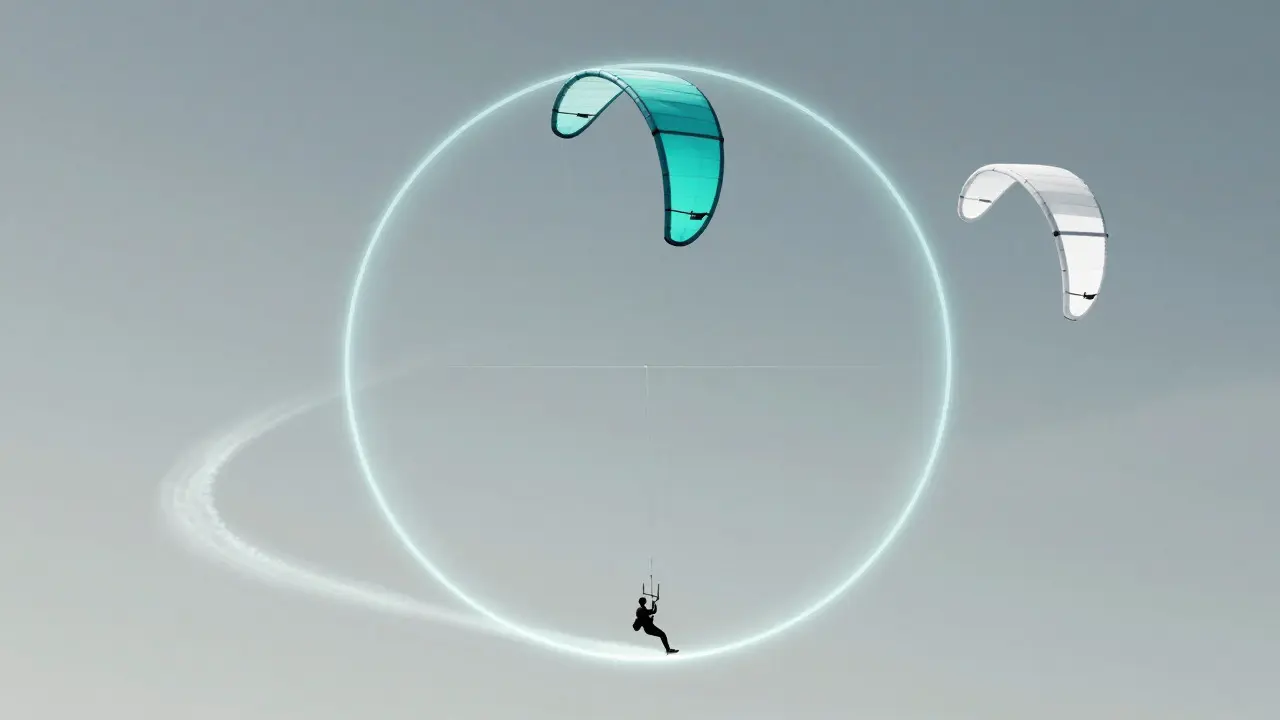
When executing standard maneuvers like loops, rolls, and spins, judges look for geometric perfection. A loop should be a perfect circle. A roll should be a clean cylinder. If your loop looks like an egg or a teardrop, you will lose points for "poor shape." This usually stems from uneven input on the left and right bars. For example, if you pull the left bar harder than the right during a loop, the kite will tilt, creating an elliptical path rather than a circular one. To fix this, focus on equalizing your arm movements. Use a metronome or count rhythmically while practicing. Another critical aspect is the entry and exit of the maneuver. Entering a loop too slowly causes the kite to stall at the top. Exiting too quickly snaps the kite out of alignment. Smooth acceleration into the move and deceleration out of it ensures the shape remains consistent from start to finish.
Positioning and Spatial Awareness
Your body position relative to the kite matters more than you think. Judges observe whether you are standing in a stable, balanced stance or flailing around trying to catch a slipping kite. Standing directly behind the kite's centerline allows for symmetrical inputs. If you drift to the side, you introduce lateral forces that make the kite difficult to control. Additionally, spatial awareness involves knowing where the kite is in relation to the field boundaries. Hitting the ground or going out of bounds results in automatic disqualification or heavy penalties. Always leave a safety margin of at least 50 feet from the edge of the competition area. This buffer zone protects you from sudden gusts that could push the kite out of the judging square.
Presentation and Rhythm
Even if your technique is flawless, a lack of presentation can cap your score. This category evaluates the overall flow of your routine. Are your transitions between moves abrupt? Do you pause awkwardly between sequences? Judges reward fluidity. Think of your routine as a dance. Each move should flow naturally into the next without dead air. If you use music, synchronization is critical. Being even half a beat out of sync with the track distracts the judges and breaks the immersion. Practice your routine to the exact audio file you plan to use in competition. Mark the timestamps for each major maneuver so you know precisely when to execute them. This preparation eliminates guesswork and allows you to focus entirely on execution.
| Deduction Type | Why It Happens | How to Fix It |
|---|---|---|
| Low Altitude | Flying in turbulent air near the ground | Maintain 30+ feet height; adjust line length |
| Slack Lines | Losing tension during transitions | Keep arms active; practice continuous bar movement |
| Poor Maneuver Shape | Uneven bar input causing elliptical paths | Equalize arm force; use rhythmic counting |
| Abrupt Transitions | Lack of planning between moves | Choreograph routines; practice flow drills |
| Out of Bounds | Ignoring field boundaries during gusts | Establish a 50-foot safety margin |
Wind Adaptation and Environmental Factors
Wind is the only variable you cannot fully control, but how you adapt to it is judged. Sudden gusts or lulls test your reflexes. If a gust hits and you freeze, the kite will surge forward, potentially causing a crash or a wild swing. Instead, absorb the energy. Relax your grip slightly and allow the kite to travel further upwind before correcting. During lulls, reduce your input to prevent stalling. Pilots who appear to fight the wind often look stressed and erratic. Those who seem to dance with it project confidence. This perceived ease translates to higher scores in the Kite Control category. Observe other pilots during warm-ups to gauge the wind conditions. If everyone is struggling with a specific gust pattern, adjust your routine to minimize exposure to those moments.
Pre-Competition Checklist for Peak Performance
To ensure you avoid these common pitfalls, run through this checklist before every round:
- Check Line Condition: Inspect for knots or wear. Frayed lines can snap under tension, ending your round instantly.
- Test Bar Alignment: Ensure your control bars are parallel and centered. Misaligned bars cause asymmetric pulls.
- Warm Up Muscles: Fly shoulder muscles and forearms for 5 minutes. Fatigue leads to sloppy form in the final rounds.
- Visualize the Routine: Mentally walk through your sequence, focusing on the transitions and timing.
- Hydrate: Dehydration affects reaction time and focus. Keep water within reach but not in your hands.
FAQ
What is the biggest mistake beginners make in sport kite judging?
The biggest mistake is flying too low. Beginners often stay close to the ground for visibility, but this puts the kite in turbulent air, causing wobbles that judges penalize heavily for lack of smoothness.
How much does line tension affect my score?
Line tension is critical. Slack lines indicate loss of control, while over-tightening shows stiffness. Both result in deductions under Kite Control. Dynamic, consistent tension is required for high scores.
Do judges care about the type of kite I use?
Not directly, but the kite's design affects how easily you can execute maneuvers. A poorly tuned kite may resist certain moves, making it harder to achieve the symmetry judges require. Ensure your kite is properly rigged for your weight and local wind speeds.
How can I practice for better presentation scores?
Record your flights and watch them back with the sound off. Focus on the visual flow of your movements. If you see pauses or jerky transitions, break those sections down and practice them slowly until they become fluid.
Is it better to do fewer moves perfectly or many moves imperfectly?
Fewer moves performed perfectly. Judges prioritize consistency and shape over quantity. A routine with five flawless loops scores higher than ten wobbly ones. Quality always beats quantity in competitive judging.