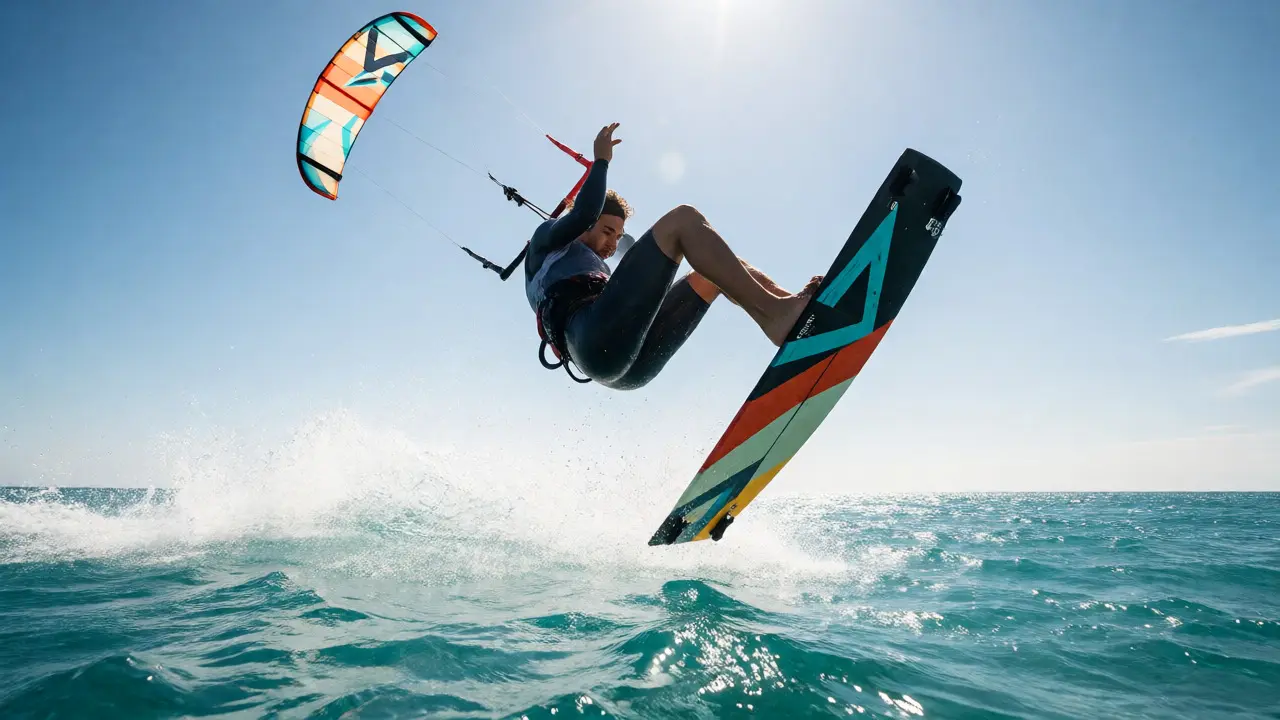
You watch a pro rider drop in, hit the water with explosive force, launch into the sky, spin three times, grab the board, land clean, and then immediately send it again. The crowd goes wild. The judges raise their scores. But if you are trying to understand freestyle kiteboarding or aiming to compete yourself, you might wonder: what exactly makes one set of tricks score higher than another? It isn't just about who spins the most rotations. It is a calculated mix of difficulty, variety, execution, and flow.
Understanding the scoring emphasis changes how you train. If you know that judges penalize repetitive moves or sloppy landings, you stop wasting time on easy loops and start drilling your unhooked handle passes. This guide breaks down the required elements of a winning freestyle set and explains exactly how judges weigh each component in modern competitions like the GKA (Global Kite Association) World Tour events.
The Anatomy of a Freestyle Set
A "set" in freestyle kiteboarding is not just a random collection of tricks. It is a timed sequence-usually lasting between 45 seconds to two minutes depending on the specific contest format-where the rider attempts to link multiple high-difficulty maneuvers together. The core requirement here is continuity. You cannot stop, wait for the wind to pick up, and then do one big jump. Judges look for a continuous flow of action. If you stall out or lose tension on the lines, your score drops significantly because you broke the rhythm.
To build a competitive set, you need a repertoire of at least five to seven distinct tricks. These usually fall into categories: surface tricks (done while skimming the water), air tricks (jumping off the lip of a wave or creating your own wake), and transition moves that connect them. A common mistake beginners make is stacking too many similar air tricks. If you do a front roll, then another front roll, then a third front roll, you are showing consistency but not versatility. Judges want to see range.
Difficulty vs. Execution: The Judge's Dilemma
This is where things get subjective, but there are clear guidelines. In recent years, the scoring emphasis has shifted heavily toward technical precision over raw height. Ten years ago, getting huge air was half the battle. Today, a massive loop with a sloppy landing often scores lower than a medium-height trick with perfect body position and a solid splashdown.
Execution covers several sub-elements:
- Body Position: Are your legs tucked tight? Is your head up looking at the landing zone? Judges deduct points for flailing limbs or poor posture.
- Handle Passes: For unhooked riders, passing the bar behind the back or between the legs adds significant difficulty value. However, if you fumble the pass or have to let go of the bar completely, the trick is considered failed or downgraded.
- Landing: This is critical. A "stomp"-landing with both feet squarely on the board without bending knees excessively-is highly rewarded. Riding away smoothly after the landing shows control.
Consider this scenario: Rider A does a Triple Backroll but lands on his butt. Rider B does a Double Backroll with a late grab and lands standing up. Rider B will likely score higher. Why? Because the risk of failure in Rider A's trick resulted in a loss of style points, whereas Rider B demonstrated mastery over a slightly easier move. Difficulty gets you attention; execution gets you the win.
| Criterion | Weight Percentage | What Judges Look For |
|---|---|---|
| Difficulty | 30% | Number of rotations, complexity of handle passes, rarity of the move. |
| Execution | 40% | Clean takeoff, stable mid-air posture, controlled landing, no falls. |
| Variety/Flow | 20% | Different types of tricks (front/back/side), smooth transitions, no stalling. |
| Style | 10% | Personal flair, grabs, aggressive edge control, confidence. |
Required Elements for Competition Entry
If you are signing up for a local comp or eyeing the world stage, you need to meet specific technical requirements before you even worry about style. Most major associations require that riders demonstrate proficiency in both hooked and unhooked riding. While some formats allow you to choose, the highest scores almost always come from unhooked performance because it allows for more complex bar work.
You must also be prepared for different wind conditions. A set that works perfectly in 25 knots might fail miserably in 15 knots. Judges evaluate your ability to adapt. Did you adjust your line length? Did you change your kite size? While these aren't directly scored, they affect your ability to execute the required elements. A key element often overlooked is safety compliance. If you drop your kite during a run due to a tangled line or failed relaunch, you don't just lose time; you lose momentum. Frequent interruptions break the flow and can lead to disqualification in strict formats.
The Evolution of Trick Standards
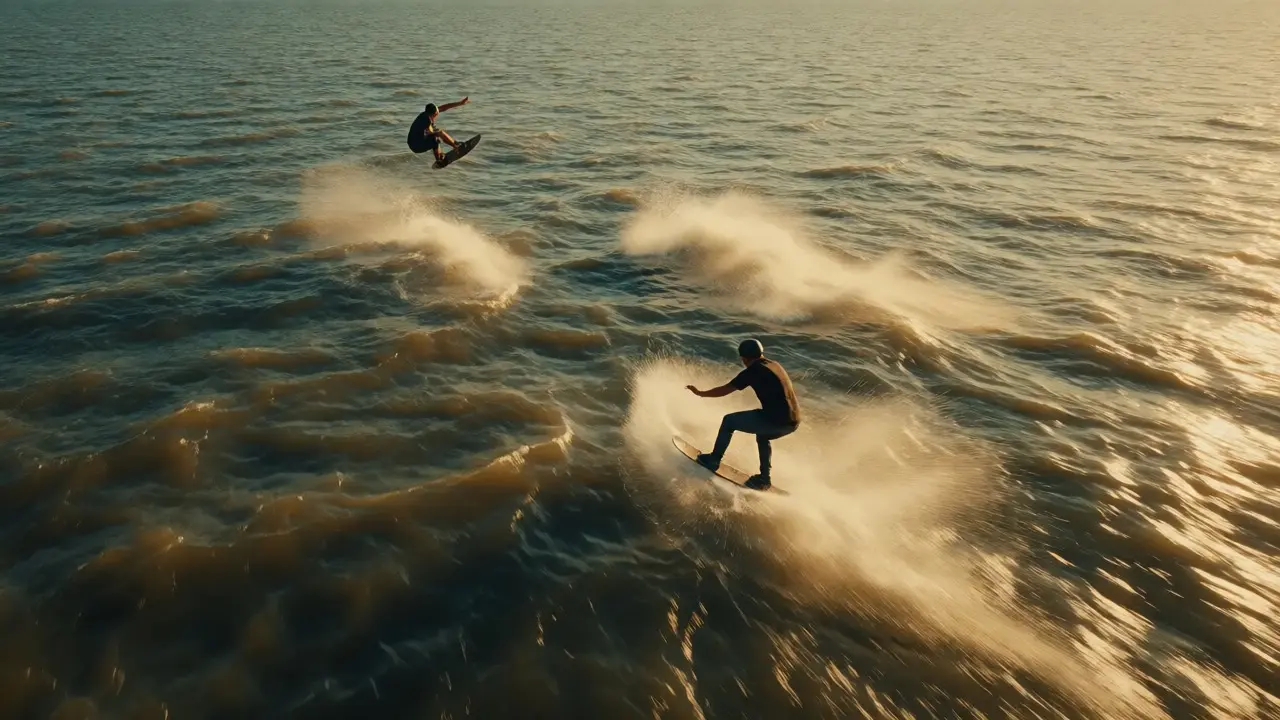
What counts as "difficult" changes every season. Five years ago, a blind landing (landing facing backward relative to the direction of travel) was rare and impressive. Now, it's expected in top-tier sets. Similarly, megaloops were once the ceiling of height. Now, riders are combining megaloops with handle passes or doing them off the lip of small waves rather than flat water.
Current trends emphasize "technical freestyle." This means less focus on pure verticality and more on horizontal progression and intricate bar work. Tricks like the Raley-to-Board-off, followed by an instant re-send, show advanced kite control. Another rising trend is the use of "surface tricks" as connectors. Instead of jumping for every move, pros might do a slide, pop into a small air, land, and immediately transition into a surface spin. This keeps the speed up and demonstrates complete mastery of the board.
Common Pitfalls That Kill Scores
Even experienced riders lose points on avoidable mistakes. Here are the biggest score-killers:
- The Stall: Landing a trick and then having to pump the kite or wait ten seconds to regain power. This looks desperate and breaks the visual narrative of the run.
- Repetition: Doing the same grab on every single air. Mix it up. Do a nose grab, then a tail grab, then a mute grab. Variety signals creativity.
- Line Tangles: Nothing ruins a run faster than a birdnest. If your lines tangle, you have to restart. Judges rarely give partial credit for a crashed run unless the crash happened on the final trick.
- Ignoring the Wind Window: Trying to perform a downwind trick when the wind is blowing side-on can result in poor lift. Smart riders position themselves to maximize the wind angle for their chosen tricks.
How to Train for Scoring Success
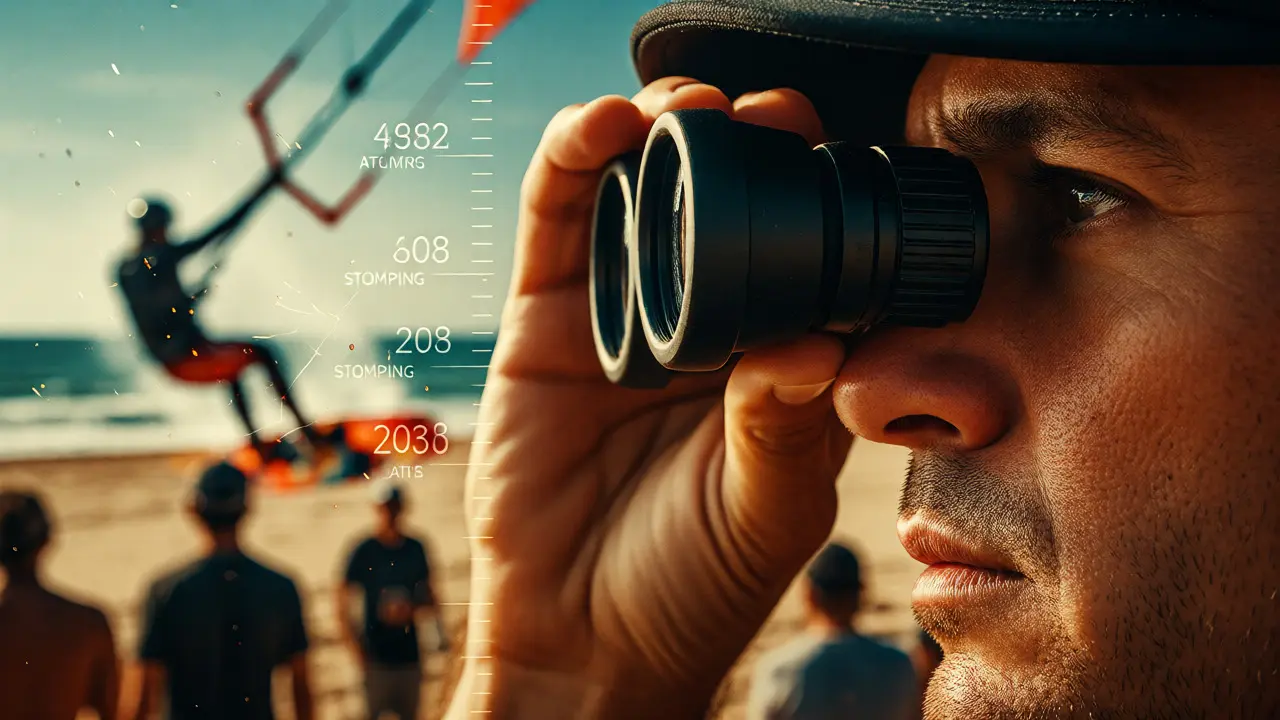
Training for competition is different from training for fun. You need to simulate pressure. Practice your full set repeatedly until you can do it without thinking. Then, add distractions. Have friends yell at you, film yourself, or practice in choppy water instead of glassy conditions.
Focus on your weak links. If your landings are inconsistent, drill nothing but landings for a week. Use a smaller kite to force better edging and control. If your handle passes are slow, practice them on land with a trainer bar. Video analysis is your best friend. Watch your footage frame-by-frame. Where did you lose balance? Did you lean back too far on the takeoff? Small adjustments yield big point gains.
Related Concepts and Connected Topics
Freestyle doesn't exist in a vacuum. It overlaps heavily with Wakestyle, which borrows techniques from cable parks. Many top freestylers cross-train in cable parks to refine their unhooked skills because the consistent pull helps isolate muscle memory. Additionally, understanding hydrodynamics helps. Knowing how your board planing affects your takeoff angle is crucial for generating enough pop for triple rotations.
Another connected area is equipment technology. The shift toward shorter lines (17m or 19m kites) changed the game by allowing faster turns and tighter arcs. Riders using older setups often struggle to keep up with the pace of modern sets. Keeping your gear tuned-checking for wear on the chicken loop, ensuring your depower system is responsive-is part of the preparation ritual.
Do I need to do unhooked tricks to win?
While not strictly mandatory in all amateur divisions, unhooked riding is essential for high-level scoring. It allows for complex handle passes and board-offs, which carry higher difficulty values. Hooked riders typically max out at simpler airs and surface tricks, limiting their potential score compared to unhooked competitors.
How long is a typical freestyle heat?
Most professional heats last between 60 and 90 seconds. Some formats allow two runs, taking the best score. Amateur contests may vary, sometimes offering longer windows to accommodate varying skill levels, but the expectation remains a continuous display of tricks within the allotted time.
What happens if I crash my kite mid-run?
If you crash and cannot relaunch quickly, your run effectively ends. Judges will score only the tricks completed before the crash. If you relaunch within a reasonable time (usually under 30 seconds), some judges may allow you to continue, but the broken flow often results in a lower overall impression score.
Is height more important than rotation count?
In current judging standards, execution and variety outweigh pure height. A moderate-height double rotation with a clean grab and perfect landing scores higher than a huge single rotation with a sloppy entry or exit. Control is king.
Can I repeat the same trick twice in a set?
You can, but it is risky. Repeating the exact same trick offers little variety value. If you must repeat, try to vary the approach-do one hooked and one unhooked, or change the grab. Otherwise, judges may view the set as lacking creativity.
Next Steps for Aspiring Competitors
If you are serious about competing, start by studying the rulebook of the specific association hosting your target event. Rules regarding tie-breakers, wind limits, and equipment specifications can vary. Next, find a mentor or coach who understands judging criteria. They can spot subtle flaws in your form that cost you points. Finally, enter local jams and smaller competitions. The pressure of being judged is different from filming yourself for Instagram. Learning to perform under scrutiny is a skill you develop through repetition in real contests.