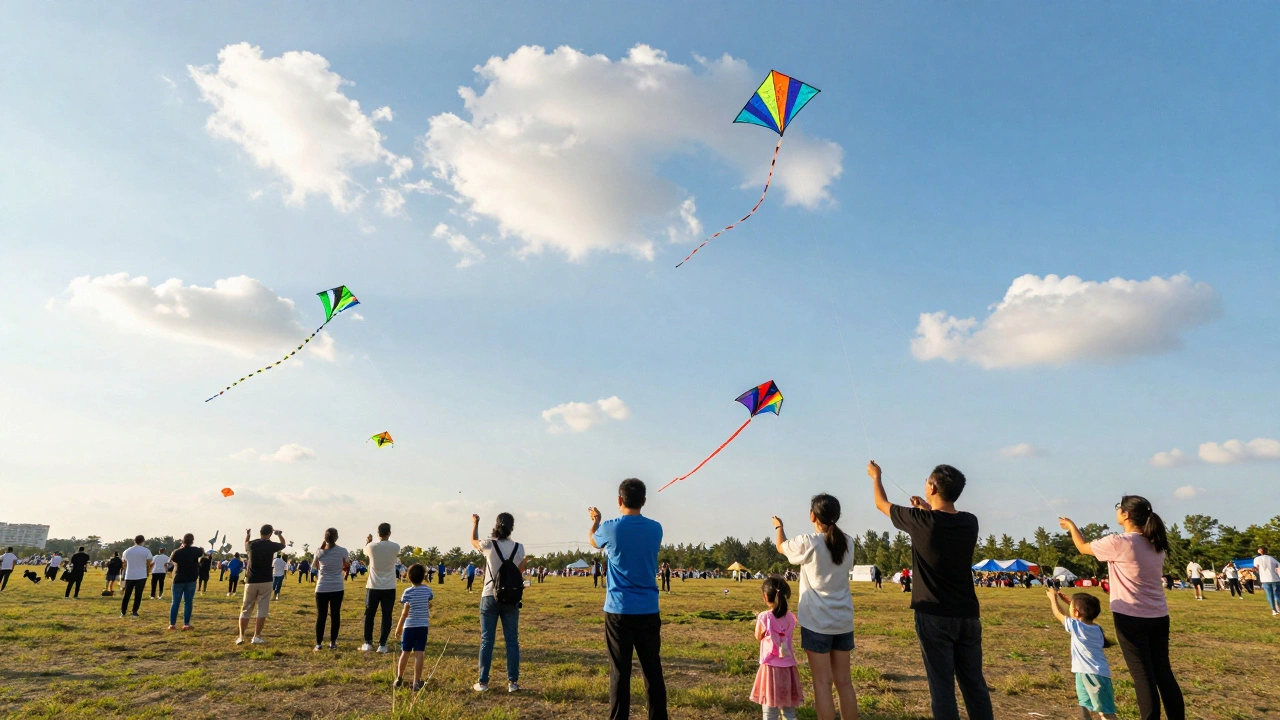
Imagine standing in an open field, the wind catching your sail, and watching dozens of other colorful shapes dance against the sky. It’s not just about the kites; it’s about the people holding the lines. Starting a kite flying club is a grassroots organization that brings together enthusiasts for shared recreation, education, and competitive events might sound like a whimsical idea, but it’s one of the most effective ways to build genuine community connections today. In a world dominated by screens, nothing pulls people outside quite like the promise of fresh air and friendly rivalry.
You don’t need a massive budget or professional credentials to get this off the ground. You just need a passion for the hobby, a willingness to organize, and a clear plan for how to keep things safe and engaging. Whether you’re looking to host casual fly-ins or structured tournaments, the foundation remains the same: create a space where beginners feel welcome and experts feel challenged.
Finding Your First Members and Defining the Mission
The first step isn’t buying equipment; it’s finding your tribe. Who do you want in your club? Are you targeting families with young children, serious stunt-kite pilots, or artists who hand-paint their sails? Defining your audience early prevents confusion later. If you aim for everyone, you often end up pleasing no one. A club focused on stunt kite racing requires high-wind conditions and specialized dual-line kites for agile maneuvers will attract a different crowd than one focused on traditional single-line kites for leisure.
Start small. Post flyers at local libraries, community centers, and parks. Use social media groups specific to your city or region. Look for existing hobbies that overlap-model aviation clubs, paper craft groups, or even outdoor running clubs can be great crossover audiences. When you hold your first meeting, keep it informal. Bring a few easy-to-fly kites so newcomers can try them immediately. The goal is to show them that flying is accessible. Ask them what they want: more learning opportunities, regular meetups, or competition?
Create a simple mission statement. For example: “To promote the art of kite flying through education, conservation, and friendly competition.” This gives your club direction. It helps when you apply for permits or seek sponsorships later. People join organizations that stand for something. Make sure your values align with yours. If safety and environmental stewardship are key, state that clearly from day one.
Securing Locations and Navigating Permits
Where you fly matters as much as how you fly. Not every park is suitable for kite flying. You need open spaces free from power lines, trees, and heavy foot traffic. Power lines are the biggest danger to both kites and people. A tangled kite can cause outages or electrocution risks. Always scout locations personally before inviting others.
In many cities, you’ll need a permit for organized gatherings. Check with your local parks and recreation department. Some areas allow small, informal fly-ins without paperwork, but once you start charging fees, selling food, or advertising widely, regulations kick in. Apply for a special use permit well in advance. Include liability waivers in your application process. This protects your club and its members.
Consider having backup locations. Weather dictates kite flying. If your primary field gets muddy or windy conditions shift, you need alternatives. Beaches are excellent for steady winds, while large parking lots or fairgrounds work well for calm days. Build relationships with local land managers. Show them that your club maintains cleanliness and respects public property. Leave the site better than you found it. This goodwill opens doors for future events.
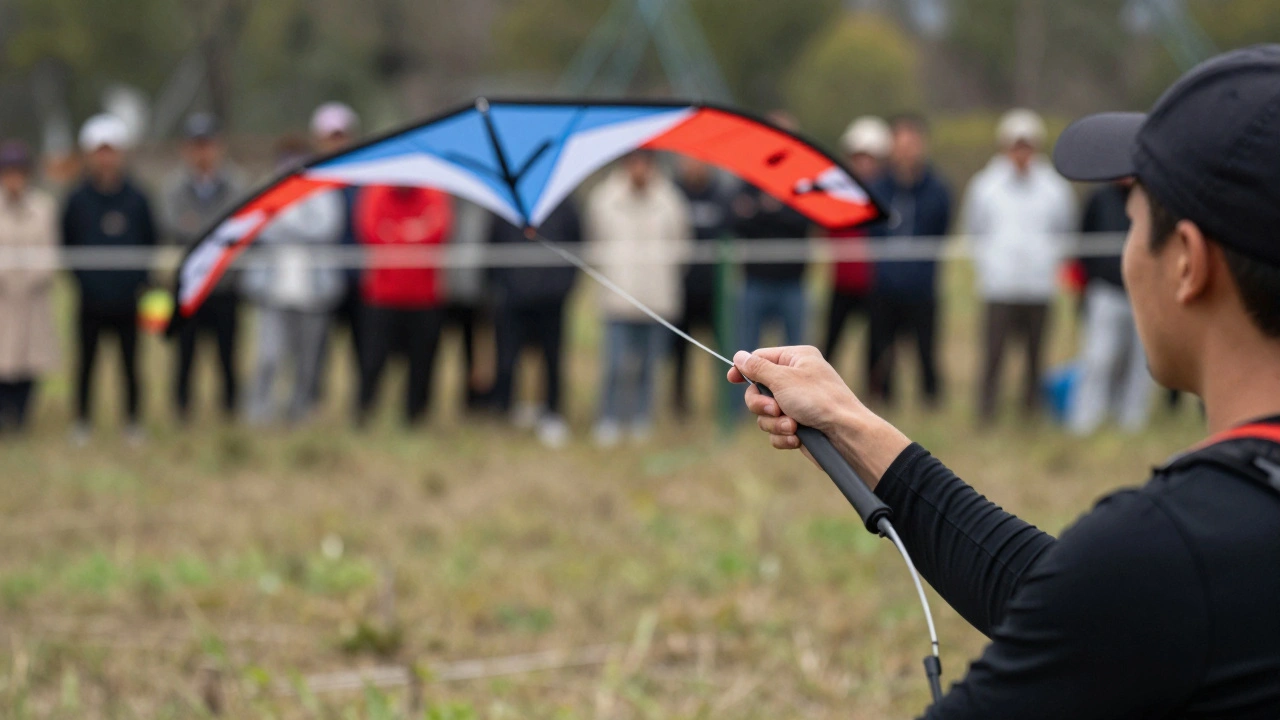
Designing Engaging Events and Competitions
A club thrives on activity. Regular fly-ins keep members engaged, but competitions drive excitement and growth. Structure your events to cater to different skill levels. Don’t let experienced pilots dominate every contest. Create categories like “Best Design,” “Longest Flight Time,” or “Beginner’s Choice.” This ensures everyone has a chance to win and stay motivated.
For competitive elements, consider adopting rules from established organizations like the International Kite Flyers Association (IKFA). They offer guidelines for team racing, figure flying, and artistic displays. Adapting these standards adds legitimacy to your club. Judges should be impartial-perhaps rotating among senior members or inviting guest judges from neighboring clubs.
Think beyond traditional racing. Host themed events: “Eco-Friendly Kites” using recycled materials, “Night Glowing Kites” with LED lights, or “Family Fun Days” with face painting and hot dogs. These variations attract new faces who might not otherwise attend. Partner with local businesses for sponsorship. A hardware store might donate string; a print shop could handle banners. Sponsorship reduces costs and increases visibility.
| Event Type | Skill Level Required | Equipment Needs | Audience Appeal |
|---|---|---|---|
| Casual Fly-In | All Levels | Minimal (Personal Kites) | Families, Beginners |
| Team Racing | Intermediate to Advanced | Dual-Line Stunt Kites | Competitive Pilots |
| Artistic Display | Creative Focus | Large Soft Kites, Decorations | General Public, Tourists |
| Educational Workshop | None | Bamboo, Paper, Glue | Schools, Hobbyists |

Safety Protocols and Risk Management
Safety cannot be an afterthought. Kite lines can cut skin if pulled tight, especially high-strength materials like Dyneema or Spectra. Establish clear safety zones. Keep spectators behind a marked line during launches and landings. Teach proper landing techniques to avoid dragging kites into crowds.
Require all participants to sign a liability waiver before joining any event. This document should outline potential risks: tripping hazards, allergic reactions to pollen, or minor injuries from falling. Consider offering basic first aid training for volunteer staff. Having a certified first aider on-site is invaluable.
Weather monitoring is critical. Never fly during thunderstorms. Lightning strikes are a real threat when you’re holding conductive lines outdoors. Install weather apps on your phones and check forecasts hourly. If winds exceed safe limits for certain kite types, enforce mandatory grounding. Educate members on reading wind indicators-flags, tree movement, and water ripples help gauge conditions accurately.
Growing Through Education and Outreach
To sustain momentum, invest in education. Host workshops on kite building. Teaching someone how to construct a diamond kite from bamboo and tissue paper creates a deeper connection to the hobby than simply buying one. Invite local artisans or engineers to speak about aerodynamics. Partner with schools for STEM programs. Many educators look for hands-on science projects involving physics principles like lift and drag.
Document your progress. Take photos and videos of events. Share stories on social media highlighting member achievements. Feature “Member of the Month” spotlights. This builds camaraderie and encourages participation. Collaborate with nearby clubs. Organize regional festivals where multiple groups showcase their skills. Larger events draw media attention, which boosts recruitment organically.
Finally, listen to your members. Hold quarterly surveys asking what they enjoy and what needs improvement. Adapt based on feedback. Maybe they want more evening events or longer durations for races. Flexibility keeps the club relevant. Remember, you’re building a community, not just a schedule. Foster friendships, share laughs, and celebrate every successful launch.
How much does it cost to start a kite flying club?
Starting costs can be minimal if you leverage existing resources. Initial expenses include printing flyers ($50-$100), basic first aid supplies ($30), and perhaps a starter set of demonstration kites ($100-$200). Permit fees vary by location but often range from $50 to $300 annually. Many clubs operate profitably by charging small membership dues ($10-$20 per year) or entry fees for major events ($5-$15).
Do I need insurance for my kite flying club?
While not always legally required for informal groups, liability insurance is highly recommended once you host public events or charge fees. General liability policies cover accidental injuries or property damage. Costs typically range from $300 to $1,000 annually depending on coverage limits and group size. Some national kite associations offer discounted group rates for affiliated clubs.
What are the best locations for hosting kite competitions?
Ideal locations feature wide-open spaces with consistent wind patterns and minimal obstacles. Beaches provide reliable sea breezes and soft landing surfaces. Large grassy parks away from roads and power lines work well for inland events. Fairgrounds and agricultural extension fields often have ample space and parking. Always verify local ordinances regarding drone usage and noise restrictions if amplifiers are needed.
How can I attract beginners to my kite club?
Focus on accessibility and fun rather than technical skill. Offer free trial sessions with loaner kites designed for stability. Provide patient mentorship from experienced members. Avoid jargon-heavy language in communications. Highlight family-friendly aspects and educational benefits. Social media campaigns showing joyful moments resonate more than complex rulebooks. Partnering with schools or community centers also reaches younger demographics effectively.
What safety gear should members carry?
Essential safety items include gloves to protect hands from line abrasion, sunglasses to reduce glare and eye strain, and sturdy footwear for uneven terrain. Whistles can signal emergencies quickly. Carry a compact first aid kit with bandages and antiseptic wipes. For night flying, reflective vests enhance visibility. Ensure all kites use non-conductive lines near electrical infrastructure to prevent shock hazards.