There is nothing more frustrating than a perfect offshore breeze turning into a nightmare of twisted lines and broken clips. You are out on the water, the fish are biting, and then suddenly your setup fails you. Kite fishing is a technique that uses a large kite to drag a fly or lure far beyond the reach of a standard cast, allowing anglers to cover vast areas of open water. While it offers incredible coverage, it introduces unique mechanical challenges that can ruin a trip if ignored.
The three most common killers of a kite fishing session are line twist, tangles, and clip failures. Understanding why these happen is the first step to fixing them. This guide breaks down the mechanics behind each issue and provides practical, field-tested solutions to keep your rig running smoothly.
Understanding Line Twist in Kite Rigs
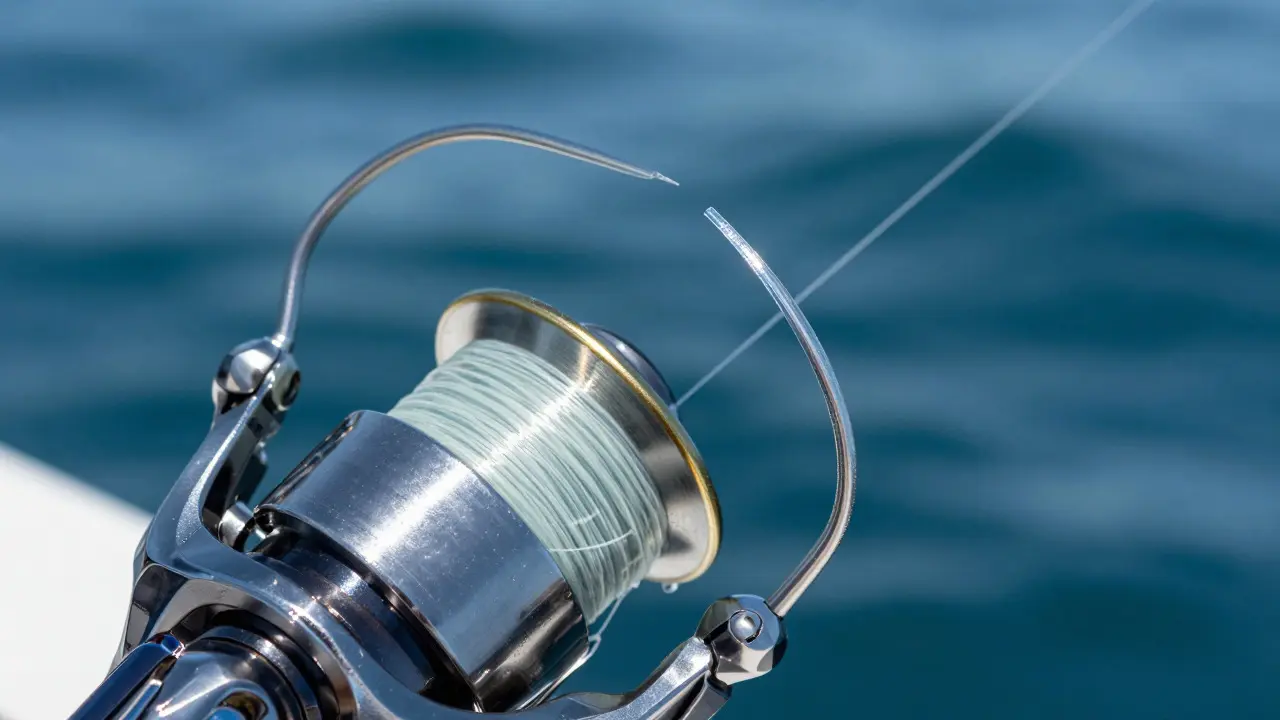
Line twist occurs when the rotation of the reel spool transfers torque to the line, causing it to coil around itself. In conventional casting, this is less of an issue because the line leaves the rod tip with little rotational force. However, in kite fishing, the line is under constant tension from the kite's pull. If your reel is not matched to your line weight, or if you are using a spinning reel with a high gear ratio against heavy resistance, twist accumulates rapidly.
The primary culprit is often the mismatch between the reel's spool diameter and the line thickness. A small spool holding thick line creates more friction and twist per turn. To mitigate this, many experienced kite anglers switch to a baitcasting reel or a specialized low-gear-ratio spinning reel. These reels release line more smoothly under load. Additionally, adding a leader made of monofilament or fluorocarbon between your braided main line and the fly helps absorb some of the rotational energy. Braided line is popular for its sensitivity and lack of stretch, but it transmits twist directly to the fly head, which can cause the fly to spin uncontrollably.
Preventing and Solving Kite Tangles
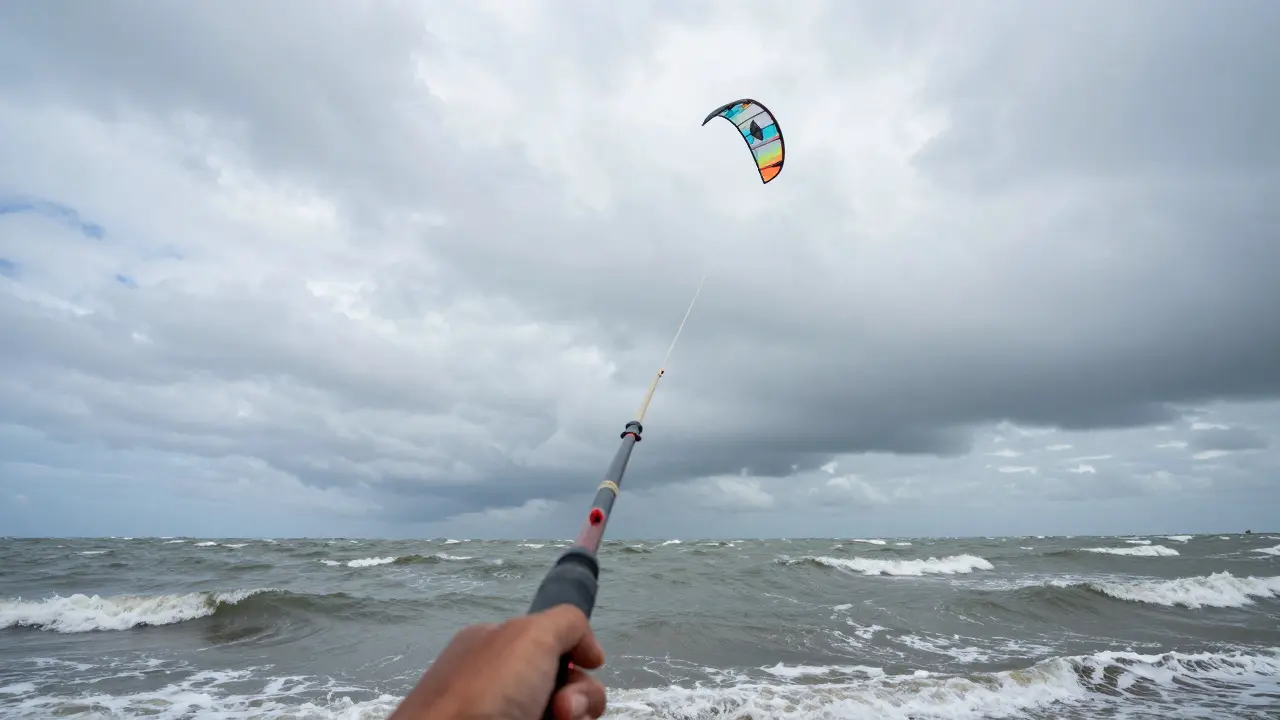
Tangles usually happen during launch, landing, or when the wind shifts direction abruptly. The kite's bridle (the string connecting the kite to the flying line) can wrap around the kite frame or the flying line itself. This is particularly dangerous if you are managing multiple kites or if your hand position on the reel handle changes unexpectedly.
To prevent tangles, maintain a consistent hand position on the reel handle. Always keep your thumb over the top of the handle and your fingers wrapped securely around the grip. When launching, ensure the kite has full clearance before letting go of the bridle. Use a kite leash that is long enough to allow the kite to rise vertically without dragging on the water surface. If a tangle does occur, do not panic. Stop reeling immediately. Let the kite drift down slightly to reduce tension, then carefully untwist the bridle by rotating the kite frame gently. Rushing this process often results in a snarled mess that takes hours to fix.
Clip Failures: Why They Happen and How to Stop Them
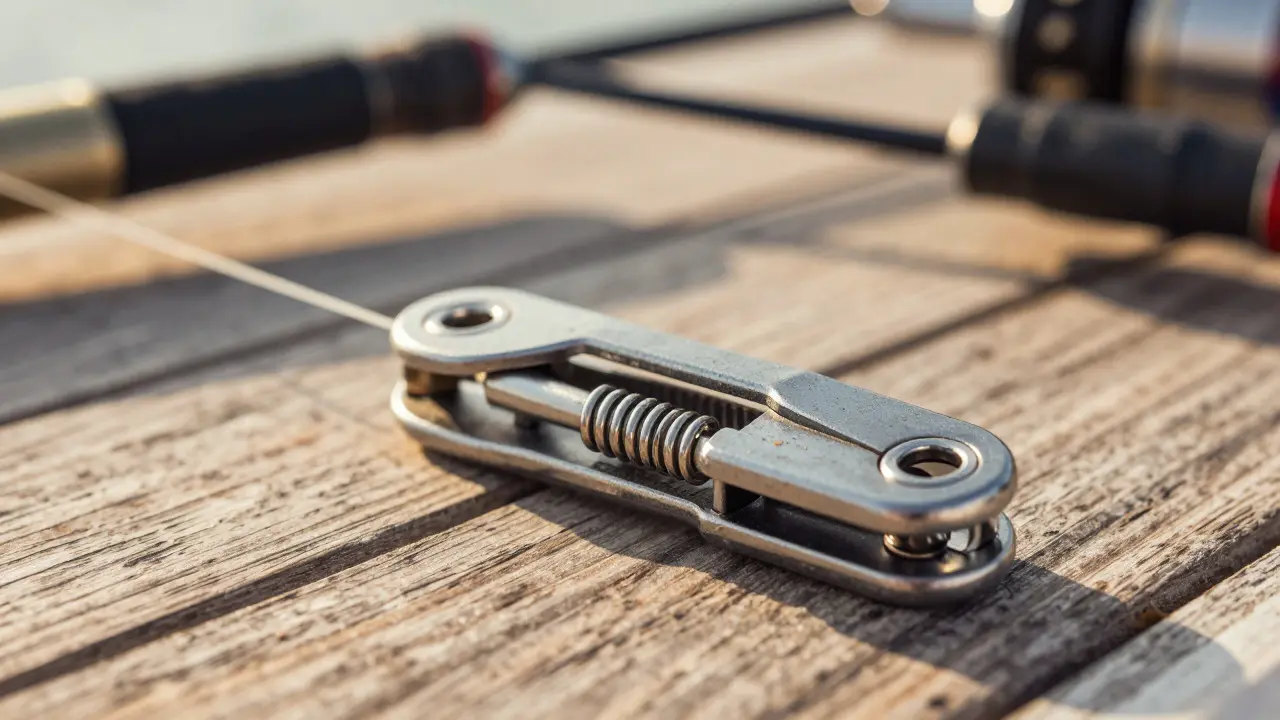
Clip failures refer to the breaking or slipping of the quick-release clips used to attach the kite bridle to the flying line. These clips are subjected to immense shock loads when the kite catches a gust of wind or when a large fish makes a sudden run. Over time, the metal springs inside the clips fatigue, or the plastic housing cracks due to UV exposure and saltwater corrosion.
One of the biggest mistakes anglers make is using generic carabiners instead of purpose-built kite clips. Purpose-built clips have a larger gate opening and a smoother internal surface that reduces friction on the line. Check your clips regularly for signs of wear, such as bent gates or discolored plastic. If you notice any deformation, replace them immediately. A failed clip in deep water means losing your entire rig, including the expensive kite and leader. Some anglers use a double-clip system for extra security, attaching two clips in series to distribute the load.
Equipment Selection for Durability
Your gear choice significantly impacts how often you face these issues. Here is a comparison of common setups and their pros and cons regarding reliability:
| Component | Common Option | Recommended Upgrade | Benefit |
|---|---|---|---|
| Main Line | Braided Nylon | Coated Braid + Mono Leader | Reduces twist transfer to fly |
| Reel Type | Standard Spinning | Low Gear Ratio Spinning | Better control under heavy load |
| Clips | Generic Carabiner | Dedicated Kite Clip | Larger gate, lower friction |
| Kite Material | Standard Ripstop | UV-Stabilized Ripstop | Longer lifespan in saltwater |
Investing in higher-quality components may seem like an unnecessary expense at first, but the cost of replacing a lost rig far exceeds the price of better clips or line. Saltwater environments are particularly harsh on equipment. Rinse all gear with fresh water after every session to prolong the life of your clips and reel mechanisms.
Field Maintenance and Pre-Flight Checks
Before you even get on the boat, perform a quick inspection of your setup. Start with the kite itself. Check the seams for tears and ensure the keels are straight. Next, inspect the bridle lines for fraying. A weak bridle point is a common cause of mid-flight failures. Then, check your clips. Open and close them several times to ensure they snap shut securely. Finally, verify that your reel drag is set appropriately for the expected fish size. Too much drag can snap the leader; too little allows the fish to strip line and potentially break the connection.
During the session, pay attention to wind consistency. Sudden lulls can cause the kite to drop sharply, increasing the risk of tangles. Sudden gusts can overload the clips. Adjust your positioning relative to the wind direction to maintain steady tension. If the wind becomes erratic, consider lowering the kite to a safer altitude or switching to a smaller kite model that is easier to control.
Common Mistakes to Avoid
- Ignoring line twist buildup: Don't wait until the line is visibly coiled. Add a leader early in the season to prevent issues.
- Using worn-out clips: Replace clips annually or sooner if you fish in saltwater. Fatigue is invisible until it's too late.
- Poor launch technique: Always launch into the wind with a clear path. Never launch from a crowded deck without signaling others.
- Neglecting reel maintenance: Clean and lubricate your reel regularly. Salt deposits can jam the bail mechanism, leading to line mishandling.
Frequently Asked Questions
What is the best line type for kite fishing to prevent twist?
A combination of coated braid for the main line and a monofilament or fluorocarbon leader is ideal. The leader absorbs rotational energy from the reel, preventing the fly from spinning excessively while maintaining the strength and sensitivity of the braid.
How often should I replace my kite clips?
In freshwater, check them every season. In saltwater, inspect them monthly and replace them annually. Look for bent gates, cracked housings, or rust. If in doubt, replace them. The cost of new clips is minimal compared to losing a kite.
Why does my kite tangle only during landing?
Landing is the most chaotic phase because the kite loses lift and becomes unstable. Ensure you have a dedicated assistant to catch the bridle. If working alone, use a longer bridle and approach the landing zone slowly, keeping the kite nose-up to avoid wrapping around the frame.
Can I use any carabiner for kite fishing?
It is not recommended. Generic carabiners often have small gates that create high friction points on the line, leading to abrasion and potential failure. Dedicated kite clips have wider gates and smoother finishes designed specifically for this application.
How does wind speed affect clip stress?
Higher wind speeds increase the dynamic load on the clips. A gust can momentarily double the static tension. Choose clips rated for loads higher than your maximum expected wind speed. For example, if you fish in 20 mph winds, use clips rated for at least 50 lbs of shock load.