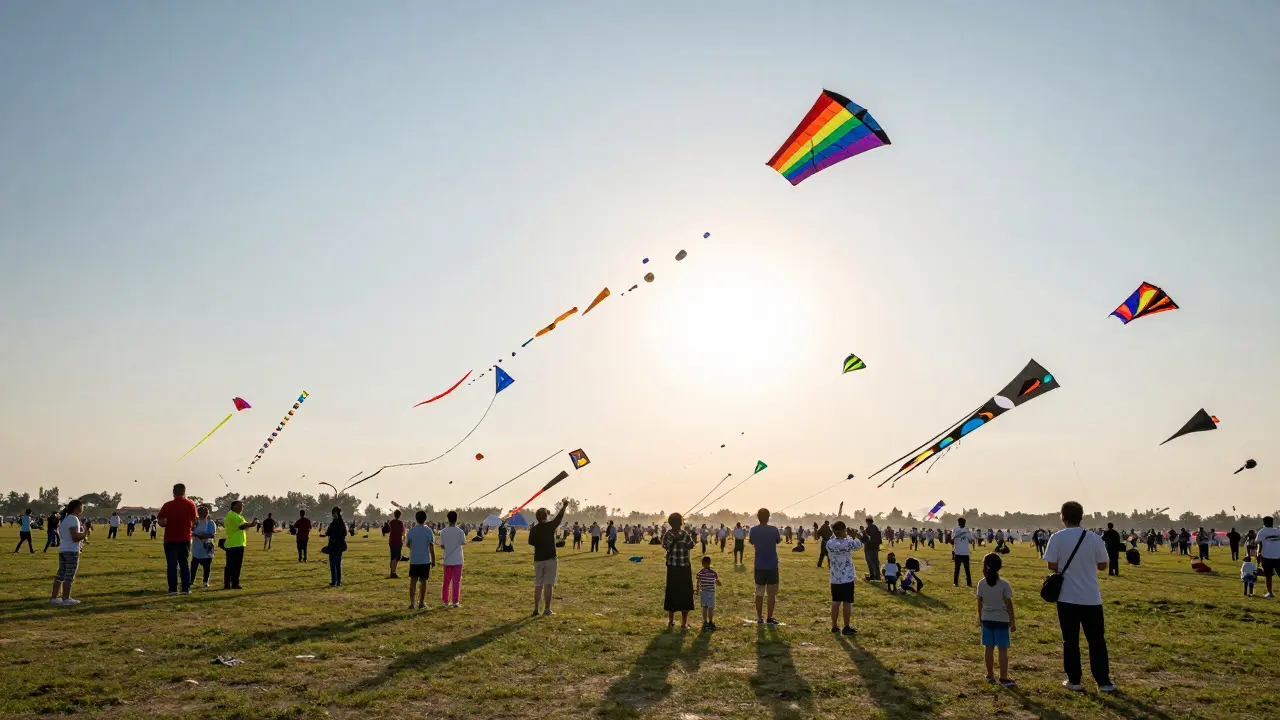
There is something deeply satisfying about watching a kite catch the wind and lift off. But when thousands of them fill the sky at once, it becomes a spectacle that stops traffic and draws crowds from every corner of the globe. If you are looking for the best places to see this phenomenon, you need to look beyond your local park. The world is home to several major international kite festivals that blend competition, culture, and sheer visual chaos in ways that are hard to replicate elsewhere.
This guide breaks down the most significant kite events on Earth. We will look at where they happen, what makes them unique, and how you can plan a trip to witness them. Whether you are a competitive flyer, a casual observer, or just someone who loves colorful things in the air, these events offer a specific type of joy that only high-altitude aerodynamics can provide.
Why Kite Festivals Are More Than Just Toys
Kiting has ancient roots, but modern festivals have turned it into a global sport and an art form. The central entity here is not just the toy itself, but the community and engineering behind it. A standard recreational kite is simple, but the kites seen at major competitions often feature complex carbon fiber frames, computer-controlled flight paths, and fabrics designed to withstand hurricane-force winds. These events serve as a testing ground for new materials and designs. When you watch a stunt kite loop through the air with precision, you are seeing decades of iterative design work come to life.
The social aspect is equally important. Kite festivals act as massive networking hubs for engineers, artists, and families. You will see school groups building paper kites next to professional teams tuning their dual-line setups. This mix creates an atmosphere that feels less like a sporting event and more like a creative fair. It is rare to find an activity where a six-year-old and a sixty-year-old can compete on relatively equal footing based on skill and creativity rather than physical strength.
The Global Calendar: Where to Go
The timing of these festivals is dictated by weather patterns. You cannot fly a large kite in a dead calm, so organizers schedule events during peak wind seasons in different hemispheres. This means the global calendar is split between Northern Hemisphere summers and Southern Hemisphere winters, with some locations offering year-round opportunities due to consistent trade winds.
| Festival Name | Location | Typical Dates | Key Feature |
|---|---|---|---|
| International Kite Festival | Berkeley, California, USA | October | Massive scale, 50+ countries participating |
| Uttar Pradesh International Kite Festival | Jaipur, India | January (Makar Sankranti) | Cultural heritage, millions of participants |
| Festival of Kites | Weymouth, UK | May | Family-friendly, coastal setting |
| Kite Festival of Brazil | Fortaleza, Brazil | July/August | Competitive stunt flying, strong local tradition |
Each location offers a distinct vibe. Berkeley, for instance, is known for its sheer volume of entries. The hills provide natural updrafts that allow even novice flyers to keep their kites aloft for hours. In contrast, Jaipur’s festival is tied to the Hindu festival of Makar Sankranti, marking the sun's transit into Capricorn. Here, kite flying is a religious and cultural duty, not just a hobby. The skies over Jaipur can hold tens of thousands of kites simultaneously, creating a canopy of color that blocks out the sun for parts of the day.
Northern Hemisphere Highlights
If you are based in North America or Europe, the fall and spring months are your prime windows. The Berkeley International Kite Festival in California is arguably the largest in the Western world. Held annually in October, it attracts over 100,000 visitors. The event features a "World Cup" component where top teams from around the globe compete for prize money. But the main draw is the open field, where anyone can bring a kite and join the fray. The city shuts down certain streets to accommodate the crowd, turning downtown into a pedestrian-only zone filled with vendors selling everything from organic snacks to custom-made tails.
In Europe, the UK’s Weymouth Festival stands out for its accessibility. Located on the Jurassic Coast, it combines kite flying with scenic beach walks. The event is smaller than Berkeley’s but often cited as better organized for families. Children’s workshops are a staple, teaching kids how to build simple diamond kites from bamboo and tissue paper. This hands-on approach ensures that even first-time visitors leave with a tangible souvenir and a basic understanding of aerodynamics.
Southern Hemisphere and Tropical Events
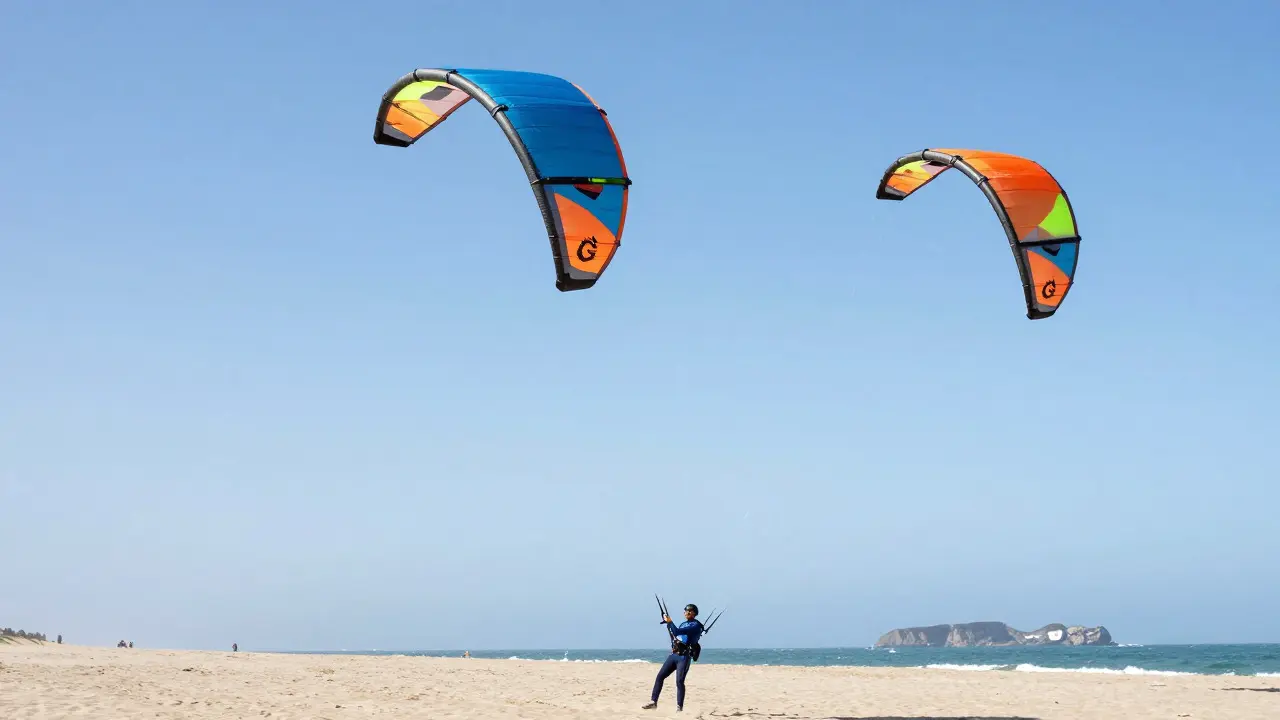
When the Northern Hemisphere cools down, the action moves south. Brazil has a deep-rooted kite culture, particularly in the northeastern state of Ceará. The Fortaleza Kite Festival takes place during the windy season, which runs from July to August. Unlike the artistic displays in Berkeley, Brazilian festivals often emphasize competitive stunt flying. Teams perform synchronized routines involving multiple kites controlled by single pilots. The precision required is immense; a slight miscalculation in line tension can result in a crash that costs points. Watching these competitions is like watching ballet performed in the sky, with music playing over loudspeakers to set the rhythm for the pilots.
Australia also hosts notable events, such as the Adelaide International Kite Festival. Held in the spring, it leverages the reliable westerly winds blowing off the Gulf St Vincent. The event is known for its relaxed atmosphere and strong focus on environmental awareness. Many participants use recycled materials to build their kites, and there are often workshops on sustainable crafting. This aligns with a broader trend in the hobby where eco-friendliness is becoming a key metric for success, not just speed or altitude.
What Makes a Kite Festival Successful?
Organizing a successful kite event requires more than just finding a windy day. Wind consistency is the number one factor. Organizers monitor meteorological data for weeks prior to the event to predict wind patterns. They need steady breezes of 8 to 15 miles per hour. Anything slower, and the heavy competition kites won’t lift. Anything faster, and the risk of crashes increases significantly, potentially injuring spectators.
- Wind Management: Using windsocks and anemometers to map the field in real-time.
- Safety Zones: Designating no-fly zones near trees, power lines, and dense crowds.
- Logistics: Managing waste from thousands of plastic kites and food packaging.
- Community Engagement: Inviting local schools and businesses to participate, ensuring the event benefits the host city economically.
Safety is often overlooked by newcomers. Flying a kite seems harmless, but entangled lines can cause serious injuries. Most major festivals employ spotters who watch the sky for tangled lines and signal pilots to cut loose if necessary. If you plan to attend, keep your distance from the flight lines and avoid running under a flying kite. The force of a snapping line can be surprising, especially if it is a thick braided string used for stunt kites.
Planning Your Trip: Practical Tips
Attending a major kite festival is a logistical challenge. Accommodations in host cities like Berkeley or Jaipur sell out months in advance. Book early, ideally three to six months before the event. If you miss the peak dates, consider visiting during the setup or teardown phases. You might get cheaper rates and still see some flying, though the scale will be reduced.
- Check the Weather Forecast: Don’t rely on long-range predictions. Look at hourly forecasts for the week of your visit. Wind is unpredictable.
- Pack Lightly: You likely don’t need to bring your own gear unless you are competing. Renting or buying a cheap local kite is a fun way to participate without the hassle of transporting fragile equipment.
- Bring Sun Protection: Kite festivals are outdoor events. You will be standing in open fields for hours. Hats, sunglasses, and sunscreen are essential.
- Hydrate Constantly: Walking across a large field burns energy. Carry a refillable water bottle to reduce plastic waste and stay hydrated.
For those interested in trying their hand at flying, start with a simple delta or parafoil kite. These are stable and forgiving. Avoid multi-line stunt kites until you have taken a lesson. The learning curve is steep, and crashing a $200 kite in front of a crowd can be embarrassing. Local instructors are usually available at major festivals and offer half-day clinics for beginners.
The Future of Kite Culture
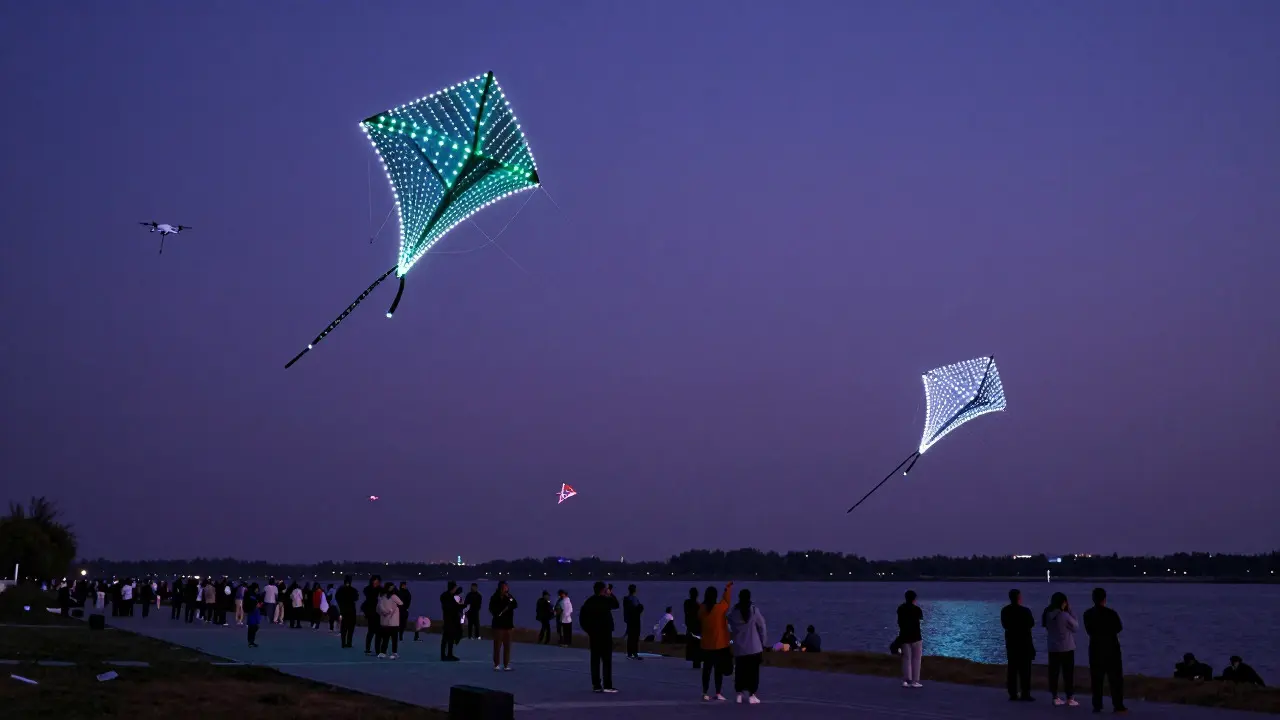
Kite festivals are evolving. Technology is changing the game. Electric kites, powered by small motors, are gaining popularity for night shows. LED lights embedded in the fabric create glowing shapes against the dark sky. This shift allows festivals to extend into the evening, increasing ticket sales and spectator time. Drone integration is another area of growth, with some events featuring synchronized drone and kite displays. While purists argue that drones lack the tactile connection of a physical line, the visual impact is undeniable.
Sustainability remains a pressing issue. The amount of plastic waste generated by disposable kites is significant. Several festivals are now banning non-biodegradable plastics and encouraging participants to use cotton or hemp strings. This change reflects a broader societal shift toward environmental responsibility. As climate change alters wind patterns globally, organizers may need to adapt their schedules. Some regions are experiencing longer dry spells, while others face more intense storm systems. Flexibility will be key for the survival of these annual traditions.
Do I need to buy a kite to attend a festival?
No, attendance is free or low-cost for spectators. However, many festivals have areas where you can rent a simple kite or buy one locally. Bringing your own is optional but recommended if you want to actively participate in the flying.
What is the best time of year to see kite festivals?
It depends on the hemisphere. In the Northern Hemisphere, peak season is typically spring (April-May) and fall (September-October). In the Southern Hemisphere, it is autumn (March-April) and winter (June-August), depending on local wind patterns.
Are kite festivals suitable for children?
Yes, most major festivals are family-friendly. They often include dedicated children’s zones with safe flying areas, workshops, and entertainment. However, parents should supervise young children near flight lines to prevent tangling accidents.
How much does it cost to enter a major international kite festival?
Entry fees vary. Spectator access is often free or ranges from $5 to $20. Competitors pay higher registration fees, which can range from $50 to $200 depending on the category. Food and merchandise costs are additional.
Can I fly my own kite at any festival?
Usually, yes, but check the rules. Some festivals restrict the size of kites or require pre-registration for large or multi-line kites. Always read the specific guidelines for the event you plan to attend to avoid having your kite confiscated.