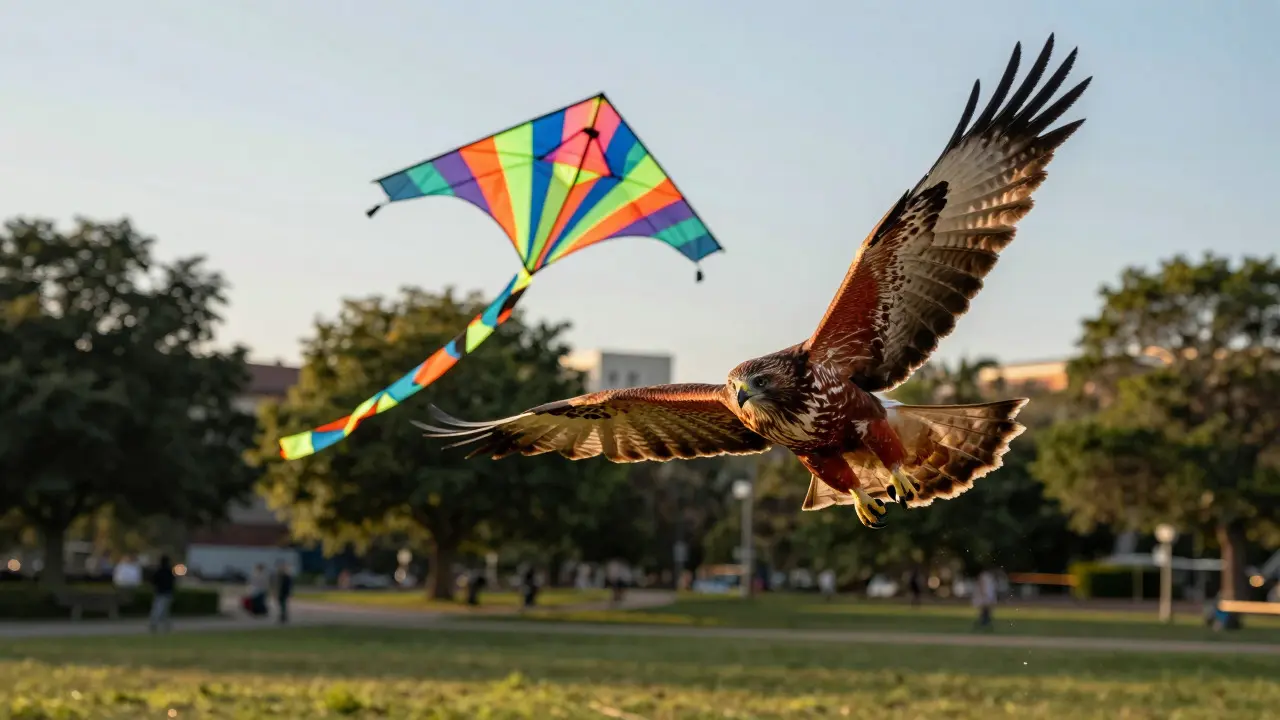
Have you ever watched a hawk dive-bomb a kite in the park? It’s not just aggressive behavior; it’s often a survival instinct. When you fly a kite is a lightweight aircraft that uses wind lift to stay airborne, typically controlled by a single line held by the pilot., you are introducing a foreign object into the airspace of local fauna. For birds, it looks like prey or a rival. For pets, it can look like a toy. And for ground wildlife, the line itself is a silent killer. Understanding these risks isn’t about stopping your hobby-it’s about adjusting how you practice so everyone goes home safe.
Why Birds React Aggressively to Kites
Birds don’t see a kite as a piece of plastic and string. They see motion, shape, and color. Raptors like hawks and falcons have evolved to hunt small, fast-moving objects from above. A kite with a tail mimics the erratic flight path of a mouse or a small bird. This triggers their predatory response. In Portland, Oregon, where we share parks with red-tailed hawks and ospreys, this interaction happens more than most city dwellers realize. If you fly near a nest site during spring, the aggression increases because parents perceive any moving object as a threat to their chicks.
The danger here isn’t just the bird getting hit. It’s the bird expending massive energy chasing something it can’t catch. Studies on avian energetics suggest that repeated failed hunting attempts can lead to starvation if food sources are scarce. So, when you spot a raptor circling your kite, don’t celebrate. It’s a sign they are working hard for dinner. The best move is to land the kite quietly and let them keep their focus on the real food chain.
The Hidden Danger of Kite Lines for Ground Animals
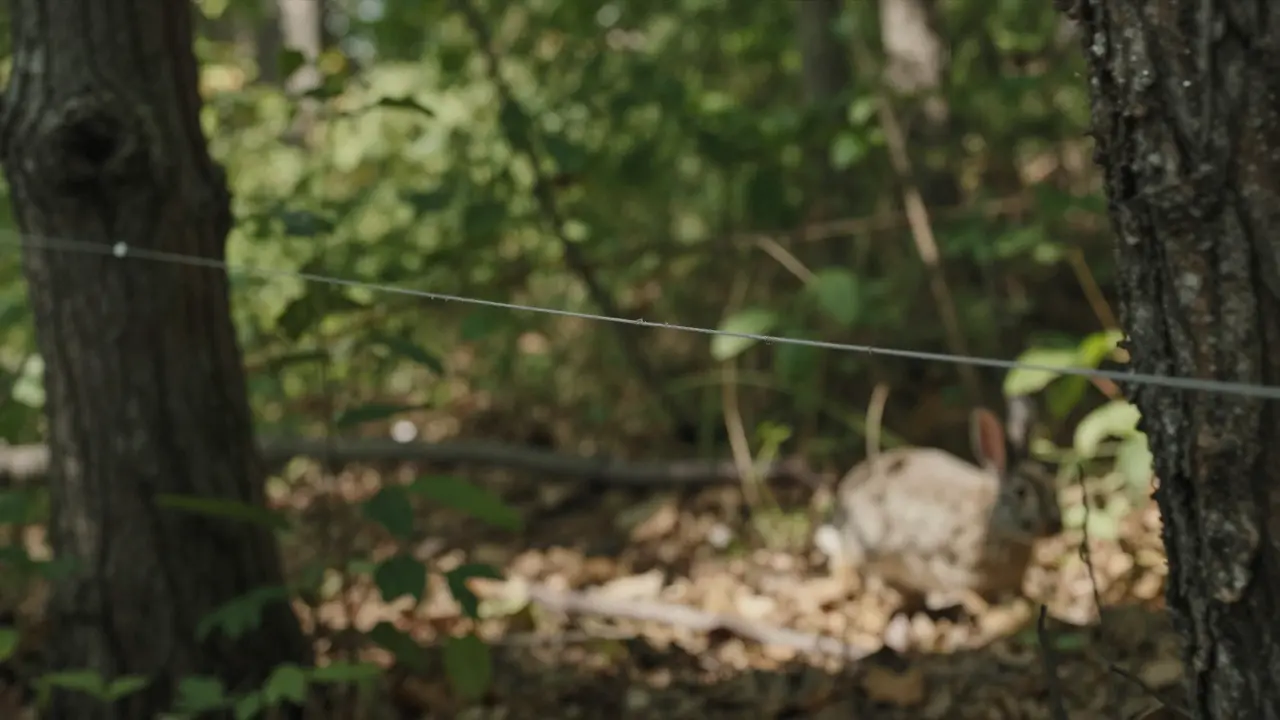
While bird strikes get the headlines, the real silent threat is the kite line. Most standard kite lines are made of Dacron is a synthetic polyester fiber known for its strength and resistance to UV degradation, commonly used in outdoor gear and kite strings.. To humans, it’s nearly invisible against the sky or trees. To a rabbit, squirrel, or deer, it’s a tripwire. These animals run at high speeds through underbrush. If a line is strung low between two trees or left taut across a trail, an animal running through it can suffer severe lacerations. The line cuts cleanly, often severing legs or necks before the animal even registers pain.
This issue has been documented in several national parks where recreational kiting overlaps with wildlife corridors. Rangers have found deer entangled in lines that were left unattended after a storm. The key takeaway? Never leave a kite line strung between trees. Always reel it in completely. If you must anchor your kite, use a stake in open grass, not a tree branch. This simple habit prevents some of the most tragic outcomes in our hobby.
Keeping Your Dog Safe While You Fly
If you bring your dog to the park, you’re creating a dynamic environment. Dogs love to chase. A kite flying low or drifting downwind can trigger a dog’s prey drive. But the bigger risk is the line. If your dog runs toward the kite, they might jump over the line. If the line is taut and under tension, it can snap back like a whip. This has caused eye injuries and deep gashes in dogs’ faces and paws. I’ve seen it happen in Washington Park. One second the dog is playing, the next it’s limping away with a bleeding paw from a snapped Dacron strand.
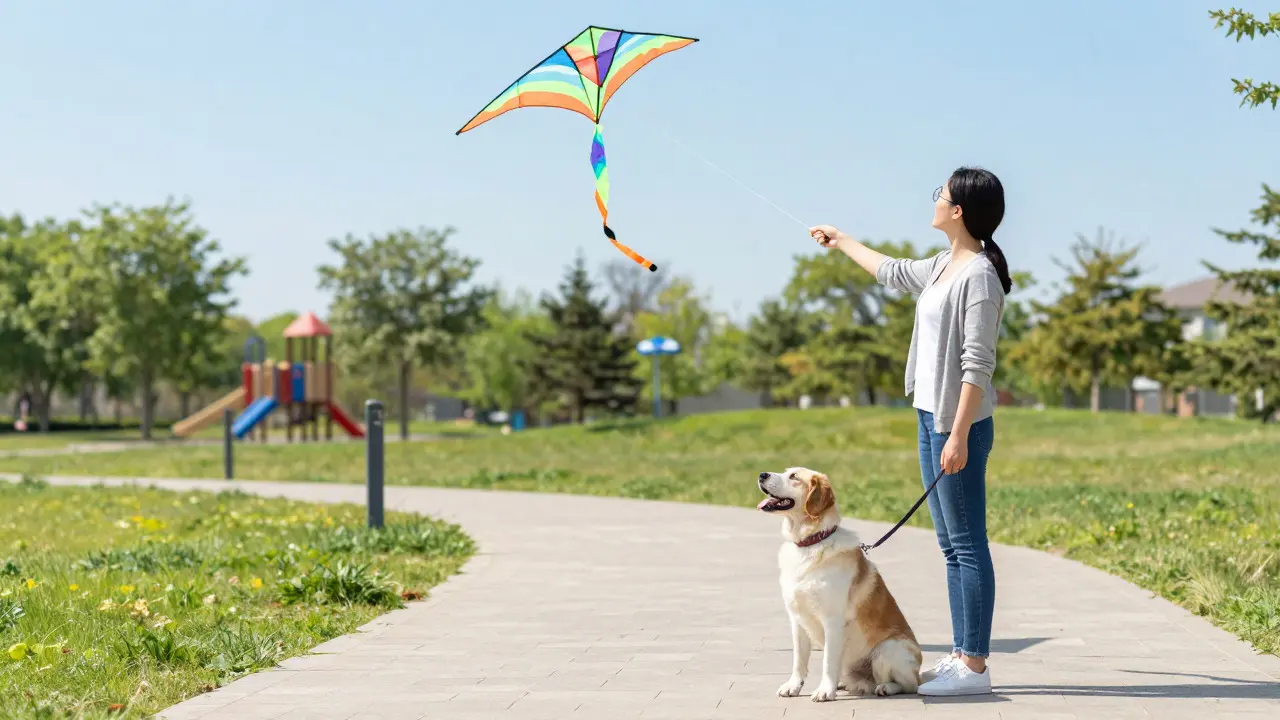
To protect your pet, keep them on a leash while the kite is up. Yes, it kills the vibe a bit, but it’s worth it. If you want your dog off-leash, wait until the kite is fully landed and the line is coiled away. Also, avoid flying directly overhead of your dog. The shadow and the noise of the bridle snapping can startle them, causing a panic run. Keep the kite at least 50 feet away from your pet’s position.
Choosing the Right Location and Time
Where and when you fly matters as much as how you fly. Avoid dense forests where visibility is low and animals are hiding. Open fields are better for you, but they can be worse for ground-dwelling creatures if the wind is strong. Look for areas with established human activity-picnic zones, playgrounds, or paved paths. Animals tend to avoid these areas because they associate them with danger. This gives you a buffer zone.
Timing is also critical. Dawn and dusk are peak activity times for many species. Deer, rabbits, and foxes are most active then. If you can, stick to mid-morning or early afternoon for your flights. This reduces the chance of surprising wildlife. Also, check local regulations. Some parks in Oregon restrict kite flying near sensitive habitats. A quick check of the county’s recreation guide can save you a fine and help protect local ecosystems.
| Material | Visibility to Animals | Cutting Power | Safety Recommendation |
|---|---|---|---|
| Dacron (Polyester) | Low (Invisible) | High | Use caution; never leave strung |
| Nylon | Medium | Medium | Slightly safer, still dangerous if taut |
| Fishline (Monofilament) | Very Low | Extremely High | Avoid for general flying; high injury risk |
| Tape Line | High (Colored) | Low | Safest option for wildlife proximity |
Practical Tips for Responsible Kiting
You don’t need to quit your hobby to be kind to animals. Just adjust your habits. Here are some concrete steps you can take today:
- Reel in completely: Never leave a line attached to a tree or pole. Coil it and put it in your bag.
- Use colored tape: If you fly near woods, attach a strip of bright orange or yellow tape to your line. It makes the line visible to animals and humans alike.
- Watch your surroundings: Scan the area before launching. If you see fresh tracks or droppings, give that area a wide berth.
- Land quickly: If a bird starts diving, don’t try to outmaneuver it. Land the kite immediately. The less time the kite is in the air, the less stress you cause.
- Keep pets leashed: It’s non-negotiable when the kite is up. The risk of line contact is too high.
What to Do If You Spot an Injury
Even with precautions, accidents happen. If you see a bird grounded or a small mammal struggling with a line, act calmly. For birds, do not touch them unless they are clearly injured and immobile. Stress can kill a wild bird. Call your local wildlife rehabilitator. In Oregon, organizations like the Columbia Gorge Bird Rescue handle these cases. For mammals, approach slowly. If the line is tangled, cut it with scissors rather than pulling, which could worsen the wound. Once free, leave the animal alone unless it’s clearly unable to move. Nature is resilient, but interference can make things worse.
Frequently Asked Questions
Is it illegal to fly a kite in public parks?
Generally, no, but rules vary by location. Many urban parks allow kiting in designated open areas. However, some nature reserves and state parks prohibit it to protect wildlife. Always check the specific park’s signage or website before launching.
How far should a kite be from a dog?
Keep the kite at least 50 feet away from your dog. This distance prevents the dog from jumping over the line and reduces the chance of the kite’s shadow startling the animal. If your dog is highly reactive, keep the kite even further away or land it entirely.
Do birds actually get hurt by kites?
Direct collisions are rare but possible. The greater harm comes from energy expenditure. Birds may chase kites for minutes, burning calories they need for survival. Repeated incidents can lead to exhaustion or starvation, especially in winter or during breeding seasons.
What is the safest type of kite line?
Tape line is considered the safest because it is wider, more visible, and less likely to cut deeply. Standard Dacron or nylon lines are thin and nearly invisible, posing a higher risk of laceration to animals that brush against them.
Should I fly my kite in the rain?
No. Wet lines become heavier and can stretch, increasing the risk of breakage. Also, wet conditions make it harder to control the kite, leading to erratic movements that scare wildlife. Wait for dry, calm winds for the best experience.