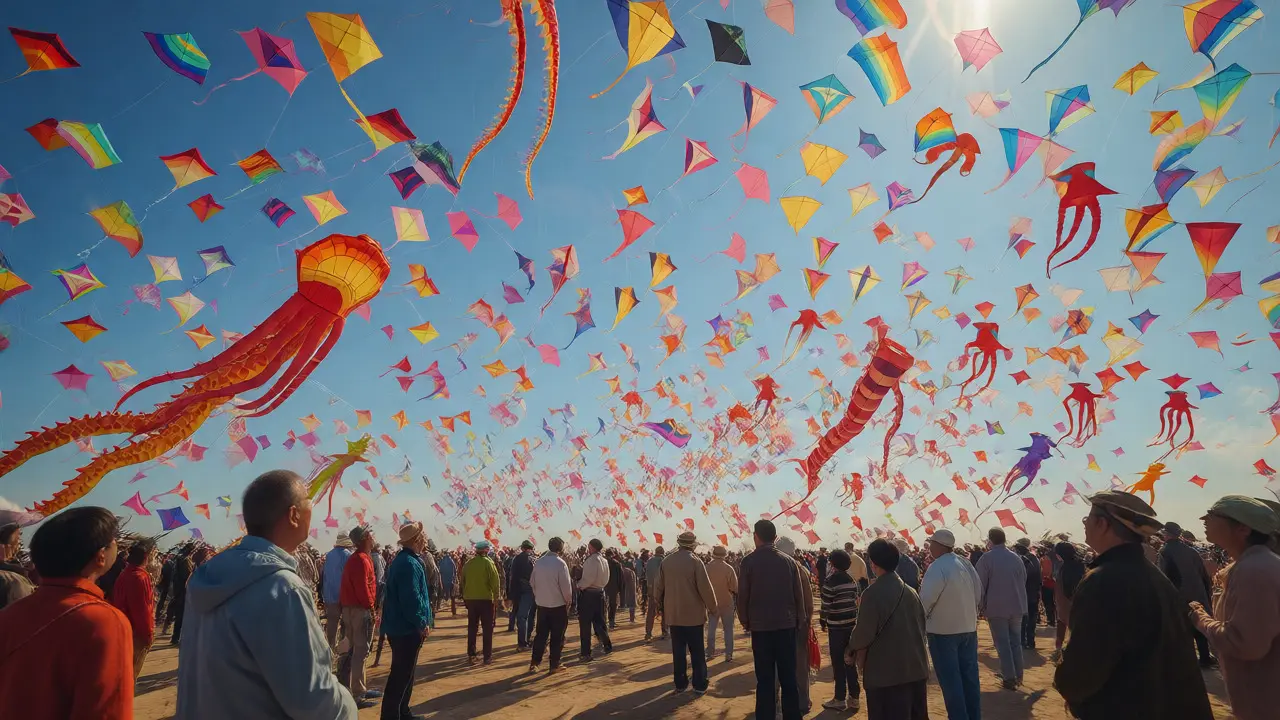
Imagine standing on a beach in Weifang, China, or the shores of Bali, Indonesia. The sky isn't just blue; it’s a canvas of thousands of colorful shapes dancing in the wind. It looks like a party, but it’s actually a quiet form of global politics. Kite festivals are one of the most effective tools for cultural exchange and soft power in the modern world. They bridge gaps between nations without a single treaty being signed. If you’ve ever wondered how a simple toy made of paper and string can influence international relations, you’re about to find out.
The History Behind the Flight
To understand why kites matter today, we have to look back. Kites didn’t start as toys. In ancient China, around the 5th century BC, they were military tools. Legend has it that General Han Xin used kites to measure distances for tunneling under enemy walls. Later, they became communication devices, carrying messages across battlefields. This history matters because it sets the stage for their current role. A tool born from war transformed into an instrument of peace.
As trade routes expanded, so did the kite. It traveled along the Silk Road to India, Japan, and eventually Europe. Each culture adopted it differently. In Thailand, kites became part of royal ceremonies. In Ghana, they marked harvest seasons. This diversity is key. When these different traditions meet at a festival, something special happens. You aren’t just seeing kites; you’re seeing centuries of human ingenuity flying side by side.
Festivals as Diplomatic Stages
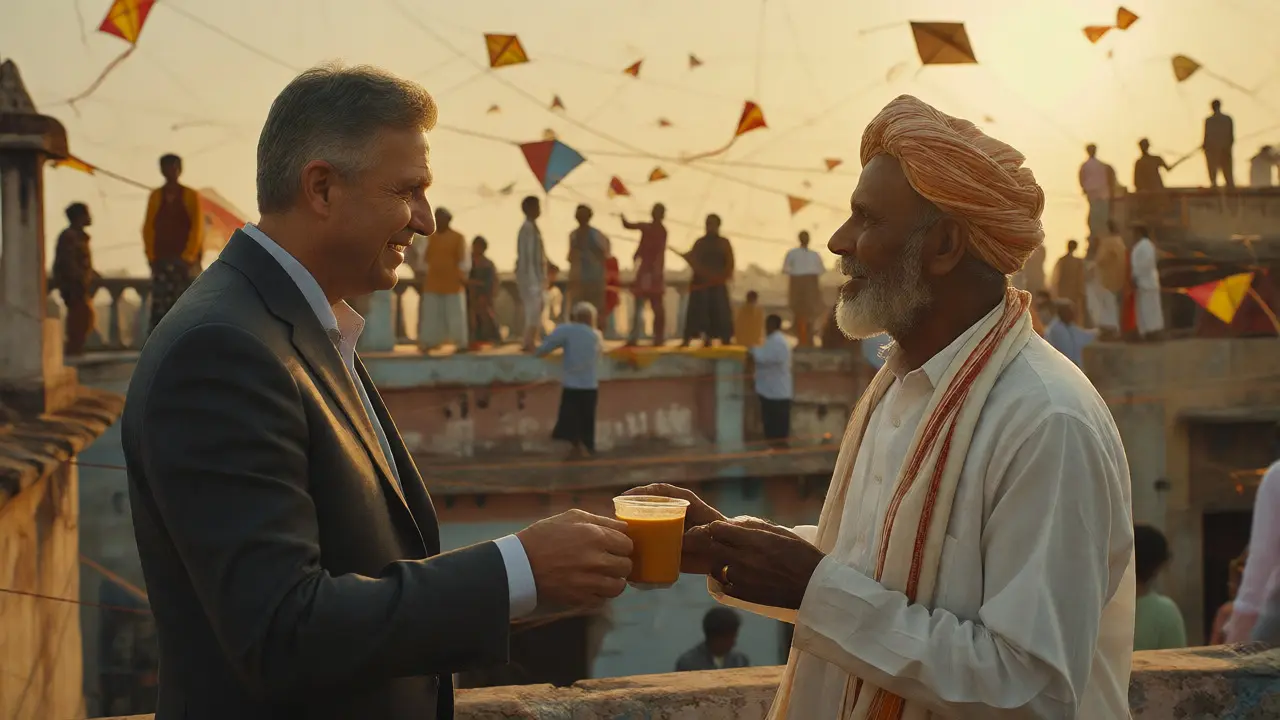
Why do governments spend millions on kite festivals? Because they work. Consider the International Kite Festival in Gujarat, India, known locally as Makar Sankranti. Every January, millions take to the rooftops. But it’s not just a local event. Delegations from over 40 countries bring their unique designs. This influx of people creates a natural environment for dialogue. Ambassadors mingle with artisans. Business deals get discussed over chai while watching the sky fill with color.
Weifang, China, calls itself the "Kite Capital of the World." Since 1984, it has hosted an annual international festival that draws participants from more than 60 countries. The city uses this platform to showcase Chinese craftsmanship and hospitality. It’s a low-stakes way for nations to interact. There’s no pressure to agree on trade tariffs or border disputes. The shared language is flight. This neutrality makes kite festivals perfect for warming up cold diplomatic relationships.
Soft Power in Action
Joseph Nye coined the term "soft power" to describe the ability to attract rather than coerce. Kites are pure attraction. Unlike hard power, which relies on military might or economic sanctions, soft power works through culture, values, and foreign policy. When a Japanese team flies a massive dragon kite in Germany, they aren’t threatening anyone. They’re sharing art. This creates positive associations with their country.
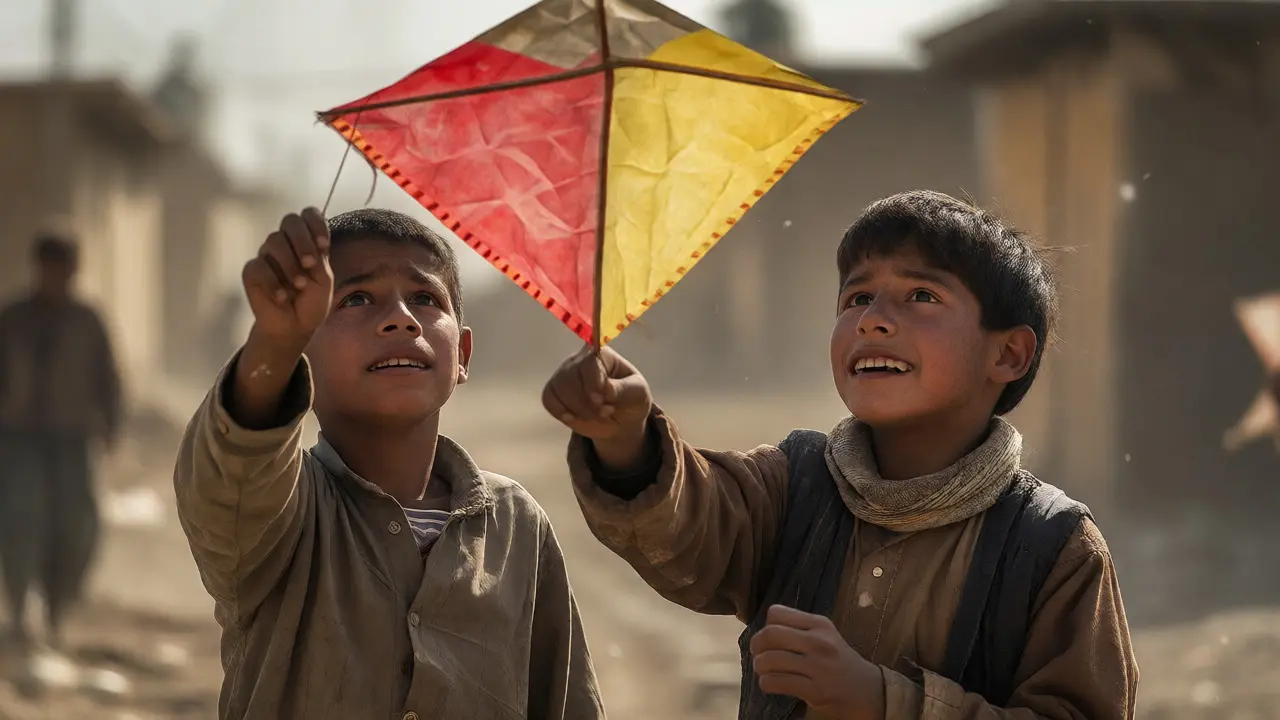
Data supports this. Studies on major cultural events show that host cities see increased tourism revenue and improved international perception scores for years after the event. For smaller nations, this is crucial. A country like Afghanistan, often defined by conflict in Western media, uses kite fighting tournaments to remind the world of its rich heritage. The image of young boys flying kites in Kabul offers a counter-narrative to war headlines. It humanizes the population and invites empathy.
Economic Ripples of Cultural Events
Cultural exchange isn’t just fluffy feelings; it puts money in pockets. When a kite festival hits town, hotels fill up. Local restaurants serve more meals. Artisans sell handmade spools and silk banners. In Berck-sur-Mer, France, the International Kite Festival attracts hundreds of thousands of visitors annually. The economic boost helps sustain local crafts that might otherwise die out due to mass production.
Moreover, these festivals create export opportunities. A kite maker from Bali who wins an award in Malaysia gains visibility. Suddenly, their products are sought after globally. This micro-economy of craft connects rural artisans to international markets. It’s a direct line from the village workshop to the collector in New York. By supporting these festivals, governments aren’t just buying fun; they’re investing in sustainable economic models that rely on skill rather than raw resources.
| Location | Primary Focus | Diplomatic Impact | Economic Benefit |
|---|---|---|---|
| Weifang, China | Artistic & Large-scale | Showcases Chinese heritage | High tourism & export volume |
| Gujarat, India | Community & Tradition | Reinforces national identity | Massive local spending surge |
| Berck-sur-Mer, France | Performance & Competition | European cultural hub status | Sustains artisan economy |
| Key West, USA | Leisure & Family Fun | Domestic unity & tourism | Seasonal hospitality boost |
Building Bridges Through Play
There’s a psychological element to this too. Play lowers defenses. When adults engage in a shared hobby, hierarchies flatten. A CEO and a student might both struggle to launch a difficult stunt kite. That shared frustration and eventual success build rapport faster than a formal dinner. Community programs leverage this. In post-conflict zones, joint kite-flying workshops have helped children from opposing sides interact without the baggage of adult politics.
These interactions create lasting networks. Friends made at a festival in Brazil might lead to business partnerships in Canada years later. The kite becomes a memory anchor. Whenever someone sees a kite, they remember the friend they met abroad. This subtle reinforcement keeps cultural ties alive long after the festival ends. It turns abstract concepts of "global citizenship" into concrete personal relationships.
Challenges and Modern Adaptations
It’s not all smooth sailing. Weather is the biggest enemy. A sudden storm can cancel days of competition, disrupting schedules and disappointing tourists. Then there’s the issue of commercialization. As festivals grow, corporate sponsors sometimes overshadow the cultural roots. Authenticity gets diluted when giant inflatable logos block the view of traditional handmade kites.
However, organizers are adapting. Many now enforce strict rules about sponsor branding sizes. Others focus on educational components, teaching visitors how to make kites themselves. This hands-on approach ensures the cultural lesson sticks. Digital integration is another trend. Live-streaming festivals allows people who can’t travel to participate virtually. This expands the reach of soft power, bringing the experience directly into homes worldwide.
How to Participate in the Exchange
You don’t need to be a diplomat to contribute. Attending a local festival is the first step. Look for events that emphasize international participation. Talk to the flyers. Ask about the origins of their designs. Most enthusiasts love sharing stories. If you fly kites yourself, consider joining a club that hosts international guests. Hosting a visiting team, even informally, builds goodwill.
Support local artisans who make traditional kites. Buying a hand-painted kite instead of a plastic one preserves the craft. Share your experiences on social media with specific hashtags related to the festival. Visibility drives future funding. The more people value these events, the more likely governments are to support them. Your engagement validates the effort put into maintaining these cultural bridges.
What is soft power?
Soft power is a concept in international relations describing the ability of a country to influence others through attraction and persuasion rather than coercion or payment. It relies on cultural appeal, political values, and foreign policies. Kite festivals exemplify this by drawing global attention and fostering positive perceptions without force.
Which country is considered the birthplace of kites?
China is widely recognized as the birthplace of kites, with historical records dating back to the 5th century BC. Early kites were used for military purposes, such as measuring distances and signaling, before evolving into recreational and ceremonial objects.
How do kite festivals benefit local economies?
Kite festivals boost local economies by increasing tourism, filling hotels, and boosting restaurant sales. They also provide a marketplace for local artisans to sell handmade kites and crafts, preserving traditional skills and generating income for small businesses.
Can kite flying help resolve conflicts?
While not a direct solution to deep-seated political issues, kite flying can facilitate dialogue and reduce tensions. Shared activities create neutral ground for interaction, allowing individuals from conflicting groups to connect on a human level, which can lay the groundwork for broader reconciliation.
What is the largest kite festival in the world?
The International Kite Festival in Weifang, China, is often cited as one of the largest and most significant. However, the Makar Sankranti celebrations in Gujarat, India, involve millions of participants, making it arguably the largest by sheer number of people flying kites simultaneously.