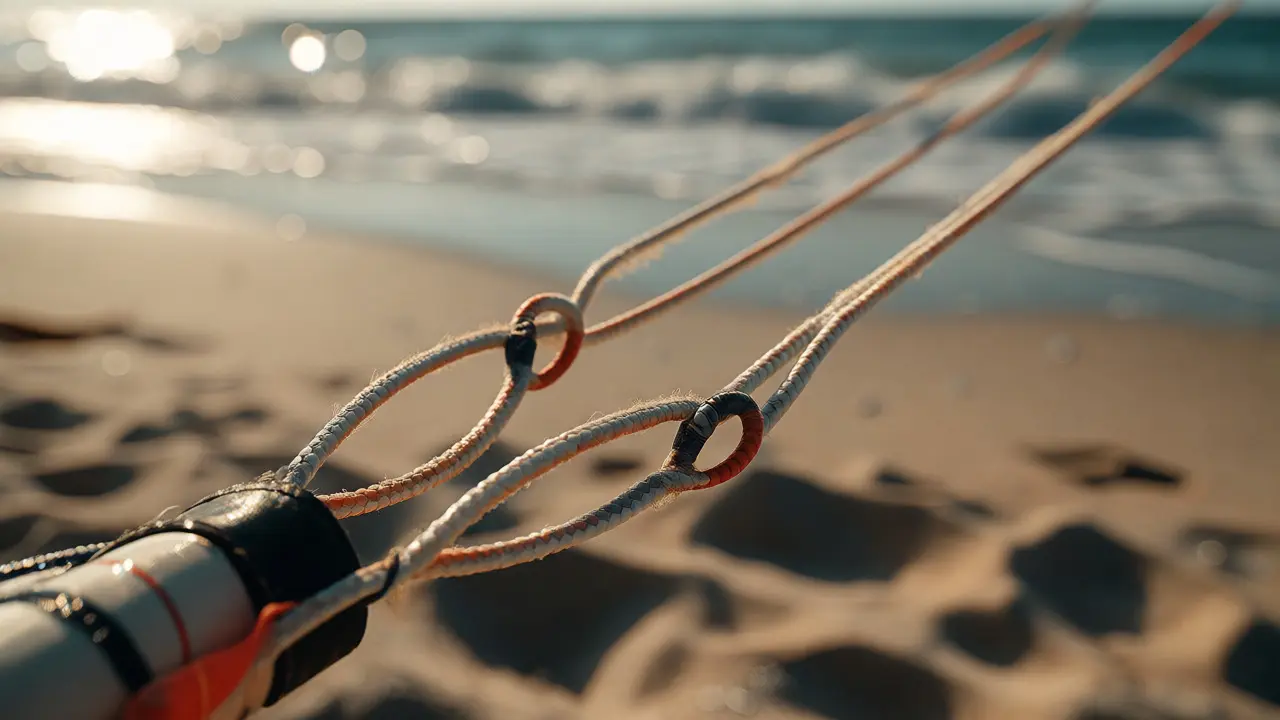
You’re on the beach, the wind is steady, and you’re ready to launch. But before you hook in, take a hard look at your kite bridle the system of lines that connects your flying lines to the kite’s leading edge, ensuring it flies at the correct angle. Specifically, check the pigtails and leaders. These small loops and extensions are the first point of failure for most kites. They aren’t just accessories; they are sacrificial parts designed to break or stretch so your expensive canopy doesn’t tear.
Ignoring them leads to sudden crashes mid-flight or, worse, a snapped line that sends your kite drifting out to sea. Replacing them isn’t rocket science, but doing it right requires knowing what to look for and what materials actually last. This guide breaks down exactly when to replace these components and how to upgrade them for better performance.
Why Pigtails and Leaders Matter
Think of your kite’s structure like a suspension bridge. The main canopy takes the lift, but the bridle distributes that load to the frame. The leaders (often called extensions) connect your main flying lines to the kite’s attachment points, while the pigtails are the small loops at the end of the leaders where the knots sit.
Here is the physics reality: every time you fly, friction occurs. Wind flapping causes micro-abrasions. UV radiation degrades synthetic fibers over time. If you skip maintenance, a leader can snap under load during a gust. When that happens, the force transfers instantly to the next weakest link-usually the kite’s spar or the fabric itself. A $5 replacement pigtail saves a $100+ kite repair bill.
Identifying Wear Indicators: When to Replace
Determining whether a component is "done" isn’t always obvious. Kite lines don’t always fray visibly until it’s too late. You need to inspect them regularly using specific criteria. Here is a breakdown of what to look for:
- Fuzziness and Abrasion: Run your fingers along the length of the leader. If it feels rough or fuzzy, the outer sheath is compromised. This is common near the connection points where lines rub against each other.
- UV Damage: Check for color fading or brittleness. Dyneema and Spectra lines are strong but sensitive to prolonged UV exposure if not coated properly. If the line snaps easily when you pull it by hand (without load), it’s dead.
- Knot Slippage: Inspect the knots securing the pigtails. If the knot has moved from its original position, the line is stretching internally. This changes your kite’s tuning, making it turn sluggishly or nose-dive.
- Stretched Loops: Look at the pigtail loop itself. If it looks elongated or oval rather than circular, the material has yielded. This alters the effective length of the bridle, affecting power delivery.
| Component | Visual Sign | Action Required |
|---|---|---|
| Leader Line | Fuzzy texture, discoloration | Replace immediately |
| Pigtail Loop | Elongated shape, loose knot | Retune or replace |
| Attachment Point | Cut marks on fabric | Add protective tape, check line |
| Knots | Slipped position | Re-tie with new line |
Material Upgrades: Choosing the Right Line
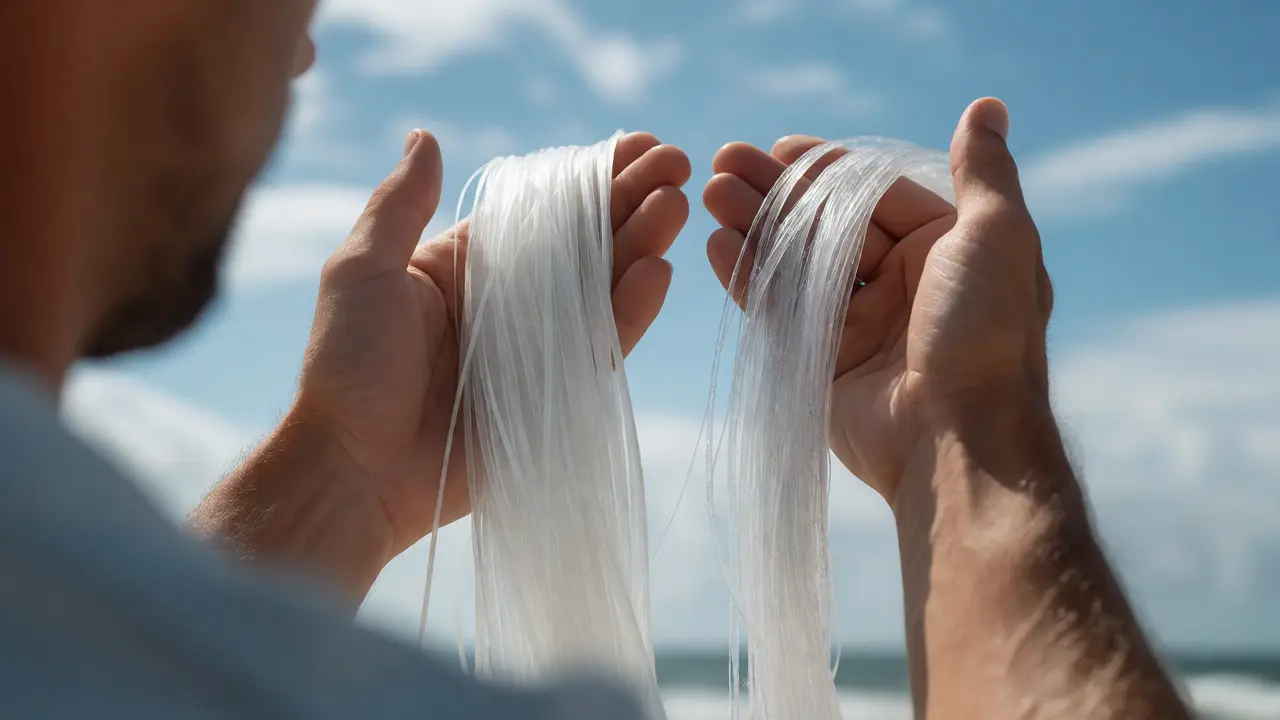
Not all replacement lines are created equal. Using the wrong material can lead to frequent replacements or poor flight characteristics. Most stock kites come with basic polyester or low-grade nylon. Upgrading to high-modulus polyethylene fibers significantly improves durability and responsiveness.
The two dominant materials in modern kite sports are Dyneema and Spectra. Both are types of ultra-high-molecular-weight polyethylene (UHMWPE). They offer incredible strength-to-weight ratios. However, they behave differently under stress.
Dyneema SK78 or SK99 is often preferred for pigtails because it has higher creep resistance. Creep is the slow deformation of material under constant tension. If your pigtails stretch, your kite becomes unstable. SK78 is stiffer and holds its shape better than older variants.
Spectra Fiber is slightly more flexible and easier to tie into secure knots. Some kiters prefer it for leaders because it absorbs shock loads better during crashes. However, it tends to stretch more than high-end Dyneema. For precision flying, stick with Dyneema. For casual bashing where crashes are common, Spectra might save you money on replacements.
Step-by-Step Replacement Process
Replacing these parts takes about 15-20 minutes per side. You don’t need a workshop; a sunny spot on the beach works fine. Here is how to do it without messing up your kite’s tuning.
- Remove the Old Lines: Unhook the leaders from your flying lines. Cut the old pigtails off close to the knot if they are severely damaged. Do not cut the main bridle attachment points unless necessary.
- Measure the Length: Before cutting new line, measure the old leader from the attachment point to the end of the pigtail. Write this down. Consistency between left and right sides is critical for balanced flight.
- Cut New Material: Cut your new Dyneema or Spectra line to the measured length plus an extra 6 inches for tying knots. Use sharp scissors or a hot knife to prevent fraying ends.
- Tie the Pigtail: Form a loop at one end. Use a double fisherman’s knot or a bowline-on-a-bight. Ensure the loop size matches your existing setup so it fits over the connector or carabiner.
- Attach to Kite: Thread the other end through the kite’s attachment point. Tie it off securely. If your kite uses adjustable pigtails, ensure the knot slides freely but locks under tension.
- Check Symmetry: Compare the left and right leaders. They must be identical in length. Even a 1mm difference can cause the kite to pull to one side.
Common Pitfalls to Avoid
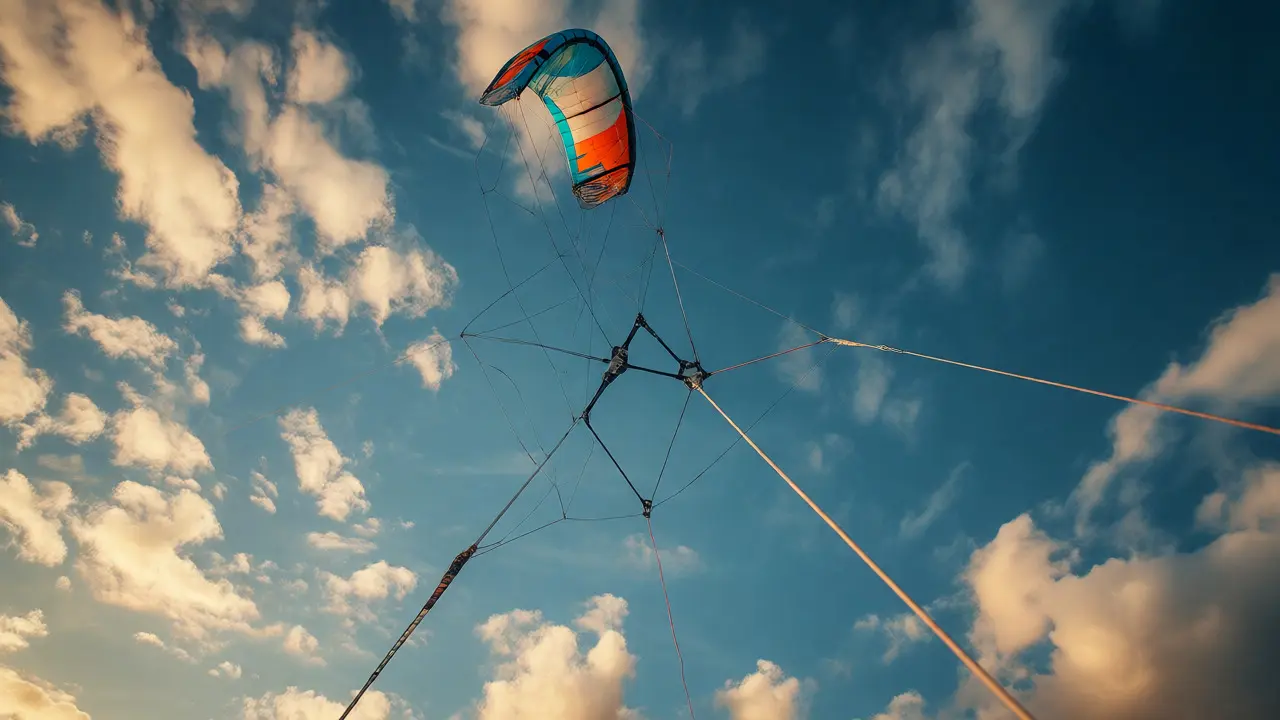
Most DIY repairs fail because of subtle mistakes. Here are the top three errors I see repeatedly in Portland’s kite parks:
- Inconsistent Knot Tension: If you pull one knot tighter than the other, the effective length changes. Always use a jig or a fixed reference point when tying multiple knots.
- Using Cheap Connectors: Metal connectors add weight and can snag. Plastic or composite connectors reduce drag. If you upgrade lines, consider upgrading connectors too.
- Ignoring Environmental Factors: Saltwater accelerates corrosion on metal parts and weakens certain fibers. Rinse your leaders with fresh water after saltwater sessions. Dry them completely before storage.
Pro Tips for Longevity
To extend the life of your new pigtails and leaders, adopt these habits:
- Rotate Your Lines: If you have multiple sets of leaders, swap them every few sessions. This ensures even wear.
- Use Protective Sleeves: Where the leader touches the kite’s frame, add a small piece of heat-shrink tubing or dedicated line protector. This prevents abrasion at the contact point.
- Store Properly: Never coil lines tightly around a spool for long periods. Large loops prevent memory effects (curling) that make lines tangle easily.
How often should I replace my kite pigtails?
There is no fixed schedule. It depends on usage intensity and material quality. For heavy users, inspect monthly. For casual flyers, check quarterly. Replace immediately upon seeing fuzziness, fading, or knot slippage.
Can I use fishing line for kite leaders?
You can, but it is not recommended for performance kites. Fishing line lacks the tensile strength and abrasion resistance of Dyneema or Spectra. It stretches more, which negatively impacts control and response time.
What knot is best for kite pigtails?
The double fisherman’s knot is widely regarded as the most reliable for UHMWPE fibers. It is bulky but extremely secure. A bowline-on-a-bight is another option if you need a larger loop, but it may slip if not dressed correctly.
Does replacing leaders change my kite's tuning?
Yes, if the lengths are inconsistent. If you replace both sides with identical lengths and materials, the tuning remains the same. If you only replace one side or use different lengths, you will need to re-adjust your bridle settings.
Are Dyneema and Spectra the same thing?
They are chemically similar (both UHMWPE) but manufactured differently. Dyneema generally has lower creep and higher stiffness, making it better for precision. Spectra is often more affordable and slightly more flexible, suitable for recreational use.