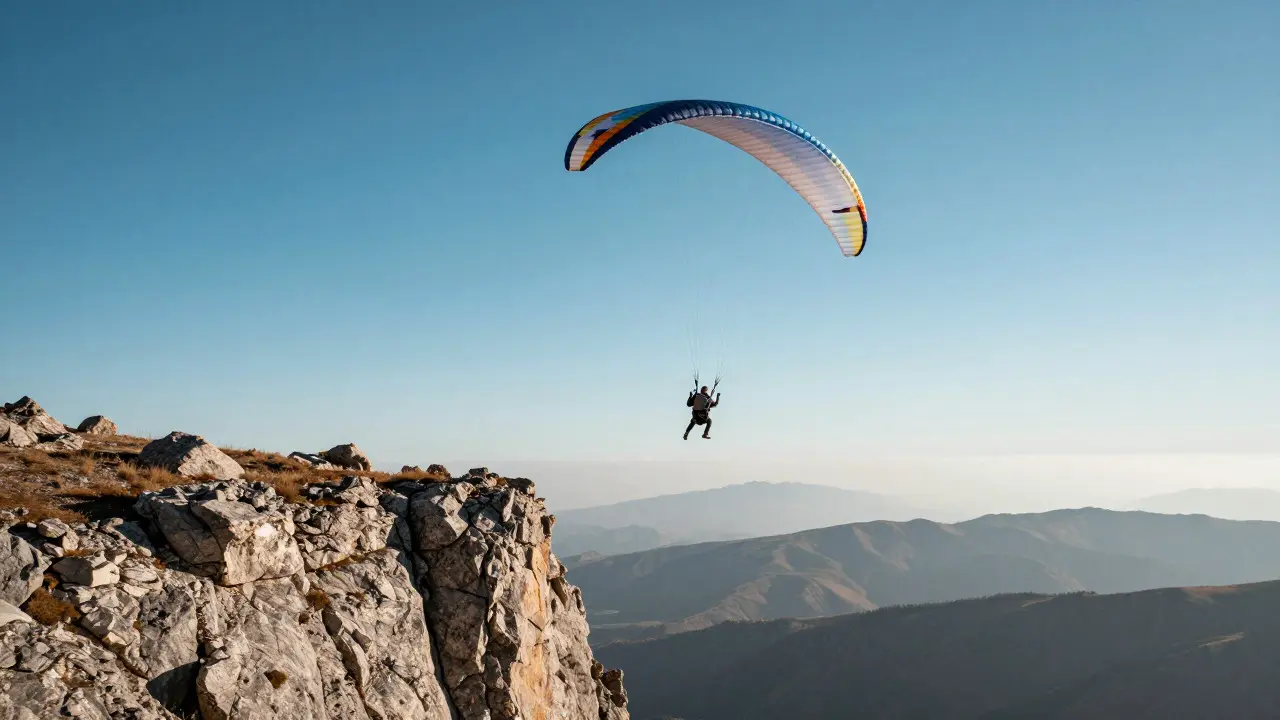
Ever watched a pilot launch from a steep cliff with nothing but a small wing and a pair of skis? Or seen someone fly over a lake using a kite to boost their altitude? These aren't separate worlds. They are two sides of the same coin: kite-assisted sports. While they look different on the surface, both rely on the fundamental physics of lift, drag, and wind dynamics to keep humans airborne.
For many enthusiasts, the line between traditional paragliding and these hybrid disciplines is blurring. You might start with a standard paraglider, then discover that adding a kite or switching to a speed wing opens up entirely new terrain and sensations. Understanding how these systems work together helps you choose the right gear for your goals, whether that's long-distance soaring or high-speed descents.
The Core Mechanics of Kite-Assisted Flight
Kite-assisted sports is a category of aerial activities that utilize kites, harnesses, and wings to generate or augment lift. The core principle remains consistent across all variations: converting wind energy into vertical or forward motion. However, the method of capture varies significantly between pure paragliding, speed riding, and hybrid setups.
In traditional paragliding, the wing generates all the lift through its airfoil shape. In speed riding, the pilot uses gravity and momentum to maintain flight, often requiring a strong headwind to stay aloft. Kite-assisted variants introduce an external power source. This allows pilots to gain altitude without relying solely on thermal updrafts or mountain launches. It also enables takeoffs from flat ground, which is a game-changer for those living far from mountains.
Paragliding Crossovers: Merging Wings and Kites
Paragliding crossovers refers to hybrid techniques where pilots combine paraglider wings with kite propulsion systems. This isn't just about attaching a kite to a glider. It involves specific rigging methods and control strategies. One popular crossover is "kiting in tandem" or using a kite to assist during launch phases in weak wind conditions.
Another significant crossover is the use of inflatable canopies (often called parafoils) paired with kites. Unlike rigid-frame paragliders, these soft wings are more tolerant of turbulent airflow generated by kites. Pilots can use a kite to climb to 500 feet, then detach it or reduce its power to glide down. This technique is particularly useful in coastal areas where thermals are rare but steady winds prevail.
- Ground Launch Assistance: Using a small kite to pull the pilot off the ground in low-wind scenarios.
- Altitude Gain: Climbing via kite power before transitioning to gliding mode.
- Reserve Power: Keeping a kite deployed as backup lift if sinking rates increase.
Speed Riding: Gravity Meets Momentum
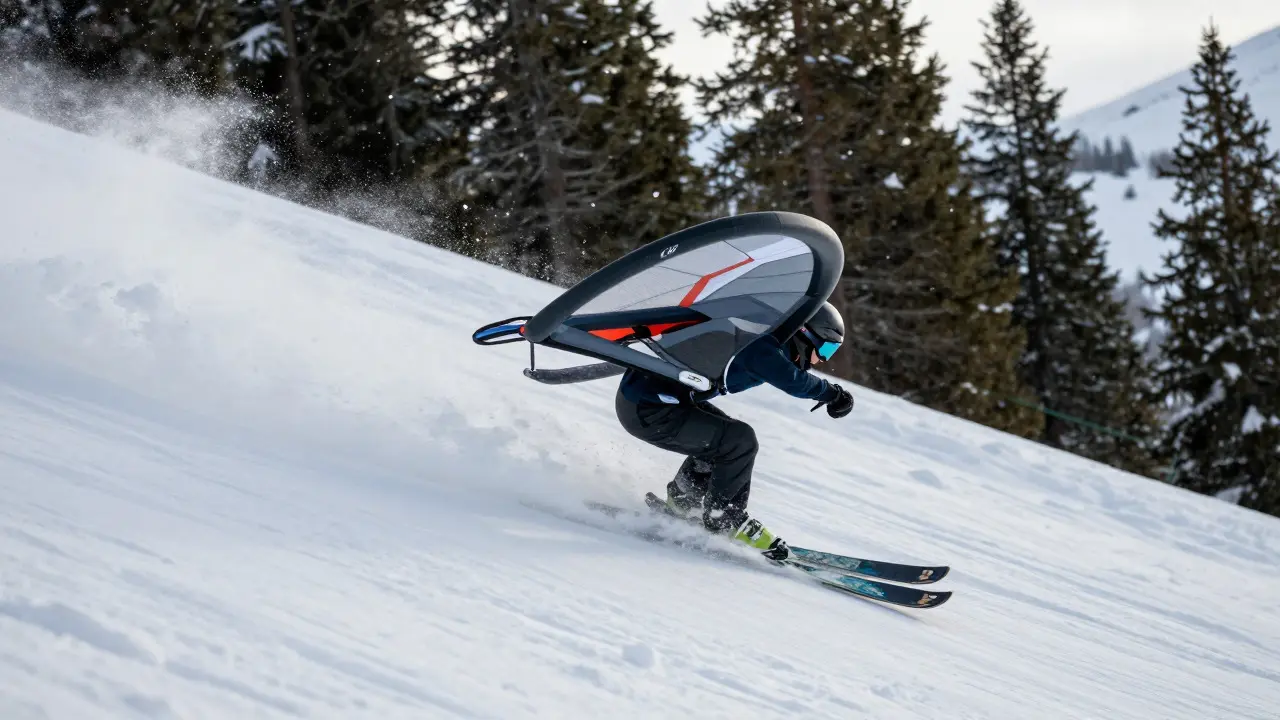
Speed riding is an extreme sport combining elements of paragliding, skiing, and snowboarding with lightweight wings. The key difference here is the wing size. Speed wings are typically 40-60% smaller than standard paragliders. This reduction in surface area means less lift, so the pilot must generate speed to compensate. Hence the name: speed riding.
You don't need a mountain to do this, but you do need a slope. Pilots ski or snowboard down a hill while wearing a small wing on their back. As they descend, the relative wind created by their movement keeps them flying. If the slope is steep enough and the wind is favorable, they can transition from sliding to full flight, performing loops, spins, and even jumps.
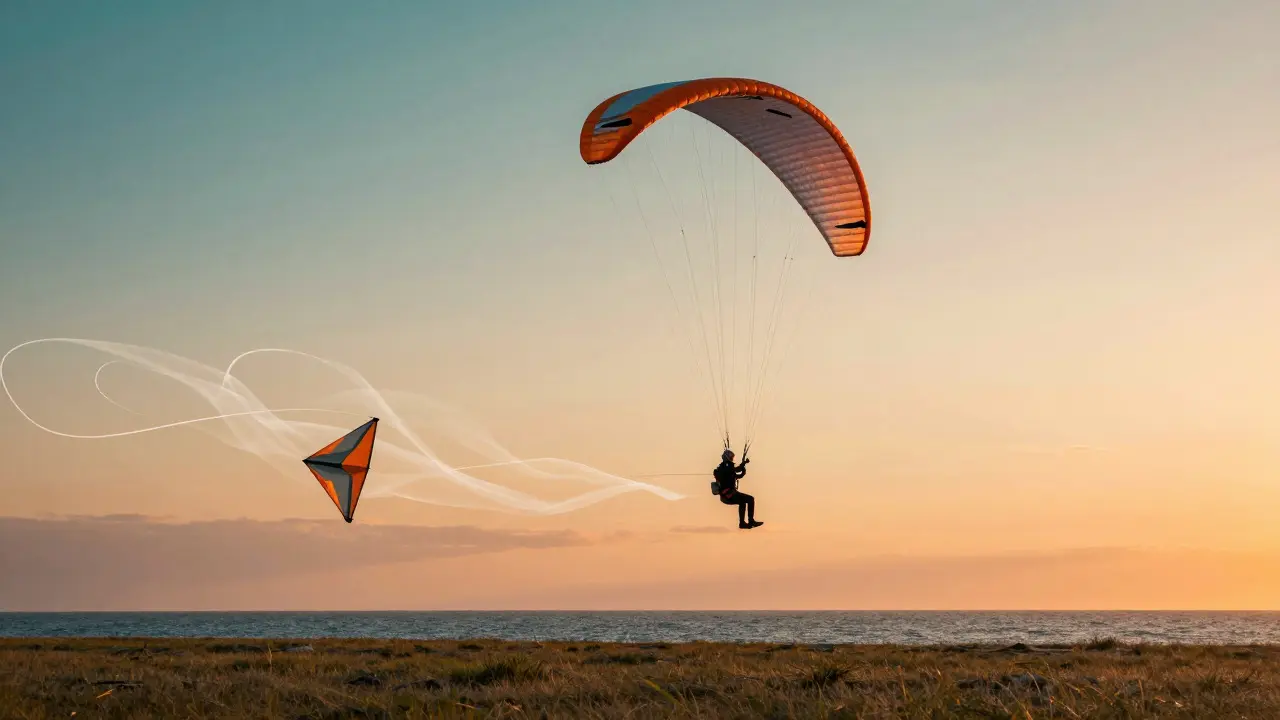
When kites enter the equation, speed riding transforms. A pilot can use a kite to assist in the initial push-off or to maintain altitude during longer glides. This hybrid approach, sometimes called "speed kiting," allows for extended flight times compared to pure gravity-based speed riding. It turns a short downhill run into a sustained aerial experience.
Comparing the Disciplines: Gear and Skill Requirements
Choosing between these options depends on your environment and skill level. Below is a breakdown of how these three approaches compare in terms of equipment complexity and required skills.
| Feature | Traditional Paragliding | Speed Riding | Kite-Assisted Hybrid |
|---|---|---|---|
| Primary Lift Source | Thermals/Wind | Gravity/Momentum | Kite Propulsion + Wing |
| Wing Size | Large (20-30 m²) | Small (8-15 m²) | Variable (8-25 m²) |
| Launch Site | Mountain/Cliff | Slope/Hill | Flat Ground/Slope |
| Skill Focus | Soaring Techniques | Sliding/Aerial Control | Kite Handling + Gliding |
| Wind Requirement | Moderate/Steady | Headwind Preferred | Crosswind/Tailwind Tolerant |
Notice that the hybrid option offers the most flexibility regarding launch sites. If you live near a beach or a large field, kite-assisted sports give you access to flight that pure paragliding or speed riding might deny you. However, this flexibility comes at a cost: you now have to manage two systems simultaneously. The kite and the wing interact in complex ways, especially when turning or changing altitude.
Safety Considerations and Pitfalls
Adding a kite to any aerial sport introduces new risks. The most common pitfall is entanglement. If the kite line wraps around the pilot's harness or the wing's risers, recovery can be difficult. To mitigate this, experienced pilots use specific line management techniques and wear protective gear like gloves and padded harnesses.
Another critical factor is wind consistency. Kites perform best in steady winds. Gusty conditions can cause sudden changes in pull, leading to loss of control. Before launching, always check the wind profile. A simple anemometer or weather app can save your day. In gusty environments, stick to smaller kites with lower aspect ratios for better stability.
Also, consider the landing zone. Kite-assisted flights often end with higher energy levels than pure gliding. You need a clear, spacious area to absorb the impact. Avoid landing in tight spots where the kite could snag on trees or obstacles. Practice landing with the kite still attached until you are confident in managing the extra load.
Getting Started: A Practical Guide
If you're curious about trying these crossovers, start slow. Don't jump straight into hybrid setups. First, master the basics of either paragliding or speed riding separately. Understand how your wing behaves in different wind speeds. Learn how to manage your body position for steering and braking.
Once comfortable, introduce the kite element. Begin with a small, stable kite designed for land kiting. Practice controlling it on the ground. Then, try a simple launch where you use the kite to assist your takeoff but release it immediately after gaining altitude. This builds confidence without overwhelming you with simultaneous controls.
Join local clubs or online communities. There are dedicated groups for speed kiting and hybrid paragliding. They share tips on gear compatibility, safety protocols, and favorite flying locations. Learning from others who have made the mistakes saves you time and potential injury.
Frequently Asked Questions
Can I use any paraglider wing for kite-assisted sports?
Not ideally. Standard paragliders are designed for passive soaring. For kite-assisted use, you need a wing that handles turbulence well and has a robust structure. Inflatable parafoils or reinforced speed wings are better suited because they tolerate the dynamic loads imposed by kite pulling.
What is the minimum wind speed needed for speed riding with a kite?
There is no single number, as it depends on the kite size and pilot weight. Generally, 5-8 knots of steady wind is sufficient for a small kite to assist a light pilot. Heavier pilots may need 10+ knots. Always test in a safe, open area first.
Is speed riding dangerous without a helmet?
Yes, highly recommended to wear a full-face helmet. Speed riding involves close proximity to the ground and potential collisions with trees or rocks. A full-face helmet protects against facial injuries and impacts, which are more common in this discipline than in high-altitude paragliding.
Do I need a license to fly kite-assisted paragliders?
In most countries, recreational paragliding does not require a formal license. However, you should obtain training from a certified instructor. Some regions have airspace restrictions or mandatory insurance. Check local aviation authority regulations before flying.
How do I prevent my kite line from tangling with my wing?
Use a quick-release system on the kite bar and keep lines organized. Wear gloves to handle lines smoothly. During flight, maintain awareness of line direction relative to your wing. Many pilots use color-coded lines or markers to identify the front and rear lines easily.