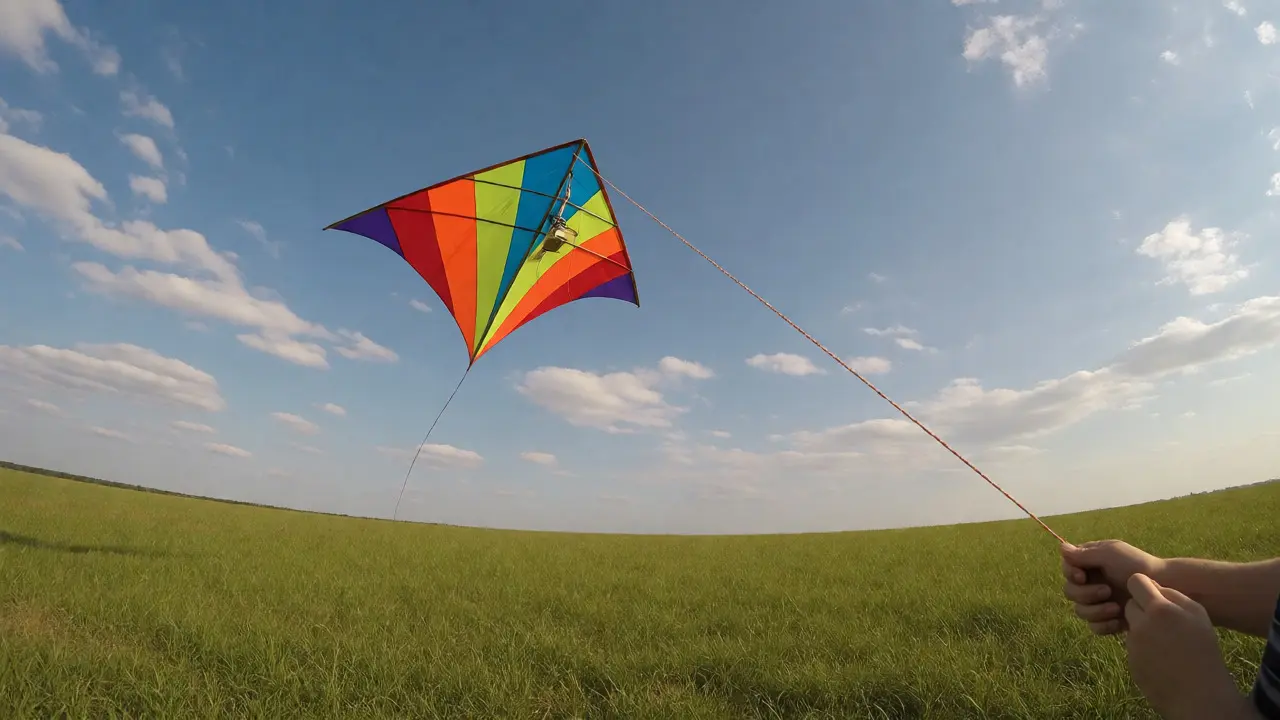
You’re standing in a field, holding a camera attached to a string, wondering if you should just buy that quadcopter everyone talks about. Or maybe you already own a drone and are curious why some photographers still swear by kite aerial photography (KAP). It’s not just nostalgia. The choice between KAP and drones isn’t black and white; it’s a messy mix of budget, legal headaches, and what kind of picture you actually need.
If you’ve ever tried to get a bird’s-eye view without breaking the bank or your local noise ordinance, you know the struggle. Drones offer stability and ease, but they come with price tags and regulations that can feel like navigating a maze. Kites, on the other hand, are cheap and quiet but demand patience and skill. So, which one wins? Let’s break down the real-world trade-offs so you don’t waste money on gear you won’t use.
The Real Cost Breakdown
Let’s talk money first because that’s usually the biggest barrier. A decent entry-level drone from brands like DJI will set you back at least $300 to $500 for the basic model, plus another $100-$200 for extra batteries and a carrying case. If you want obstacle avoidance and better cameras, you’re looking at $800+. That’s before you consider insurance or replacement parts after a crash.
Kite aerial photography is radically different. You can build a functional rig for under $100. A strong kite, a few meters of braided line, a simple camera mount, and a remote trigger or intervalometer are all you need. Many enthusiasts repurpose old point-and-shoot cameras or even smartphones. The initial investment is tiny compared to a drone. But here’s the catch: time is money. Setting up a KAP rig takes longer, and learning to fly a camera-bearing kite reliably has a steeper learning curve than hitting “takeoff” on a drone controller.
| Item | Kite Aerial Photography (KAP) | Consumer Drone |
|---|---|---|
| Aircraft/Rig | $20-$50 (Kite + Line) | $300-$1,000+ |
| Camera | $0-$200 (Repurposed) | Included ($300+ value) |
| Controller/Trigger | $10-$30 (Remote/Intervalometer) | Included |
| Batteries/Power | N/A (Wind-powered) | $50-$150 (Spares) |
| Total Entry Cost | $30-$280 | $400-$1,500+ |
Fighting the Law: Regulations and Privacy
This is where things get tricky. In the US, the Federal Aviation Administration (FAA) regulates drones heavily. If you’re flying for recreation, you must register your drone and pass a safety test. Flying above 400 feet or over people often requires waivers. And let’s not forget the no-fly zones around airports and national parks. One wrong move, and you could face fines or have your equipment confiscated.
Kites exist in a gray area. Technically, kites are considered aircraft, but enforcement is lax. Most local ordinances don’t explicitly ban kites, though they might restrict them near airports or power lines. However, privacy laws apply equally. If your kite camera captures neighbors’ backyards, you’re subject to the same privacy expectations as a drone pilot. The difference? No one is tracking your flight path via GPS logs, and there’s no database linking your name to a specific tail number. This anonymity makes KAP less likely to attract regulatory attention, but it doesn’t exempt you from being polite.
Drones also require visual line-of-sight (VLOS) operation, meaning you must keep eyes on the craft at all times. With a kite, you’re naturally tethered and visually connected to the device. This physical link simplifies compliance with many VLOS rules, although you still need to ensure you’re not interfering with manned aircraft.
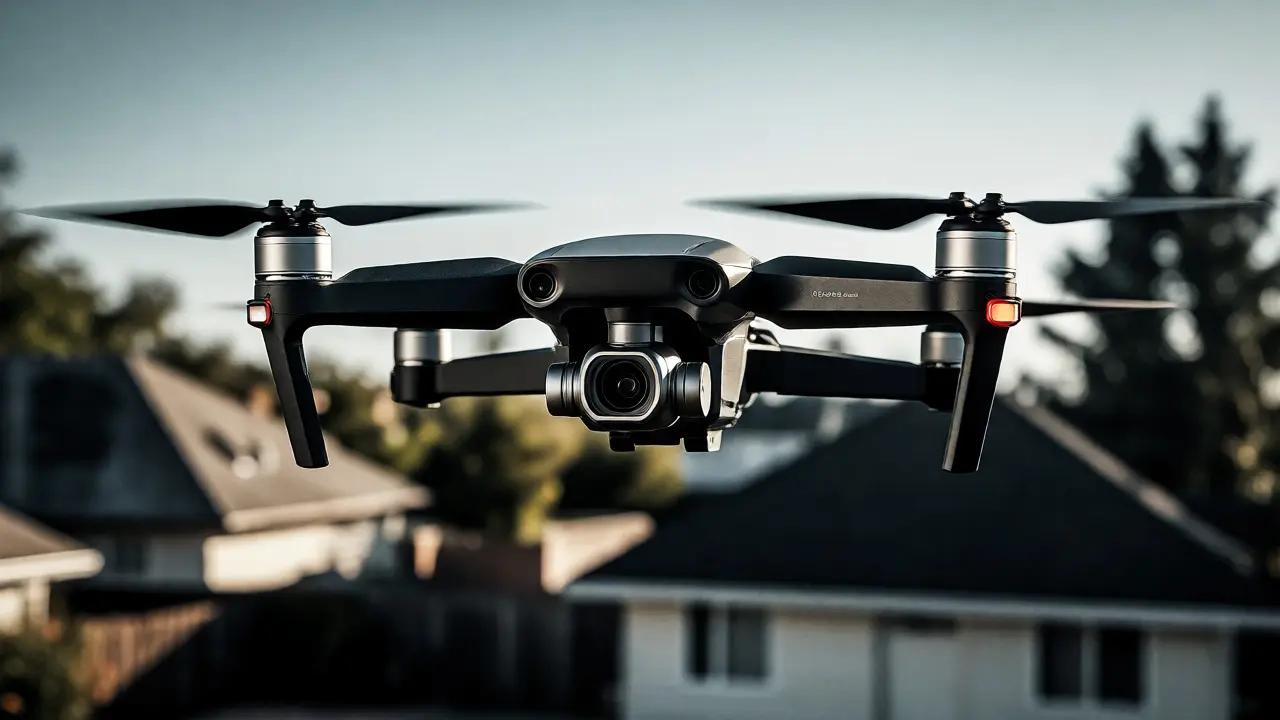
Image Quality: Stability vs. Resolution
Modern drones win hands-down on resolution. A DJI Mavic 3 shoots 20MP photos and 5.1K video with gimbal-stabilized smoothness. You get sharp images every time, assuming lighting is good. The onboard processors handle HDR and noise reduction automatically. For commercial work or high-res prints, drones are superior.
KAP rigs rely on whatever camera you attach. If you use a modern smartphone or mirrorless camera, resolution can match or exceed drones. But stability is the killer. Wind buffeting causes motion blur. Without a gyroscopic gimbal, keeping the horizon level is hard. You’ll spend hours in post-production cropping out tilted horizons and fixing blur. Long exposures are nearly impossible unless wind speeds drop below 5 mph. If you need crisp, steady shots quickly, drones dominate. If you enjoy the challenge of manual control and have calm conditions, KAP can produce stunning results.
Flight Characteristics and Weather Dependence
Drones are robust against light wind. They adjust motors instantly to maintain position. You can hover in place, orbit subjects, and fly precise patterns. Rain and cold weather limit battery life, but most consumer drones handle moderate breezes fine. The downside? Battery anxiety. You get 20-30 minutes per charge. Plan your shot carefully, or risk losing your expensive toy to a low-battery auto-return glitch.
Kites thrive in wind. Actually, they die without it. Ideal KAP conditions require steady winds of 10-20 mph. Too little, and the kite falls; too much, and it becomes uncontrollable. There’s no battery to drain-you can fly for hours as long as the wind holds. This endurance allows for time-lapse sequences spanning entire days. But precision? Forget it. You can’t tell a kite to hover exactly ten feet left of a tree. You steer by pulling line tension, which feels more like fishing than piloting. It’s an art, not a science.
Operational Complexity and Learning Curve
Unbox a drone, charge it, pair it with your phone, and you’re flying in 15 minutes. The interface is intuitive. Features like Return-to-Home and geofencing prevent disasters. For beginners, this ease of use is invaluable. You focus on composition, not mechanics.
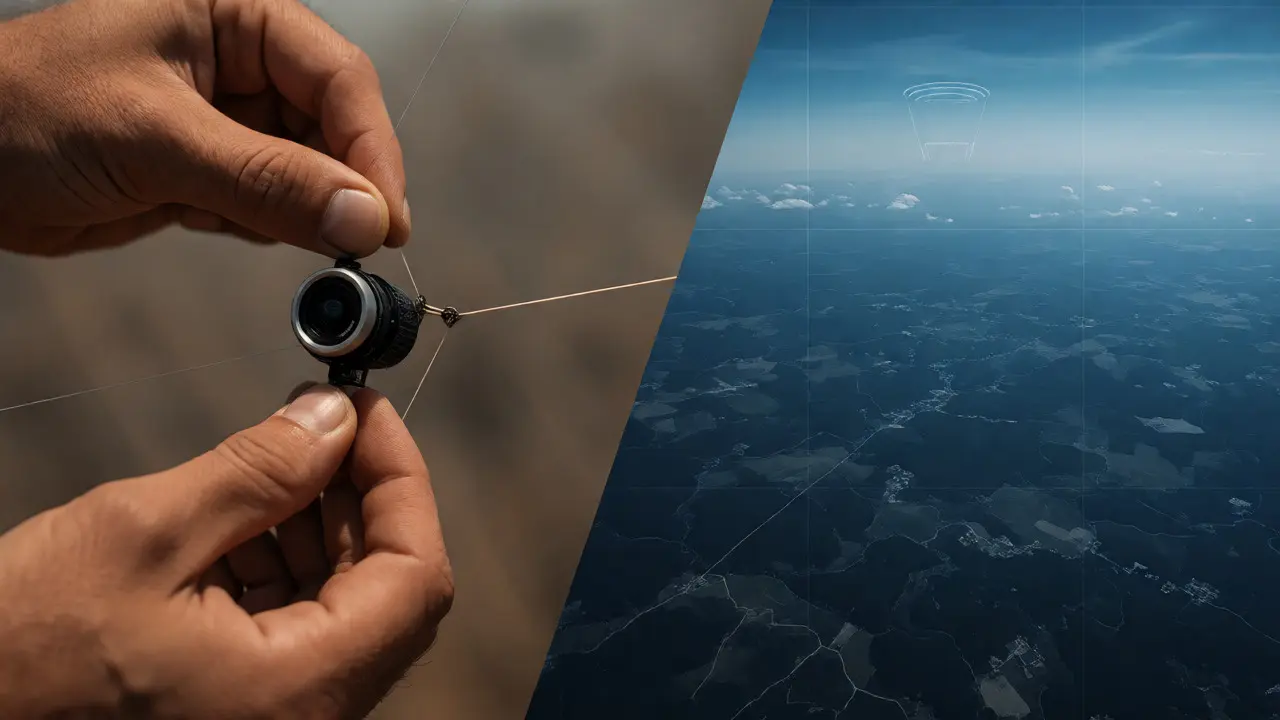
KAP requires setup ritual. You need to select the right kite size for wind conditions, attach the camera securely, balance the rig, and launch safely. If the wind shifts, you might need to swap kites mid-session. Troubleshooting tangled lines or jammed triggers happens in the field, not at home. Mastery takes seasons, not weekends. But once you get it, the satisfaction of manually controlling a camera hundreds of feet up via a thin string is unmatched.
Which One Should You Choose?
Pick a drone if:
- You need high-resolution, stable images quickly.
- You value convenience and automated features.
- You have a budget of $500+ and don’t mind registration paperwork.
- You shoot in varied weather conditions.
Pick KAP if:
- You’re on a tight budget (<$200).
- You prefer quiet, non-intrusive operations.
- You enjoy the tactile process of flying and adjusting gear manually.
- You have access to consistent windy locations.
- You want to experiment with unique angles without worrying about crashes costing hundreds.
Neither technology replaces the other entirely. Many pros use both: drones for reliable client deliverables and kites for artistic experiments or restricted areas where drones aren’t allowed. Start with what fits your wallet and patience level. You can always upgrade later.
Is kite aerial photography legal everywhere?
Not necessarily. While federal aviation laws primarily target powered aircraft, local municipalities often have ordinances restricting kites near airports, power lines, or crowded beaches. Always check local park rules and avoid flying within five miles of an airport without permission.
Can I use my smartphone for KAP?
Yes, many KAP enthusiasts use older smartphones mounted in lightweight cases. Use a Bluetooth remote shutter or a built-in timer to capture images. Just be aware that phones are heavier than dedicated action cams, requiring larger kites and stronger lines.
How high can a kite camera go?
Typical recreational KAP reaches 100 to 300 feet. Advanced setups with specialized kites and heavy-duty lines can reach 600+ feet, but handling becomes difficult. Remember, FAA guidelines generally recommend staying below 400 feet for unmanned aircraft to avoid conflicting with manned traffic.
What happens if a drone crashes into a kite?
It’s a rare but possible hazard. Both operators share responsibility to see and avoid each other. Drones have sensors that might detect the kite, but visibility is key. Pilots should yield to slower-moving aircraft like balloons and gliders, which kites resemble in behavior.
Do I need insurance for KAP?
Liability insurance is rarely required for hobbyist kites, unlike drones. However, if you’re shooting commercially or in public spaces, general liability coverage is wise. Accidents involving falling objects can cause injury or property damage, regardless of whether the object was powered or tethered.