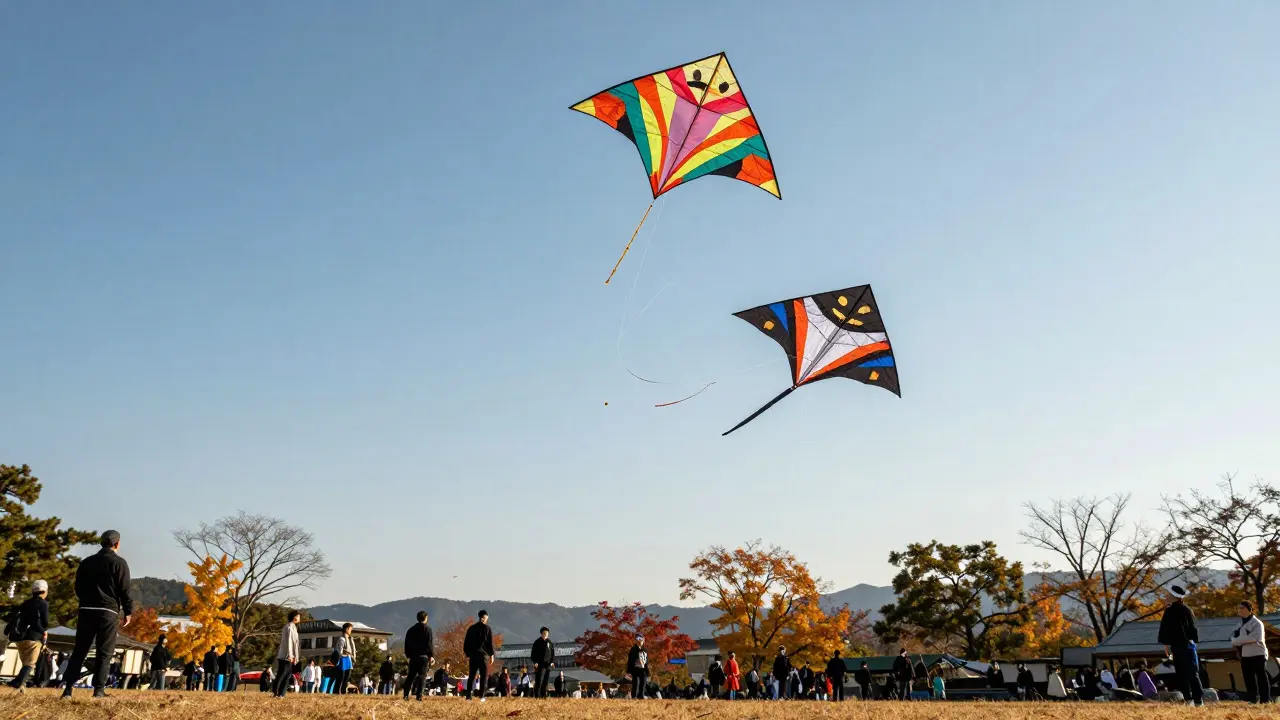
Imagine a clear autumn afternoon in Kyoto. The air is crisp, the leaves are turning gold, and suddenly, a sharp snip cuts through the silence. Two massive, colorful rectangles collide in the sky, strings tangling before one falls to the ground with a thud. This isn't a drone race or a modern sport; it’s Rokkaku, the traditional Japanese art of kite fighting that has been practiced for centuries. While many people associate kite flying with gentle leisure, this specific tradition is intense, strategic, and deeply social. It transforms a simple piece of bamboo and paper into a weapon of wind and precision.
If you’ve ever watched a video of two kites battling, you might wonder how they stay up long enough to fight. The answer lies in the unique design of the Rokkaku and the intricate tactics used by the pilots. Unlike Western diamond-shaped kites, which are stable but passive, the Rokkaku is built for aggression. It’s not just about getting your kite high; it’s about controlling the airspace, cutting the opponent’s line, and celebrating victory with style. Whether you’re a seasoned hobbyist looking to diversify your collection or a curious beginner intrigued by Japanese culture, understanding the mechanics and strategies behind these battles reveals a fascinating layer of aerodynamics and human skill.
The Anatomy of a Warrior: Why Rokkaku Dominates
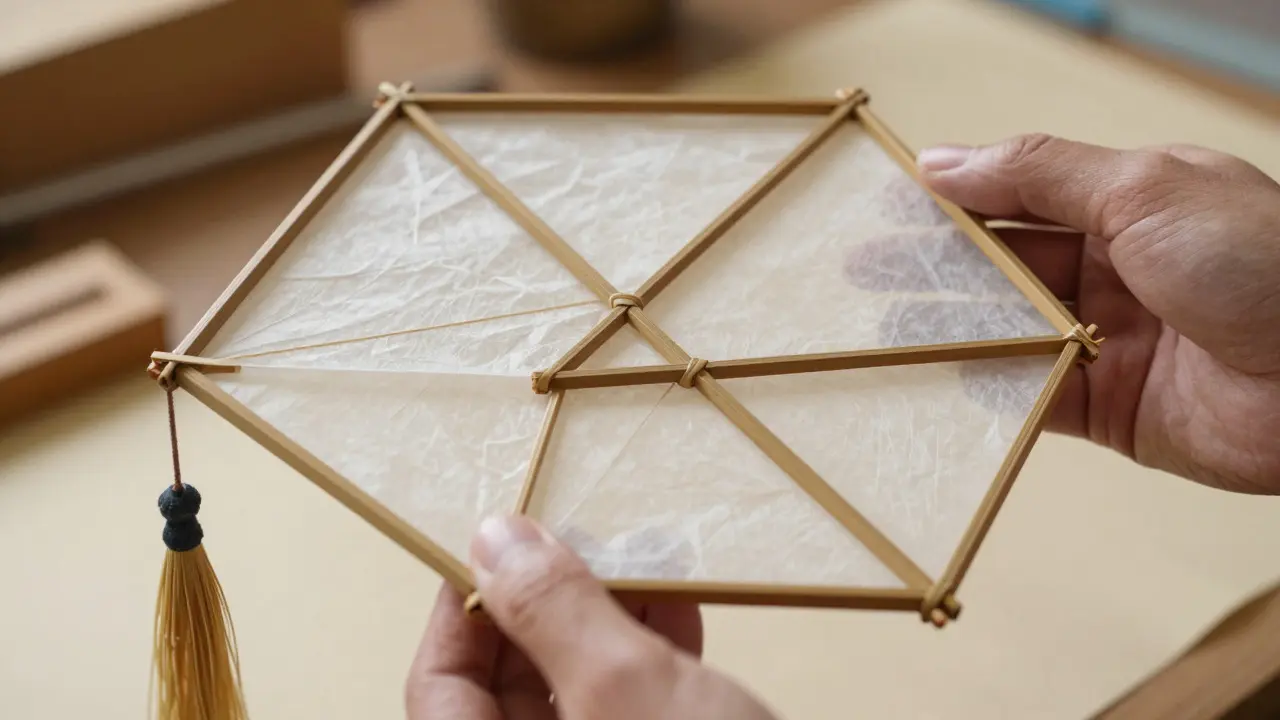
To understand why the Rokkaku is the king of kite fighting, you have to look at its structure. A standard Rokkaku is hexagonal, consisting of six cells made from lightweight bamboo spars and thin washi paper. This shape provides a large surface area relative to its weight, allowing it to generate significant lift even in moderate winds. But the real secret is in the tail and the string attachment points.
In competitive settings, the kite is often equipped with a Tsuri, a heavy, weighted tail that acts as a counterbalance. This tail stabilizes the kite during high-speed maneuvers, preventing it from spinning out of control when it hits another kite. The pilot holds a thick, strong line-often made of silk or modern synthetic materials-that is wound onto a handle called a tsuridama. This handle allows the pilot to quickly reel in slack or release tension, giving them precise control over the kite’s angle of attack.
The difference between a recreational kite and a fighting kite is subtle but critical. Recreational kites prioritize stability and ease of launch. Fighting kites prioritize agility and structural integrity. A well-crafted Rokkaku can withstand the impact of multiple collisions without tearing, thanks to the overlapping layers of paper and the reinforced joints where the bamboo spars meet. If you’re building your own, pay close attention to the symmetry of the frame. Even a millimeter of imbalance can cause the kite to drift off course, giving your opponent an opening to strike.
Team Dynamics: The Art of Group Flying
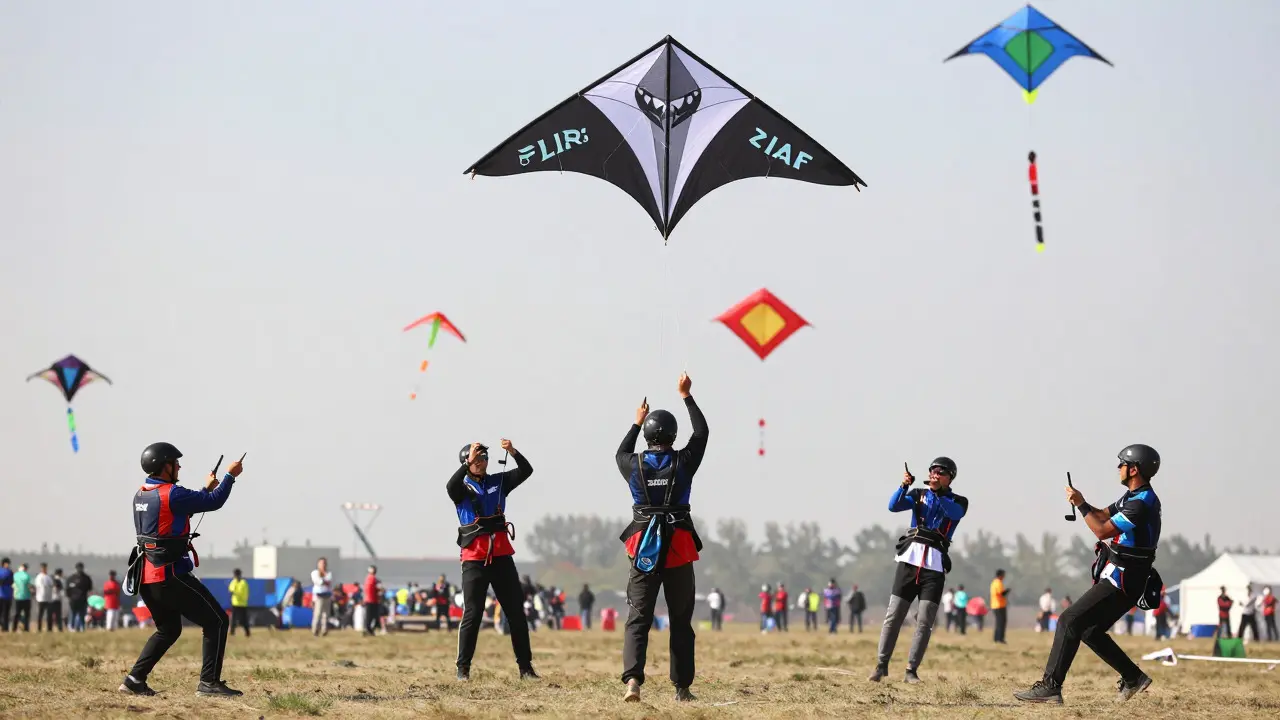
While solo kite fighting exists, the most spectacular displays happen in teams. In traditional festivals, groups of five to ten pilots fly together, creating a coordinated wall of color and motion. This isn’t just for show; team flying requires complex communication and spatial awareness. Each pilot has a role, much like players on a soccer team.
The primary roles in a Rokkaku team include:
- The Anchor: This pilot flies the largest kite, usually positioned downwind. Their job is to hold the formation steady and provide a base for the others to maneuver around.
- The Flankers: These pilots position themselves on the left and right sides of the Anchor. They watch for incoming opponents and signal their presence to the rest of the team.
- The Strikers: These are the aggressive pilots who fly smaller, faster kites. They dart in and out of the formation, aiming to cut the lines of opposing kites while avoiding retaliation.
Communication is non-verbal. Pilots use hand signals, the angle of their kites, and the speed of their reeling to convey information. For example, if a Flanker sees an enemy approaching from the north, they might tilt their kite sharply to the left, signaling the Strikers to move into defensive positions. This silent language allows the team to react instantly without shouting, which could be distracting in a noisy festival environment.
One common mistake beginners make when joining a team is trying to do everything at once. You don’t need to be the best cutter or the highest flyer. You just need to be reliable. If you’re assigned to be an Anchor, keep your kite steady. If you’re a Striker, wait for your cue. Trusting your teammates reduces the chance of friendly fire, where one teammate accidentally cuts another’s line.
Strategic Maneuvers: Ebi Tsume and Beyond
Once you’re comfortable with basic flight, you can start learning specific combat techniques. The most famous is Ebi Tsume, which translates to “shrimp pinch.” This maneuver involves rapidly pulling the string to bring the kite down and then releasing it to shoot back up. When done correctly, it creates a sudden change in altitude that can snap an opponent’s line if they’re tangled in yours.
Another key technique is Kakari, or “hooking.” Here, the pilot aims to wrap their line around the opponent’s kite frame rather than just their string. This is harder to execute because it requires precise timing and a good sense of depth perception. If successful, the opponent’s kite becomes entangled, making it difficult for them to escape without breaking their own line.
Timing is everything. Wind conditions change constantly, so you have to read the air. A gust coming from the side might push your kite off course, so you need to adjust your angle of attack accordingly. Experienced pilots can feel the wind changes through the tension in their string. If the string feels loose, the kite is stalling. If it feels tight, the kite is diving. Mastering this tactile feedback takes months of practice, but it’s the foundation of all advanced strategies.
Equipment and Maintenance Tips
Your gear matters as much as your skills. A damaged kite won’t fight effectively, and a weak string will break under pressure. Here are some practical tips for maintaining your equipment:
- Check the Paper: Washi paper is durable, but it can tear if exposed to moisture. Always store your kites in a dry place. If you notice small tears, repair them immediately with tissue paper and glue before they spread.
- Inspect the Bamboo: Look for cracks or splinters in the bamboo spars. A broken spar can cause the kite to lose shape mid-flight. Sand down any rough edges to prevent them from snagging on other lines.
- Test Your String: Use a high-tensile string suitable for kite fighting. Avoid using regular garden twine, which is too weak. Test the strength of your string by pulling it gently to ensure there are no weak spots.
- Clean the Handle: The tsuridama should be smooth and free of debris. A sticky handle can slow down your reeling speed, costing you precious seconds in a battle.
Investing in quality materials pays off. Cheap kites may seem appealing, but they often fail after a few flights. Look for kites made by reputable artisans who use traditional methods. Not only will they last longer, but they’ll also fly better due to their superior craftsmanship.
Finding Your Community
Kite fighting is inherently social. You learn faster when you fly with others, share stories, and compare notes on local wind patterns. Many cities have kite clubs that host regular gatherings, especially during spring and fall when the weather is ideal. These events are great for beginners because experienced pilots are usually happy to offer advice and demonstrate techniques.
When attending a festival, observe the locals first. Watch how they launch their kites, how they position themselves relative to the wind, and how they interact with each other. Don’t be afraid to ask questions. Most enthusiasts are passionate about sharing their knowledge and welcoming new participants. Joining a club also gives you access to resources like group discounts on materials and organized practice sessions.
Remember, the goal isn’t just to win every battle. It’s to enjoy the process, connect with others, and appreciate the beauty of the craft. The sound of the wind, the sight of colorful kites dancing in the sky, and the camaraderie among pilots create an experience that goes far beyond the competition itself.
What is the best wind speed for Rokkaku kite fighting?
Ideal wind speeds for Rokkaku fighting range from 10 to 20 miles per hour. Below 10 mph, the kites may struggle to stay aloft, while above 20 mph, they can become difficult to control. Beginners should start in lighter winds (around 8-12 mph) to build confidence before tackling stronger conditions.
Can I use a modern synthetic string instead of traditional silk?
Yes, many modern pilots use synthetic strings like Dyneema or Spectra because they are stronger and lighter than silk. However, some purists prefer silk for its traditional feel and aesthetic appeal. If you choose synthetic, ensure it is rated for high tensile strength to handle the forces involved in kite fighting.
How do I repair a torn Rokkaku kite?
For small tears, use a piece of thin tissue paper and a small amount of white glue. Place the paper over the tear, smooth it out, and let it dry completely. For larger tears, you may need to replace the affected section of the kite. Always ensure the repair is symmetrical to maintain the kite’s balance.
Is kite fighting safe for children?
Yes, kite fighting is generally safe for children when supervised by adults. Use shorter, weaker strings for younger kids to reduce the risk of injury. Teach them to avoid flying near power lines or busy roads. With proper guidance, children can learn valuable lessons about focus, coordination, and teamwork.
Where can I buy authentic Rokkaku kites?
You can find authentic Rokkaku kites from specialized kite shops, online retailers that focus on traditional crafts, or directly from Japanese artisans. Look for sellers who specify the use of washi paper and bamboo. Local kite clubs often have recommendations for trusted suppliers or may sell pre-assembled kits for members.