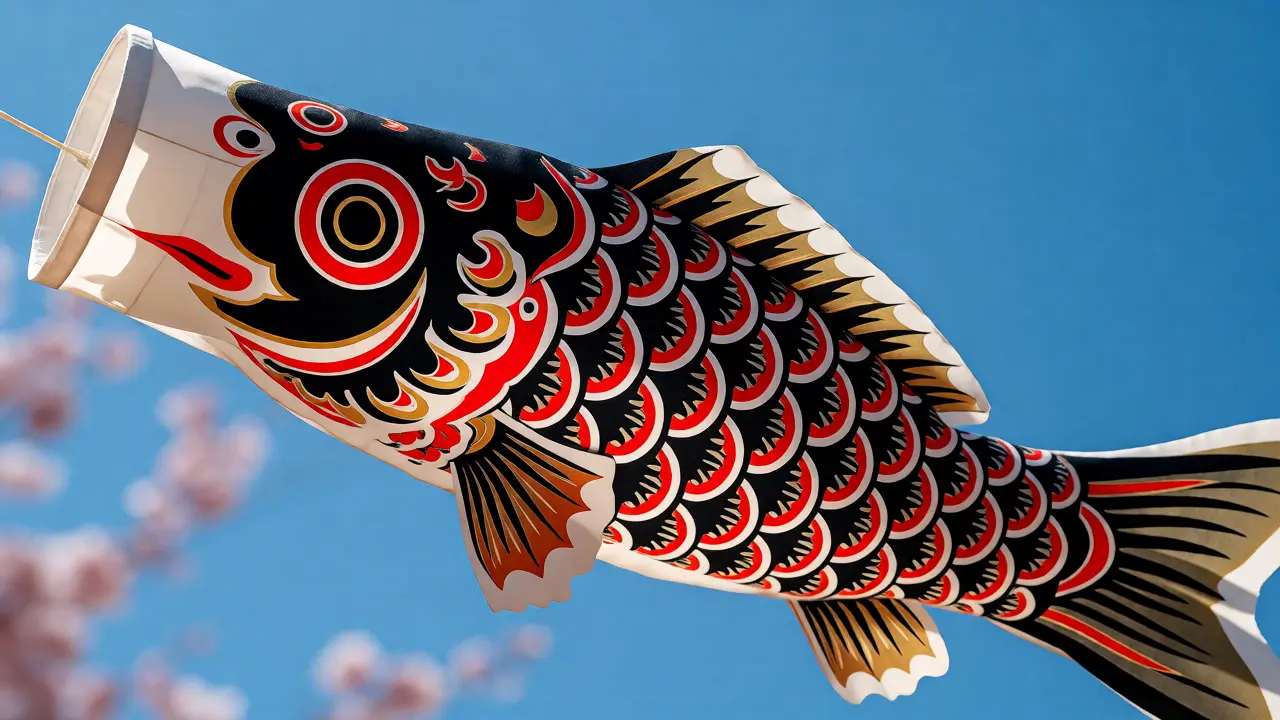
You’ve probably seen those long, colorful fish streamers waving in the wind outside homes in spring. That’s koinobori, or carp-shaped kites flown during Children’s Day in Japan. But Japanese kite culture goes way deeper than just carp. It’s a blend of intricate paper engineering, bold artistic patterns, and deep-rooted symbolism that has survived for centuries. If you’re into crafts, history, or just love things that look beautiful against a blue sky, understanding how these kites are decorated and what they mean is worth your time.
| Kite Type | Primary Shape | Common Region | Symbolic Meaning |
|---|---|---|---|
| Koinobori | Carp | Nationwide | Success, strength, perseverance |
| Rokkaku | Six-sided hexagon | Yamagata, Niigata | Stability, geometric harmony |
| Hamamatsu | Rectangular with bamboo frame | Shizuoka Prefecture | Battle spirit, community pride |
| Edo | Complex multi-panel | Tokyo (historical) | Elegance, merchant wealth |
The Anatomy of Japanese Kite Design
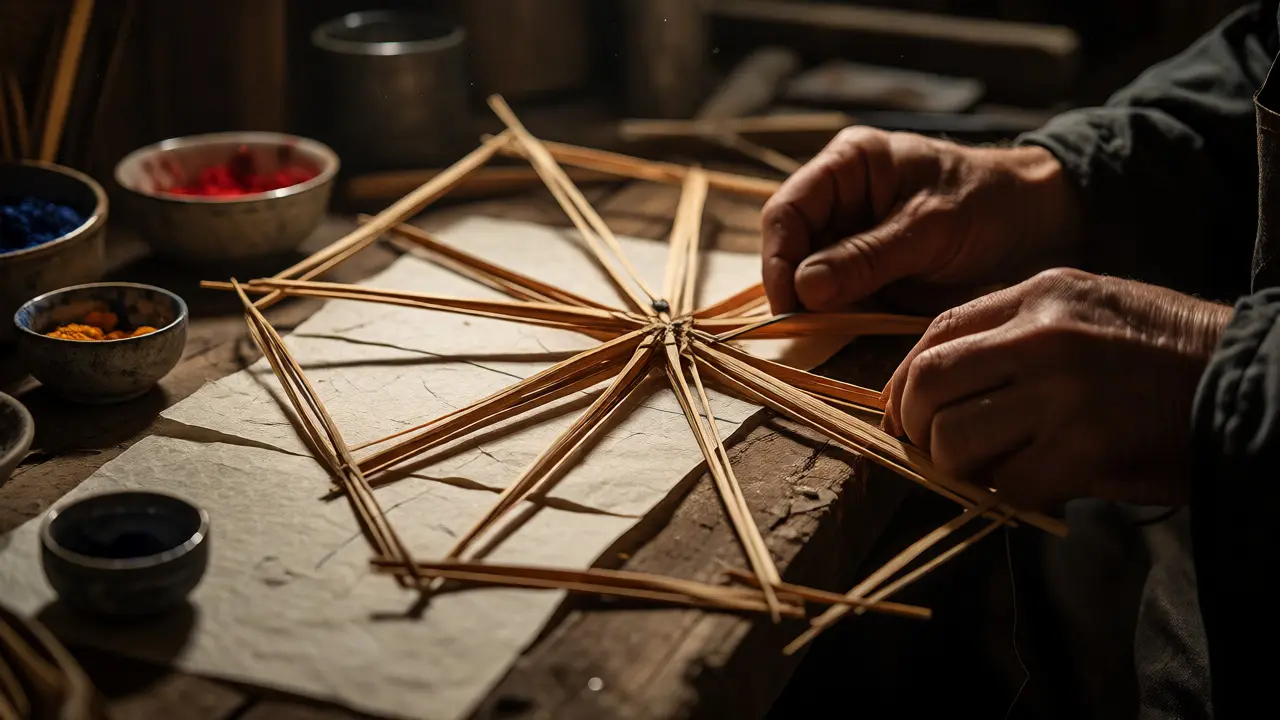
Most people think a kite is just paper on a stick. In Japan, it’s an engineering feat wrapped in art. The backbone of almost every traditional Japanese kite is madake (bamboo). This isn’t any bamboo; artisans select specific culms based on age and flexibility. For a Rokkaku kite, which is a six-sided hexagonal shape common in northern Japan, the frame requires precise heat-bending techniques to create tension without breaking the fiber.
The skin used to be exclusively washi paper-handmade from mulberry fibers. Today, you’ll see nylon and polyester too, but purists insist on washi because it ages gracefully. The decoration process starts before the frame is even assembled. Artists paint directly onto large sheets of paper using sumi ink or vibrant pigments derived from minerals like cinnabar and azurite. Once painted, the paper is glued to the bamboo frame while still damp, shrinking as it dries to create a taut, drum-like surface that catches the wind perfectly.
Decoding the Artistic Patterns
Why do some kites look like swirling clouds while others feature fierce samurai? The patterns aren’t random. They follow strict aesthetic codes rooted in Edo-period aesthetics. One of the most popular motifs is the shichihenge or "seven transformations," often depicted through cloud scrolls that seem to move even when the kite is stationary. These swirling designs represent the boundary between the human world and the divine.
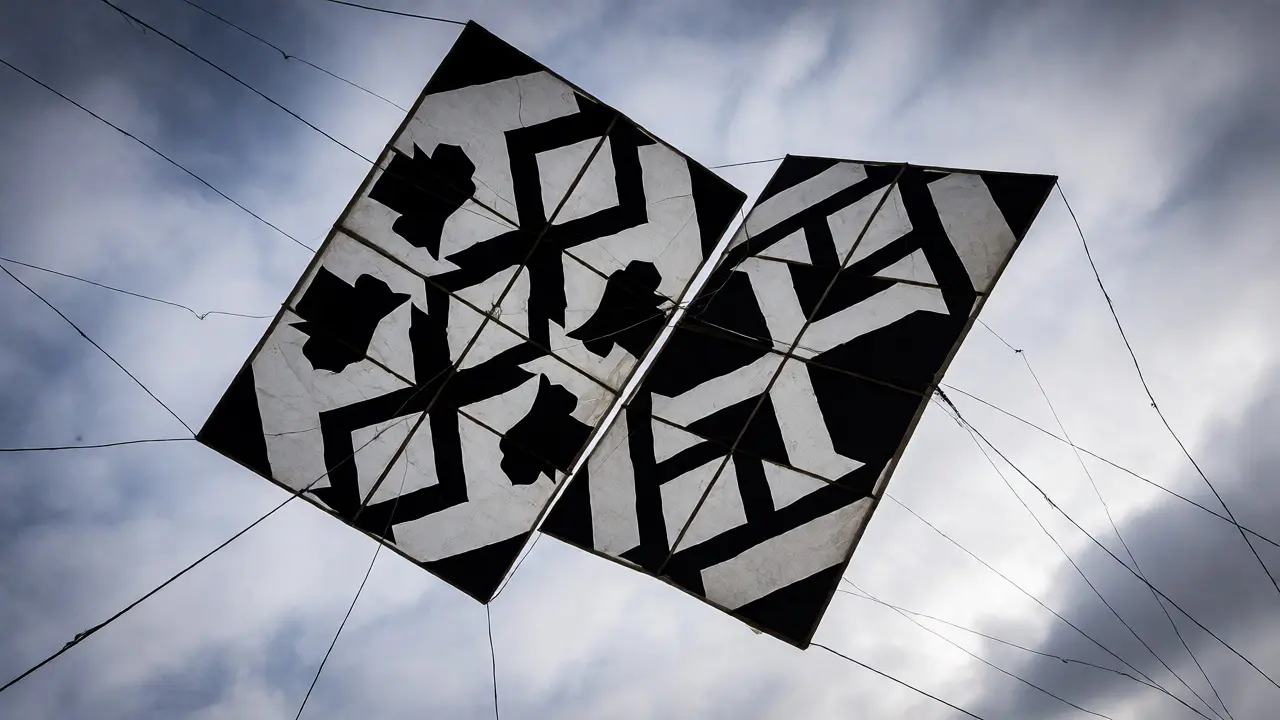
Another staple is the use of kanji characters. You might spot a giant character for "fukujin" (god of fortune) or "man" (ten thousand), symbolizing infinite longevity. But it’s not just about text. Geometric patterns like asanoha (hemp leaf) are believed to ward off evil spirits. When you look closely at a high-end Hamamatsu fighting kite, you’ll notice symmetrical black-and-white contrasts designed to intimidate opponents during aerial battles. These aren’t just pretty pictures; they are visual language.
Symbolism Beyond the Sky
Let’s talk about the carp. Why a fish? The legend comes from Chinese mythology adapted by the Japanese: a carp that swims upstream and leaps over a waterfall transforms into a dragon. Flying a koinobori represents a parent’s wish for their child to overcome obstacles and achieve success. The color coding is specific, too. Black traditionally represents the father, red the mother, and smaller blue or green carps for the children. In modern times, families have added pink or orange for daughters, reflecting shifting social norms.
But symbolism varies by region. In Hamamatsu, kites are weapons. During the annual kite-fighting festival, teams try to cut each other’s strings. Here, the kite symbolizes martial prowess and local identity. A team’s kite might bear the crest of their neighborhood or a historical clan name. Losing the string doesn’t mean defeat; it means the kite has been "released" to the gods, carrying prayers upward. This dual nature-art object versus spiritual messenger-is what makes Japanese kite culture so compelling.
Regional Variations You Should Know
If you travel across Japan, you’ll see distinct styles. In Yamagata Prefecture, the Rokkaku dominates. These kites are stable in strong winds, making them ideal for winter festivals where snowmelt creates steady gusts. Their design is minimalist compared to Tokyo’s ornate Edo kites, which emerged from wealthy merchant classes who had the money to commission elaborate silk paintings.
Down south in Fukuoka, you might encounter hata-style kites shaped like flags. These are simpler, often featuring bold single-color blocks or simple geometric shapes. They’re easier to make, which made them popular among farmers and fishermen. Meanwhile, in Osaka, the focus shifts to humor and satire. Some kites depict caricatures of politicians or celebrities, turning the sky into a comic strip. This regional diversity proves that Japanese kite decoration isn’t a monolith; it’s a living, breathing craft that adapts to local climate and culture.
How to Start Your Own Collection
So, you want to bring this art home? You don’t need to fly one to appreciate it. Many collectors buy decorative mini-kites for indoor display. When shopping, check the frame material. Real bamboo frames will have visible nodes and slight imperfections. Synthetic frames are uniform and lighter. For authentic value, look for hand-painted details rather than printed graphics. Print looks flat; paint has texture and depth.
If you’re handy, consider building a simple Rokkaku kit. It’s the easiest entry point. You’ll need thin bamboo skewers, rice paper, glue, and acrylic paints. The key is patience. Rushing the gluing process leads to bubbles, which ruin the aerodynamics and the look. Join online forums dedicated to Asian kite arts; members often share templates and sourcing tips for rare pigments. Remember, the joy isn’t just in the finished product-it’s in the slow, meditative process of construction.
Care and Preservation Tips
Paper kites are fragile. Sunlight fades colors quickly, so keep them out of direct UV exposure if displaying indoors. Humidity is another enemy. Washi paper absorbs moisture, causing the kite to sag or warp. Store them in acid-free tissue paper inside a rigid box, away from basements or attics where temperature swings occur. If you fly them, avoid rain at all costs. Even a light mist can dissolve the glue joints. After flying, gently brush off dust with a soft makeup brush. Never wash a paper kite with water.
What is the difference between koinobori and regular kites?
Koinobori are specifically carp-shaped streamers flown vertically, primarily for Children's Day. Regular Japanese kites, like Rokkaku or Edo styles, are flown horizontally on lines and are often used for competitions or leisure. Koinobori are more symbolic decorations, while traditional kites are functional flying objects.
Why are Japanese kites often rectangular or hexagonal?
These shapes provide stability in varying wind conditions. The hexagonal Rokkaku design, for example, distributes wind pressure evenly, allowing it to fly steadily without constant line adjustment. Rectangular designs offer a large surface area for detailed artwork while maintaining structural integrity with simple cross-bracing.
Can I use synthetic materials for traditional Japanese kites?
Yes, modern hobbyists often use nylon or polyester fabrics instead of washi paper. These materials are more durable and weather-resistant. However, they lack the translucent quality and aging patina of traditional paper. For authentic aesthetic appeal, handmade washi remains the gold standard among collectors.
What do the colors on a koinobori signify?
Traditionally, black represents the father, red the mother, and blue/green the first son. Modern families may add pink for daughters or other colors for additional children. The order usually reflects family hierarchy, with the largest and darkest fish at the top representing the head of the household.
Where can I buy authentic Japanese kites?
Specialty Asian craft stores, online retailers specializing in Japanese goods, and museum gift shops in Japan are good sources. Look for sellers who specify "hand-painted" or "bamboo frame." Be cautious of mass-produced souvenirs that use plastic frames and printed vinyl, which lack artistic value.