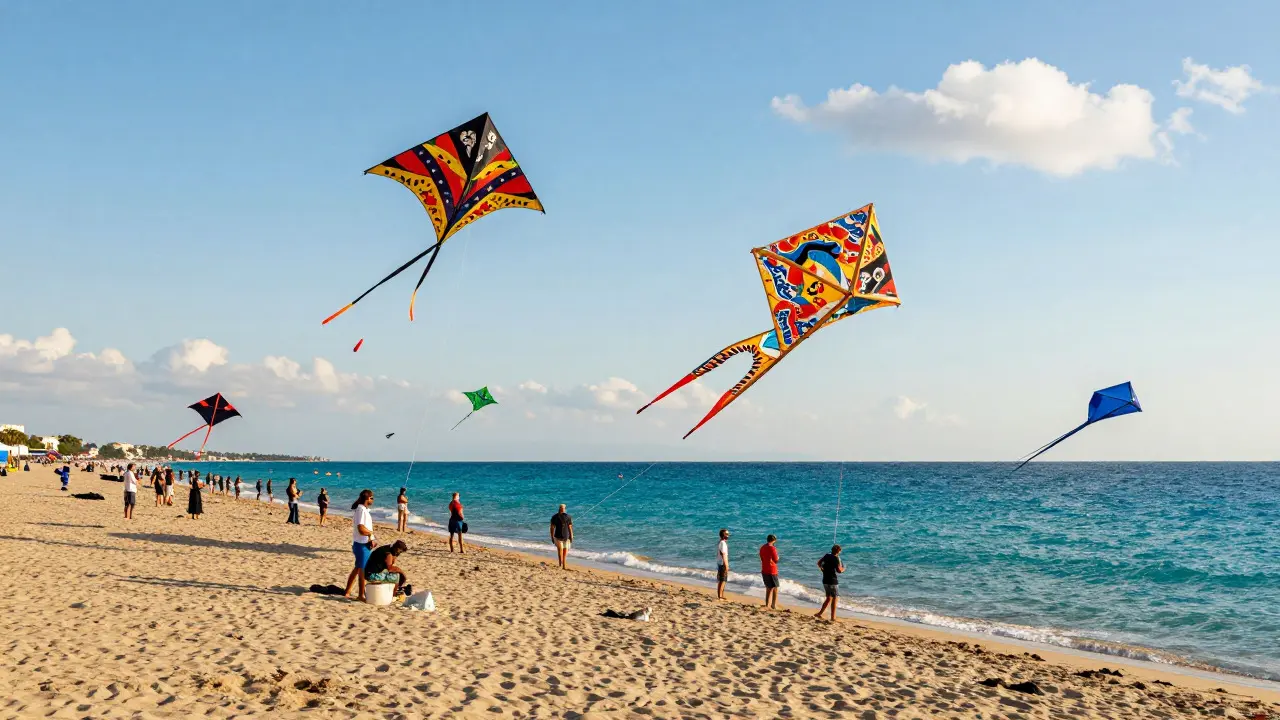
There is a specific sound that only happens when the wind hits a stretched silk membrane in the salt air of the Adriatic coast. It is not just a whistle; it is a historical echo. In Italy, Aquiloni are traditional handcrafted kites that represent a centuries-old cultural heritage blending art, physics, and community celebration. Unlike the mass-produced plastic kites found in most suburban parks, these structures are intricate works of engineering and aesthetics. They are made by artisans who have passed down techniques through generations, often using materials like bamboo, cotton paper, and natural dyes. For the modern enthusiast, understanding this tradition means stepping into a world where flight is an art form, not just a hobby.
The Heart of the Tradition: The Adriatic Coast
You cannot talk about Italian kite culture without pointing to the Adriatic Sea. The geography here creates unique wind patterns that are perfect for flying large, heavy-lift kites. Cities along this coast, particularly in the regions of Veneto and Marche, have hosted kite festivals for decades. These are not casual gatherings; they are organized spectacles where hundreds of Adriatic Kite Festivals participants gather to test their creations against the sea breeze.
The wind off the Adriatic is consistent but variable, which requires kites with specific aerodynamic profiles. This environment has shaped the design of local kites over time. Builders focus on stability at high altitudes and responsiveness during gusts. When you watch a festival here, you see a mix of traditional diamond shapes and more complex box kites, all competing for dominance in the sky. The atmosphere is electric, filled with the snap of lines and the cheers of spectators watching massive, colorful structures dance above the water.
Inside the Workshop: The Artisan’s Craft
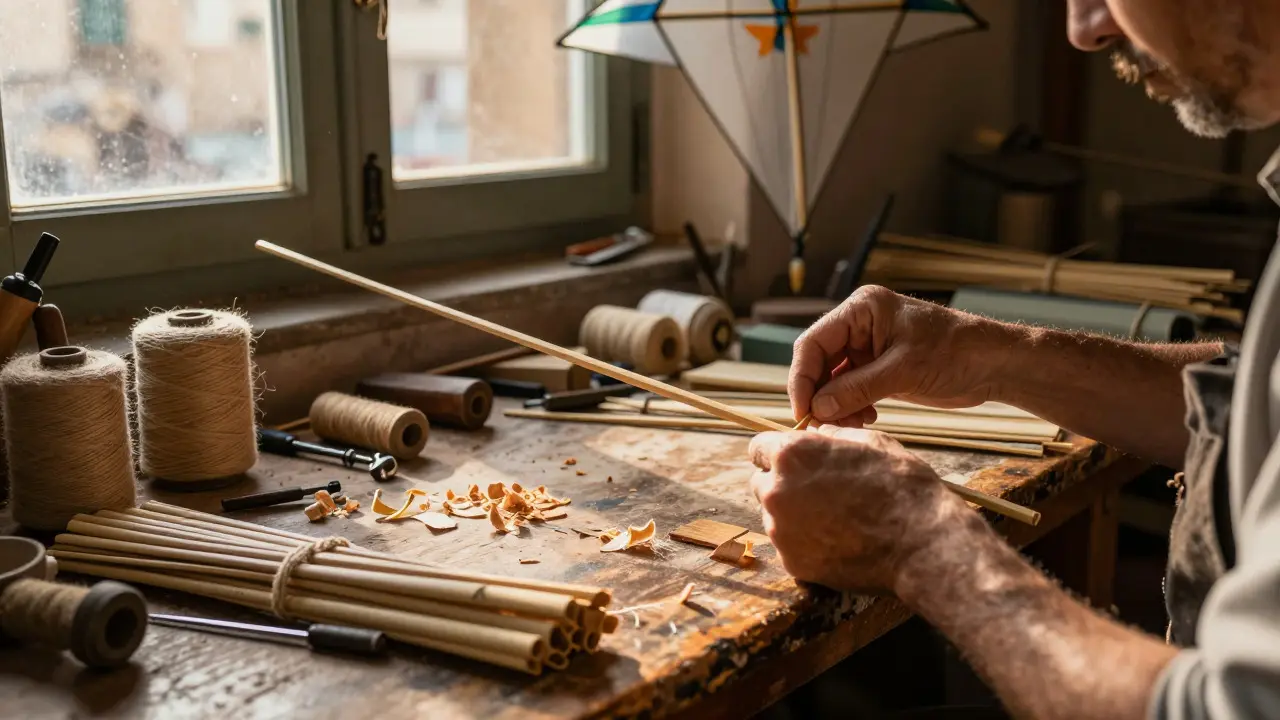
Behind every impressive flight lies hours of meticulous work in an artisan workshop. These spaces are usually small, cluttered with tools, wood shavings, and spools of thread. The process begins with selecting the frame material. While modern builders might use carbon fiber, traditionalists still prefer Bamboo Frames because of their flexibility and weight-to-strength ratio. Bamboo must be split, sanded, and treated to prevent warping. A single mistake in the joint can cause the entire structure to fail mid-flight.
Once the frame is ready, the covering is applied. This is where the artistic side shines. Artisans use thin papers or lightweight fabrics, painted with motifs that reflect local folklore or personal symbolism. The painting process is delicate; too much paint adds weight, while too little leaves the surface vulnerable to tearing. The final step involves attaching the bridle system. This is the most critical part of the build. The angle and length of the bridle determine how the kite turns, climbs, and holds its position. An experienced builder can adjust these millimeters to fine-tune the kite’s behavior in different wind conditions.
Key Components of a Traditional Aquilone
To understand why these kites fly differently than store-bought versions, you need to look at their components. Each part serves a specific function that contributes to the overall performance. Here is a breakdown of the essential elements:
- Frame Material: Typically seasoned bamboo or lightweight wood. It provides the structural skeleton.
- Covering Surface: Hand-painted paper or silk. This catches the wind and displays the artwork.
- Bridle System: A network of strings connecting the frame to the main line. It controls lift and stability.
- Control Line: Usually made from strong nylon or synthetic fiber. It must withstand significant tension.
- Reel: Often a wooden or metal handle used to manage the line length and tension manually.
Comparing Traditional vs. Modern Kites
Many newcomers wonder if the old ways are obsolete compared to modern technology. The answer is nuanced. Modern kites offer convenience, but traditional ones offer connection. Let’s look at the differences between a standard recreational kite and a traditional Italian aquilone.
| Feature | Traditional Aquilone | Modern Recreational Kite |
|---|---|---|
| Primary Material | Bamboo, Paper/Silk | Carbon Fiber, Polyester |
| Construction Time | 10-40 Hours | Pre-assembled (Minutes) |
| Wind Range | Specific (15-30 km/h) | Wide (10-40 km/h) |
| Repairability | High (DIY possible) | Low (Often disposable) |
| Cultural Value | High (Heritage artifact) | Low (Consumer product) |
| Cost | $50-$200 (Handmade) | $20-$80 (Mass-produced) |
The table highlights a key trade-off: durability versus authenticity. A modern kite might last longer under rough handling, but a traditional aquilone offers a tactile experience that connects the flyer to the craft. Many enthusiasts keep both, using the modern one for casual days and the traditional one for special events or competitive flying.
Participating in Adriatic Events
If you want to experience this culture firsthand, attending an event is the best way to learn. The major festivals usually take place in spring and early autumn when the winds are strongest but not stormy. These events are open to the public, but there are unwritten rules of etiquette. Respect the other flyers’ space. The wind direction changes rapidly, so staying aware of your surroundings prevents collisions. Most festivals feature a "free flight" zone where anyone can launch, and a "showcase" area where professional artisans demonstrate their skills.
For visitors, bringing a simple, stable kite is recommended if you plan to fly. Avoid double-line stunt kites unless you are experienced, as they can be dangerous in crowded areas. Watch the local masters. Observe how they handle the reel, how they read the wind ripples on the water, and how they adjust their stance. This observation is worth more than any manual. You will start to understand the subtle language of the wind that defines this practice.
Building Your Own: A Beginner’s Approach
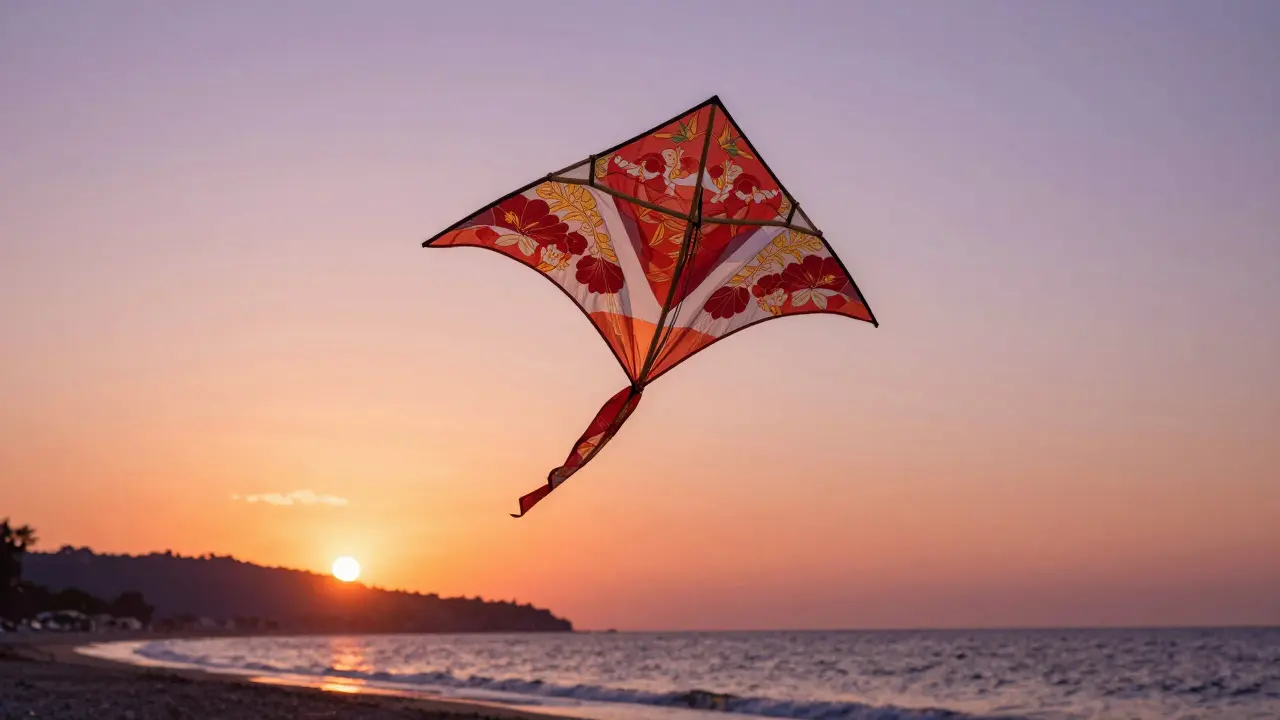
You don’t need to be a master craftsman to start. Building a simple diamond-shaped aquilone is a rewarding project that teaches you the fundamentals of balance and tension. Start with a square piece of lightweight paper and two sticks of equal length. Cross them in the center and tie them securely. Tape the corners of the paper to the ends of the sticks. Add a tail for stability-a long strip of ribbon or paper attached to the bottom tip. Finally, attach a bridle string from the top tip to a point on the crossbar. Adjust the length of the bridle until the kite flies straight. This basic model captures the essence of the tradition: simplicity, balance, and joy.
Frequently Asked Questions
What does 'Aquilone' actually mean in Italian?
The word 'Aquilone' literally translates to 'little eagle.' This name reflects the kite's ability to soar high and its association with freedom and the sky. It is distinct from the generic word for kite, which is 'cometa' (comet) in some contexts, though 'aquilone' is the culturally preferred term for traditional designs.
Are traditional Italian kites better in high winds?
Not necessarily. Traditional kites are designed for moderate, steady winds. In very high winds, their paper surfaces can tear, and their bamboo frames may bend excessively. However, skilled flyers can handle stronger gusts by adjusting their line tension and angle. For sustained winds above 30 km/h, many artisans recommend reinforced frames or heavier covers.
Where can I find authentic artisan workshops in Italy?
Most workshops are located in coastal towns in Veneto and Marche. Look for small shops near historic centers that display handmade kites in their windows. Many artisans also participate in local craft fairs where they offer demonstrations. Checking local tourism boards for 'festa dell'aquilone' dates is the best way to find active workshops and events.
Do I need special equipment to fly a traditional aquilone?
No special gear is required beyond the kite itself. A sturdy reel or even a simple stick with a hook can serve as a line holder. Gloves are recommended to protect your hands from the friction of the line, especially during long flights. Comfortable shoes suitable for walking on grass or sand are also important, as you will likely move around to maintain control.
How long does it take to learn to build a traditional kite?
You can build a basic functional kite in an afternoon. However, mastering the aesthetic details, such as painting and precise bridle tuning, takes months of practice. Most artisans suggest starting with simple shapes and gradually moving to more complex designs like box kites or delta wings. Patience is key; rushing the construction leads to imbalances that affect flight performance.