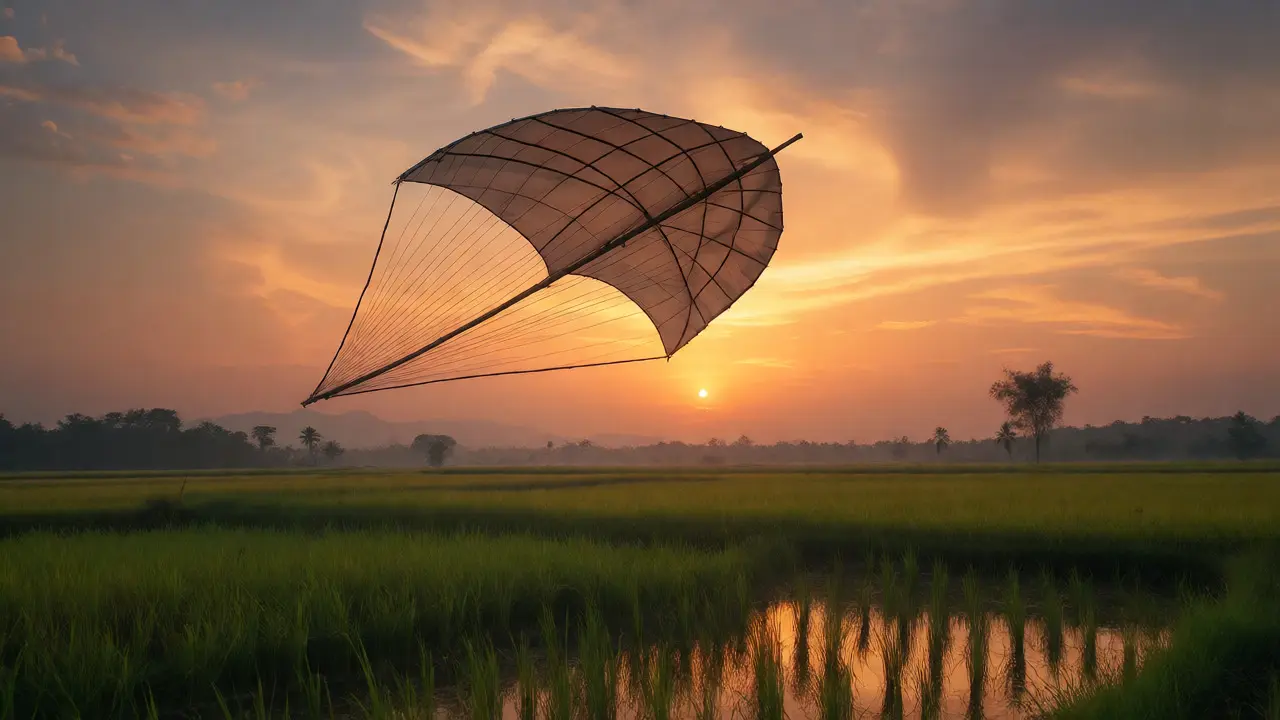
Imagine standing in a rice field in rural Cambodia, the sun dipping below the horizon, when you hear a low, mournful hum. It’s not an instrument played by a human hand, but the wind passing through a bamboo bow attached to a kite soaring high above. This is the Khleng Ek, or Singing Kite, a tradition that turns the sky into a concert hall. Unlike the colorful, plastic kites you might see at a beach festival, the Khleng Ek is a piece of engineering and art deeply rooted in Khmer heritage. It’s not just about keeping something aloft; it’s about listening to the air.
If you’ve ever wondered how a kite can sing, or why this specific tradition survived centuries of political turmoil to become a symbol of national identity, you’re in the right place. We’re going to break down what makes these kites unique, how they are built, and why the sound they make matters more than their flight path for many Cambodians.
What Exactly Is a Khleng Ek?
The term Khleng Ek translates roughly to "bow kite" or "singing kite." The "Ek" refers to the bow-like structure made of flexible bamboo that creates the sound. When wind rushes across the taut string stretched along the bamboo bow, it vibrates, producing a tone. Think of it like running your finger over the rim of a wine glass, but on a much larger scale and powered by the monsoon breeze.
These aren't toys. A standard Khleng Ek can have a wingspan ranging from two to five meters. They are constructed using lightweight materials-typically thin bamboo poles for the frame and paper or cloth for the sail. The key component, however, is the "whistle" mechanism. This is usually a series of small holes or a specific arrangement of reeds attached to the bow. The pitch changes depending on the speed of the wind and the size of the holes. It’s a delicate balance; too little wind and there’s no song, too much and the kite becomes unstable.
| Component | Material | Function |
|---|---|---|
| Frame (Bow) | Bamboo | Creates tension for the sound-producing string |
| Sail | Paper or Cotton Cloth | Catches the wind to generate lift |
| Whistle (Reed) | Hollow Bamboo or Reed | Vibrates to produce the melodic tone |
| String | Silk or Nylon | Controls altitude and angle of attack |
The Cultural Significance Beyond the Sky
In Cambodia, kite flying isn't just a hobby; it’s tied to the agricultural calendar. Historically, farmers would fly Khleng Eks during the dry season, after the harvest. The sound was believed to please the spirits and ensure rain for the next planting cycle. There’s a poetic logic to it: if the kite sings sweetly, the gods are listening.
This connection to the land means the tradition has deep roots in village life. During the reign of King Norodom Sihanouk, kite festivals were state-sponsored events, drawing thousands to Phnom Penh. But during the Khmer Rouge regime (1975-1979), many cultural practices, including kite making, were suppressed. Knowledge was nearly lost. Today, organizations like the Khmer Kite Association work tirelessly to teach young artisans the old ways, ensuring the songs don’t fade away.
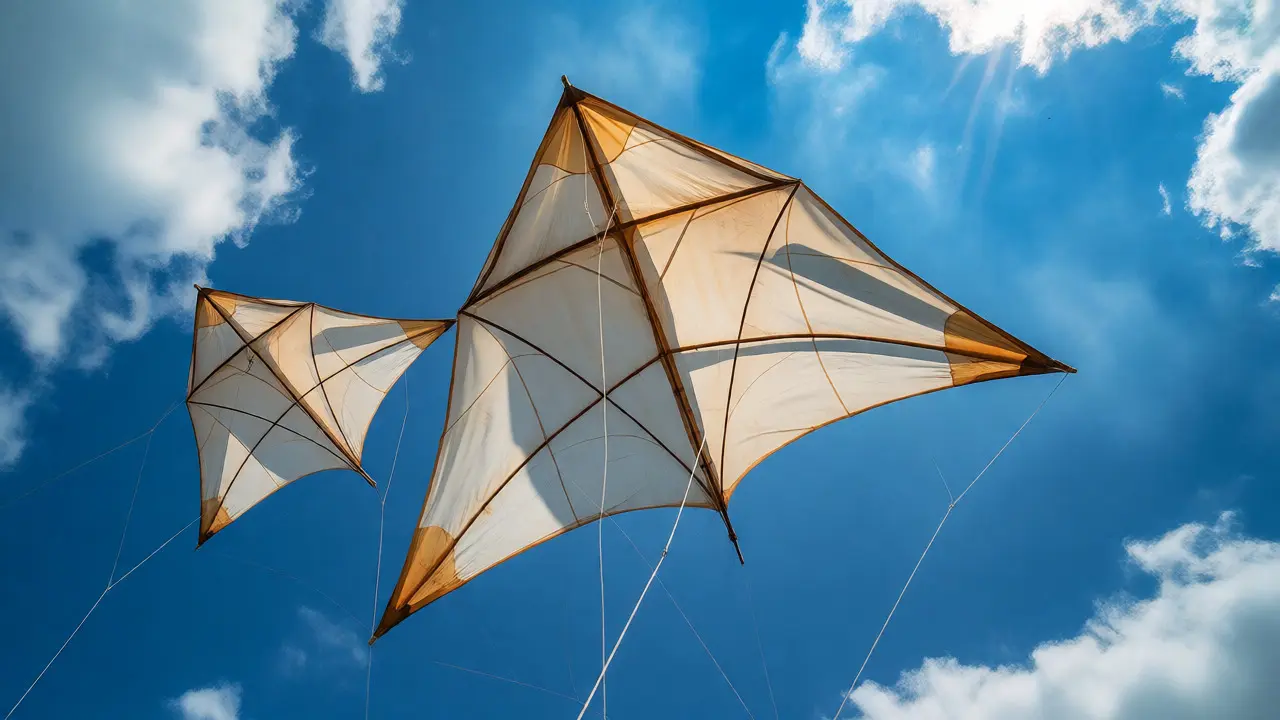
You’ll often see these kites flown in pairs or groups. One large Khleng Ek might carry a smaller, silent kite called a Choray. The Choray acts as a stabilizer, helping the singing kite maintain a steady position so the whistle doesn’t screech out of tune. It’s a partnership between two objects, relying on each other to stay in harmony.
How the Sound Works: Physics Meets Art
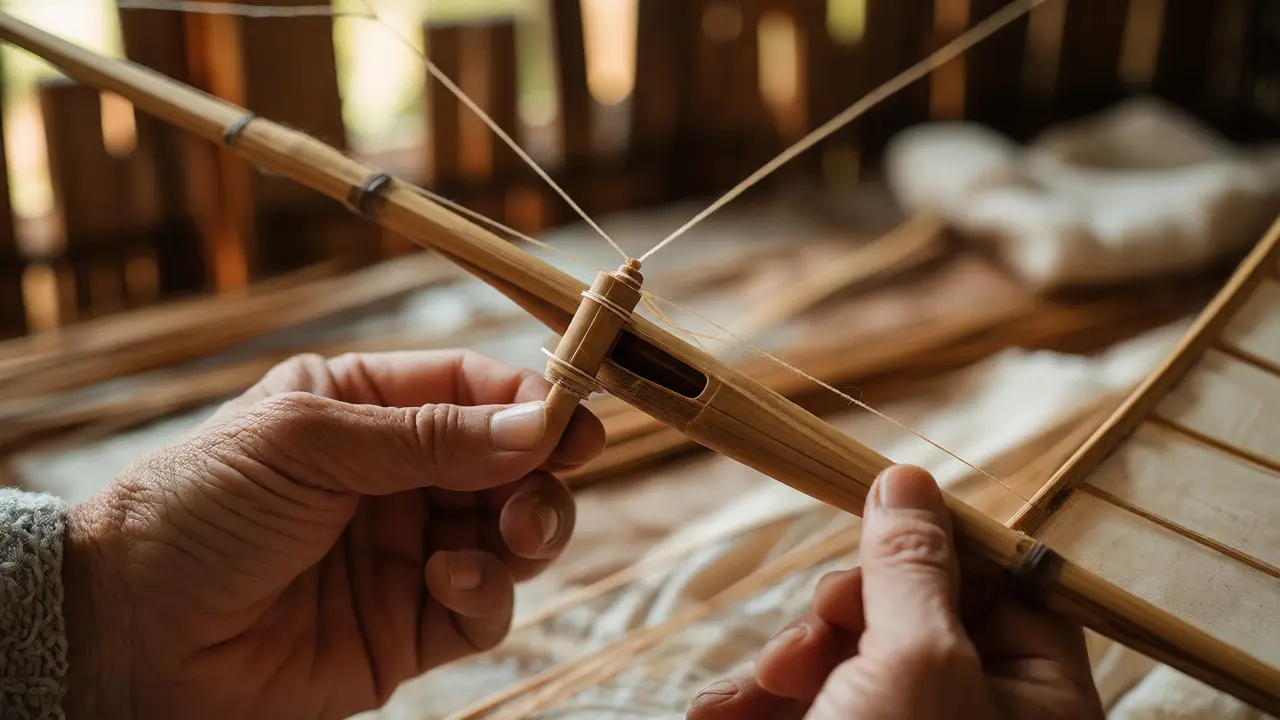
Why do some kites hum while others shriek? It comes down to aerodynamics. The bamboo bow acts as a resonator. The string stretched across it functions similarly to a guitar string. When wind hits the string at the right angle, it creates vortices-swirling patterns of air-that cause the string to vibrate. These vibrations travel through the bamboo, which amplifies them.
Makers adjust the tension of the string and the length of the bamboo to change the pitch. A longer bow produces a deeper, bass-heavy note, while shorter bows create higher, flute-like tones. Some advanced designs include multiple whistles, allowing a single kite to play chords. Imagine hearing a three-note chord coming from the clouds-it’s eerie and beautiful.
Here’s a quick breakdown of the factors influencing the sound:
- Wind Speed: Faster winds increase vibration frequency, raising the pitch.
- String Tension: Tighter strings produce sharper, clearer notes; loose strings sound dull.
- Reed Size: Larger openings allow more air, creating louder, lower tones.
- Altitude: Higher altitudes often mean steadier winds, resulting in a more consistent song.
Flying Tips for Beginners
If you want to try your hand at flying a Khleng Ek, don’t expect it to behave like a diamond-shaped toy kite. These kites require patience and skill. They need strong, steady winds-usually found in open fields near rivers or lakes where the air flow is unobstructed.
- Choose the Right Day: Look for consistent breezes between 10 and 20 km/h. Too weak, and it won’t sing; too strong, and it might crash.
- Check the Balance: Before launching, hold the kite by its bridle points. It should hang level. If one wing dips, adjust the bridle lines.
- Launch with Help: Have a friend hold the kite downwind while you pay out line. On your signal, they release it gently.
- Listen First: Don’t just watch the height. Listen for the hum. If it’s silent, the angle of attack is wrong. Pull slightly to tilt the kite into the wind until the sound starts.
- Keep Line Tension: Slack lines kill the vibration. Keep constant, gentle pressure on the reel.
It’s frustrating at first. You’ll spend more time untangling lines than flying. But once you hear that first clear note ring out from the sky, you’ll understand why people have been doing this for hundreds of years.
Modern Revival and Global Appeal
Today, Khleng Ek flying has seen a resurgence. International kite festivals now invite Cambodian teams to demonstrate their craft. In cities like Siem Reap and Battambang, local competitions draw crowds who judge entries not just on flight duration, but on the quality of the music produced.
Young designers are experimenting, too. Some use synthetic materials for durability, while others integrate modern acoustic principles to refine the tones. Yet, the core remains unchanged: it’s about connecting with nature through sound. For many Cambodians living abroad, building a Khleng Ek is a way to reconnect with home. The act of bending bamboo and stretching string becomes a meditative practice, linking them to ancestors who did the same thing under different skies.
If you’re interested in exploring similar traditions, look into Japanese Rokkakukite or Chinese Beijing Kites, which also feature elaborate designs and cultural significance. But few match the auditory experience of the Khmer singing kite.
Do all Cambodian kites sing?
No, only specific types like the Khleng Ek are designed with whistles or bows to produce sound. Many other traditional kites, such as the flat rectangular ones used for sport, are silent.
What kind of wood is used for the frame?
Bamboo is the primary material because it is lightweight, flexible, and strong. Makers select specific ages of bamboo to ensure the right balance of stiffness and elasticity for both flight and sound production.
Is kite flying popular in urban areas of Cambodia?
While traditionally a rural activity, it has gained popularity in urban parks in Phnom Penh and Siem Reap, especially during weekends and festivals. However, space constraints in cities limit the size of kites that can be safely flown.
Can I buy a Khleng Ek online?
Yes, several artisan cooperatives in Cambodia sell handmade kites internationally. Be aware that shipping costs can be high due to the fragile nature of the bamboo frames, and customs regulations vary by country.
Why is the sound considered important?
The sound is central to the spiritual and aesthetic value of the kite. It transforms the activity from mere recreation into a performance art, connecting the flyer to the wind and, traditionally, to the divine.