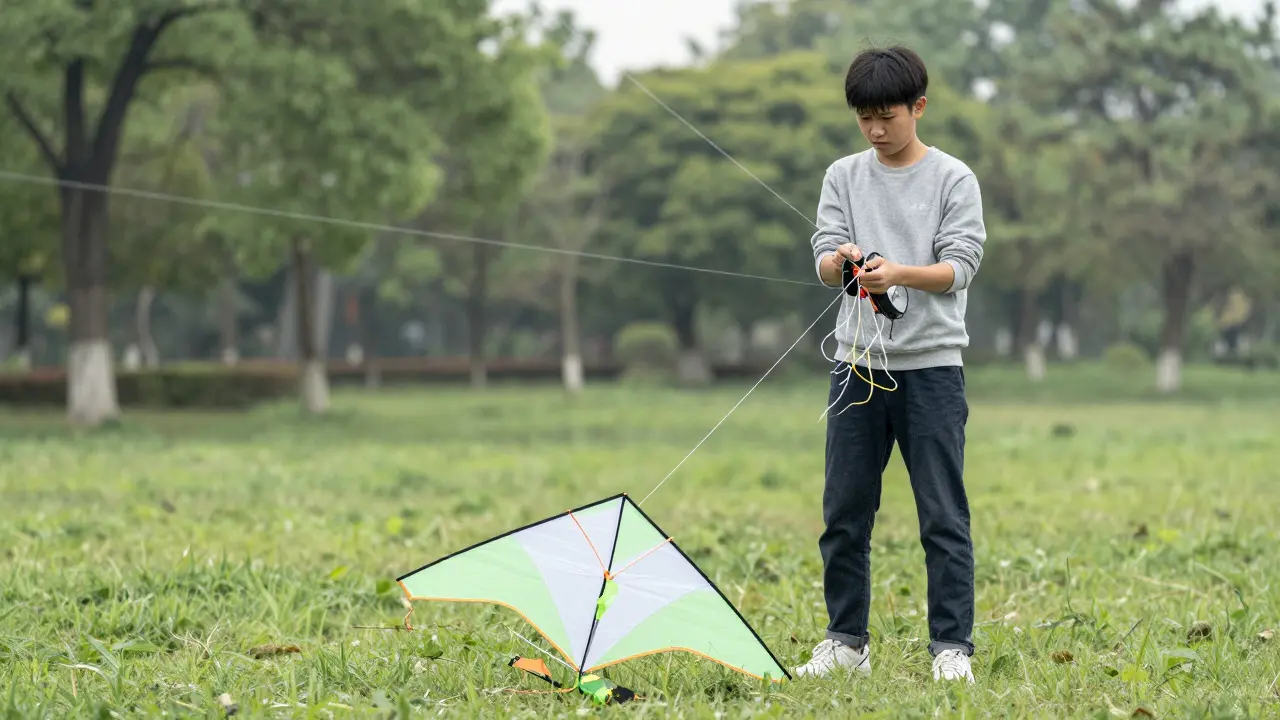
Standing in a park with a tangle of lines and a stubborn kite that refuses to climb is a rite of passage for many. But if you are just starting out, the shape of the kite matters more than your flying skills. The wrong shape can turn a fun afternoon into a frustrating battle against gravity and wind. The right one, however, makes the sky feel accessible immediately.
For most new flyers, the answer isn't about power or speed; it's about stability and forgiveness. You need a kite that stays put when the wind gusts and doesn't require constant input to keep aloft. This guide breaks down the specific shapes that work best for beginners, why they work, and which ones to avoid until you have some hours under your belt.
Why Shape Dictates Difficulty
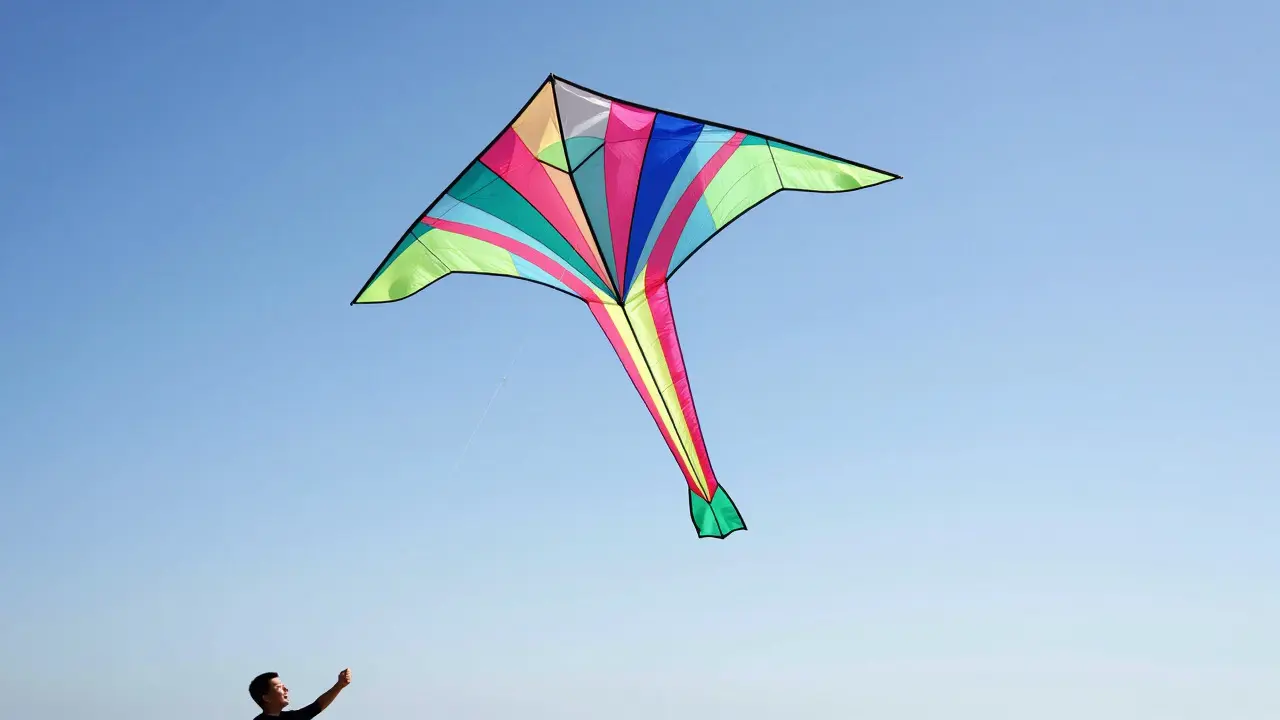
Kite design is essentially aerodynamics applied to fabric and spars. The geometry determines how the kite interacts with air pressure. A Delta kite is a triangular-shaped kite known for its high aspect ratio and stability. Its long, narrow wings create lift efficiently even in light winds. In contrast, a Diamond kite is a classic four-sided kite with a vertical spine and horizontal cross spar. While iconic, its square profile creates drag that can make it twitchy in variable winds.
The key metric here is aspect ratio, which is the span of the wing divided by its chord width. Higher aspect ratios generally mean better glide and less stall risk. For a beginner, this translates to a kite that holds its position in the air without needing you to pull constantly on the line. If the kite stalls easily, you spend more time re-launching than actually flying. That’s why we look at shapes that prioritize lift-to-drag ratios over raw agility.
The Top Contenders for Beginners
Not all kites are created equal when it comes to learning curves. Some shapes demand precision, while others absorb errors gracefully. Here are the three types that consistently rank as the easiest to learn with, based on their structural properties and user feedback from flying communities.
- Single-Line Delta Kites: These are the gold standard for entry-level flying. Their triangular shape provides a wide stable base. They launch easily from the ground and stay aloft in winds ranging from 5 to 15 mph. Because they rely on a single line, there is no complex steering mechanism to manage. You simply hold the line and let the kite do the work.
- Box Kites (Celled): Often seen as vintage, these multi-cell structures are surprisingly modern in performance. The cells act like internal struts, giving the kite inherent rigidity. This means you don’t need to worry about the frame bending or twisting in strong gusts. They are exceptionally stable and can handle turbulent air better than flat kites.
- Quadrilateral Kites (Soft Wing): These are similar to deltas but often made entirely of fabric without rigid spars. They fold up small and are lightweight. Their flexibility allows them to flex rather than break in sudden wind shifts, making them forgiving for those who might jerk the line accidentally.
Average beginner success rates show that users report successful first flights in over 80% of cases with single-line deltas, compared to roughly 60% with traditional diamond kites. The difference lies in the launch mechanics. Deltas generate lift along their entire leading edge, whereas diamonds rely on a smaller surface area that is more prone to stalling during the initial ascent.
Comparison of Beginner-Friendly Kite Types
| Kite Type | Wind Range (mph) | Stability Rating | Launch Difficulty | Best For |
|---|---|---|---|---|
| Single-Line Delta | 5-15 | High | Low | All-around learning |
| Box Kite | 8-20 | Very High | Medium | Turbulent winds |
| Diamond Kite | 10-25 | Moderate | Medium | Strong steady winds |
| LeI Kite | 10-30 | Low | High | Advanced maneuvers |
Notice how the LeI kite, often used for acrobatics, has a low stability rating. It requires precise control to prevent it from diving into the ground. This is why it appears on the list despite being a popular shape-it serves as a cautionary example. Beginners should avoid it initially because the penalty for error is high. In contrast, the Box kite’s very high stability makes it a safe bet if you live in an area with unpredictable gusts.
Common Pitfalls to Avoid
Even with the right kite, mistakes in setup and technique can ruin the experience. One frequent error is choosing a kite size that doesn’t match the wind conditions. A large kite in light wind will struggle to gain altitude, while a small kite in strong wind can become uncontrollable. As a rule of thumb, start with a kite that has a surface area between 1 and 2 square meters for moderate winds.
Another pitfall is ignoring the bridle length. The bridle is the system of strings connecting the line to the kite’s frame. If the bridle is too short, the kite flies too aggressively close to the ground. If it’s too long, the kite becomes sluggish and hard to launch. Most commercial beginner kites come with pre-set bridles, so stick with those unless you are experienced enough to adjust them.
Finally, don’t fly near trees or power lines. A tangled kite is not just annoying; it can be dangerous. Always choose open spaces like beaches, large parks, or fields. The goal is to build confidence through repetition, not to rescue a stuck kite from a pine tree.
Choosing Your First Kit
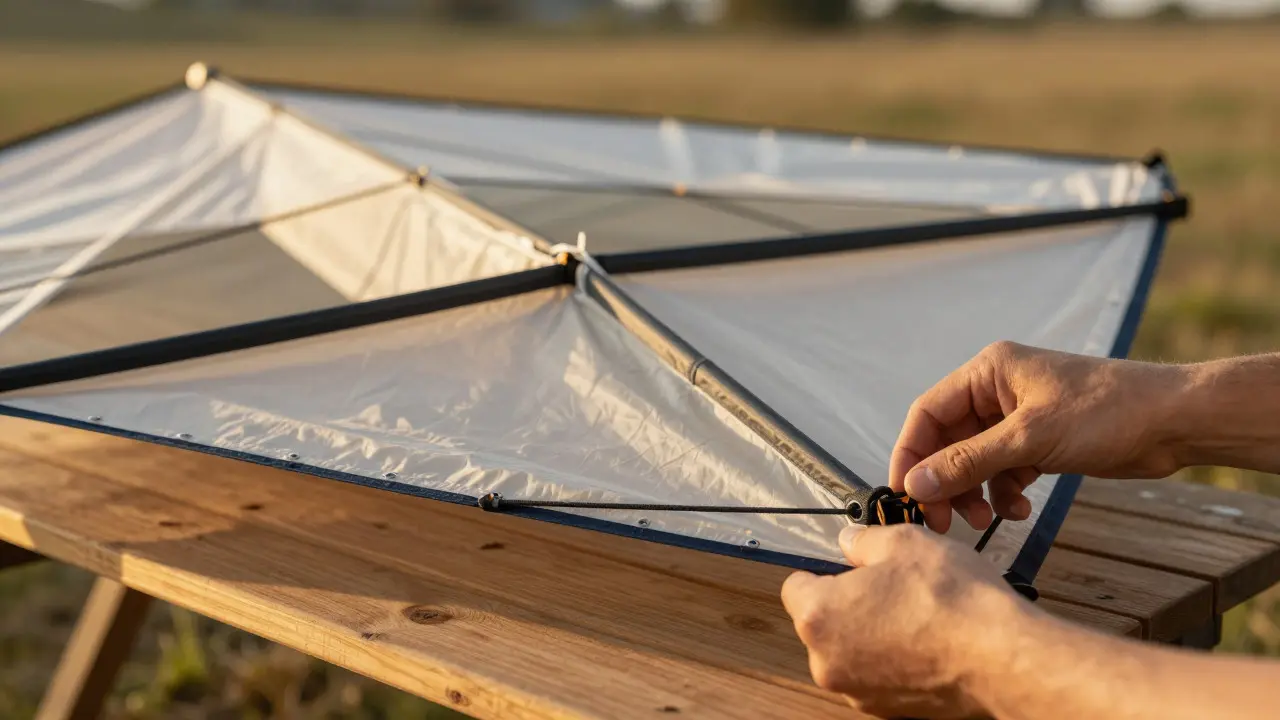
When buying your first kite, look for specific features that indicate quality and ease of use. Check the materials: ripstop nylon is durable and lightweight, ideal for beginners who might crash land occasionally. Look for reinforced eyelets where the lines attach, as these are stress points. A good beginner kit includes a spare set of lines and a repair patch, saving you from having to buy new gear after a minor tear.
Price isn’t everything. A $20 kite from a reputable brand often outperforms a $50 novelty kite. Focus on brands that specialize in kiting rather than general toy manufacturers. They understand the aerodynamic requirements for stable flight. Reading reviews from other beginners can also provide insight into real-world performance, particularly regarding durability and ease of assembly.
Frequently Asked Questions
What is the absolute easiest kite to fly for a complete beginner?
A single-line delta kite is widely considered the easiest. Its triangular shape provides natural stability, and it launches easily in moderate winds without requiring complex steering techniques.
How much wind do I need to fly a beginner kite?
Most beginner kites perform best in winds between 5 and 15 mph. Below 5 mph, lift may be insufficient, and above 15 mph, control can become difficult for new pilots.
Are diamond kites bad for beginners?
They are not bad, but they are less forgiving than delta kites. Diamond kites can be twitchy in gusty conditions and require slightly more skill to keep aloft in light winds.
Do I need special tools to assemble a kite?
No, most beginner kites come pre-assembled or require only simple hand-tightening of connectors. No screws, drills, or specialized tools are necessary for standard single-line kites.
Can children fly these kites safely?
Yes, provided they are supervised. Choose kites with soft frames or flexible spars to minimize injury risk. Ensure the line is long enough to keep the kite away from faces and obstacles.