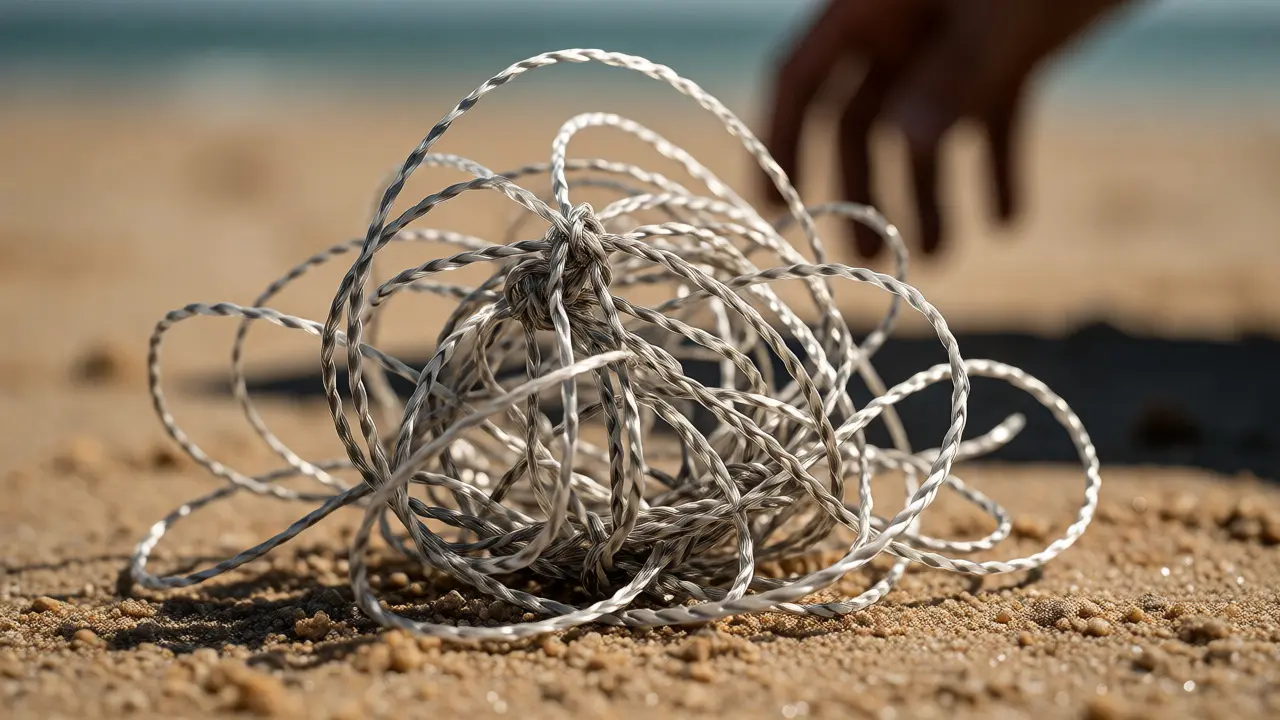
You know that satisfying sound a kite line makes when it unspools perfectly? Now imagine the opposite. You’re at the beach, wind is picking up, and your line looks like a bird’s nest from a hurricane. Or worse, you reach in to grab the handle and slice your thumb open on a hidden loop of braided polyester.
Kite line storage isn’t just about tidiness; it’s a critical safety protocol. Whether you fly a single-line delta or a dual-line stunt kite, improper coiling leads to tangles that ruin flights and sharp lines that cause injuries. Let’s fix your gear habits so you spend less time untangling knots and more time looking up.
The Anatomy of a Safe Coil
Most people coil their line wrong because they treat it like a garden hose. It’s not. A garden hose has memory that wants to stay round. A kite line, usually made of Dyneema or Spectra, has almost no memory but high friction. If you wrap it loosely around a wrist, it slips off. If you wrap it tightly around a hard edge, it bites into itself, creating "line burn" where fibers fray and cut skin.
The golden rule is tension control. You need consistent, moderate tension as you wind. Too loose, and the loops slide over each other, creating snags. Too tight, and you compress the fibers, weakening them over time and making them razor-sharp against your fingers.
The Figure-Eight Method
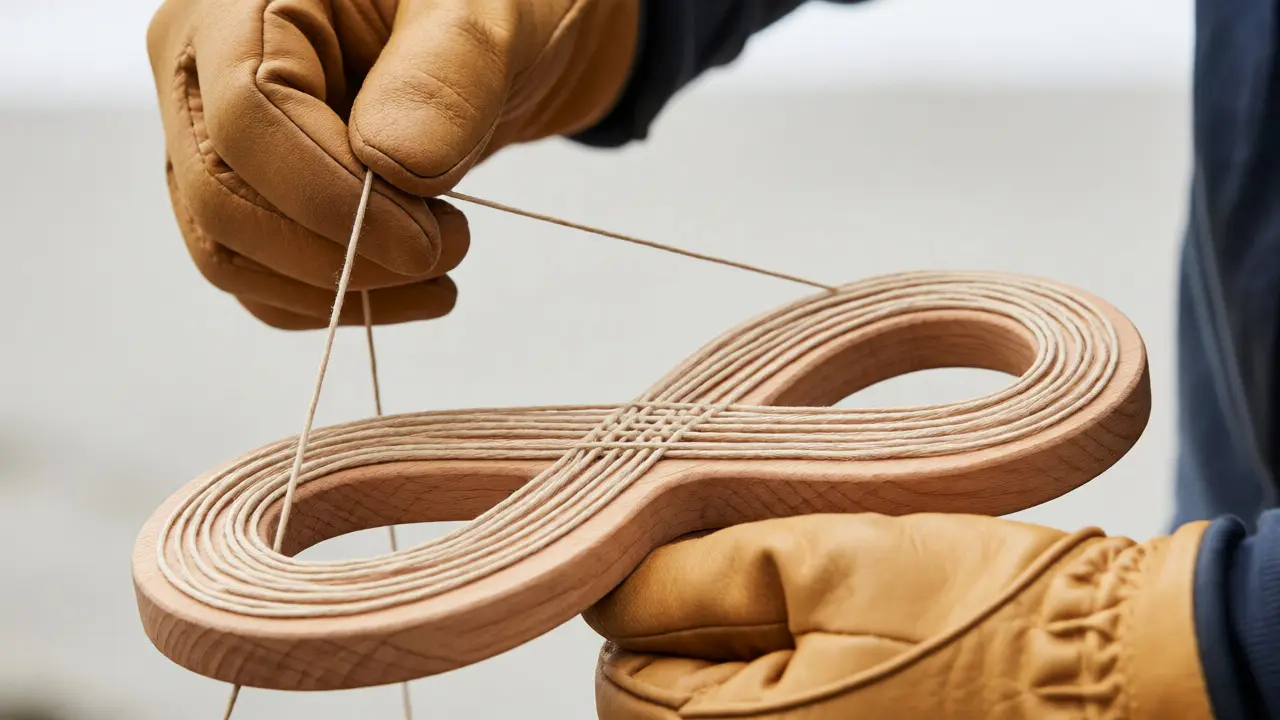
Forget wrapping it around your elbow. The most reliable method for preventing accidental cuts is the figure-eight coil using a dedicated winder or even two chairs. Here is why this works:
- Prevents Cross-Loops: By alternating the direction of the wraps, you stop the line from twisting into a helix that inevitably tangles.
- Reduces Friction Heat: Air circulates between the strands, preventing heat buildup if you were winding fast (though manual winding rarely heats up enough to melt Dyneema, it helps keep it clean).
- Easy Deployment: When you drop the coil on the ground, it unwinds cleanly without jumping out of your hands.
Gear That Saves Your Fingers
Your bare hands are your biggest enemy here. Modern kite lines, especially those rated for 100-pound test strength or higher, are thin and incredibly strong. They act like cheese wire. Even a gentle tug can slice skin if the angle is wrong.
| Solution | Best For | Safety Risk | Cost |
|---|---|---|---|
| Wrist Spool | Single-line beginners | High (skin contact) | $5 - $15 |
| Figure-8 Winder | Stunt kites & Dual-line | Low (no hand contact) | $10 - $25 |
| Tubular Reel | Power kiting / Long lines | Medium (pinch points) | $20 - $50 |
| Custom Board | Large festival kites | Low | DIY / Free |
A simple figure-8 winder is the best investment for most hobbyists. It keeps the line away from your skin entirely while you wind. If you don’t have one, use two chair backs spaced about 18 inches apart. Wind the line back and forth between the posts. This creates a neat, flat bundle that is easy to store and impossible to snag on yourself.
Identifying Danger Zones: Frayed Lines
A tangled line is annoying. A frayed line is dangerous. Over time, UV exposure and abrasion against sand or concrete degrade the outer coating of your line. You might not see the break coming until it snaps under load, whipping back toward your face at 60 mph.
Run your fingers along the entire length of the line every few months. Do this with gloves on. If you feel a "fuzzy" spot or a rough patch, that section is compromised. Mark it with electrical tape. If the fuzziness is severe, cut that section out and re-splice, or replace the line. Never fly a line with visible white fibers sticking out. Those individual filaments are microscopic needles that embed in your skin and cause painful splinters that take days to heal.
The Glove Rule
Do not touch your line with bare hands during retrieval unless you are wearing protective gear. Use leather gardening gloves or specialized kite gloves. Why? Because when a kite dives suddenly, the line pulls through your hand faster than you can react. Without gloves, you get friction burns. With gloves, you maintain grip and protect your palms. This applies heavily during the winding process too-never wind a long line with bare hands if it’s under any tension.
Storage Environment Matters
Where you keep your spool affects its longevity and safety. Leaving a reel in direct sunlight for weeks degrades the polymer structure. Most modern lines are UV-stabilized, but they aren’t invincible. Heat accelerates chemical breakdown, making the line brittle. Brittle lines snap unpredictably.
Store your equipment in a cool, dry place. If you live in a humid coastal area, moisture can corrode metal parts on your winder or reel, leading to rust spots that catch on the line. A simple mesh bag allows airflow, preventing mildew on any fabric components, while a hard plastic case protects the line from crushing if you stack gear.
Also, consider static electricity. In dry winter months, synthetic lines build up static charge. This causes the line to stick to itself and to your clothes, creating mini-snags before you even launch. Lightly misting the line with an anti-static spray or simply wiping it with a damp cloth before storing can reduce this clinginess.
Unwinding Without Tears
The moment of truth is deployment. How many times have you tried to cast a kite only to find the line caught on a previous loop? This usually happens because the coil was stored under tension. The loops compressed together, locking in place.
To prevent this, always release tension before putting the reel away. Let the line hang freely for a second to relax the fibers. Then, secure the end with a Velcro strap or a clip, not by tying a knot. Knots weaken the line significantly at the stress point and create bulky lumps that snag easily inside the storage container.
When you arrive at the flying site, do not just yank the line out. Place the reel on the ground. Hold the first ten feet of line firmly. Shake the reel gently to loosen the coils. Walk backward slowly, letting gravity help feed the line. If you pull too hard, you risk snapping the anchor point or injuring someone nearby if the line whips unexpectedly.
Special Considerations for Power Kiting
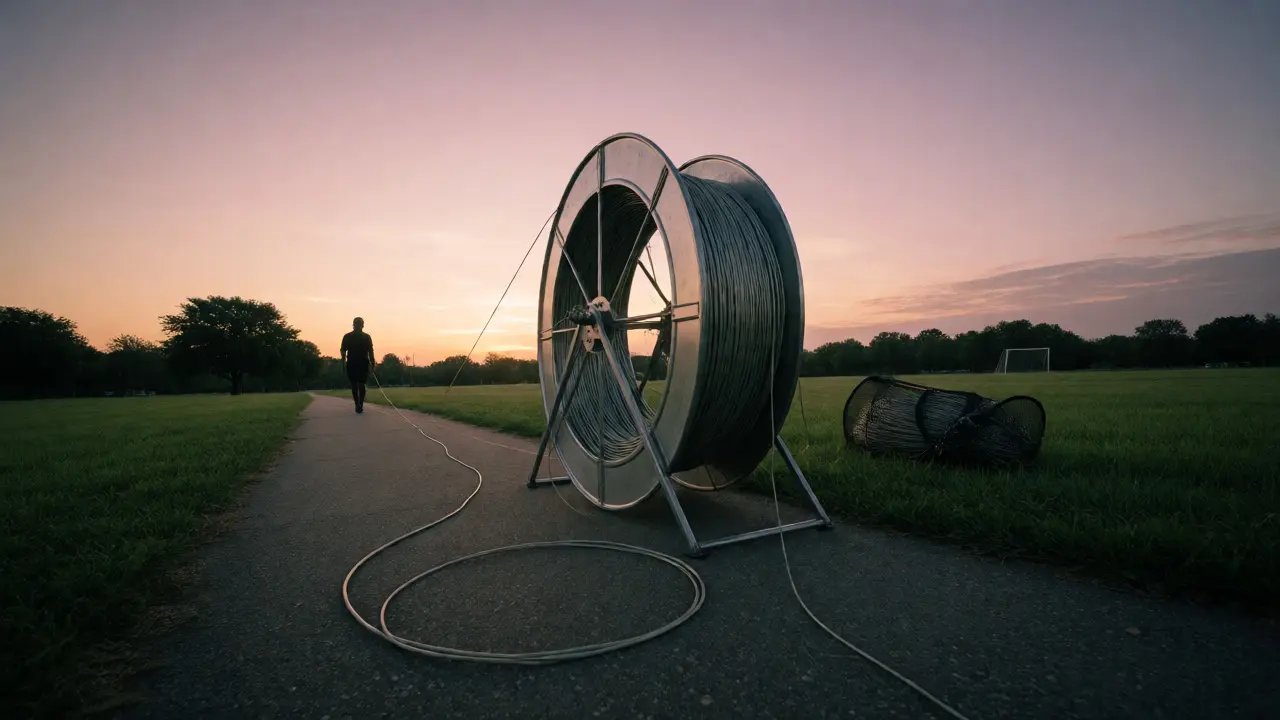
If you fly power kites or traction kites, the stakes are higher. These lines are often thicker and stronger, capable of pulling hundreds of pounds. A stray loop here isn’t just a nuisance; it’s a trip hazard for pedestrians or a snare for animals.
Always use a leash system connected to a harness, never just wrapped around your waist. Store these lines on large-diameter reels. Small spools increase the bend radius, which fatigues the material faster. Large reels allow the line to sit in gentle curves, preserving its structural integrity longer. Inspect your bridle attachments regularly, as these are common failure points that can send a loose line flying across a park.
Quick Checklist for Pre-Flight Safety
Before you head out, run through this mental checklist to ensure your line storage habits haven’t created new risks:
- Visual Inspection: Check for fraying, discoloration, or knots.
- Smooth Run: Pull the line through your gloved hand. Does it glide smoothly or catch?
- Secure Ends: Ensure the handle and the kite attachment point are solid.
- Clear Path: Make sure the storage bag doesn’t contain sharp objects like keys or scissors that could have nicked the line.
- Proper Coiling: Confirm the last flight ended with a relaxed, non-tensioned coil.
By treating your kite line with respect, you extend its life and protect your body. It takes five extra minutes to coil properly, but saves hours of frustration and potential emergency room visits. Next time you pack up after a session, take a breath, check your technique, and coil with intent. Your future self will thank you when the kite launches cleanly and your hands remain uncut.
Why does my kite line tangle so much?
Tangles usually occur due to inconsistent tension during winding or storing the line under compression. Using a figure-eight winder instead of wrapping around your arm prevents cross-loops and reduces friction-induced snags.
Can I store my kite line wet?
No. Moisture trapped in a coil can lead to mold growth on organic blends or corrosion on metal fittings. Always air-dry your line completely before storing it in a bag or case to prevent degradation and odor.
What is the safest way to hold a kite line?
Always wear protective gloves, such as leather gardening gloves or specialized kite gloves. Never wrap the line directly around your bare wrist or fingers, as sudden pulls can cause severe friction burns or deep cuts.
How often should I inspect my kite line?
Inspect your line visually and by feel before every major flying session. Look for fraying, fuzzy spots, or discoloration caused by UV damage. Replace the line immediately if you notice significant wear or loss of smoothness.
Does sun damage kite lines?
Yes, prolonged exposure to ultraviolet rays breaks down polymer fibers, making them brittle and prone to snapping. Store your line in a shaded, cool area when not in use to maximize its lifespan and safety.