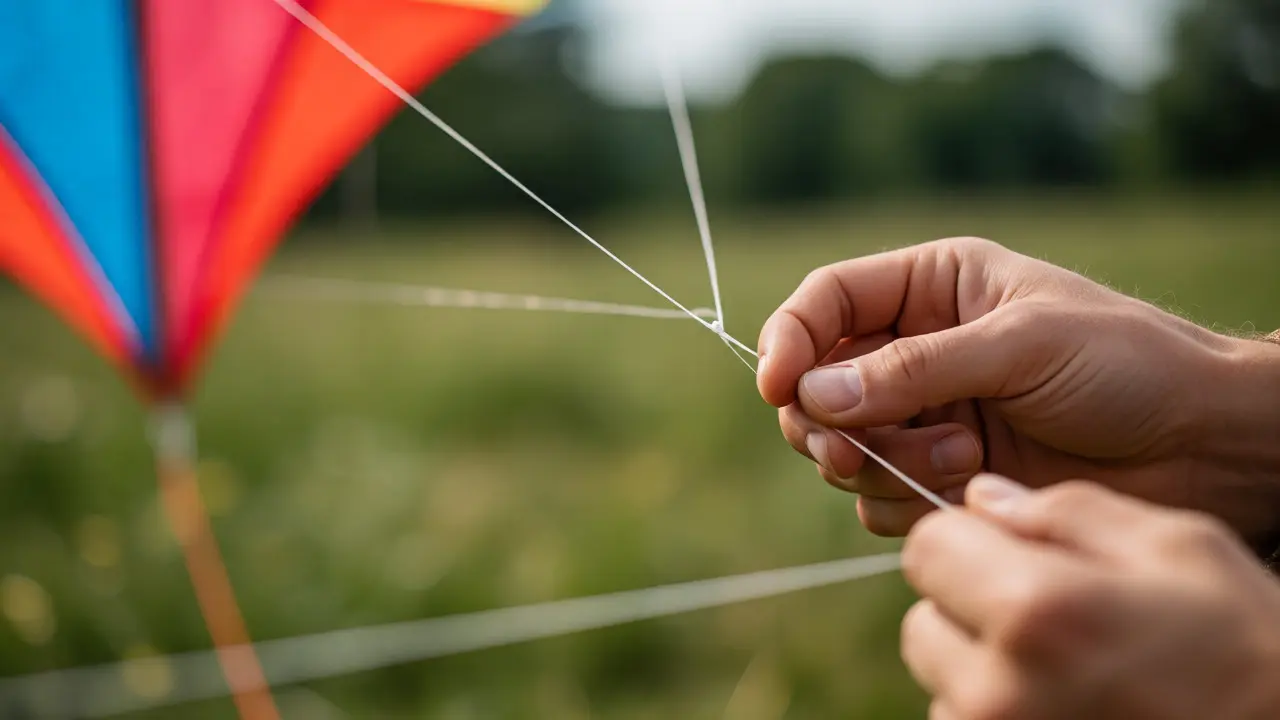
You’ve got your kite in the air. It’s dancing beautifully against the blue sky, pulling gently on the line. Then the wind drops, or you just need to bring it down for lunch. Here is the moment most beginners panic. They yank the line, the kite nosedives into the grass, and suddenly you’re untangling a mess of nylon and fiberglass rods. Or worse, the kite crashes hard enough to snap a spar.
Landing a kite isn’t just about getting it back in your hand. It’s about controlling energy. A soft touchdown preserves your gear and keeps your confidence high. If you can land smoothly, you can fly with less fear. This guide breaks down exactly how to bring your kite down without the drama, whether you’re flying a simple diamond shape or a dual-line stunt kite.
The Physics of a Safe Landing
Before you touch the line, understand what you’re fighting. A kite stays up because of lift generated by wind moving over its surface. Gravity pulls it down. Your line provides tension. To land safely, you aren’t just "pulling"; you are managing the angle of attack.
If you pull too hard while the kite is still angled steeply into the wind, it stalls. Stalling means the airflow separates from the fabric, lift vanishes, and gravity takes over instantly. That’s your crash. The goal is to keep the kite flying until it’s close enough to grab, then reduce its speed so it settles rather than slams.
Think of it like parking a car. You don’t slam on the brakes at 60 mph; you ease off the gas and steer toward the curb. With a kite, you ease off the tension and guide it toward the ground.
Pre-Landing Checks: Read the Wind
Wind conditions dictate your strategy. There is no single "right" way to land if you ignore the environment. Check these three things before you start bringing the kite down:
- Wind Direction: Always face into the wind. Never turn your back on the breeze when preparing to land, unless you are walking backward (which is risky for beginners).
- Gusts vs. Steady Breeze: In steady wind, you can walk the kite down. In gusty wind, you must be ready to release line rapidly to prevent snapping.
- Obstacles: Look behind you. Trees, power lines, and parked cars are enemies of the uncontrolled descent. Pick a clear landing zone at least 50 feet long.
If the wind is strong (over 15 mph), do not try to hold the kite stationary near the ground. It will drag you. Instead, plan to walk it down slowly or have a partner help catch it.
Technique 1: The Walk-Down (Best for Light Winds)
This is the most common method for single-line kites like diamonds or deltas. It relies on patience and footwork.
- Stabilize the Kite: Bring the kite to a stable position directly overhead or slightly upwind. Ensure it’s not oscillating wildly.
- Reduce Angle of Attack: Gently lower the tip of the kite toward the horizon. Do this by letting out a tiny bit of line or tilting your hands downward. The kite should start descending slowly.
- Walk Forward: As the kite descends, take small steps forward into the wind. This maintains tension on the line, keeping the kite responsive.
- Manage Speed: If the kite starts dropping too fast, stop walking and let out more line. This increases the distance between you and the kite, giving the wind more time to slow it down.
- The Grab: When the kite is within arm’s reach, keep the line taut. Reach out with your free hand and grab the center of the kite’s bridle or the main spar, not the tail. Pin it gently to the ground or your chest.
Pro Tip: Keep your eyes on the kite, not your feet. Trust your peripheral vision for the path ahead. Tripping is a real hazard here.
Technique 2: The Controlled Drop (For Stronger Gusts)
In stronger winds, walking down can feel like wrestling a dog that wants to chase a squirrel. The kite fights you. For this, use the controlled drop.
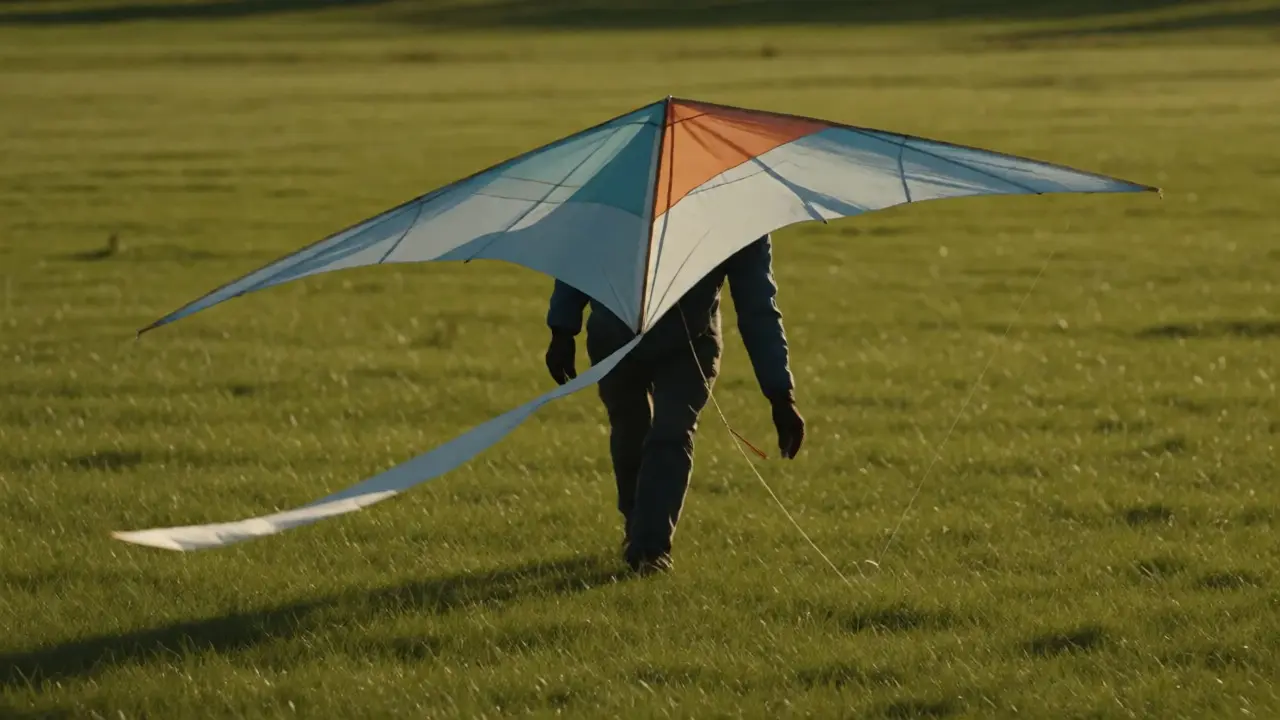
Bring the kite down to eye level. Stop moving your feet. Let the line slide through your fingers (wear gloves!) as the kite drifts downwind and downward. You are essentially paying out line to match the kite’s descent rate. As it gets closer, tighten your grip slightly to brake it. The friction of the line against your gloved hand acts as a brake system. This prevents the sudden jerk that snaps spars.
Technique 3: Partner Catch (The Safety Net)
If you are new to flying, or if the wind is unpredictable, get a friend involved. This is the safest way to learn soft touchdowns.
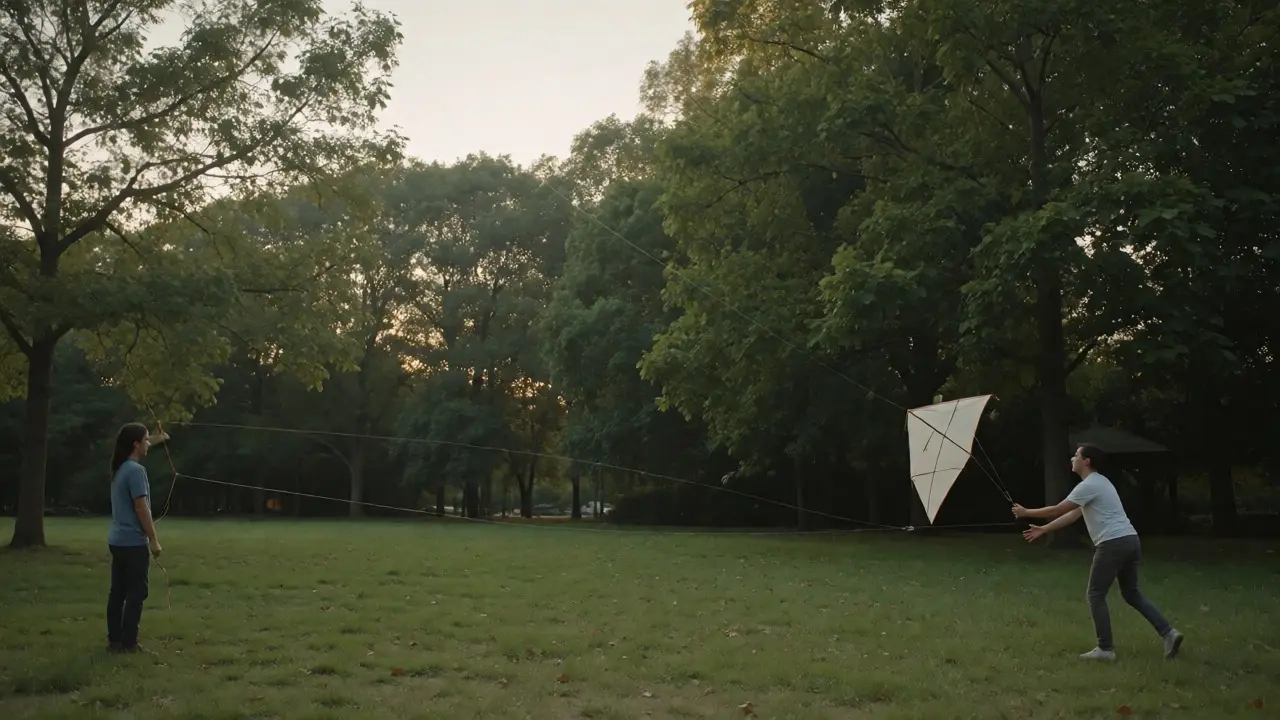
Ask your partner to stand downwind of you, about 20 feet away. Fly the kite toward them. They should extend their arms, ready to grab the kite’s frame or bridle. You focus solely on guiding the kite to their hands. Once they have a firm hold, you can reel in the slack line. This removes the risk of the kite crashing behind you or tangling around your legs.
Troubleshooting Common Landing Disasters
Even with good technique, things go wrong. Here is how to fix the most frequent issues:
| Problem | Cause | Immediate Fix |
|---|---|---|
| Nosedive | Pulling too hard; angle of attack too steep. | Release line immediately to restore lift, then try again with a shallower angle. |
| Line Tangle | Kite spinning; line crossing itself. | Stop movement. Unwind line manually before pulling further. Prevent by keeping hands separated. |
| Hard Crash | Wind died suddenly; loss of tension. | Run toward the kite to regain tension before it hits the ground. Use the "run-in" technique. |
| Dragged Away | Wind too strong; holding on too tight. | Let go of the handle (if safe) or wrap line around waist/harness. Don't fight it; ride it down. |
Recovery After a Crash
So, you crashed. It happens. Before you launch again, inspect your gear. A bent spar might seem minor, but it changes flight characteristics. Check for:
- Spar Integrity: Run your fingers along the rods. Feel for splinters or bends. A cracked spar can fail mid-flight.
- Fabric Tears: Small tears expand quickly in wind. Patch them with kite repair tape immediately.
- Bridle Knots: Ensure the attachment points haven’t slipped. If one side is shorter, the kite will fly crooked.
If the kite landed nose-first, check the leading edge spar especially carefully. This is the most vulnerable part of most beginner kites.
Practice Drills for Muscle Memory
You don’t need strong wind to practice landing skills. On a calm day, hold your kite by the bridle. Practice the motion of lowering it gently. Get used to the feeling of "easing" the line rather than jerking it.
Another drill: Launch the kite only 10 feet high. Practice bringing it down repeatedly. Since the height is low, mistakes are harmless. Focus on smooth hand movements. Once you can land from 10 feet consistently, move to 20, then 50. Build the skill incrementally.
Final Thoughts on Gear Care
A soft touchdown extends the life of your kite. Hard crashes stress the materials, loosen knots, and fray lines. By mastering the gentle landing, you save money on repairs and replacements. More importantly, you enjoy flying more. There’s a quiet satisfaction in watching a kite settle onto the grass like a feather, rather than slamming down like a rock.
Remember, the wind is your partner, not your enemy. Work with it, respect its power, and your landings will always be graceful.
Why does my kite crash when I pull the line?
Pulling the line sharply reduces the kite's angle of attack too quickly, causing it to stall. When a kite stalls, it loses lift and falls straight down. To avoid this, release line tension gradually or tilt the kite's nose upward to maintain airflow over the wings.
Should I wear gloves when landing a kite?
Yes, especially in strong winds. Kite lines can generate significant friction heat and force, potentially cutting your skin or causing blisters. Gloves also improve your grip, allowing for better control during the final descent and preventing accidental releases.
What is the best wind speed for practicing landings?
A light to moderate breeze, around 5 to 10 mph, is ideal for beginners. This provides enough lift to keep the kite airborne but allows you enough control to manage the descent without being dragged across the field. Avoid strong gusts until you master basic techniques.
How do I land a dual-line stunt kite?
Dual-line kites require steering both lines simultaneously. To land, steer the kite to a vertical position (nose up). Then, slowly pull both lines evenly to bring it down. As it nears the ground, relax the tension slightly to allow it to settle. Unlike single-line kites, you cannot simply walk it down; you must actively steer it to the landing spot.
Can I land a kite alone if the wind is very strong?
It is difficult and risky. In very strong winds, the kite generates significant pull. If you lose control, it can injure you or damage property. Ideally, use a harness to distribute the force and have a partner assist with catching the kite. If alone, choose a large open area and be prepared to let go of the handle if necessary.