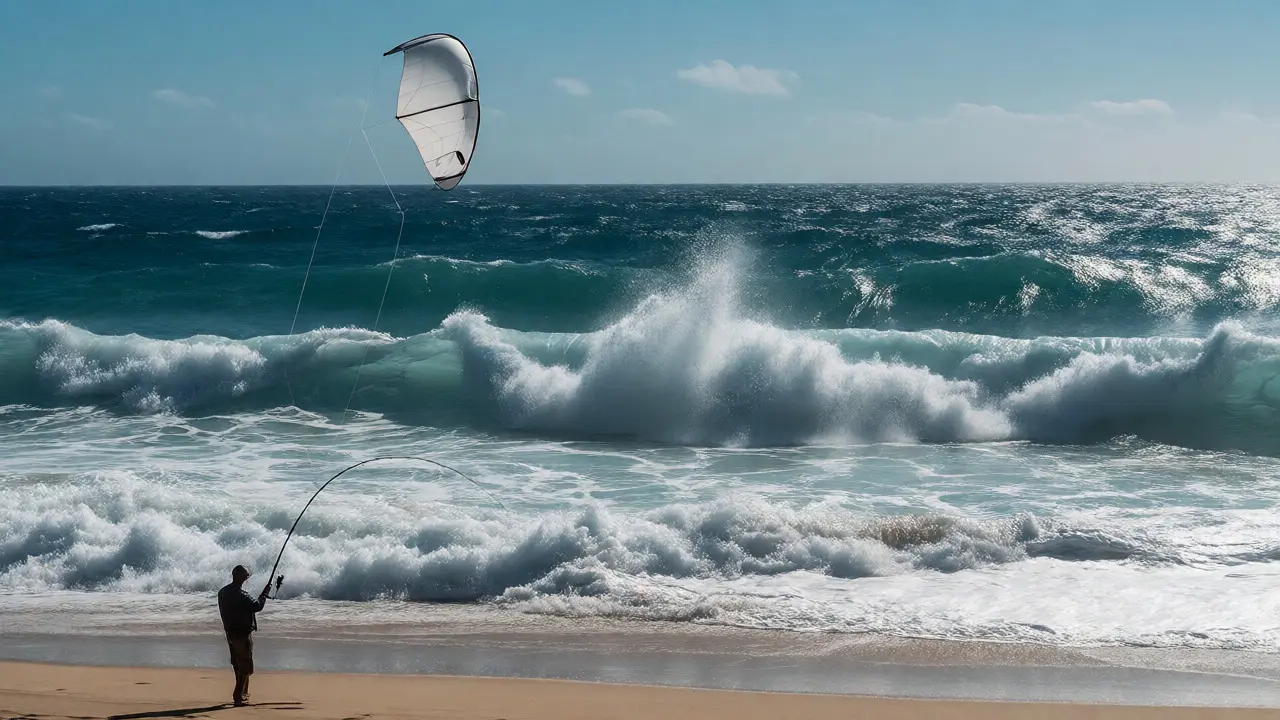
You’re standing on the beach, watching a small white kite hover steadily about 50 feet above the crashing waves. It looks like a toy, maybe something a kid lost at a picnic. But then you see it-a thin line dropping straight down from that kite, disappearing into the churning water. Suddenly, the rod in your hand bends violently. That’s not luck; that’s kite fishing, a specialized angling technique that uses a kite to lift bait high above the breaking waves and drop it precisely where big game fish feed. If you’ve ever wondered how anglers catch massive mahi-mahi or sailfish without wading out into dangerous currents, this is the secret weapon.
The Physics of Lifting Bait Over the Surf
Most people think kite fishing is just about keeping the line taut. It’s actually about overcoming physics. When you cast from shore, your line hits the water and gets tangled in the whitewater-the frothy, turbulent zone where waves break. Fish often feed just beyond this chaos, but casting heavy lures there is hard, and light baits get swept away. A kite solves this by lifting the terminal tackle (the hook and bait) vertically, bypassing the surface turbulence entirely.
The kite acts as an aerodynamic anchor. By flying a lightweight, delta-shaped kite upwind, you create tension on the main line. This tension allows the bait to hang motionless or drift slowly in the clear water past the break. The key here is the delta kite is a triangular kite design known for its stability in wind and ability to fly at steep angles. Unlike diamond kites, deltas don’t require a long tail to stay stable, which means less drag and more control over your bait’s position. You aren’t fighting the wind; you’re using it to hold your bait steady against the current.
Bait Presentation: The Art of Suspended Motion
Why does this work so well? Because predatory fish are visual hunters. In the murky, aerated water of the surf, visibility is poor. But once your bait clears the whitewater, it enters a zone of clarity. Here, the presentation changes everything. A bait dangling from a kite doesn’t splash. It sits still, looking natural, like a injured crab or a stranded shrimp drifting on the surface film.
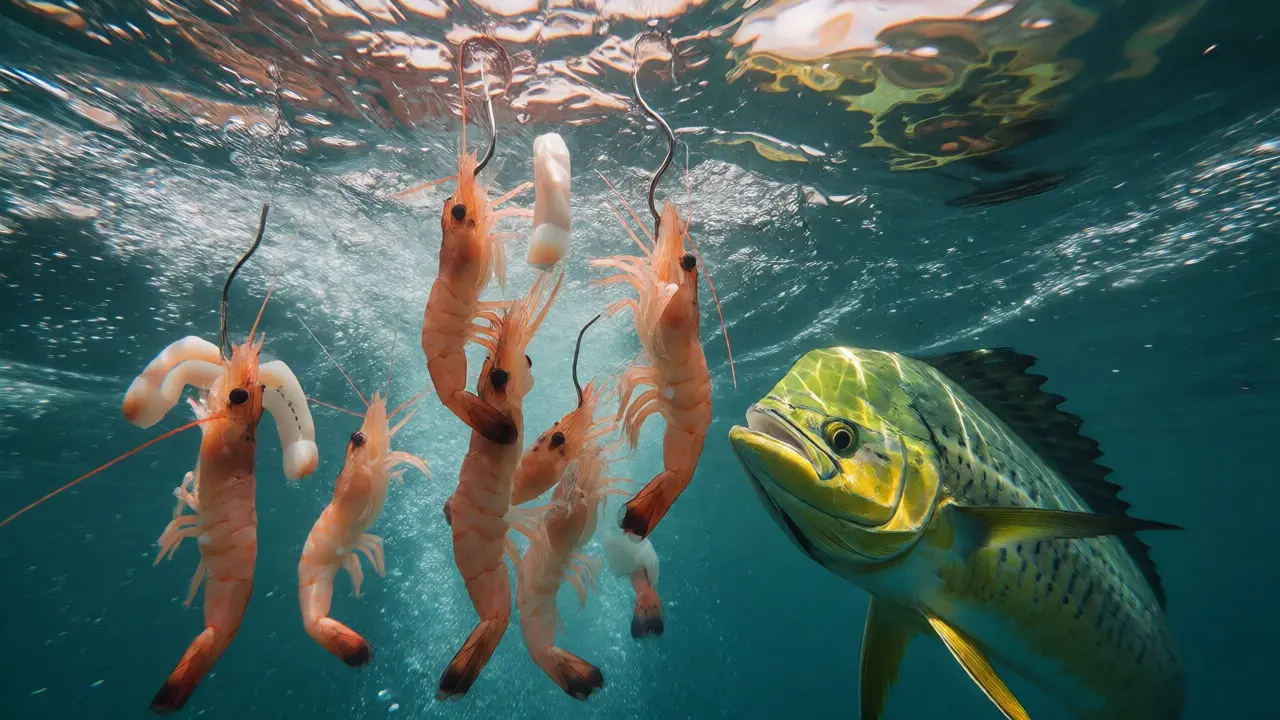
Consider the difference between a traditional cast and a kite drop. With a cast, the bait splashes down, creating noise and ripples that can spook cautious fish like bonefish or permit. With a kite, the bait lowers gently. You can even use a "dropper loop" setup, where multiple hooks hang off the main line at different depths. This creates a vertical column of food. A pelagic predator cruising overhead sees a buffet, not a single target. The bait presentation refers to how the lure or bait is displayed to fish, including depth, movement, and visibility becomes three-dimensional rather than two-dimensional.
This method is particularly effective for species that feed near the surface but avoid the shoreline. Species like mahi-mahi also known as dolphinfish, are fast-swimming pelagic fish that feed aggressively on surface baitfish love floating debris. Your kite line can look like a weed line or a piece of driftwood, attracting these curious predators from miles away.
Fish Attraction Mechanisms
It’s not just about placement; it’s about signaling. The kite itself plays a role in attraction. Many experienced anglers attach small reflective strips or colorful ribbons to the kite’s tail. These flutter in the wind, mimicking the erratic movement of injured baitfish. From below, this shimmering distraction draws attention to the area. When the fish investigate the "noise," they find the real prize hanging quietly nearby.
Furthermore, the kite allows for precise targeting of structure. If you know there’s a submerged sandbar or a channel cut just past the break, you can steer the kite left or right to position the bait exactly over that spot. Traditional casting accuracy drops significantly with distance, especially with light tackle. A kite maintains a consistent offset, allowing you to fish specific micro-habitats repeatedly without re-casting.
Comparing Kite Fishing to Traditional Methods
| Feature | Kite Fishing | Traditional Surf Casting |
|---|---|---|
| Distance | Consistent 30-100 yards past break | Variable, depends on skill and wind |
| Bait Action | Suspended, natural drift | Splashing, sinking, dragging |
| Target Species | Mahi, Tuna, Sailfish, Bonefish | Striped Bass, Bluefish, Red Drum |
| Setup Time | Higher (rigging kite) | Low (ready to cast) |
| Wind Dependency | Requires steady breeze (5-20 mph) | High winds make casting difficult |
Rigging Essentials for Success
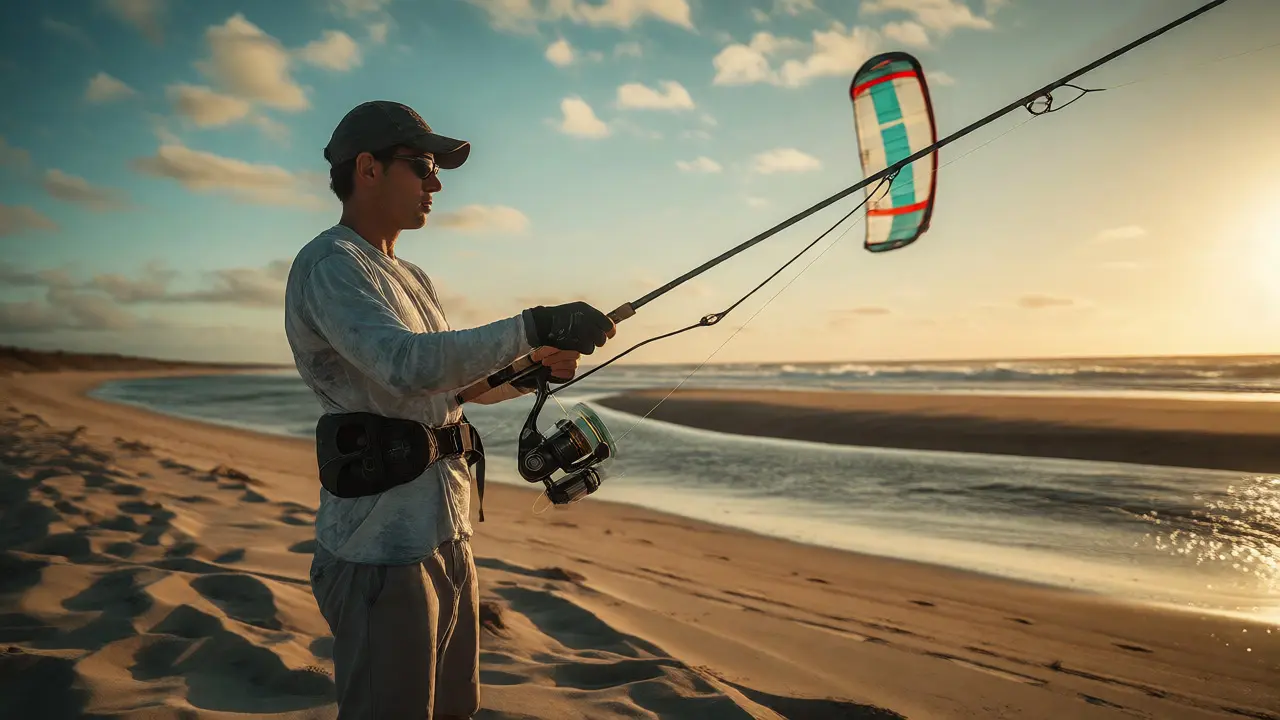
You don’t need a yacht to start. Most kite fishing setups are portable. You need a sturdy rod, a reel with plenty of backing, a strong braided main line, and the kite itself. The connection point is critical. Use a swivel to connect the kite line to the main fishing line. This prevents twisting when the kite spins in gusts.
For beginners, start with a simple single-hook rig. Tie a fluorocarbon leader to your main line. Fluorocarbon is nearly invisible underwater, reducing the chance of spooking wary fish. Attach your bait-live shrimp or cut squid works best-and clip the leader to the main line using a snap swivel. This allows you to change baits quickly without re-rigging the whole system.
One common mistake is using too much weight. Unlike bottom fishing, kite fishing relies on buoyancy and suspension. Too much lead sinks the bait too deep, defeating the purpose of clearing the surf. Keep it light. Let the kite do the work.
Reading the Wind and Water
Wind direction dictates your strategy. If the wind blows parallel to the shore (cross-shore), you can walk along the beach, letting the kite carry your bait laterally. This covers a wide search area efficiently. If the wind blows offshore, you might struggle to keep the kite up. Onshore winds are ideal because they push the kite toward the deeper water, extending your reach naturally.
Watch the kite’s behavior. If it dips suddenly, the wind died, or the bait got snagged. If it climbs rapidly, the wind picked up, or a fish took the bait and started running. Learning to read these subtle cues takes practice. Start on days with moderate, steady breezes. Avoid stormy conditions unless you’re experienced; strong gusts can rip gear apart or drag you into the water if you’re not anchored properly.
Common Pitfalls and How to Fix Them
Tangles are the enemy. When multiple lines are involved, knots happen. Always check your line for abrasions before launching. Sand and salt degrade monofilament quickly. Braided line is stronger but cuts fingers easily, so wear gloves.
Another issue is kite collapse. If the kite falls into the water, don’t panic. Reel in the slack, retrieve the kite, and dry it out. Wet kites fly poorly. Some anglers use waterproof sprays on their kites to prevent saturation. Also, ensure your bridle points are balanced. An unbalanced kite will spiral and dive, dragging your bait into the weeds.
Who Should Try Kite Fishing?
If you enjoy technical challenges and observing nature closely, this is for you. It’s rewarding to watch a school of baitfish scatter as a predator strikes your suspended offering. It’s also accessible. You don’t need a boat. A pair of sandals, a cooler, and some patience are enough. Families can participate together-one person manages the kite, another watches the rod tip.
However, it requires space. Crowded beaches are risky. A rogue wave could sweep your gear away, or someone could trip over your line. Look for open stretches of sand with good access to deeper water channels.
What kind of kite is best for fishing?
Delta kites are the industry standard for kite fishing. They offer excellent stability, require no tail, and can fly effectively in low to moderate wind speeds. Look for kites made from durable, ripstop nylon or polyester materials that resist tearing and water absorption.
Do I need special rods for kite fishing?
Yes, ideally. While you can use a standard spinning rod, dedicated kite rods are longer (often 7-9 feet) and have guides spaced specifically to handle the angle of the line coming from above. This reduces friction and prevents line wrap during retrieval. Heavy-action rods are recommended for larger game fish.
What is the best bait for kite fishing?
Live baits are superior because they exhibit natural movement. Live shrimp, crabs, and small pinfish are top choices. Cut baits like squid or ballyhoo also work well, especially when paired with scent attractants. The key is to match the hatch-use what the local baitfish are eating at that time of year.
Can you kite fish in any weather?
No. You need a steady breeze, typically between 5 and 20 mph. Light winds won't lift the kite sufficiently, while strong gales can be dangerous, causing loss of control or equipment failure. Rain and thunderstorms should also halt fishing due to safety risks and poor visibility.
Is kite fishing legal everywhere?
Regulations vary by location. Some public beaches prohibit kites entirely, while others restrict them to designated areas. Always check local state or municipal fishing regulations regarding line limits and kite usage. In many places, each person is allowed only one active line, regardless of whether it's attached to a kite or held in hand.