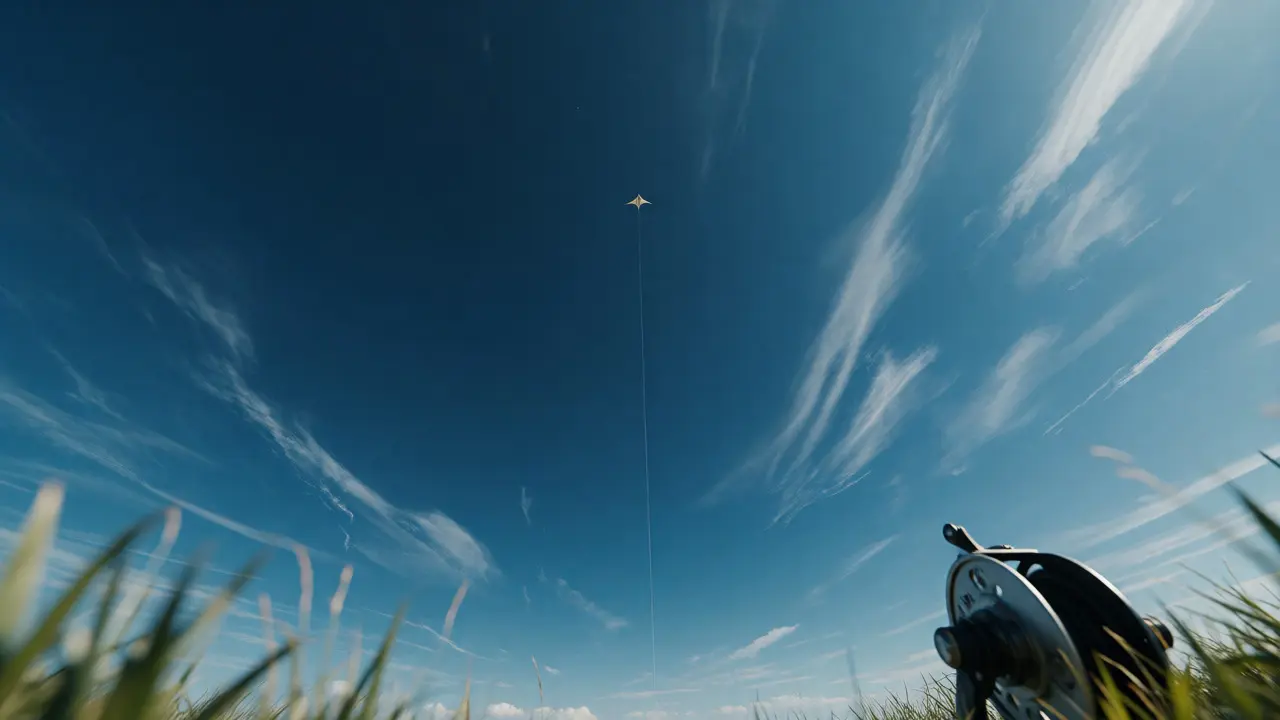
You look up at the sky and see a tiny dot. Most people think it’s a plane or a bird. But if you squint, you might spot the faint glint of a carbon fiber spar or the distinct shape of a delta wing. That dot could be hovering at 20,000 feet. We aren’t talking about the backyard fun of letting a plastic diamond dance in a gentle breeze. High-altitude kite flying is a serious engineering challenge where wind shear, material science, and raw nerve collide.
Why do people risk expensive gear and strained shoulders to send a kite into the stratosphere? It’s not just for bragging rights. The pursuit pushes the boundaries of what lightweight materials can withstand. It forces pilots to understand atmospheric physics better than most meteorologists. If you’ve ever wondered how a piece of ripstop nylon survives winds that would tear a car roof off, or what it takes to break an altitude record, you’re in the right place. We’re breaking down the tech, the tactics, and the terrifying reality of flying above the clouds.
The Physics of Soaring Higher
Flying a kite high isn’t just about letting out more line. As you climb, the air gets thinner. This creates a paradox: you need more speed to generate lift, but the drag on your line increases exponentially with length. A standard cotton string would snap under its own weight long before you reached 5,000 feet. This is why modern high-altitude flyers rely on ultra-high-molecular-weight polyethylene (UHMWPE) lines, often branded as Dyneema or Spectra.
The aerodynamic limit here is defined by the lift-to-drag ratio of the kite itself. At ground level, you have plenty of air density to help small surfaces generate force. At 15,000 feet, the air density drops significantly. To compensate, high-altitude kites must have a larger surface area relative to their weight. This is where the design diverges sharply from recreational models. You aren’t fighting gravity alone; you are fighting the decreasing efficiency of the air itself.
Choosing the Right Machine
Not every kite can handle the thin air and violent turbulence found above the cloud layer. Stunt kites, while agile, often lack the structural rigidity needed for sustained high-altitude endurance without snapping in gusts. The two dominant designs in the record-breaking world are the Delta and the Parafoil.
Deltas are rigid-frame kites. They offer precise control and incredible speed. Pilots like those competing in the World Kite Championships use advanced composites-carbon fiber spars and Mylar skins-to keep weight down while maximizing stiffness. However, Deltas require strong, steady wind. If the wind dies at altitude, a Delta falls fast.
Parafoils, or soft kites, are inflatable wings. They have no frame. Their shape is maintained entirely by air pressure entering through intakes on the leading edge. This makes them incredibly light and packable. For altitude records, parafoils are often preferred because they can glide efficiently even when wind speeds drop. They act more like a paraglider than a traditional kite. When the line goes slack, a parafoil doesn’t plummet; it drifts. This safety margin is critical when you’re five miles up and can’t see your launch point.
| Feature | Rigid Delta | Parafoil |
|---|---|---|
| Structural Integrity | High (Carbon Fiber Frame) | Medium (Air Pressure Dependent) |
| Wind Range | Narrow (Requires Strong Wind) | Wide (Handles Low Wind Better) |
| Repairability | Low (Spars Break Easily) | High (Fabric Patches Work) |
| Drag Coefficient | Lower (More Efficient) | Higher (More Drag) |
The Equipment Behind the Record
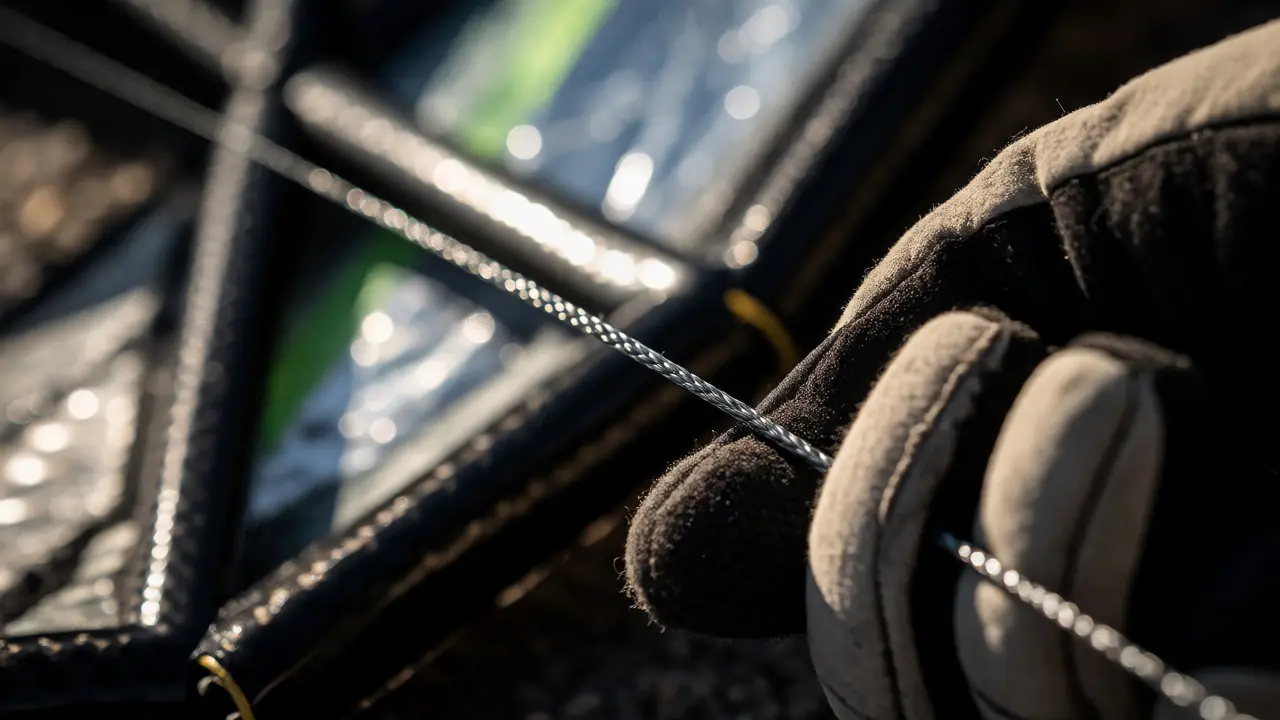
If you plan to push past 10,000 feet, your gear list changes dramatically. Your hands will go numb, and your eyes will strain against the glare. Standard gloves won’t cut it. You need insulated, grip-enhanced gloves designed for sailing or climbing. Why? Because the friction heat generated when retrieving a 3,000-foot line at speed can burn bare skin instantly.
Then there’s the reel. Hand-winding three miles of line is impossible. Serious altitude flyers use motorized winches or geared reels with mechanical brakes. These systems allow for controlled retrieval. If a gust hits while you’re reeling in, a locked brake prevents the line from ripping through your hands or snapping the kite. It’s a matter of inches and pounds of force.
Telemetry has also entered the game. Gone are the days of guessing your altitude based on line count. Modern setups include GPS trackers attached directly to the kite’s bridle. Some pilots use radio telemetry to monitor battery voltage and signal strength in real-time. This data helps determine exactly when the kite has hit its maximum lift potential versus when it’s simply being pulled by the line tension.
Reading the Sky: Weather and Wind Shear
You can’t fly high if you don’t understand the atmosphere. Surface winds are deceptive. Just because it’s breezy at your local park doesn’t mean the jet stream is cooperating at 20,000 feet. In fact, the opposite is often true. High-altitude flying requires a phenomenon called wind shear-a change in wind speed or direction over a short distance.
For a successful high-altitude launch, you typically want a stable high-pressure system. These systems create consistent, laminar flow rather than chaotic turbulence. Turbulence is the enemy of high-altitude kites. It causes rapid changes in angle of attack, which can lead to structural failure or loss of control. Pilots spend hours analyzing weather balloons and radar data before committing to a record attempt.
Cloud cover is another factor. While you can fly through clouds, visibility becomes zero. If you lose sight of your kite, you lose spatial awareness. Many record attempts are made on clear days with high cirrus clouds visible only as wisps. This ensures the pilot can track the kite’s position relative to the horizon, preventing accidental dives into terrain or other aircraft corridors.
Breaking Records: The Human Element
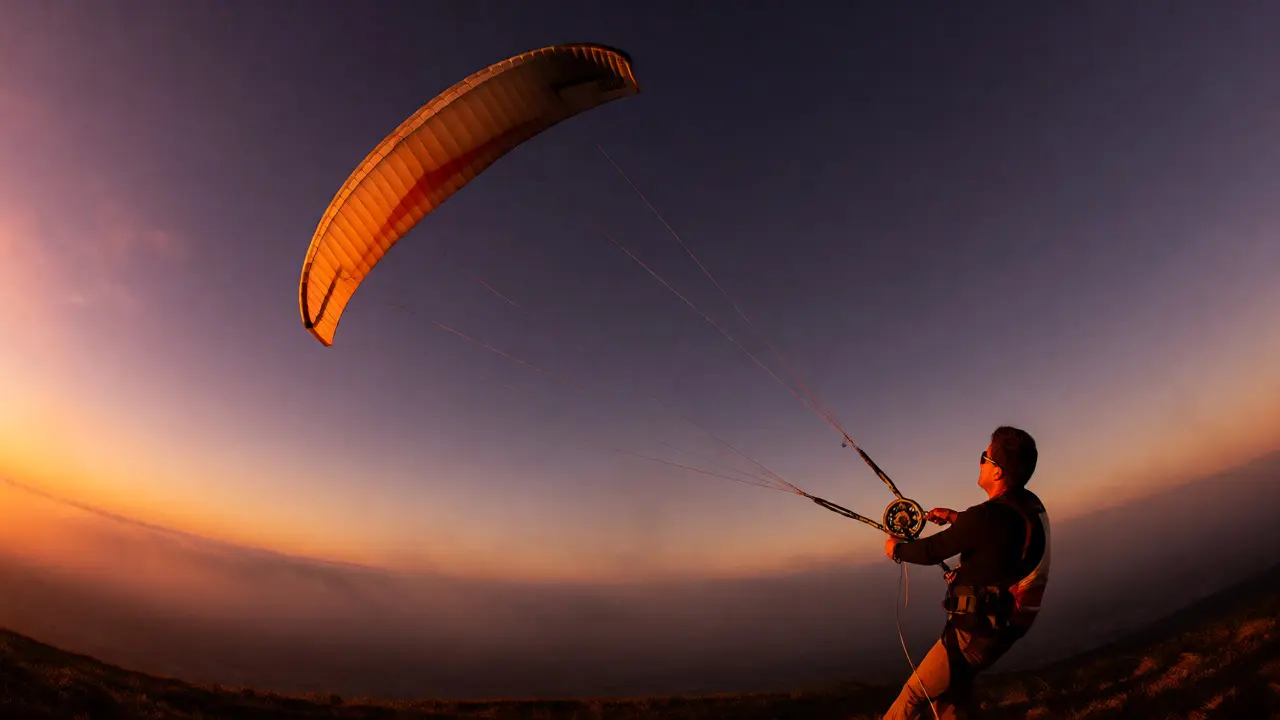
The current world record for kite altitude hovers around 16,009 feet, set by a team using a specialized parafoil. Breaking this number isn’t just about better gear; it’s about human endurance. Holding a line under that much tension requires core strength and shoulder stability. Fatigue sets in quickly. Once your arms shake, your reaction time slows. A slow reaction during a gust can mean a snapped line or a crashed kite.
Safety regulations also play a huge role. You can’t just launch anywhere. Airspace restrictions near airports mean you need clearance from aviation authorities. In the US, the Federal Aviation Administration (FAA) governs these activities. Flying above certain altitudes may require notifying local control towers. Ignoring this can result in fines or worse, a mid-air collision with a drone or light aircraft.
There’s also the psychological aspect. Watching a $500 kite disappear into a white void, knowing you can’t see it, tests your trust in your equipment. Do you keep letting out line? Or do you start retrieving? That decision, made in seconds, determines whether you break a record or lose your investment.
Practical Tips for Aspiring Altitude Flyers
If you’re ready to move beyond the backyard, start small. Don’t buy a competition-grade parafoil immediately. Practice with a mid-sized stunt kite first. Learn to read wind shifts. Notice how the kite behaves when the wind drops versus when it surges. Get comfortable with the feeling of heavy line tension.
- Line Management: Always check your line for abrasions. A single nick can become a catastrophic failure at 5,000 feet.
- Launch Technique: Never launch into a gusty headwind. Wait for a lull. Launching smoothly preserves momentum and reduces stress on the bridle.
- Retrieval Strategy: Retrieve in stages. Let the kite pull you slightly, then reel. Fighting the kite directly wastes energy and heats the line.
- Weather Watch: Use apps like Windy or Meteoblue to check wind profiles at different altitudes, not just surface level.
Join a local club. Experienced flyers know the local microclimates. They know which parks have thermal updrafts that can boost a kite higher than expected. They also know who owns the nearest airport tower and how to ask for permission politely.
What is the highest altitude ever recorded for a kite?
The Guinness World Record for the highest flight of a multi-line kite is approximately 16,009 feet (4,879 meters), achieved in 2014. This was accomplished using a specialized parafoil kite and extensive line management techniques.
Can I fly a kite at 10,000 feet?
Yes, but it requires specific equipment. You need a large, efficient kite (usually a parafoil or large delta), high-strength low-stretch line (like Dyneema), and favorable weather conditions with stable wind shear. Standard recreational kites will likely fail due to line weight and insufficient lift in thin air.
Is it legal to fly kites this high?
Regulations vary by country and location. In the US, the FAA regulates airspace. Generally, kites below 400 feet are unrestricted, but higher flights may require notification to air traffic control, especially near airports. Always check local aviation authority rules before attempting high-altitude flights.
What kind of line should I use for high-altitude flying?
Use braided Ultra-High-Molecular-Weight Polyethylene (UHMWPE) line, such as Dyneema or Spectra. It offers the highest strength-to-weight ratio and minimal stretch compared to nylon or polyester, which is essential for managing the immense weight and tension of thousands of feet of line.
How do you retrieve a kite from such a high altitude?
Retrieval is done using a geared reel or motorized winch. Pilots let the kite fly forward to reduce tension while simultaneously winding the line. This technique, often called "walking the dog," allows for controlled retrieval without burning hands or snapping the line. GPS trackers help locate the kite if visibility is poor.