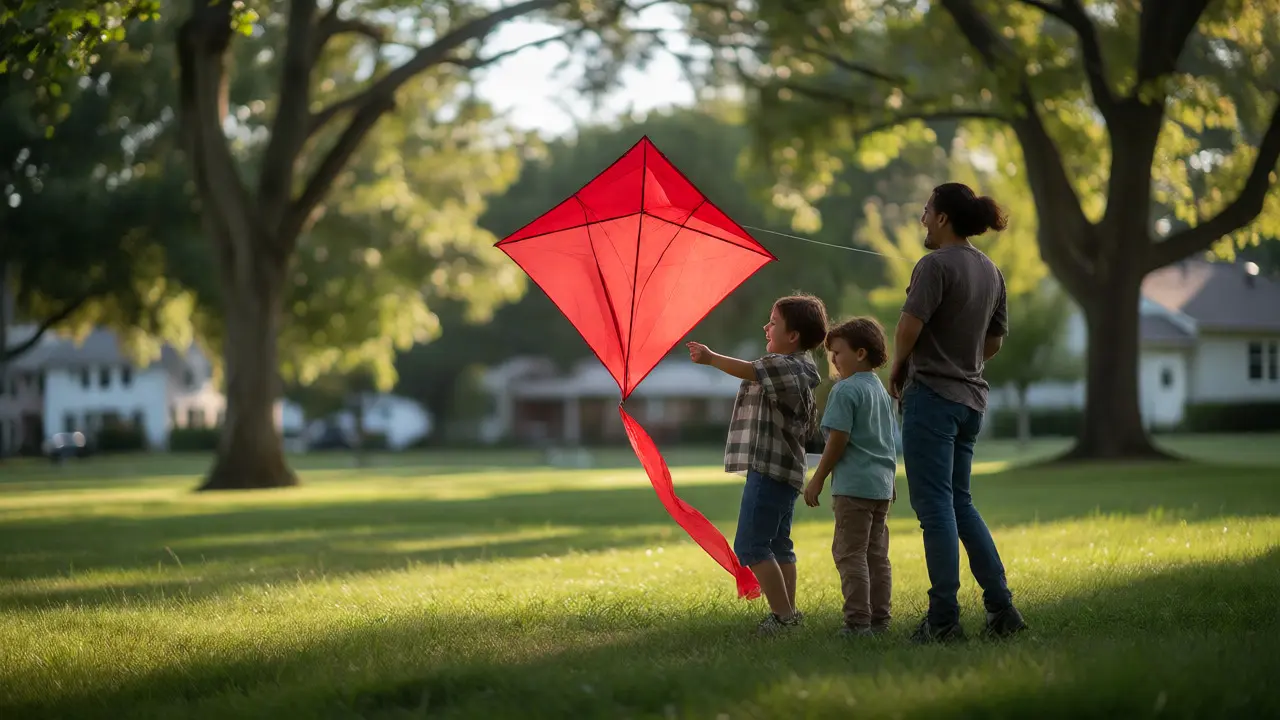
You know that feeling when you see a bright spot dancing in the sky and your kid tugs your sleeve asking, "Can we do that?" It’s tempting. But if you’ve ever bought a cheap kite from a gas station, you might remember the frustration of it nose-diving into the grass or getting hopelessly tangled in a tree within minutes. Kite flying isn’t just about wind; it’s about understanding how air moves around a frame and knowing which gear actually works.
This guide skips the fluff. We’re going to look at what makes a kite fly, how to pick the right one for your family, and specific games that keep kids engaged without turning the afternoon into a wrestling match with a spool of string. Whether you’re planning a weekend park trip or a beach day, here is how to make it stick.
Picking Your First Kite (And Why Size Matters)
Most beginners make the mistake of buying a small, colorful plastic kite because it looks cute. Don’t. Small kites need strong, steady wind to lift off. If you’re flying in a typical suburban park where the breeze is gentle and gusty, you need surface area. Look for a diamond kite with a wingspan of at least 40 inches. The classic diamond shape is forgiving. It self-corrects better than complex delta kites when the wind dies down, giving you time to reel in line before it crashes.
Material matters too. Nylon sails are lightweight and rip-resistant, which is crucial if your kids are still learning to handle sharp edges. Avoid paper kites unless you’re flying in perfectly dry, calm conditions-humidity will destroy them in an hour. For the frame, fiberglass rods are standard now. They bend instead of snapping, which saves you from splinters and replacement costs.
| Kite Type | Wind Requirement | Difficulty Level | Best For |
|---|---|---|---|
| Diamond | Low to Moderate (5-15 mph) | Beginner | First-time flyers, small children |
| Sled | Low (3-10 mph) | Beginner | Very light winds, indoor practice |
| Delta | Moderate (10-20 mph) | Intermediate | Stability, older kids, open fields |
| Box | Moderate to High (15-25 mph) | Advanced | Strong winds, visual impact |
The Gear You Actually Need
You don’t need a pro setup, but you do need three things beyond the kite itself: line, winder, and tools. The line should be braided polyester. Cotton twine stretches and rots; nylon cuts fingers. Braided polyester has minimal stretch, so when you tug the line, the kite feels it instantly. For a first kite, 100 feet of line on a wooden or plastic winder is plenty. Anything longer becomes a tripping hazard for toddlers running around.
Bring scissors. This sounds obvious, but when a kite gets caught in a bush, cutting the line is faster and safer than pulling it out and risking damage to the sail. Also, grab some spare tape. If the tail rips off (and it will), duct tape can temporarily fix the bridle attachment point until you get home.
Finding the Right Spot and Wind Conditions
Not all parks are created equal. You want an open field with no trees, power lines, or buildings nearby. Obstacles create "turbulence," which is fancy talk for chaotic, swirling air. Turbulence kills lift. If you’re near a building, stand at least 20 feet away from its edge to avoid the wake effect.
How do you judge the wind? Use the Beaufort scale rule of thumb. If leaves are rustling constantly and flags are extended horizontally, you have good wind (roughly 7-10 mph). If smoke rises straight up, it’s too calm. If umbrellas turn inside out, it’s too windy for a single-line kite. Check the direction by throwing a handful of grass or using a wind sock if available. Always launch with the wind at your back, not your side.
Step-by-Step Launch Technique
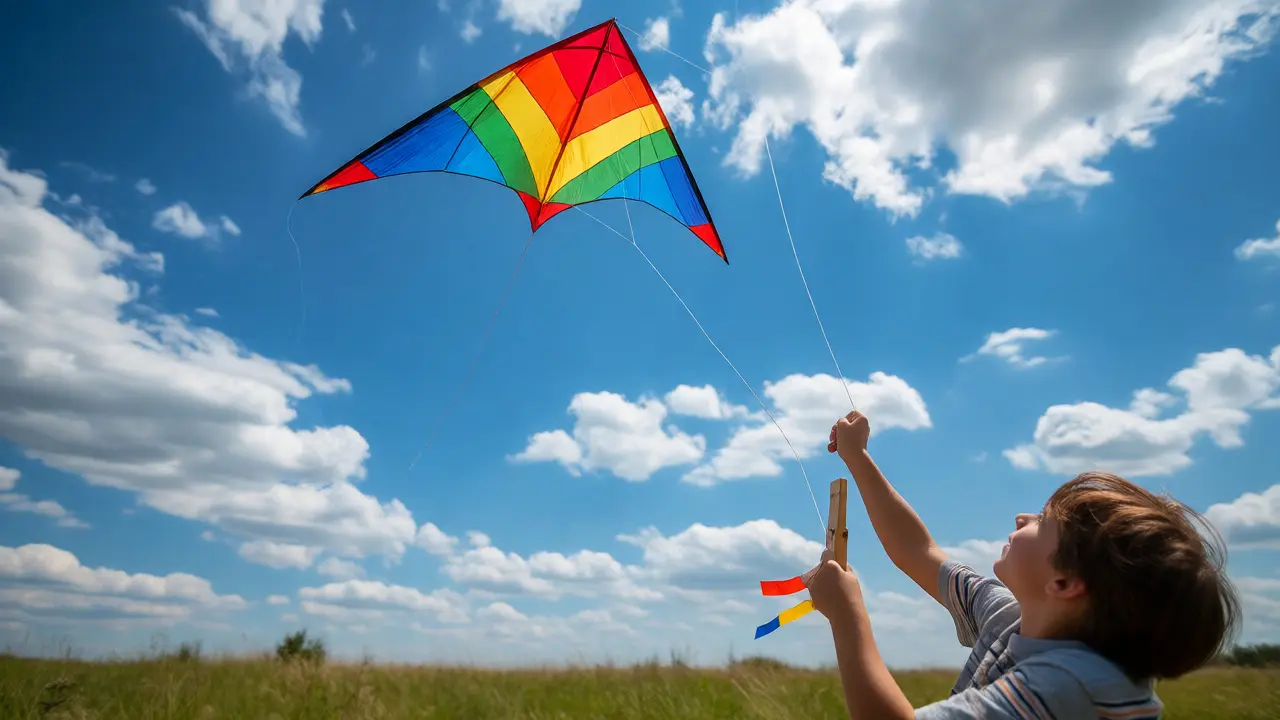
Here is the method that works 90% of the time. Do not try to launch alone if you have a helper; two people make this infinitely easier.
- Positioning: Stand with your back to the wind. Have your helper hold the kite upwind, about 50 feet away. The kite should face you, with the nose pointed slightly upward.
- Tension: Take up slack in the line until it’s taut. Give your helper a nod.
- The Release: Your helper releases the kite gently while you give a short, firm pull on the line. Do not run. Running creates false wind speed and often causes the kite to stall once you stop.
- Climbing: As the kite lifts, let out line slowly. If it starts to dive, reel in quickly. If it climbs steadily, pay out more line. Keep your eyes on the kite, not the ground.
If you’re alone, use the "drag launch." Place the kite on the ground with the nose tilted up. Hold the line taut and walk backward slowly. When the wind catches the sail, give a sharp tug and let go. It’s less reliable but doable in steady breezes.
Family-Friendly Games and Activities
Once the kite is up, keeping kids interested requires structure. Here are four simple games that work well for ages 5 to 12.
- Height Challenge: Mark every 25 feet on your line with colored electrical tape. See who can get their kite to the red mark first. This teaches kids about line management and tension.
- Kite Relay: Set up a course with cones. One person flies the kite through the cones without crashing. Time them. Switch pilots. This encourages smooth control rather than aggressive pulling.
- Art in the Sky: Buy plain white diamond kites and non-toxic markers. Let kids draw designs before flying. Seeing their art soar adds emotional investment. Note: Heavy markers can unbalance the kite, so test balance beforehand.
- Shadow Tag: On sunny days, watch the kite’s shadow on the ground. Try to step on it. This helps younger children understand spatial relationships and wind direction without needing to touch the kite.

Safety Rules That Prevent Tears
Kites look harmless, but they pack kinetic energy. Follow these rules strictly:
- Power Lines are Deadly: Never fly within 5 miles of an airport and never under power lines. If a kite hits a high-voltage line, do not touch the line. Cut it if possible, or leave it. Touching a wet line connected to a live wire can electrocute you.
- No Roads: Cars cannot stop quickly if a child runs after a crashing kite. Stick to parks and beaches.
- Line Burn: Fast-moving kite line can slice skin like cheese wire. Wear gloves if you’re reeling in quickly or handling a large kite. Teach kids to hold the winder, not the loose line.
- Lightning: If thunder rumbles, land the kite immediately. Kites attract lightning due to their height and metal frames.
Troubleshooting Common Issues
Even experienced flyers deal with problems. Here’s how to fix the big three:
- Kite Spins in Circles: The tail is likely too short or missing. Add weight or length to the tail to stabilize the nose. Alternatively, adjust the bridle points-if the top bridle hole is too far forward, move it back.
- Kite Won’t Lift: Either the wind is too weak, or the nose is too heavy. Move the bridle attachment point further back (away from the nose) to lift the front end. Or, switch to a larger kite.
- Line Tangles: Stop pulling. Lay the kite on the ground and carefully unwind the mess. Using a figure-eight pattern when winding line prevents knots before they start.
What is the best age to start kite flying?
Children as young as 3 can enjoy watching kites, but active participation usually starts around age 5 or 6. At this age, they have the motor skills to hold a winder and follow simple instructions like "pull when it dips." Younger children can participate in launching and landing with adult supervision.
How much wind do I need to fly a kite?
Most beginner kites require a steady breeze of 5 to 15 miles per hour. You can gauge this visually: if leaves are fluttering consistently and small branches are moving, conditions are ideal. If flags hang limp, it's too calm. If debris is blowing violently, it's too windy for standard single-line kites.
Why does my kite keep crashing?
Crashes are usually caused by turbulence from obstacles like trees or buildings, improper bridle adjustment, or lack of a stabilizing tail. Ensure you are flying in an open area free of obstructions. Check that your tail is intact and appropriately long (usually 3-5 times the length of the kite) to provide stability.
Is kite flying dangerous for pets?
Yes, primarily due to ingestion risks. Dogs and cats may chew on the string, leading to intestinal blockages. Additionally, the sudden movement of the kite can trigger prey drive, causing pets to chase and potentially get tangled. Always supervise pets closely and store kite equipment securely after use.
Can I fly a kite in the rain?
Generally, no. Rain increases the weight of the kite fabric, making it harder to lift. Wet cotton lines become heavy and prone to breaking. Furthermore, wet conditions increase conductivity, raising the risk of electric shock if the kite encounters a charged cloud or power line. Wait for dry conditions.