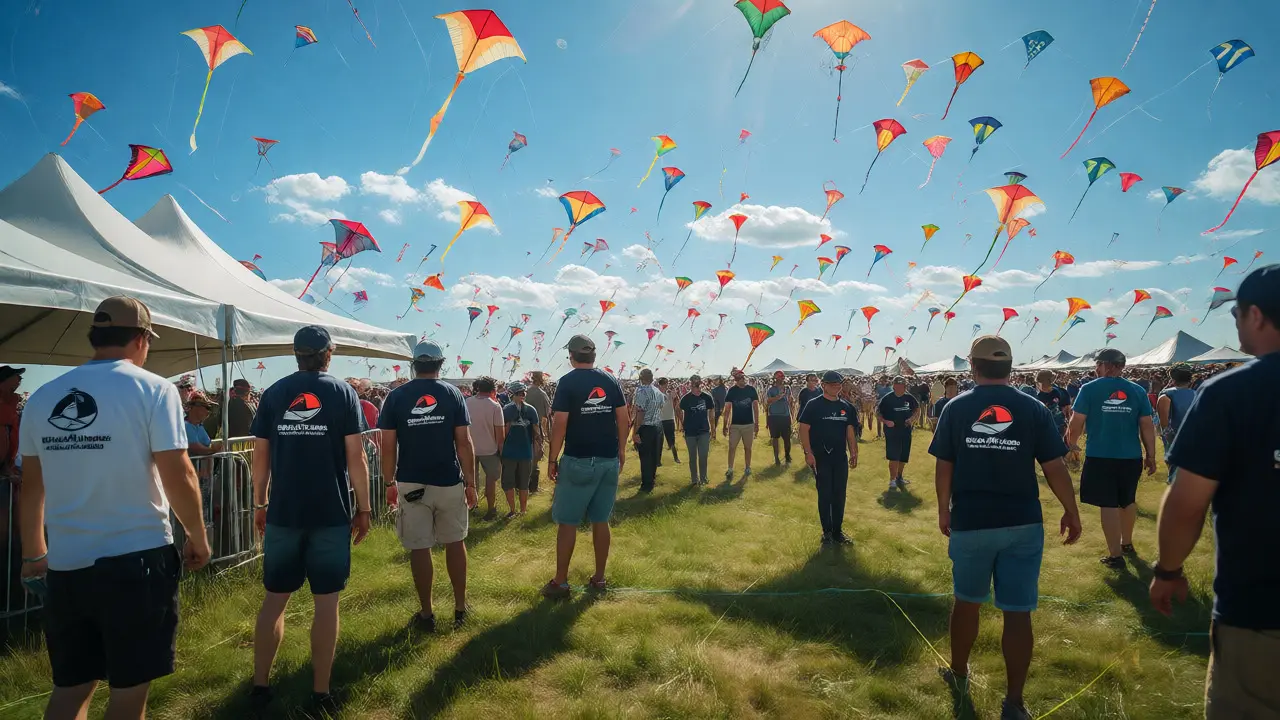
Ever thought about spending a weekend surrounded by thousands of kites, free food, and the buzz of a crowd, all while earning some serious community credit? It sounds like a dream, but for many, it’s just another day as a Festival Volunteer at a major kite event. But before you sign up, you need to know what you’re actually getting into. It’s not just about standing around looking pretty in a branded t-shirt. There are specific roles, strict safety protocols, and yes, some genuinely cool perks that make the sweat worth it.
The Reality of Kite Festival Volunteering
Most people imagine volunteering at a Kite Festival as flying their own colorful creations against a blue sky. In reality, unless you’re in the competition zone, you’re likely working. The scale of these events is massive. Take the Blossom Kite Festival in Washington D.C. or the Dieppe International Kite Festival in France; they draw hundreds of thousands of attendees. Managing that flow requires an army of helpers. If you’re thinking of joining one in Portland or elsewhere, understand that you are part of a logistical machine designed to keep things safe and fun.
| Role | Primary Task | Skill Level | Physical Demand |
|---|---|---|---|
| Line Marshals | Keep spectators behind safety lines during flights | Beginner | Moderate (Standing/Walking) |
| Registration Desk | Check-in participants and distribute kits | Intermediate | Low (Sitting/Standing) |
| Setup Crew | Erect tents, barriers, and stage equipment | Beginner | High (Lifting/Carrying) |
| Crowd Control | Manage entry points and emergency exits | Advanced | Moderate (Alertness) |
Choosing Your Role Wisely
Not every job fits every person. If you hate confrontation, don’t pick Crowd Control. You’ll be telling parents why their kid can’t run through the launch zone with a fifty-foot string. On the other hand, if you love heavy lifting and want to see how the sausage is made, Setup Crew is your jam. I’ve seen volunteers regret signing up for Line Marshal duties because they underestimated the sun exposure. You’re out in open fields, often with zero shade, for six to eight hours straight.
Consider your stamina. A typical shift lasts four to six hours, sometimes back-to-back. If you have knee issues, avoid roles requiring constant walking on uneven grass. Registration desks offer a seated option, but they require patience and organizational skills. You’re handling names, waivers, and confused flyers who lost their confirmation emails. It’s less glamorous, but you get a closer look at the professional pilots arriving with crates full of high-tech kites.
Safety Briefings Are Non-Negotiable
This is where most newbies slip up. They skip the pre-event meeting or arrive late. Big mistake. Kite festivals involve sharp lines, strong winds, and unpredictable crowds. The Safety Briefing covers critical hazards like line tension failures and wind gusts exceeding 20 mph. You need to know exactly where the emergency exits are and who holds the radio channel for medical incidents.
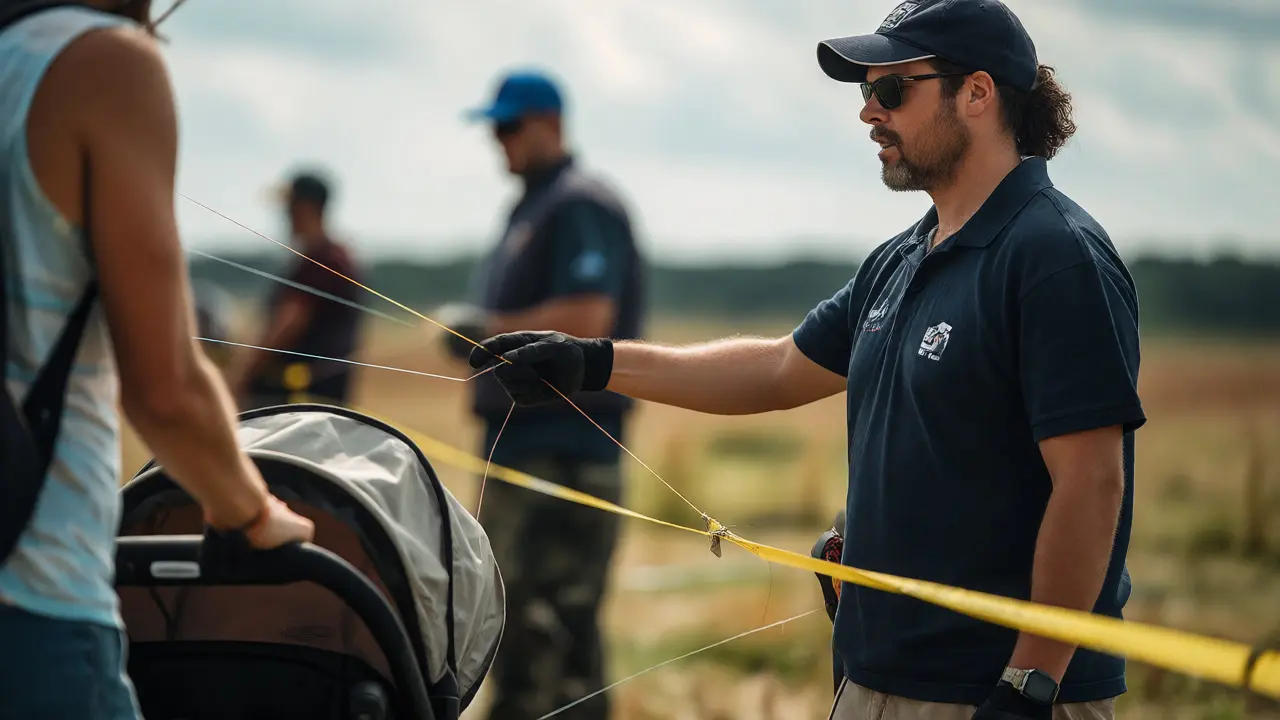
- Line Hazards: Spectator lines can slice skin if they snap under tension. Volunteers must enforce distance rules strictly.
- Weather Protocols: Learn the signals for "Ground All Kites." This usually involves a loud air horn or a specific flag color.
- Emergency Zones: Know the location of first aid tents and fire lanes. Never block these areas with personal gear or vehicles.
In my experience organizing local community fairs, the biggest risk isn’t the kites themselves-it’s tripping hazards from guy wires and tent stakes. Volunteers are the eyes and ears on the ground. If you spot a loose stake, you fix it or report it immediately. Ignoring small details leads to big accidents when thousands of people are moving around.
The Perks: Why People Keep Coming Back
So, why do this? Sure, there’s the warm fuzzy feeling of helping out, but let’s talk about the tangible benefits. Most festivals provide a Volunteer Kit that includes a branded shirt, hat, and lanyard. These shirts become collector’s items for regulars. More importantly, you get access to restricted areas. While general admission fans watch from the perimeter, volunteers often get close-up views of the stunt teams practicing. Imagine watching a quad-line kite pilot perform loops just ten feet away.
Food is another major draw. Many festivals feed their volunteers. We’re talking hot meals, snacks, and unlimited water stations. After a long shift in the wind, a hot burger tastes better than anything you’d buy at concession prices. Plus, there’s the networking aspect. You meet organizers, sponsors, and other enthusiasts. For those interested in event management careers, this is unpaid internship material. You learn how logistics, crowd psychology, and vendor relations work in real-time.
Preparation Checklist for Success
Don’t show up unprepared. The weather at outdoor festivals can change rapidly. One minute it’s sunny, the next it’s windy and chilly. Dress in layers. Comfortable shoes are mandatory-you’ll walk miles. Sunscreen is non-negotiable, even on cloudy days, because UV rays reflect off the sand or grass.
- Hydrate Early: Start drinking water the night before. Dehydration hits fast in the wind.
- Bring Gear: Sunglasses protect eyes from dust and glare. Gloves help if you’re handling ropes or setting up tents.
- Charge Devices: Your phone battery drains quickly in cold or windy conditions. Bring a portable charger if you plan to take photos.
- Know the Schedule: Arrive 30 minutes early. Late arrivals disrupt team assignments and annoy coordinators.
One tip from a veteran volunteer: bring a small backpack. Pockets fill up with trash, water bottles, and radios quickly. A lightweight bag keeps your hands free for tasks. Also, check if the festival allows personal kites. Some do, some don’t. If yours gets tangled in someone else’s line, you might be liable for damages, so ask before launching.

Handling Difficult Situations
You will encounter difficult people. Maybe a parent refuses to move their stroller out of a flight path. Or a flyer argues that his kite is "just testing" when it’s clearly violating airspace rules. Stay calm. You’re not the police; you’re a helper. Use polite but firm language. "Sir, for everyone’s safety, please step behind the yellow line." If they escalate, call a lead volunteer or staff member. Don’t engage in arguments.
Another common issue is fatigue. By hour five, focus drops. Mistakes happen. Communicate with your team leader if you need a break. Most organizers respect honesty over heroics. Pushing through exhaustion increases accident risk. It’s better to rest for ten minutes than to trip over a cable because you weren’t paying attention.
Beyond the Festival: Building Community
Volunteering connects you with a niche community. Kite enthusiasts are surprisingly diverse-engineers, artists, retirees, students. Conversations often spark lasting friendships. You might join a local club after the event, leading to year-round flying sessions. In Portland, groups like the Oregon Kite Society organize monthly meets at parks like Tom McCall Waterfront Park.
This network extends beyond hobbies. Event organizers remember reliable volunteers. Next year, you might get offered a paid position or a leadership role. It’s a low-risk way to test interest in event planning without committing to a degree or career switch. Plus, you support local businesses and cultural events directly. Every dollar spent on concessions goes back into the park maintenance or charity partners associated with the festival.
Do I need prior experience to volunteer at a kite festival?
No, most roles require no prior experience. Basic training is provided during the safety briefing. However, roles like Stage Manager or Vendor Liaison may prefer candidates with previous event coordination background.
What should I wear for a kite festival volunteer shift?
Wear comfortable closed-toe shoes, layered clothing for changing weather, and a hat. Avoid loose scarves or jewelry that could catch on kite lines. Dark colors are practical for dusty outdoor environments.
Are volunteers paid for their time?
Typically, no. Volunteer positions are unpaid. Compensation usually comes in the form of free entry, meals, merchandise, and priority parking. Some large corporate-sponsored events might offer stipends, but this is rare.
Can I bring my own kite to fly while volunteering?
It depends on the festival policy and your assigned role. Generally, you cannot fly while on duty. During breaks, you may be allowed to fly in designated areas if approved by the site manager. Always check the specific rulebook beforehand.
What happens if the weather cancels the festival?
If severe weather forces cancellation, volunteers are usually released early. Some festivals offer a partial meal voucher or reschedule opportunity. Check the volunteer agreement for specific cancellation policies regarding compensation or credits.