You’ve spent months perfecting your line cuts and practicing your dives. But here’s the harsh reality of kite fighting: a snapped bridle or a tangled spool can end your match before you even launch. It doesn’t matter how skilled you are if your equipment fails in the first ten seconds. Competition day is where preparation meets pressure, and that’s exactly why we’re breaking down the essential gear checks and physical warm-ups that separate the champions from the spectators.
Why Pre-Flight Inspection Is Non-Negotiable
Think of your Fighter Kite as a high-performance race car. You wouldn’t take a Formula 1 car onto the track without checking the tires and engine oil, right? The same logic applies here. Most losses aren’t due to bad piloting; they’re due to mechanical failure. A tiny frayed spot on your flying line might hold up during practice but snap instantly under the tension of a competitive cut. That’s why a rigorous inspection isn’t just a suggestion-it’s your insurance policy against disaster.
The Essential Gear Checklist
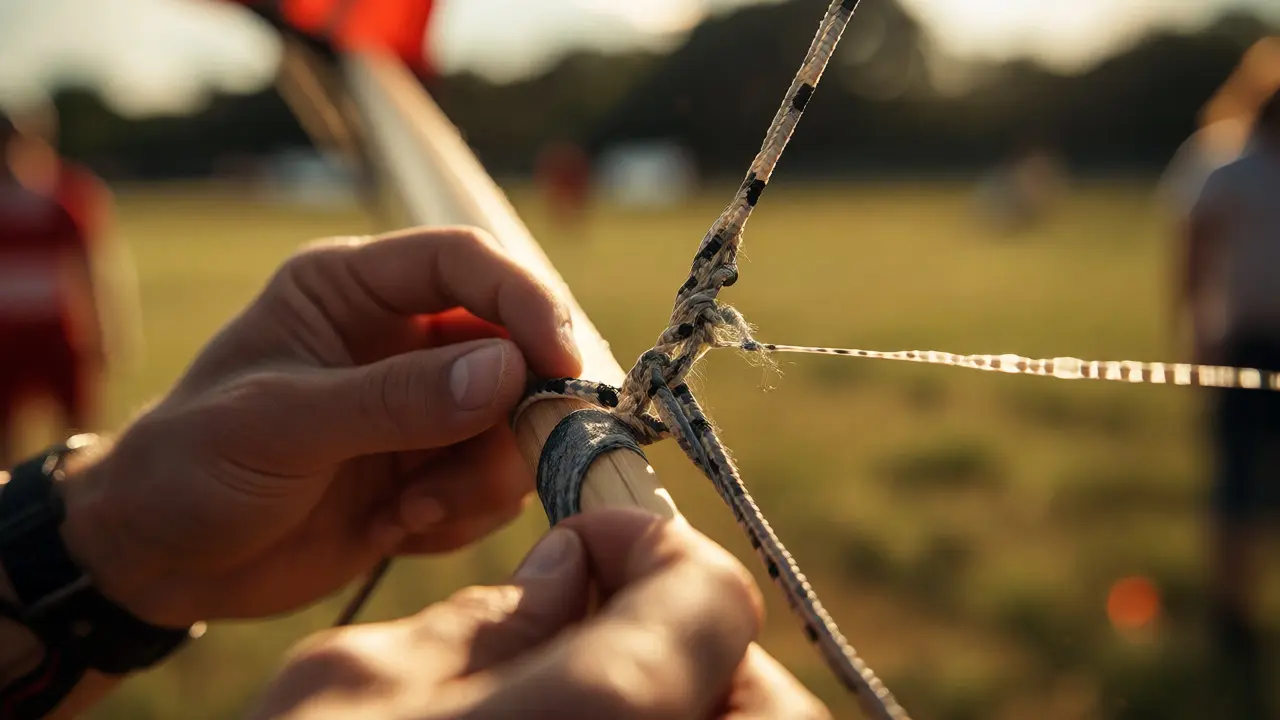
Before you step into the arena, you need to run through a specific checklist. This isn’t about cleaning up; it’s about verifying structural integrity. Start with the Bridle. Check every knot and connection point. If there’s any looseness, tighten it immediately. Next, inspect the Spar. Look for micro-cracks, especially near the joints where stress is highest. Even a hairline fracture can cause the wing to collapse mid-flight.
Your line is arguably the most critical component. Run your fingers along the entire length of the Fighting Line, typically made of polyester or nylon. Feel for rough spots, knots, or thinning areas. If you find a weak spot, cut the line back to a clean section. Don’t risk tying a knot in the middle of a fight-it adds weight and creates a snag point. Finally, test your Reel. Ensure the handle spins smoothly and the brake mechanism holds firm when engaged. A jammed reel means you can’t release line quickly enough to evade an opponent’s attack.
| Component | What to Check | Common Failure Mode |
|---|---|---|
| Bridle | Knot tightness, symmetry | Uneven flight path |
| Spar | Cracks, flexibility | Wing collapse |
| Flying Line | Fraying, thickness consistency | Mid-fight breakage |
| Reel Handle | Rotation smoothness | Inability to release line |
Physical Warm-Ups for Precision Control
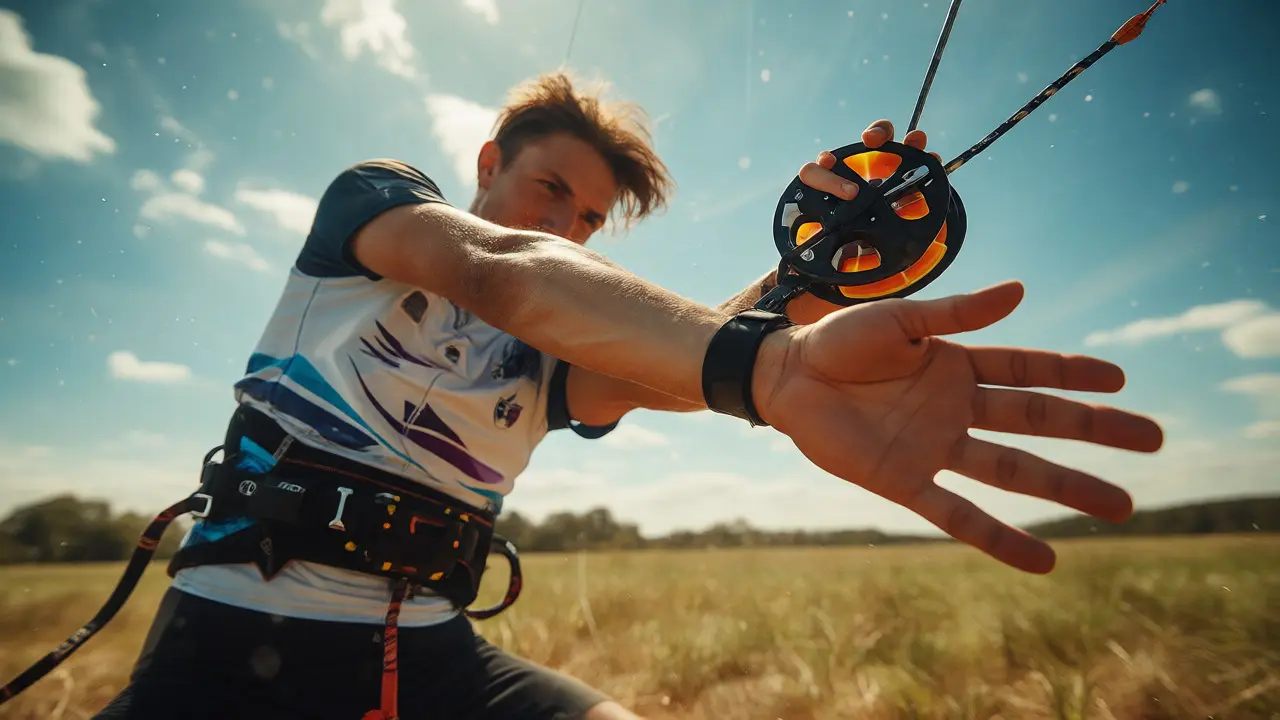
Kite fighting isn’t just mental; it’s intensely physical. Your wrists, forearms, and shoulders do the heavy lifting. If you start cold, your reaction time slows down, and your movements become jerky instead of fluid. Spend at least ten minutes warming up these specific muscle groups. Start with wrist circles-both clockwise and counter-clockwise-to lubricate the joints. Then, move into forearm stretches by extending one arm and gently pulling the fingers back with the other hand.
Shoulder rolls are crucial too. Large, slow circles help prevent stiffness that limits your range of motion. Why does this matter? Because precise control requires subtle adjustments. If your shoulder is locked up, you’ll overcorrect, causing your kite to dip unexpectedly. Practice shadow-piloting before you launch. Hold your reel and mimic the motions of cutting and evading. This neural priming helps sync your brain with your muscle memory, ensuring your body reacts instinctively when the real fight begins.
Mental Preparation and Wind Reading
Once your gear is checked and your body is loose, shift your focus to the environment. Stand at the edge of the field and observe the wind patterns. Are there gusts coming from the left? Is there turbulence caused by nearby buildings? Understanding the Wind Conditions gives you a strategic advantage. You can position yourself to use gusts for speed or avoid turbulent zones that destabilize your kite.
Visualize your opening moves. Do you plan to engage aggressively or play defensively? Having a clear strategy reduces decision fatigue once the whistle blows. Remember, hesitation is often fatal in kite fighting. Trust your preparation. You’ve checked the line, warmed up the muscles, and read the wind. Now, trust your instincts.
Troubleshooting Common Last-Minute Issues
Even with perfect prep, things go wrong. Maybe a sudden gust tangles your line before you launch. What do you do? Stay calm. Rushing to untangle leads to tighter knots. Instead, lay the line out flat and work backward from the entanglement. If your kite won’t lift off despite good wind, check the bridle attachment point. Sometimes, a slight adjustment of a few millimeters changes the angle of attack dramatically.
If your reel feels sticky, don’t force it. Apply a drop of silicone lubricant if you have it, or simply rotate the handle vigorously to break up any minor debris inside. These small fixes can save your match. Always carry a basic repair kit: spare line, tape, and a multi-tool. Being ready for emergencies turns potential disasters into manageable hiccups.
Frequently Asked Questions
How often should I replace my fighting line?
It depends on usage, but generally, you should replace your line after every major tournament or whenever you notice visible fraying. For frequent practitioners, checking the line before every session is standard practice. Never reuse a line that has been cut during a previous fight unless you trim back significantly past the damaged area.
What type of line is best for beginners versus pros?
Beginners often benefit from slightly thicker, more durable lines like 20-pound test braided nylon because they are forgiving and less likely to snap under accidental tension. Pros usually prefer thinner, higher-strength materials like Dyneema or Spectra (around 8-12 pound test) because they create less drag and allow for sharper, faster cuts.
Do I need to warm up my kite itself?
Not physically, but you should "warm up" its performance. Launch your kite early to ensure it flies true. Adjust the bridle if it pulls to one side. Letting it fly for a few minutes also ensures the line unwinds smoothly without twists, which can happen if it was stored improperly.
What is the most common mistake on competition day?
The most common mistake is skipping the final line inspection. Pilots get nervous and rush to launch, missing a small fray that breaks under load. Another frequent error is poor stance; standing too rigidly prevents quick lateral movement needed to dodge attacks.
Can weather affect my gear checks?
Yes. Humidity can cause certain natural fiber lines to stretch or weaken, while extreme heat can soften adhesives in some kite constructions. Always account for current weather conditions when assessing your gear's reliability.