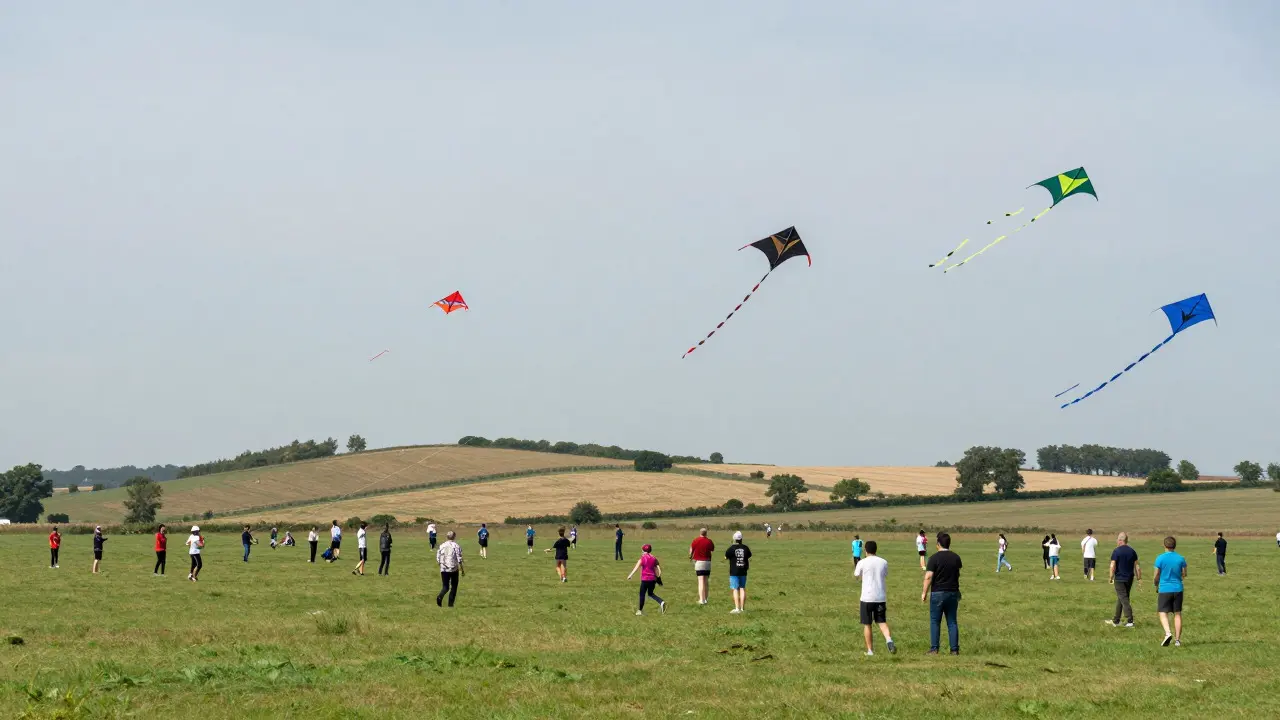
There is something uniquely electric about watching a hundred colorful shapes dance against a gray British sky. The Berkshire Kite Festival is an annual outdoor event in the United Kingdom that celebrates traditional and modern kite flying through community gatherings, family activities, and aerial displays. Held typically in the summer months across the Berkshire countryside, this festival has become a cornerstone of local leisure culture, drawing thousands of visitors who come not just to watch, but to participate in one of the oldest forms of recreational flight.
You might wonder why a simple piece of paper and bamboo still holds such power in the digital age. The answer lies in the tactile joy of creation and the shared spectacle of flight. Unlike passive entertainment, kite flying requires active engagement with the wind, weather, and your own hands. For families, it offers a rare screen-free experience where children can learn physics, art, and patience simultaneously. For adults, it’s a stress reliever that connects you to nature in a way few other hobbies manage.
Why the Berkshire Region Is Perfect for Kites
Location matters more than you think when it comes to kite flying. Berkshire, located south of London, offers a unique combination of open fields and consistent breezes. The area’s geography, featuring rolling hills and expansive grasslands like those found near Newbury or Marlow, creates ideal launch zones. These spaces allow kites to gain altitude without hitting trees or buildings immediately, which is crucial for both safety and performance.
The microclimate in this part of the UK also plays a significant role. While British weather is famously unpredictable, the summer months from June to August provide the most stable conditions. Wind speeds often hover between 10 and 20 miles per hour, the sweet spot for recreational flying. Too little wind, and the kite stalls; too much, and it becomes uncontrollable. Berkshire’s coastal proximity to the Channel influences these patterns, creating reliable afternoon thermals that keep the air lively throughout the day.
Local communities have embraced this natural advantage for decades. What started as small informal gatherings among enthusiasts has evolved into a structured Community Gathering that supports local businesses, schools, and environmental groups. The festival serves as a hub for cultural exchange, bringing together kite makers from across Europe and beyond, each contributing their own regional styles and techniques.
Family-Friendly Activities Beyond the Sky
While the aerial displays steal the show, the ground-level experience is where the magic happens for many attendees. The festival is designed with Family Events at its core, ensuring that even the youngest visitors stay engaged. You won’t find empty spaces here; every corner is filled with interactive stations, workshops, and games tailored to different age groups.
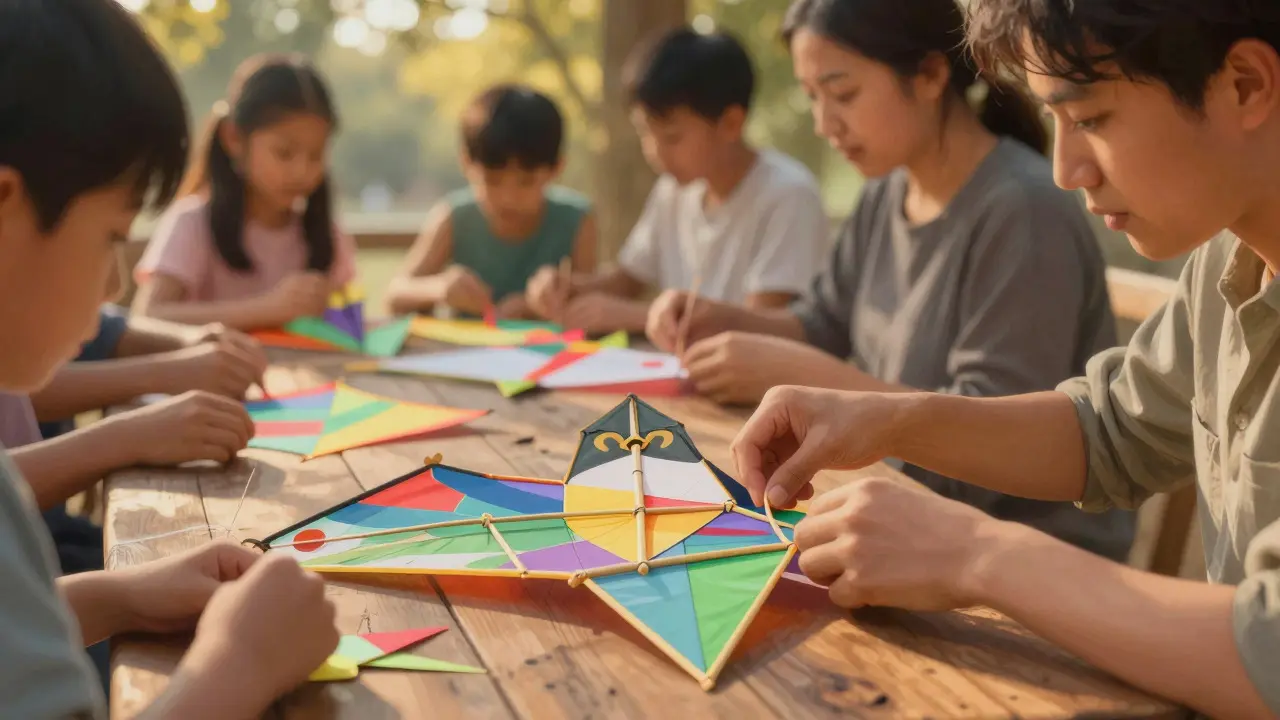
- Kite Building Workshops: Led by experienced artisans, these sessions teach participants how to construct basic diamond and delta kites using lightweight materials. Children leave with their own creations, fostering a sense of ownership and accomplishment.
- Puppetry and Street Theater: Local troupes perform interactive shows that blend storytelling with physical comedy, keeping audiences entertained during lulls in the wind.
- Craft Vendors: Stalls offer handmade decorations, organic snacks, and educational toys related to aerodynamics and design.
- Relaxation Zones: Quiet areas with picnic blankets and seating are provided for families who need a break from the bustling crowds.
Food is another major draw. Expect to find everything from traditional British pastries to international street food options. Many vendors are local producers, supporting the regional economy while offering high-quality ingredients. This focus on local sourcing aligns with the festival’s broader mission of sustainability and community support.
Types of Kites You Will See
The variety of kites on display is staggering. From simple, single-line recreational models to complex, multi-line stunt kites, the spectrum covers nearly every style invented over centuries. Understanding these differences helps you appreciate the skill involved in each performance.
| Kite Type | Complexity Level | Primary Use | Wind Requirement |
|---|---|---|---|
| Diamond Kite | Beginner | Recreational Flying | Light to Moderate (5-15 mph) |
| Delta Kite | Intermediate | Stability and Lift | Moderate (10-20 mph) |
| Parafoil Kite | Advanced | Power and Speed | Moderate to Strong (15-25 mph) |
| Multi-Line Stunt Kite | Expert | Aerobatic Maneuvers | Strong (20+ mph) |
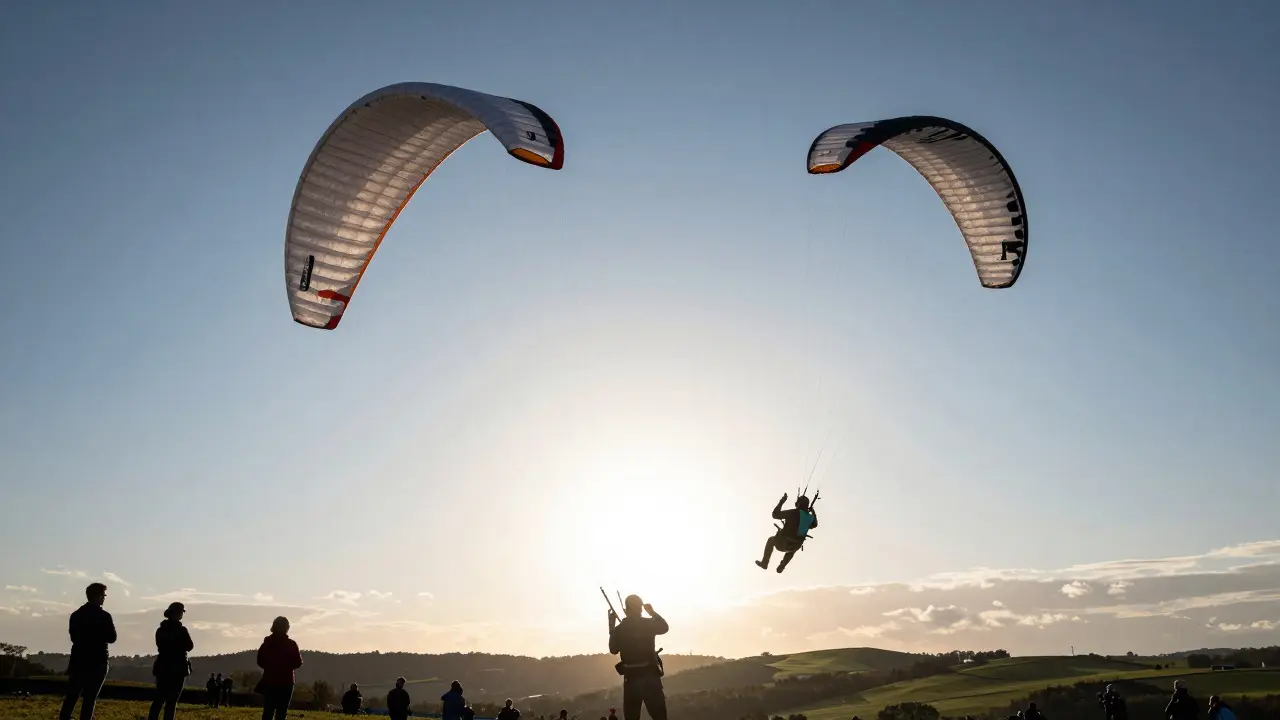
Traditional Chinese-style kites, often featuring intricate paper designs and long tails for stability, are a highlight of the cultural segments. These kites require precise craftsmanship and reflect centuries of artistic tradition. In contrast, modern parafoils, made from synthetic fabrics like ripstop nylon, offer dynamic movement and can be used for traction sports. Seeing both types side-by-side illustrates the evolution of the hobby from ancient ritual to contemporary sport.
Practical Tips for Attending
Planning your visit can make the difference between a stressful day and a memorable one. First, check the forecast. Kite festivals are weather-dependent, so knowing the wind predictions allows you to pack appropriately. Bring layers, as temperatures can drop quickly once the sun goes down. Comfortable footwear is essential, as you will likely spend hours walking on grassy terrain.
Arrive early to secure a good viewing spot for the main displays. Popular times include late morning and early afternoon, when winds tend to pick up. If you plan to fly your own kite, bring a spare line and repair kit. Snags happen, and having the tools to fix them on-site saves frustration. Also, respect the designated flying zones to avoid collisions with other pilots.
For parents, consider bringing a small bag with water, snacks, and a change of clothes for younger children. Mud is inevitable in rural settings, and being prepared keeps everyone happy. Finally, engage with the locals. They are often passionate about the history of the festival and can share insights that enrich your experience far beyond what brochures can tell you.
The Environmental Impact and Sustainability Efforts
Modern festivals face scrutiny over their environmental footprint, and the Berkshire Kite Festival is no exception. However, organizers have taken proactive steps to minimize waste and protect the local ecosystem. Biodegradable materials are encouraged for kite construction, and recycling bins are strategically placed throughout the venue.
Transportation is another key factor. To reduce car traffic, the festival promotes public transport links and bike parking facilities. Many attendees choose to cycle or take trains from nearby hubs, reducing carbon emissions associated with the event. This commitment to sustainability resonates with environmentally conscious families and adds another layer of value to the experience.
Furthermore, a portion of ticket sales often goes toward local conservation projects, helping to preserve the very landscapes that make the festival possible. This circular relationship between event and environment ensures that future generations can enjoy the same open skies and green fields.
Frequently Asked Questions
What is the best time of year to attend the Berkshire Kite Festival?
The festival typically takes place during the summer months, specifically from June to August. This period offers the most consistent wind conditions and pleasant temperatures, making it ideal for outdoor activities and kite flying.
Do I need to bring my own kite to the festival?
No, you do not need to bring your own kite. Many visitors simply enjoy watching the professional displays and participating in workshops. However, if you wish to fly, bringing a simple recreational kite is recommended. Rentals are sometimes available on-site, but availability may vary.
Is the festival suitable for young children?
Yes, the festival is highly family-friendly. There are dedicated play areas, gentle rides, and interactive workshops designed for children of all ages. Parents should supervise young children closely, especially near the flying zones, to ensure safety.
What should I wear to the Berkshire Kite Festival?
Dress in layers, as weather can change rapidly. Comfortable, closed-toe shoes are essential for walking on grass and uneven terrain. A waterproof jacket is advisable, even in summer, given the unpredictable British climate. Sunscreen and a hat are also recommended for sunny spells.
How does the festival support the local community?
The festival supports the local community by hiring local vendors, promoting regional products, and donating a portion of proceeds to conservation efforts. It also provides a platform for local artists and performers, boosting the cultural profile of the Berkshire region.