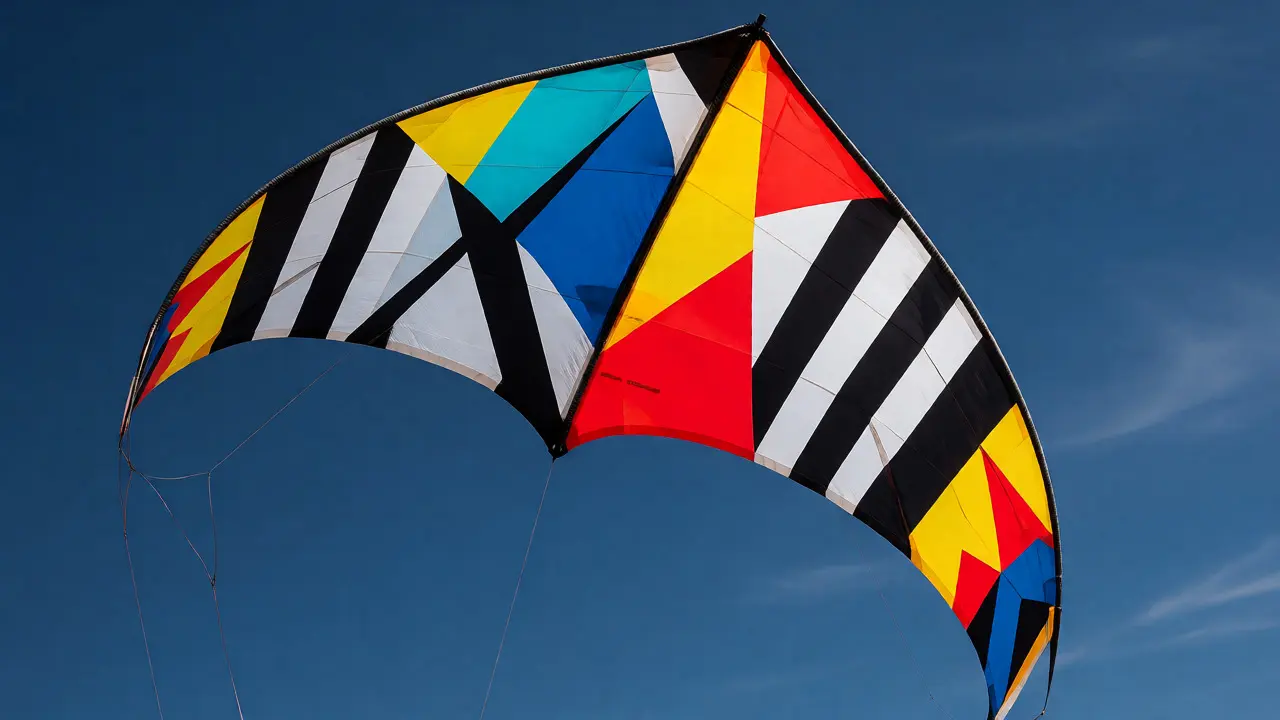
You’ve spent weeks perfecting the frame, agonizing over the sail fabric, and painting a design that makes you smile every time you look at it. You fly it in your backyard, and it looks incredible against the blue sky. But when you take it to an art kite competition, you get a mediocre score. Why? Because flying well is only half the battle. The other half is understanding how judges actually see your work.
Most beginners think the winner is just the person with the prettiest kite or the best tricks. It’s not that simple. Judges are looking for a specific blend of aesthetics, technical execution, and stage presence. If you don’t know what they’re scoring, you’re essentially guessing. Let’s break down exactly what goes into those scoresheets and how you can tweak your approach to climb the podium.
The Core Pillars of Art Kite Judging
Judging isn’t subjective chaos; it follows a structured rubric. While rules vary slightly between organizations like the American Kitefliers Association (AKA) or international bodies, the core pillars remain consistent. Understanding these four areas gives you a roadmap for success.
- Aesthetics and Design: This covers color harmony, pattern balance, and originality. Does the design look intentional? Is the artwork integrated into the kite’s shape, or does it feel slapped on?
- Flight Performance: Stability, maneuverability, and control. A beautiful kite that wobbles uncontrollably loses points fast. Judges want to see precision.
- Technical Construction: How well was it built? Are the spars straight? Are the lines attached securely? Clean craftsmanship signals professionalism.
- Presentation and Showmanship: How do you present the kite? Your body language, your explanation, and your interaction with the audience matter more than you think.
If you ignore one pillar, your total score drops significantly. You can have the most stunning visual design in the world, but if your line management is messy during the flight routine, you’ll lose points in both performance and presentation.
| Category | Typical Weight | What Judges Look For |
|---|---|---|
| Aesthetics | 30% | Color theory, symmetry, uniqueness, scale appropriateness. |
| Flight | 40% | Stability, trick accuracy, smoothness, recovery ability. |
| Construction | 15% | Material quality, joinery strength, bridle precision. |
| Presentation | 15% | Confidence, storytelling, crowd engagement, cleanliness. |
Nailing the Aesthetic Score
Let’s start with the visuals. When a judge looks at your art kite from fifty feet away, they aren’t seeing the tiny details you painted on the tail. They are seeing shapes, colors, and movement. High-contrast designs usually win here because they pop against various sky conditions. Think about visibility. A pastel rainbow might look lovely up close, but under a hazy noon sun, it disappears. Bold blocks of primary colors or stark black-and-white patterns often score higher for impact.
Originality is another big factor. Copying a popular commercial design rarely wins first place unless you add a significant twist. Judges love unique interpretations. Maybe you use traditional Japanese motifs but apply them to a modern delta shape. Or perhaps you use recycled materials to create a texture that catches the light differently. That “wow” factor comes from doing something unexpected.
Also, consider the negative space. Don’t fill every inch of the sail with paint. Sometimes, letting the wind show through a translucent section adds dynamic interest. Judges appreciate designs that change appearance as the kite moves. A static image is fine, but a kinetic design that shifts with the angle of the sun is memorable.
Flight Performance: Where Most Points Are Lost
Here is the hard truth: you can’t out-paint bad flying. Flight performance usually carries the heaviest weight in scoring. Judges watch for stability first. If your kite dives, stalls, or spins wildly without input, you lose points immediately. Before you even attempt a trick, demonstrate that you have total control.
When performing routines, precision matters more than speed. A slow, perfectly executed figure-eight scores higher than a fast, sloppy loop. Practice your transitions. Moving from one trick to another should look seamless. If you have to stop and reset your lines every ten seconds, the illusion of grace breaks.
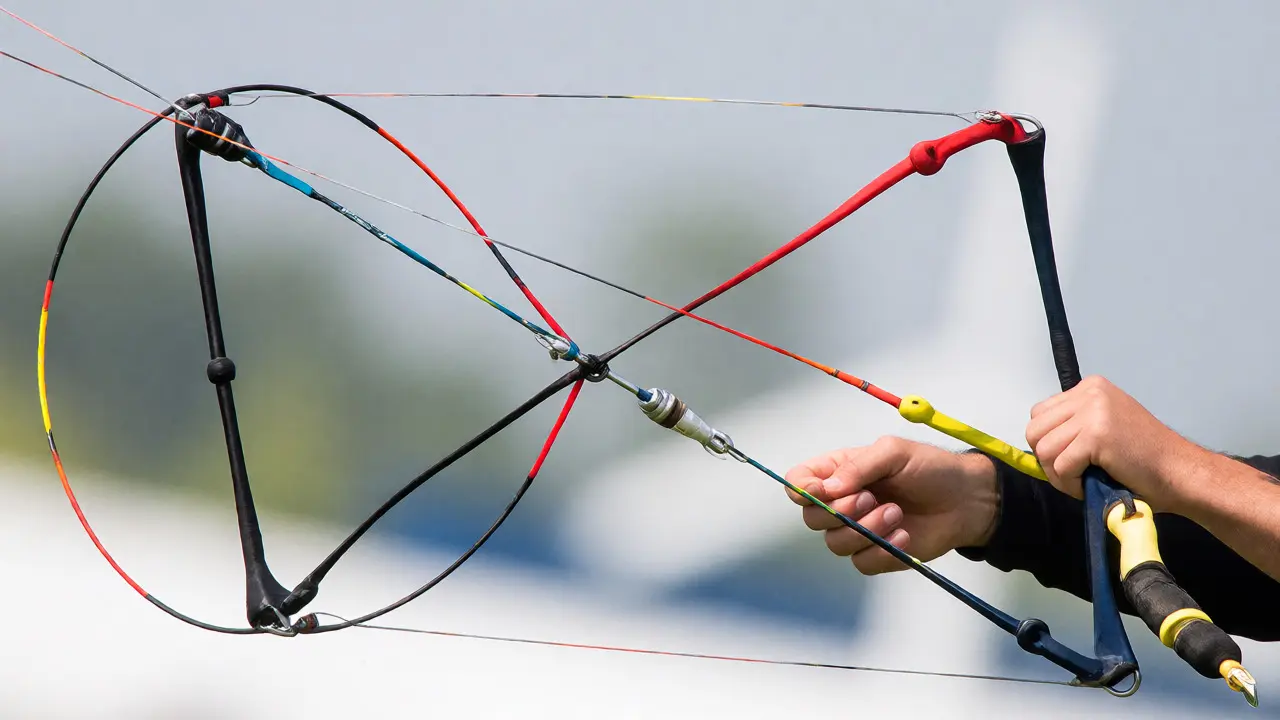
Line management is critical. Messy lines are distracting. Keep your lines tight and organized. If you’re using dual-line stunt kites, ensure your handles are comfortable and your grip is secure. Dropping a handle mid-routine is a disaster. Rehearse until muscle memory takes over so you aren’t thinking about your hands while trying to perform.
Technical Construction: The Invisible Details
You might think judges won’t notice how you glued the spar pockets, but they do. Technical construction reflects your respect for the craft. Check your bridle points. If they are uneven, the kite will fly crooked, which hurts both flight and aesthetic scores. Use high-quality thread or adhesive suitable for outdoor exposure. Frayed edges or peeling vinyl suggest a lack of care.
Weight distribution is key. Too heavy, and the kite drags; too light, and it becomes unstable in gusts. Balance is everything. If you’re building custom frames, test different carbon fiber diameters or bamboo treatments. Document your process. Being able to explain why you chose specific materials shows depth of knowledge, which impresses judges during the interview portion.
Presentation Tips: Selling Your Kite
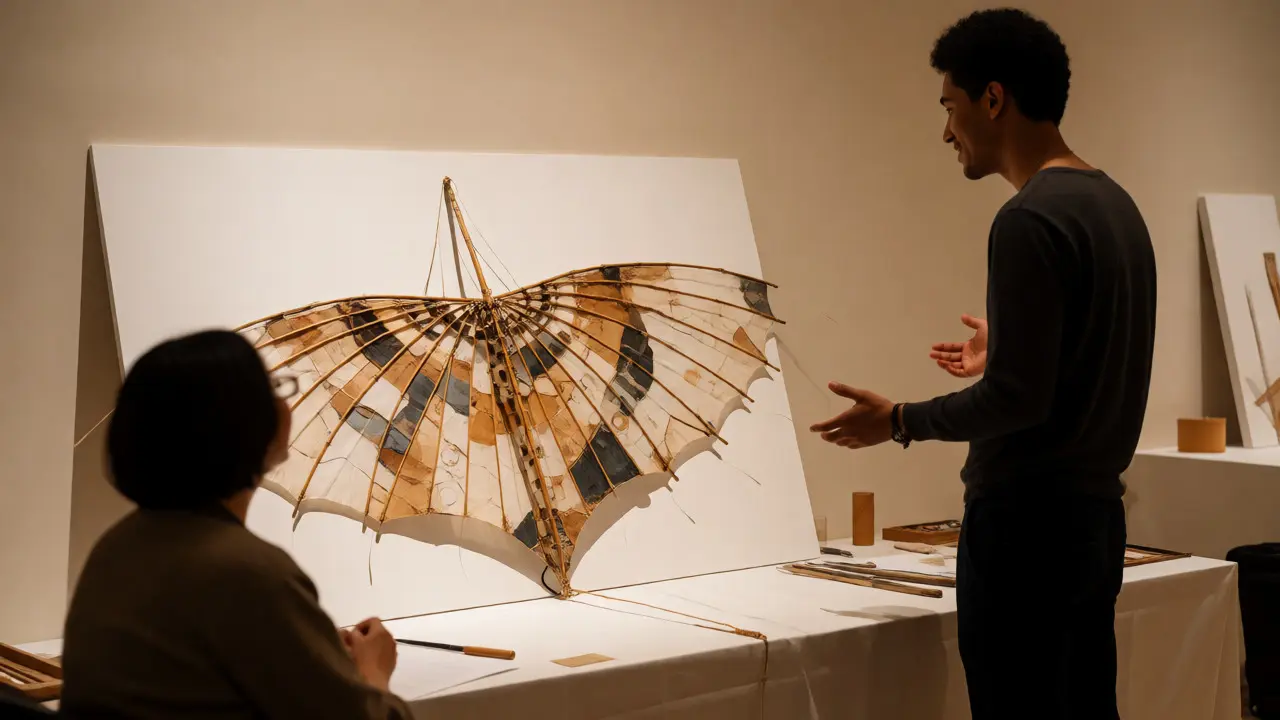
This is where many skilled builders fail. They treat the presentation like an afterthought. It shouldn’t be. Treat the presentation area like a gallery exhibit. Your kite needs context.
Bring a clean backdrop if possible. A plain white sheet or a neutral-colored board helps the judge focus on your work without visual clutter. Organize your tools and spare parts neatly. A chaotic table suggests a chaotic mind, which subconsciously affects perception of your work.
Prepare a short elevator pitch. You’ll likely have two minutes to talk to a judge. Don’t ramble. Structure it like this:
- The Concept: What inspired this design? Was it a personal story, a historical reference, or a technical experiment?
- The Challenge: What was the hardest part to build or fly? How did you solve it?
- The Outcome: What makes this version better than previous attempts?
Body language matters. Stand tall, make eye contact, and speak clearly. Smile. Enthusiasm is contagious. If you seem bored by your own creation, the judge will be too. Engage them. Ask a question like, “Have you seen this type of weave before?” It turns an interrogation into a conversation.
Common Pitfalls to Avoid
Even experienced competitors trip up on basic mistakes. Here are the top three things that tank scores:
- Ignoring Weather Conditions: Flying a lightweight parafoil in high winds is dangerous and ugly. Know your kite’s wind range. If the forecast says 20 mph, bring a heavier frame or a smaller sail. Judges penalize struggling flights.
- Over-Complicating the Routine: Trying to cram too many tricks into a short time slot leads to errors. Three perfect maneuvers beat ten shaky ones. Edit your routine ruthlessly.
- Lack of Maintenance: Arriving with tangled lines, loose knots, or dirty sails shows poor preparation. Inspect your gear the night before. Clean your sail. Wax your lines if needed.
Preparing for Your First Competition
If you’re new to the circuit, start small. Local club meets are great for low-stakes practice. Watch other competitors. Notice what wins. Talk to the judges afterward-most are happy to give feedback. Ask specifically: “What could I have done better?” Their answers are gold.
Record your flights. Video doesn’t lie. You’ll see mistakes you missed in real-time. Review the footage with a friend who knows kiting. Be open to critique. Ego is the enemy of improvement.
Finally, enjoy the community. Kite competitions are social events. The camaraderie is part of the experience. Helping others set up their displays or sharing tips builds reputation. Sometimes, that goodwill influences the vibe of the event, making judges more receptive to your work.
Do I need professional-grade equipment to win art kite competitions?
Not necessarily. While high-end carbon fiber frames help with weight, judges prioritize design and execution. A well-built bamboo kite with excellent flight characteristics and a compelling story can easily beat a mass-produced carbon model. Focus on craftsmanship and skill rather than price tags.
How much time do I get for the presentation segment?
This varies by event, but typically you get 2-5 minutes per judge station. It’s crucial to rehearse your pitch to fit within this window. Being concise demonstrates professionalism and ensures you cover all key points without rushing.
What happens if my kite crashes during the flight routine?
Minor crashes are recoverable if you fix the issue quickly and continue smoothly. Major crashes that require extensive repairs or result in damage usually incur point deductions. Judges look for composure and problem-solving skills in these moments. Stay calm and keep moving.
Are there separate categories for different types of kites?
Yes, most competitions divide entries by type (e.g., single-line, dual-line stunt, quad-line, display). This ensures fair comparison. Always check the rulebook to ensure your kite is entered in the correct class based on its structure and intended use.
Can I enter multiple kites in one competition?
Usually, yes, but there may be entry fees or limits per competitor. Entering multiple kites allows you to showcase versatility. Just ensure you have enough helpers to manage the logistics, as flying and presenting multiple models requires significant energy and organization.