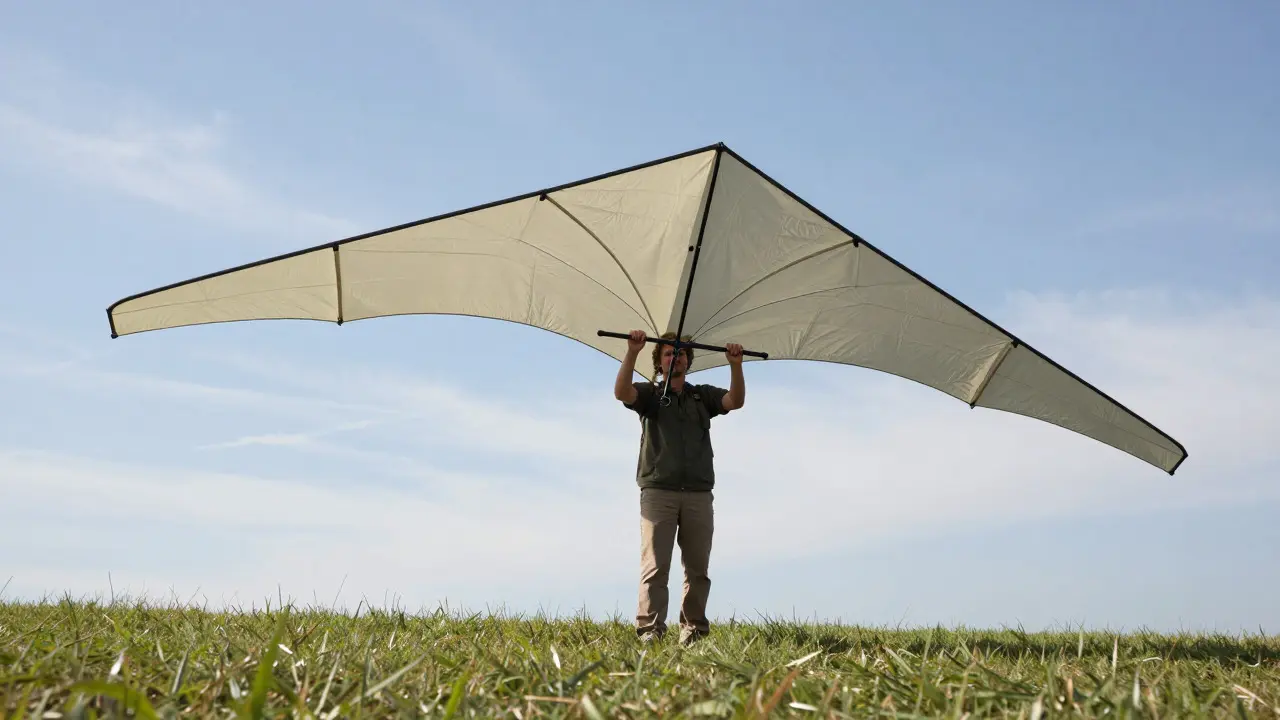
Ever watched a sport kite show and wondered why some pilots are in one group while others are in another? It’s not just about who has the fanciest gear. The sport kite categories system exists to make competitions fair, safe, and fun for everyone from first-timers to seasoned pros. Whether you’re holding your first dual-line delta or dreaming of synchronized team maneuvers, understanding these divisions is the key to getting on the field.
The world of competitive kiting is structured around skill levels and flight styles. You won’t see a beginner trying to do backflips against a pilot who has been flying for twenty years. Instead, the International Kite Federation (IKF) and local clubs use specific brackets to ensure that judging criteria match the pilot’s experience. This guide breaks down exactly what each category means, what you need to fly in them, and how the progression works.
Novice Category: Where It All Begins
The Novice category is the entry point for most competitive kites. If you’ve only been flying for less than a year, this is your home base. In this division, judges look at basic control rather than complex acrobatics. You don’t need to perform flips or rolls; you just need to demonstrate that you can keep the kite stable, steer it smoothly, and handle changes in wind without crashing.
What defines a Novice pilot? Typically, it’s someone who can execute straight lines, gentle turns, and simple stops. The kite itself is usually a standard dual-line delta, often between 10 and 14 feet in span. These kites are forgiving, meaning they don’t punish small mistakes as harshly as high-performance models. If you’re new, start here. Don’t rush to upgrade your gear until you feel confident controlling the kite in varying wind speeds. A good rule of thumb: if you spend more time recovering from tangles than flying, stay in Novice until your muscle memory kicks in.
Experienced Category: Adding Style and Control
Once you’ve mastered the basics, you move up to the Experienced category. This isn’t just about flying faster; it’s about flying with intent. Judges in this bracket expect to see a variety of maneuvers, including loops, rolls, and perhaps even a simple barrel roll. The transition from Novice to Experienced is marked by your ability to combine multiple moves into a single sequence without losing altitude or line tension.
Kites in this category often have a slightly different profile. They might be more agile, allowing for quicker response times. Many Experienced pilots use kites with a wider aspect ratio, which helps with speed and lift. You’ll also start paying attention to line management. In the Novice class, you might let the lines cross occasionally. In Experienced, clean line handling is part of the score. Messy lines suggest a lack of precision, which costs points.
Think of this stage as learning to dance. You know the steps, but now you’re working on rhythm and flow. Your goal is to make the kite look like it’s moving through the air with purpose, not just reacting to your hand movements.
Masters Category: Precision and Power
The Masters category is where things get serious. These pilots have spent years refining their technique. They fly high-performance kites designed for speed, agility, and extreme maneuverability. Judging in this class focuses on difficulty, execution, and creativity. A Master pilot might perform a series of inverted loops, sharp directional changes, and rapid descents all within a few minutes.
What separates a Masters pilot from an Experienced one? It’s the consistency under pressure. Wind conditions change, and a Masters pilot adapts instantly. They can fly in gusts that would ground a less experienced flyer. Their kites are often custom-built or top-tier commercial models, tuned specifically for their flying style. You’ll see them using shorter lines, which gives them more control but requires higher reaction times.
If you’re aiming for Masters, focus on repetition. Practice the same trick hundreds of times until it feels automatic. Then, try combining it with other moves. The best Masters pilots don’t just do tricks; they tell a story with their flight path. Every turn has a reason, every dip serves a purpose.

Team Events: Synchronization and Strategy
While individual categories focus on solo skill, Team events are all about coordination. In team competitions, two or more pilots fly together, performing synchronized maneuvers. The goal is to make the kites look like they’re controlled by a single mind. Timing is everything. If one pilot lags behind by even a second, the synchronization breaks, and points are deducted.
Team kiting requires communication. Pilots often use verbal cues or pre-planned signals to coordinate their moves. Some teams specialize in formation flying, where kites maintain specific shapes in the sky. Others focus on choreographed routines that mimic music or themes. The kites used in team events are typically identical or very similar, ensuring that both pilots have the same handling characteristics.
Joining a team is a great way to improve your skills. Flying alongside someone else forces you to be precise. You can’t afford to be sloppy when your partner is relying on you to hit a mark at the right moment. Plus, it’s social. Kiting is inherently a community activity, and teams bring that spirit to the forefront.
Understanding the Progression Path
How do you actually move from one category to the next? It’s not always a formal exam. Often, it’s a combination of self-assessment and feedback from judges or club members. Here’s a typical progression:
- Master the Basics: Ensure you can fly safely in various wind conditions. No crashes, no tangles.
- Add Maneuvers: Learn loops, rolls, and spins. Practice them in isolation before combining them.
- Focus on Line Control: Keep your lines tidy. Tangled lines are a sign of poor technique.
- Seek Feedback: Fly at local meets and ask experienced pilots for advice. Video yourself and review your flights.
- Compete Locally: Enter low-stakes competitions to test your skills against others. This builds confidence and reveals weaknesses.
There’s no strict timeline. Some pilots take two years to move from Novice to Experienced; others do it in six months. It depends on how often you fly and how much you practice. The key is consistency. Regular flying sessions, even if they’re short, will improve your reflexes and spatial awareness faster than occasional long outings.
Choosing the Right Kite for Each Level
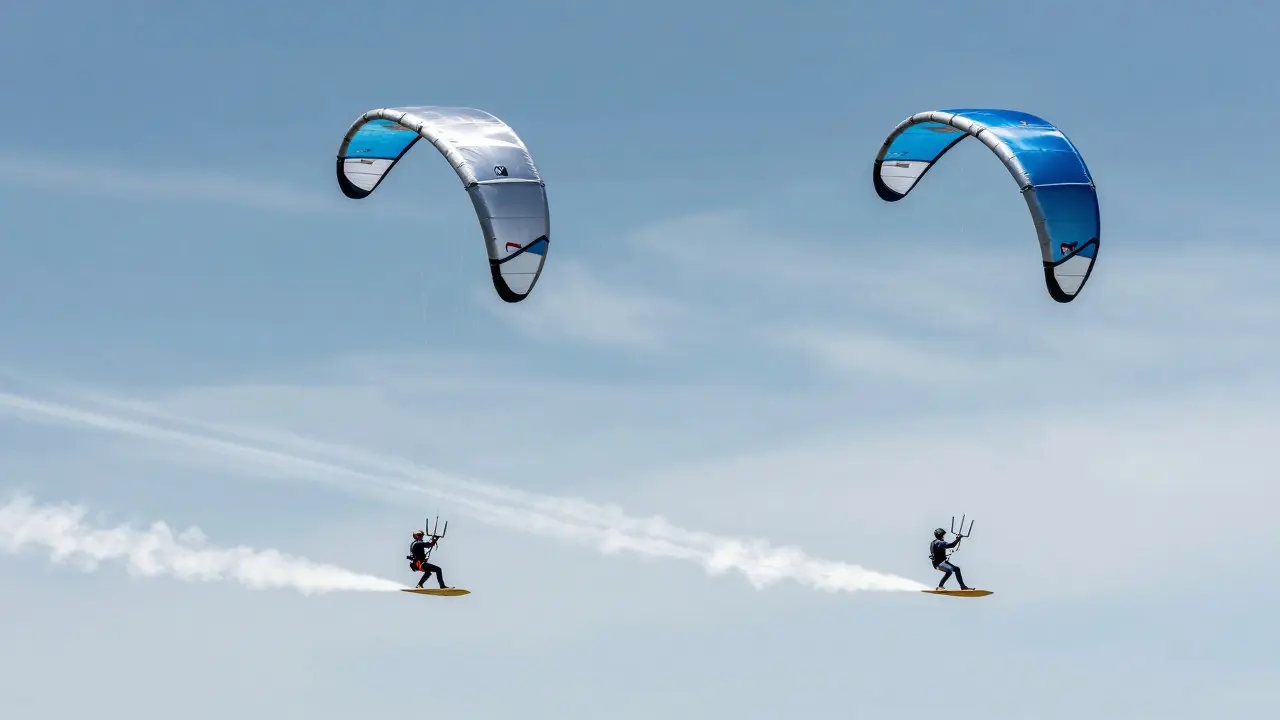
Your equipment matters. Flying a high-speed race kite as a beginner is like driving a Formula 1 car on a dirt road-you’ll likely crash. Here’s a quick guide to matching kites to categories:
| Category | Recommended Kite Type | Key Features | Why It Works |
|---|---|---|---|
| Novice | Dual-Line Delta | Stable, wide span (10-14 ft), forgiving | Easier to control, slower response allows time to react |
| Experienced | Agile Dual-Line | Medium span, responsive, good lift | Balances stability and speed, suitable for learning tricks |
| Masters | High-Performance/Race | Narrow span, fast, highly maneuverable | Allows for rapid direction changes and advanced stunts |
| Teams | Matching Set | Identical models, consistent handling | Ensures both pilots have the same experience, aiding sync |
Don’t buy the most expensive kite thinking it will make you better. Buy the right kite for your current level. As you improve, you’ll naturally outgrow your gear. That’s a good thing. It means you’re ready for the next step.
Common Mistakes to Avoid
Even experienced pilots make mistakes. Here are a few common ones that can hold you back:
- Rushing Upgrades: Buying a faster kite before you can control your current one. This leads to frustration and crashes.
- Ignoring Wind Conditions: Trying to fly in winds that are too strong or too weak for your skill level. Always check the forecast and observe local conditions.
- Skipping Warm-Ups: Jumping straight into complex maneuvers without easing in. Start with simple loops to get your hands and eyes coordinated.
- Not Watching Others: One of the fastest ways to learn is to watch skilled pilots. Notice how they position themselves, how they manage lines, and how they read the wind.
Avoiding these pitfalls will save you time and money. It’ll also make your flying more enjoyable. When you’re constantly fighting your kite, it stops being fun. When you’re in sync with it, it’s pure joy.
Frequently Asked Questions
How long does it take to move from Novice to Experienced?
It varies by person, but most pilots take anywhere from 6 months to 2 years. Consistency is key. Flying regularly and practicing specific maneuvers will speed up the process. There’s no official exam, so it’s largely based on your comfort level and feedback from the community.
Do I need special insurance to compete in kite events?
Most local clubs require liability insurance for competitors. This protects you and others in case of accidents. Check with your local kite association for specific requirements. National-level competitions may have stricter insurance mandates.
Can I fly a Masters kite as a beginner?
Technically, yes, but it’s not recommended. Masters kites are fast and unforgiving. Small errors can lead to crashes or loss of control. Stick to a stable, beginner-friendly kite until you’ve developed solid control skills.
What is the difference between solo and team scoring?
Solo scoring focuses on individual skill, difficulty, and execution. Team scoring emphasizes synchronization, timing, and coordination between pilots. In team events, both pilots must perform well for the team to score high. One weak link can drag down the entire team’s performance.
Where can I find local kite competitions?
Check online forums, social media groups, and local park websites. Many cities have regular kite days or seasonal competitions. Joining a local kite club is the best way to stay informed about upcoming events and meet other pilots.