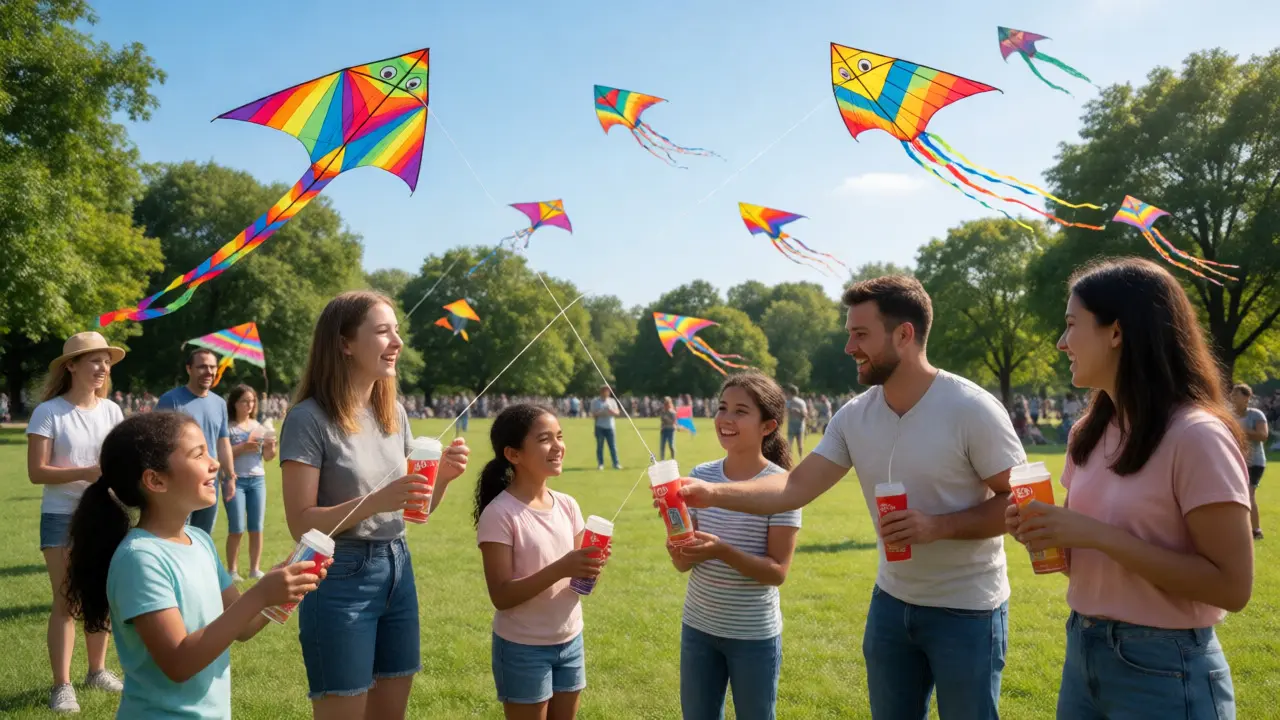
You have the kites. You have the wind. But do you have the people? That is the real question for any Kite Club looking to grow beyond a small group of enthusiasts meeting on weekends. The difference between a niche hobby group and a thriving community institution usually comes down to one thing: strategic alliances. You cannot fly high alone.
Think about the last time you saw a kite festival that felt alive. It wasn't just because of the colorful nylon dancing in the sky. It was because local schools brought their students, parks provided the open space without charging entry fees, and nearby cafes sold cold drinks to tired flyers. These connections don't happen by accident. They are built through deliberate kite club partnerships. If you want your organization to survive the winter months and thrive in the spring, you need to look outside your own circle.
Why Your Kite Club Needs External Allies
Let's be honest. Most volunteer-run clubs suffer from the same three problems: limited budget, limited reach, and burnout among organizers. Partnering solves all three. When you team up with a school, you get access to new members-young ones who bring energy and parents who might sponsor equipment. When you partner with a park authority, you secure reliable flying locations, which is often the biggest headache for any pilot. And when you link up with local businesses, you gain funding or resources that keep the lights on and the line spools stocked.
This isn't just about money. It's about legitimacy. A club that has a formal agreement with the city parks department is taken more seriously than one that just shows up and hopes no one kicks them out. It’s about stability. It’s about creating a network where everyone wins. The school gets an outdoor STEM program. The park gets active visitors. The business gets foot traffic. You get a sustainable future.
School Partnerships: Flying Into Education
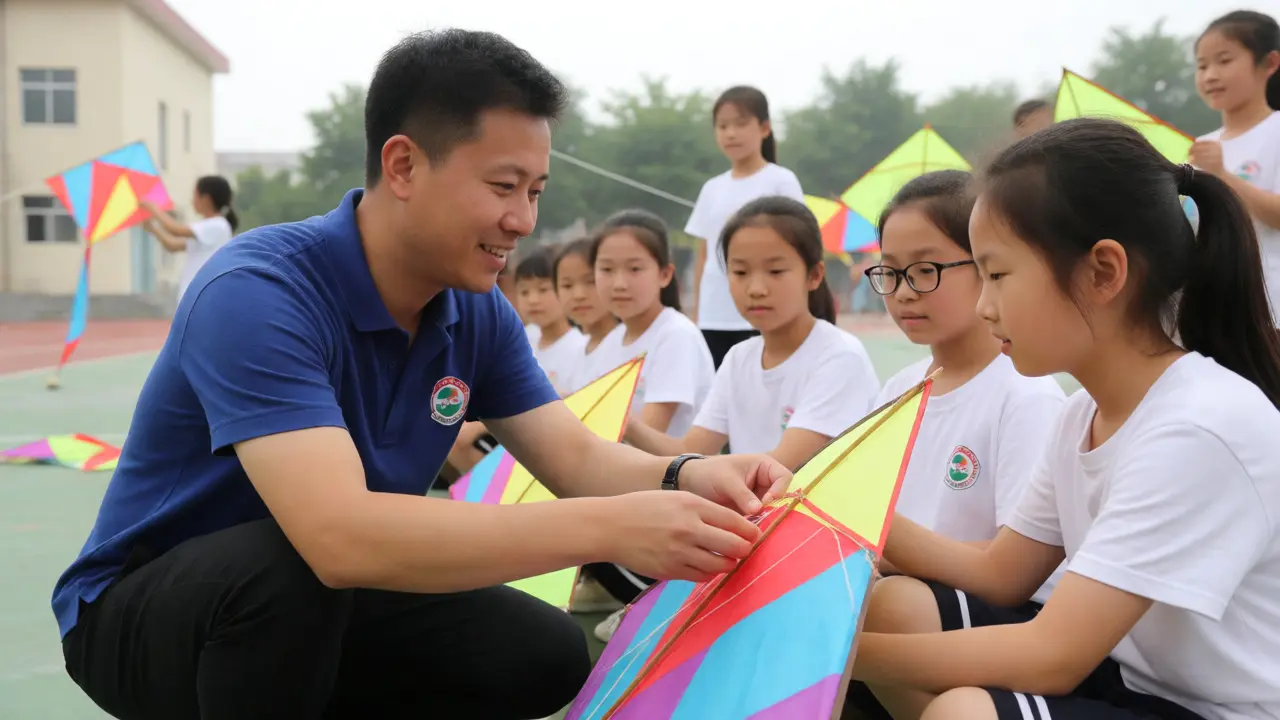
Schools are arguably the most valuable partners for a Kite Club focused on growth and education. Why? Because kids love kites. It’s universal. Whether it’s a simple diamond shape or a complex stunt kite, the physics lesson writes itself. Teachers are constantly looking for ways to teach aerodynamics, weather patterns, and engineering principles outside the classroom walls. You can provide that hands-on experience.
Start small. Don’t try to overhaul the entire curriculum. Offer a "Kite Day" workshop. Bring ten pre-assembled kites and ten spare lines. Teach a class how to launch, trim, and land. This low-barrier entry point builds trust. Once teachers see that you are reliable, safe, and educational, they will invite you back. Consider offering after-school clubs where your experienced members mentor students. This creates a pipeline of young talent who might join your adult club in a few years.
| Stakeholder | Primary Benefit | Action Required |
|---|---|---|
| Kite Club | New member pipeline, volunteer hours, community goodwill | Provide equipment, insurance proof, safety training |
| School | STEM enrichment, outdoor activity, zero-cost programming | Provide venue, student supervision, scheduling |
| Students | Hands-on learning, physical activity, social interaction | Participate actively, follow safety rules |
One crucial detail: liability. Schools are risk-averse. Before you step onto campus, make sure your club has general liability insurance. Name the school as an additional insured if required. Have a clear waiver form for parents. If you handle these bureaucratic hurdles upfront, you remove the main objection principals have against hosting external groups.
Park Authorities: Securing Your Sky
If you’ve ever tried to fly in a crowded public park only to be told you’re blocking a soccer game, you know the pain of unclear agreements. Park authorities manage thousands of acres and hundreds of user groups. They aren’t going to remember your specific needs unless you make it easy for them. Approach your local parks and recreation department not as a petitioner, but as a partner in maintenance and usage.
Propose a shared-use agreement. Maybe your club agrees to pick up litter along the perimeter during your monthly meets. In exchange, the park grants you priority booking for large events like festivals. Or perhaps you agree to host a free "Learn to Fly" session for residents once a quarter. This transforms your presence from a nuisance into a service.
Be specific about your needs. Do you need a launch lane free of trees? Do you need a specific wind corridor? Map it out. Show them a diagram. When you speak their language-zoning, capacity, safety-you get results. Also, ask about permit exemptions. Many cities waive fees for non-profit recreational groups that contribute to community wellness. You won’t know until you ask, and you certainly won’t get it if you just show up unannounced.
Local Businesses: More Than Just Sponsorship Checks
Every town has businesses that want visibility but hate expensive advertising bills. For a Local Business seeking community connection, sponsoring a kite club is cheap marketing with high emotional return. People remember the company that gave them a free hot dog at the festival. They remember the hardware store that donated rope for the repair station.
Don’t just ask for cash. Ask for what you actually need. Does the club need storage space? A local warehouse or garage owner might let you store banners and frames for free. Do you need printing services for flyers? A local print shop might do it at cost. Do you need refreshments? A cafe might provide water stations in exchange for a banner on the fence.
Structure these deals clearly. What does the business get? Logo placement on club t-shirts? Social media shout-outs? A booth at your annual showcase? Make it tangible. Small businesses operate on tight margins; they need to see a direct return on investment, even if that ROI is measured in brand loyalty rather than immediate sales.

Building the Partnership Framework
So, how do you actually start these conversations? It starts with listening. Before you pitch your idea, find out what the potential partner cares about. Does the school district prioritize environmental education? Then frame your kite program around renewable energy and wind power. Does the local brewery focus on family-friendly events? Then highlight your kid-safe zones and picnic areas.
- Identify the Decision Maker: Don’t email the generic info address. Find the Director of Athletics, the Park Ranger Supervisor, or the Owner of the business. Personalize your outreach.
- Draft a Simple Proposal: Keep it to one page. Who you are, what you want, what they get, and what it costs (usually nothing). Attach photos of past events to prove competence.
- Offer a Pilot Program: Suggest a trial run. "Let’s try this for three months." Low commitment reduces fear of failure.
- Follow Up Relentlessly: People are busy. Send a polite reminder after two weeks. Then another after a month. Persistence pays off.
Once the partnership is active, communication is key. Send a monthly newsletter to your partners. Show them photos of their logo on your banners. Tell them how many students attended. Thank them publicly. Gratitude keeps doors open. Silence closes them.
Common Pitfalls to Avoid
Even well-intentioned partnerships fail if you ignore red flags. One major issue is scope creep. You start with a simple workshop, and suddenly the school wants you to judge their science fair, coach their robotics team, and clean the gym floor. Set boundaries early. Define exactly what your volunteers will do and what they won’t.
Another trap is lack of documentation. Handshake deals are great until someone leaves their job. Always put agreements in writing, even if it’s just an email summary confirming terms. Who provides the insurance? Who cleans up afterward? Who handles medical emergencies? Write it down.
Finally, don’t neglect the cultural fit. If your club is known for intense competitive racing, partnering with a kindergarten might be a mismatch. Ensure your activities align with the partner’s audience. Adaptability is your best asset. Be willing to tweak your format to fit their schedule and space constraints.
Do I need special insurance to partner with a school?
Yes, almost always. Schools typically require proof of general liability insurance with a minimum coverage limit (often $1 million per occurrence). They may also require you to name the school district as an "additional insured" on the policy. Check with your club’s current insurer to add this endorsement before signing any agreements.
How do I approach a local business for sponsorship?
Avoid asking for money immediately. Instead, offer value first. Propose a specific benefit, such as increased foot traffic during your event or social media exposure to your local followers. Prepare a one-page proposal outlining the demographics of your members and the visibility opportunities. Meet in person if possible to build rapport.
What if the park authority denies my permit request?
Ask for the specific reason. Is it safety concerns, scheduling conflicts, or lack of precedent? Address the concern directly. If safety is the issue, offer to provide a detailed safety plan and trained marshals. If it’s precedent, propose a smaller, less intrusive pilot event to demonstrate good behavior and reliability.
Can we charge admission at a park event?
It depends on local municipal codes. Many public parks prohibit commercial transactions without a concession license. However, some allow voluntary donations or ticket sales for non-profit fundraising events if approved in advance. Always check with the parks department’s finance office before collecting money on-site.
How do we maintain long-term relationships with partners?
Consistency and gratitude are vital. Deliver on your promises every time. Send thank-you notes and impact reports showing how their support helped. Invite key contacts to exclusive previews or VIP sections of your events. Treat them as valued stakeholders, not just wallets or venues.